
Understanding the Shifting Climate Landscape: Why Extreme Weather Preparedness Matters Now More Than Ever
The rhythm of our planet is changing, and with it, the patterns of weather we once considered predictable. Scientific reports consistently highlight an increase in the frequency and intensity of extreme weather events across the globe. For the health-conscious woman, understanding this reality isn’t about fear-mongering; it’s about informed action. Preparing your home for extreme weather isn’t just about protecting bricks and mortar; it’s about safeguarding your family’s physical and mental health. The stress, anxiety, and potential trauma associated with an unprepared home facing a severe storm can have lasting impacts. By taking proactive steps, you reduce these risks, fostering a sense of control and resilience that permeates every aspect of your family’s well-being. It’s an investment in peace of mind, allowing you to focus on what truly matters when the unexpected arrives. Our homes are more than just structures; they are the backdrop to our lives, and ensuring their resilience is a powerful step in cultivating a secure and thriving future for ourselves and our loved ones.
Tip 1: Fortifying Your Home’s Exterior – Your First Line of Defense Against Extreme Weather

Your home’s exterior is its armor, the initial barrier against wind, water, and extreme temperatures. A strong exterior is paramount for extreme weather preparedness. Think of it as the foundation of your family’s safety plan. Neglecting these areas can lead to costly damage, health hazards like mold, and significant disruption to your daily life. Proactive maintenance and strategic upgrades are key to ensuring your sanctuary stands strong.
Roofing: The Crown of Your Castle
- Inspect Regularly: At least twice a year, and especially before severe weather seasons (e.g., hurricane season, winter), conduct a thorough visual inspection. Look for loose, cracked, or missing shingles, signs of wear around vents, chimneys, and skylights, and any sagging areas that might indicate structural issues. After any significant storm, a quick check can prevent minor damage from becoming major.
- Repair Promptly: Small issues can quickly escalate into major problems when extreme weather hits. Don’t delay minor repairs like replacing a few missing shingles or sealing a small leak. Consider hiring a professional roofing contractor for a comprehensive inspection if you’re unsure about the integrity of your roof or if it’s nearing the end of its lifespan.
- Upgrade for Resilience: If your roof is old or frequently sustains damage, consider upgrading to more resilient materials. Impact-resistant shingles, metal roofing, or even reinforced tile roofs offer superior protection against high winds, hail, and heavy snow loads. This is where smart home renovation dos and don’ts truly matter. Investing in a high-quality, durable roof is a definite “do” that pays dividends in protection, longevity, and potentially lower insurance premiums. Research materials specifically designed to withstand the types of extreme weather most prevalent in your region in 2026.
Windows and Doors: Sealing Your Sanctuary
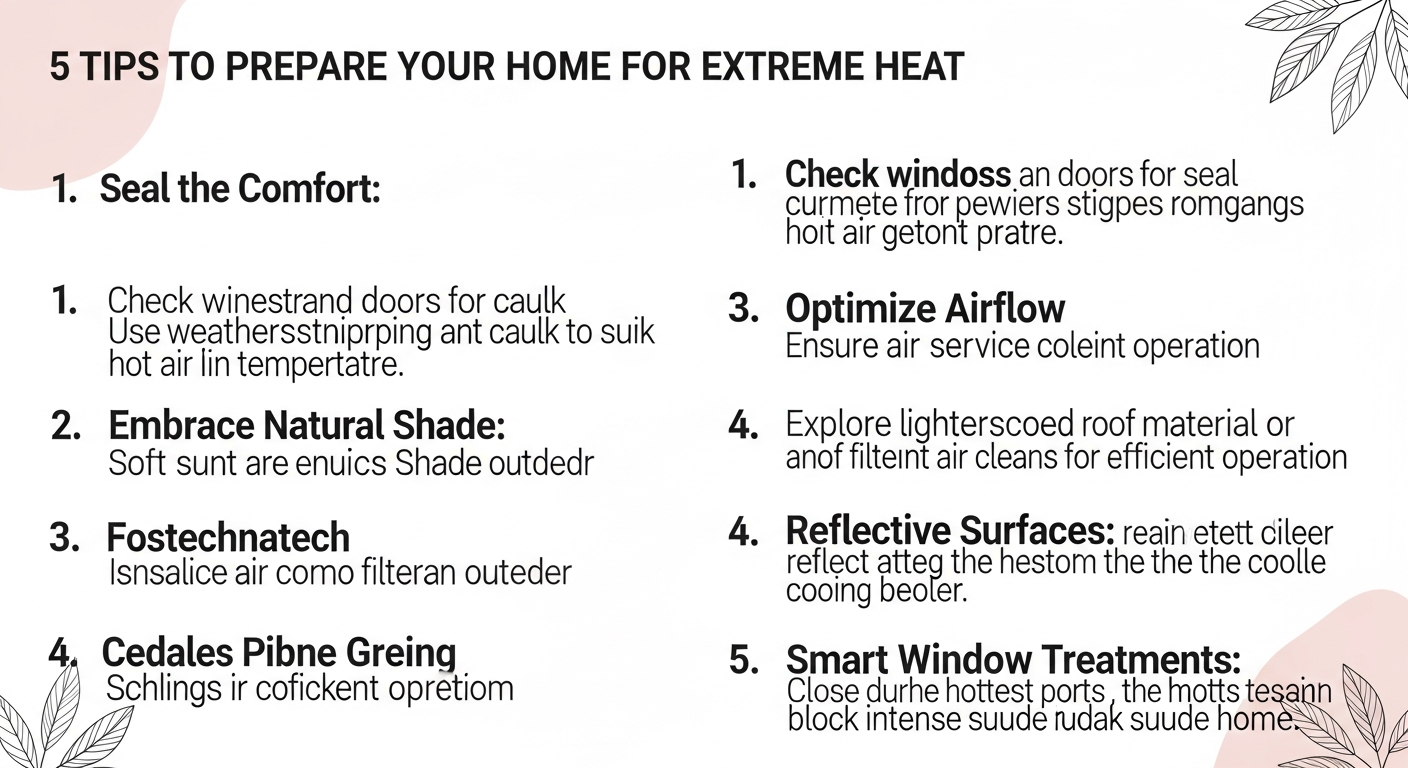
- Seal Gaps and Cracks: Inspect all window and door frames for cracks, gaps, or deteriorating caulk and weatherstripping. These seemingly small openings can allow water intrusion, drafts, and significant energy loss. Reapplying caulk and replacing worn weatherstripping are inexpensive yet highly effective measures to improve energy efficiency and prevent water damage, crucial during both heatwaves and bitter cold snaps.
- Reinforce or Protect: For areas prone to hurricanes, tornadoes, or high winds, consider installing storm shutters or upgrading to impact-resistant windows. These specialized windows are designed to withstand significant force without shattering. Plywood cut to fit your windows can serve as a temporary, last-minute solution, but planning for more permanent fortifications offers greater peace of mind. Ensure all exterior doors are solid, well-fitted, and equipped with strong, secure locks and bolts.
- Garage Doors Matter: Garage doors are often the largest and weakest entry point for wind and debris. Reinforce them with vertical bracing kits, especially if you live in a hurricane or tornado-prone area. Ensuring your garage door can withstand extreme pressure protects not only the garage itself but also the structural integrity of your entire home, preventing dangerous pressure changes.
Gutters and Downspouts: Channeling Water Away
- Keep Them Clear: Clogged gutters are a leading cause of roof damage, fascia rot, and foundation issues, particularly during heavy rainfall or rapid snowmelt. Make it a routine to clean your gutters regularly, especially after heavy leaf fall in autumn and before spring rains. Consider gutter guards to minimize debris buildup.
- Extend Downspouts: Ensure your downspouts direct water at least 5-10 feet away from your home’s foundation. This simple step prevents water from pooling around your house, which can lead to basement flooding, erosion, and costly foundation damage. Consider installing rain barrels for sustainable water collection for your garden, but always ensure proper overflow diversion during storms.
Landscaping and Drainage: A Holistic Approach
- Trim Trees and Shrubs: Remove dead, weak, or overhanging tree branches that could fall on your home, vehicles, or power lines during high winds or ice storms. Keep trees and large shrubs adequately pruned and away from your home’s exterior to prevent damage and maintain clear pathways. This also reduces debris that could become projectiles.
- Manage Water Flow: Ensure your yard slopes away from your house to promote natural drainage. Address any areas where water tends to pool after rain, as these can indicate poor grading and potential flood risks. Installing French drains, improving soil permeability with organic matter, or creating rain gardens can significantly reduce the risk of water damage to your foundation. Thoughtful landscaping is a significant “do” in your home’s long-term resilience strategy, helping to mitigate the effects of heavy precipitation.
Tip 2: Securing Your Interior Sanctuaries – Protecting What’s Inside and Your Family’s Health
Inventory and Document: Your Digital Safety Net
- Create a Detailed Home Inventory: Systematically document your home’s contents, especially high-value items. Take clear photos or videos of each room, opening closets and drawers to capture as much detail as possible. Keep a list of serial numbers for electronics and appliances. This comprehensive documentation is invaluable for expediting insurance claims after a disaster, providing concrete evidence of your possessions.
- Secure Important Documents: Gather all vital family documents: birth certificates, passports, social security cards, marriage licenses, property deeds, vehicle titles, insurance policies (home, auto, life, health), wills, medical records, and financial statements. Keep original hard copies in a waterproof, fireproof safe that is easily accessible or portable. Additionally, scan these documents and store digital copies securely in a cloud service (e.g., Google Drive, Dropbox) and on an encrypted external hard drive stored off-site or in a separate safe. This practice aligns perfectly with the proactive financial planning advised for adjusting to retirement from handling finances – ensuring vital information is always secure, organized, and accessible, regardless of circumstances.
Power Outage Preparedness: Keeping the Lights and Health On
- Backup Power Solutions: Invest in a generator (whole-house or portable) if frequent or long power outages are a concern in your area. Learn how to operate it safely, ensuring proper ventilation to prevent the silent, deadly threat of carbon monoxide poisoning. For smaller, temporary needs, keep fully charged power banks for cell phones, battery-operated lanterns, and flashlights readily available. Consider a solar-powered charger for smaller devices as a sustainable option.
- Food and Water Stockpile: Maintain a 3-day to 2-week supply of non-perishable food that requires no cooking or refrigeration (e.g., canned goods, energy bars, dried fruit, nuts, ready-to-eat meals). Include a manual can opener. Stock at least one gallon of water per person per day for drinking and sanitation purposes. Rotate your stock every six months to ensure freshness.
- Medication and Medical Devices: Ensure you have a sufficient supply (at least a 7-day, preferably 2-
Recommended Resources
You might also enjoy Best Face Serums For Glowing Skin 2026 from The Contextual Life.
For more on 5 tips to, see Glass Skin Routine How To Achieve It on Fashion Goggled.