
Setting Up Your Optimal Work-From-Home Environment
Creating a dedicated and functional workspace is paramount for any work-from-home professional, but for moms, it’s an act of self-preservation and productivity. Your environment directly impacts your focus, efficiency, and even your mental health. In 2026, leverage smart design and thoughtful organization to craft a space that supports your professional goals while seamlessly integrating into your family home.
Designating Your Sacred Workspace
- Find Your Nook: Even if a separate office isn’t possible, identify a corner, a closet, or a specific area that can be designated as your “work zone.” The key is consistency. When you’re in this space, your brain signals it’s time to work.
- Establish Boundaries: Physically and visually delineate your workspace. This could be a small room divider, a tall bookshelf, or even just arranging furniture to create a subtle separation. These boundaries help both you and your family understand when you’re “at work.”
- Ergonomics for Longevity: Invest in a comfortable, ergonomic chair and a desk at the correct height. Prolonged sitting can lead to various health issues, so proper posture is non-negotiable. Consider a standing desk converter to alternate between sitting and standing throughout the day. Your long-term physical well-being is a core component of Womens Health Tips Every Woman Should Know, and this starts with how you interact with your workspace daily.
Optimizing for Productivity and Minimizing Distractions
- Lighting is Key: Maximize natural light to boost mood and reduce eye strain. Supplement with good task lighting that doesn’t cause glare.
- Declutter and Organize: A cluttered space leads to a cluttered mind. Implement effective storage solutions for documents, supplies, and electronics. Utilize vertical space with shelves and wall-mounted organizers. Everything should have a home, making it easy to find what you need and put it away quickly.
- Sound Management: If noise is an issue (which it often is with kids at home!), consider noise-canceling headphones. Create a “soundscape” with white noise or ambient music to help you focus.
- Personalize (Thoughtfully): Add elements that inspire you, but avoid excessive clutter. A plant, a cherished photo, or a calming piece of art can make your space more inviting without being distracting.
Integrating Your Workspace with Family Life
For moms, the challenge often lies in creating a functional workspace without completely sacrificing family areas. This is where Kid Friendly Home Decor Ideas can actually inspire your office setup. Instead of viewing your office as a separate entity, consider how it can coexist harmoniously:
- Flexible Furniture: Opt for furniture that can serve dual purposes or be easily moved. A desk that folds away or a mobile filing cabinet can be incredibly useful.
- Aesthetic Cohesion: Choose colors and styles for your workspace that complement the rest of your home. This helps your office feel less like an intrusion and more like an integrated part of your living space.
- Smart Storage: If your office is in a shared space, utilize attractive storage baskets or closed cabinets to tuck away work items when not in use, instantly transforming the area back into a family-friendly zone.
- Designated Play Zones: If your kids are often near your workspace, ensure they have their own engaging, safe play areas nearby. This allows them to be close while you work, without constantly demanding your direct attention, fostering independent play that benefits everyone.
By thoughtfully designing your work-from-home environment in 2026, you lay a strong foundation for productivity, well-being, and a more integrated family life.
Mastering Your Schedule and Time Management

For work-from-home moms, time is a precious commodity, often feeling like it’s constantly slipping through your fingers. Effective schedule management and robust time-blocking techniques are not just helpful; they are essential for maintaining productivity, meeting deadlines, and preventing burnout. The key is to create a structure that is both disciplined and flexible enough to accommodate the unpredictable nature of family life in 2026.
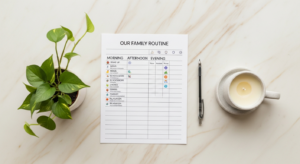
Crafting a Realistic Daily Routine
- Early Bird or Night Owl? Identify your peak productivity hours. If you’re most focused in the early morning, schedule your most demanding tasks then, perhaps before the kids wake up. If you thrive in the evening, save deep work for after bedtime.
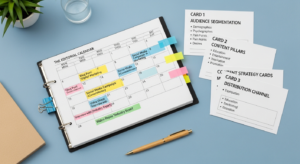
- Time Blocking for Focus: Dedicate specific blocks of time to specific tasks or categories of work. For example, 9:00 AM – 11:00 AM for client calls, 11:00 AM – 12:30 PM for project work, and so on. Stick to these blocks as much as possible to minimize context switching and improve efficiency.
- Batch Similar Tasks: Group similar tasks together, such as answering emails, making calls, or administrative duties. This reduces mental fatigue and allows you to get into a rhythm.
- Build in Buffer Time: Realistically, not every minute will go according to plan. Schedule buffers between meetings and tasks to account for unexpected interruptions, quick breaks, or tasks that run over.
Prioritization Strategies for WFH Moms
- The Eisenhower Matrix: Categorize tasks based on urgency and importance:
- Urgent and Important: Do these immediately.
- Important, Not Urgent: Schedule these for later.
- Urgent, Not Important: Delegate or minimize these.
- Not Urgent, Not Important: Eliminate these.
- The Rule of Three: At the start of each workday, identify the three most important tasks you need to accomplish. Focus on these first. Anything else is a bonus.
- Weekly Planning: Don’t just plan daily. Take time at the beginning of each week to map out your major professional and personal commitments. This helps you see the bigger picture and allocate resources effectively.
Managing Interruptions and Setting Boundaries
- Communicate Your Schedule: If possible, share your work schedule with your partner and older children. Let them know when you have important meetings or need uninterrupted focus.
- Visual Cues: Use a “do not disturb” sign on your office door (even if it’s just a makeshift one) to signal when you need quiet time.
- Scheduled “Kid Time”: Integrate dedicated time for your children into your schedule. Knowing they have your undivided attention at certain points can reduce interruptions during your work blocks.
- Leverage Technology: Use focus apps to block distracting websites, and turn off unnecessary notifications on your phone and computer.
- Learn to Say No: Protect your time fiercely. Whether it’s to extra commitments at work or non-essential household tasks during work hours, sometimes saying no is the most productive thing you can do.
The Importance of Flexibility
While structure is vital, for WFH moms, flexibility is equally important. Life with children is inherently unpredictable. Be prepared to adjust your schedule when a child is sick, a school event comes up, or an unexpected household emergency occurs. The goal isn’t rigid perfection, but rather creating a resilient system that allows you to adapt without completely derailing your productivity. Embracing this adaptability will be your superpower in 2026, ensuring you can manage both your professional responsibilities and the precious moments of motherhood with greater ease and less stress.
Prioritizing Your Well-being: A Non-Negotiable for WFH Moms
Holistic Health for Sustained Energy
- Nutrition as Fuel: Your brain and body need proper fuel to perform. Prioritize whole foods, lean proteins, fruits, and vegetables. Keep healthy snacks readily available to avoid reaching for sugary, processed options during stressful moments. Hydration is equally important; keep a water bottle at your desk and sip throughout the day.
- Movement is Medicine: Prolonged sitting is detrimental to health. Incorporate short bursts of movement throughout your workday. This could be a 10-minute walk during a lunch break, a quick stretch session between meetings, or even just standing up and moving around every hour. Consider morning yoga or an evening brisk walk with the family.
- Quality Sleep: Adequate, restful sleep is non-negotiable for cognitive function, mood regulation, and physical recovery. Aim for 7-9 hours per night. Establish a consistent bedtime routine, limit screen time before bed, and ensure your sleep environment is dark, quiet, and cool.
Cultivating Mental and Emotional Resilience
- Stress Management Techniques: The demands on WFH moms can be immense. Practice stress-reducing techniques such as deep breathing exercises, mindfulness meditation, or journaling. Even a few minutes a day can make a significant difference in your ability to cope.
- Scheduled Breaks: Resist the urge to work straight through. Schedule short breaks away from your screen. Use this time to step outside, connect with your children, or simply rest your eyes. A true lunch break, away from your desk, is vital for mental reset.
- Connect and Communicate: Isolation can be a real issue for WFH moms. Actively seek out social connections, whether with other remote working parents, friends, or family. Don’t hesitate to reach out to your partner or a trusted friend when you’re feeling overwhelmed.
- Practice Self-Compassion: It’s easy to fall into the trap of perfectionism and guilt. Recognize that you are doing an incredible job balancing multiple roles. Be kind to yourself, acknowledge your efforts, and understand that some days will be harder than others.
Addressing Specific Women’s Health Needs
Beyond general wellness, WFH moms must also pay attention to specific health concerns:
- Regular Health Check-ups: Don’t skip your annual physicals, gynecological exams, and preventative screenings. Early detection is key for many health conditions. The flexibility of WFH can sometimes make scheduling easier, so take advantage of it.
- Hormonal Balance: Stress, lack of sleep, and poor nutrition can all impact hormonal balance, which in turn affects mood, energy, and overall health. Be mindful of symptoms and consult a healthcare professional if concerns arise.
- Mental Health Support: If you’re experiencing persistent feelings of anxiety, depression, or burnout, please seek professional help. Therapists, counselors, and support groups can provide invaluable strategies and emotional support tailored to your unique challenges as a working mother.
By intentionally carving out time and energy for your well-being, you’re not just helping yourself; you’re setting a powerful example for your children and ensuring you have the resilience and vitality to excel in every aspect of your life in 2026. Remember, you cannot pour from an empty cup.
Navigating the Unique Challenges of Motherhood While Working Remotely
Working from home as a mom offers unparalleled flexibility, but it also presents a distinct set of challenges that require proactive strategies and a strong support system. The blurred lines between professional and personal life can lead to guilt, stress, and a constant feeling of being pulled in multiple directions. In 2026, successful WFH moms master the art of integrating their roles without sacrificing their sanity or their children’s well-being.
Childcare Solutions and Strategies
- Structured Childcare: Even with remote work, dedicated childcare can be a game-changer. This could be part-time daycare, a nanny, a babysitter, or a co-op with other WFH parents. Having consistent, reliable care for a few hours a day can provide the uninterrupted focus you need for deep work.
- Leveraging Your Partner: If you have a partner, establish clear communication and division of labor regarding childcare during work hours. Can they take the kids for a specific block of time? Can you alternate “on-call” shifts?
- Independent Play Promotion: Teach your children the value of independent play from an early age. Set up engaging, age-appropriate activities that they can do without constant supervision. Rotate toys to keep things fresh and interesting.
- Activity Schedule for Kids: For older children, create a simple daily schedule that includes playtime, learning activities, quiet time, and screen time (if allowed). Knowing what to expect can reduce their need to interrupt you.
Managing Guilt and Expectations
- Acknowledge the Guilt: The “mom guilt” is real and pervasive. Acknowledge these feelings without letting them paralyze you. Understand that it’s a natural response to wanting to do your best in all areas.
- Redefine “Presence”: You don’t have to be constantly entertaining your children to be a good mom. Quality over quantity is key. Engage fully during your breaks, mealtimes, and after work. Your children will value focused attention more than fragmented presence.
- Set Realistic Expectations: Your home will likely not be perfectly tidy during work hours, and your children will have their moments. Accept that some days will be less productive professionally or more chaotic personally. Embrace imperfection.
- Communicate with Your Children: Explain your work to your children in age-appropriate terms. Let them know why you need quiet time and when you will be available. This helps them understand and respect your boundaries.
Building a Robust Support Network
- Connect with Other WFH Moms: Share experiences, tips, and frustrations with other mothers who understand your unique situation. Online forums, local groups, or even a casual chat with a friend can provide invaluable emotional support and practical advice.
- Lean on Your Village: Don’t be afraid to ask for help from grandparents, aunts, uncles, or trusted friends when you need it. Whether it’s picking up groceries, watching the kids for an hour, or just listening, support from your community is vital.
- Professional Support: Maintain strong relationships with your colleagues and managers. Clear communication about your availability and potential interruptions can foster understanding and flexibility from your workplace.
Handling the Unexpected
Life with kids is inherently unpredictable, especially when working from home. Sick days, school closures, and sudden meltdowns are part of the package. Have a contingency plan:
- Emergency Childcare Backups: Identify a few reliable backup options for when your primary childcare falls through.
- Flexibility with Work: Discuss flexible work arrangements with your employer in advance. Can you shift hours, work evenings, or make up time on weekends if an urgent family matter arises?
- Prepare for Downtime: Keep a “rainy day” box of activities for your kids – new crafts, puzzles, or engaging books – that can be pulled out when you absolutely need uninterrupted focus during an unexpected interruption.
By proactively addressing these challenges, WFH moms in 2026 can create a more harmonious environment for both their professional growth and their family’s well-being, transforming potential stressors into opportunities for resilience and innovative solutions.
Boosting Productivity and Professional Growth
Working from home as a mom isn’t just about managing the daily juggle; it’s also about excelling in your career, staying competitive, and fostering continuous professional growth. In the dynamic remote work landscape of 2026, leveraging technology, honing communication skills, and committing to lifelong learning are crucial for WFH moms who aspire to more than just getting by.
Leveraging Technology and Tools for Efficiency
- Project Management Software: Tools like Asana, Trello, or Monday.com can help you organize tasks, track progress, and collaborate effectively with teams, making complex projects manageable.
- Communication Platforms: Master Slack, Microsoft Teams, or Google Meet for seamless team communication. Understand best practices for virtual meetings, including muting when not speaking and using video when appropriate to build connection.
- Time Tracking Apps: If your role requires it, or if you simply want to understand where your time goes, apps like Toggl or Clockify can provide valuable insights into your productivity patterns.
- Digital Note-Taking: Utilize apps like Evernote or OneNote for organizing thoughts, meeting notes, and important information, keeping everything accessible from anywhere.
- Automation Tools: Look for opportunities to automate repetitive tasks, such as email sorting, social media scheduling, or data entry, freeing up valuable time for more strategic work.
Effective Communication in a Remote Environment
- Clarity is King: When communicating virtually, especially asynchronously, be exceptionally clear and concise. Assume less and spell out more to avoid misunderstandings.
- Proactive Updates: Don’t wait to be asked. Provide regular updates on your progress, challenges, and availability. This builds trust and transparency with your colleagues and managers.
- Virtual Meeting Etiquette: Prepare thoroughly for virtual meetings. Be on time, ensure good lighting and sound, and actively participate. Use the chat function wisely for questions or comments without interrupting.
- Set Communication Boundaries: Clearly communicate your working hours and preferred methods of contact. While flexibility is a perk of WFH, it’s also important to establish when you are (and are not) available.
Continuous Learning and Skill Development
- Identify Growth Areas: Regularly assess your skills and identify areas where you can improve or learn something new that aligns with your career goals. This could be a new software, a leadership skill, or industry-specific knowledge.
- Online Courses and Certifications: Platforms like Coursera, LinkedIn Learning, and edX offer a vast array of courses and certifications that you can pursue during non-work hours, leveraging the flexibility of WFH.
- Industry Publications and Podcasts: Stay current with industry trends by reading relevant articles, blogs, and listening to podcasts. This demonstrates your commitment to your field.
- Seek Mentorship: Find a mentor who can guide you in your professional journey. Their insights and advice can be invaluable for navigating challenges and identifying opportunities.
Networking and Visibility
- Virtual Networking: Attend online industry conferences, webinars, and virtual networking events. Engage in professional LinkedIn groups and discussions.
- Internal Visibility: Even remotely, make sure your contributions are seen. Volunteer for projects, present your work, and offer to help colleagues.
- Build Your Personal Brand: Cultivate a strong online professional presence. Keep your LinkedIn profile updated, and consider sharing insights or articles related to your expertise.
By actively pursuing productivity enhancements and professional development, WFH moms in 2026 can not only meet their current job requirements but also position themselves for significant career advancement. Remember, your remote work journey is an opportunity to showcase your resilience, adaptability, and unwavering dedication to excellence.
Financial Wellness and Career Advancement for WFH Moms
For work-from-home moms, success isn’t just about managing daily tasks; it’s also about securing financial stability and charting a clear path for career advancement. The remote work environment of 2026 offers unique opportunities to grow professionally and manage finances effectively, but it requires intentional planning and strategic decision-making. Empowering yourself with financial literacy and a forward-thinking career strategy is crucial for long-term fulfillment.
Strategic Financial Management for WFH Families
- Budgeting for the Remote Lifestyle: Create a detailed budget that accounts for both household and work-related expenses. While you might save on commuting, factor in increased utility costs, potential home office equipment upgrades, and any childcare expenses.
- Saving and Investing: Prioritize building an emergency fund, ideally covering 3-6 months of living expenses. Explore investment opportunities, retirement accounts (401k, IRA), and college savings plans for your children. Even small, consistent contributions can grow significantly over time.
- Tax Considerations: Understand the tax implications of working from home. You might be eligible for certain home office deductions or other benefits, depending on your employment status and local tax laws. Consult with a tax professional in 2026 to ensure you’re maximizing your deductions.
- Managing Debt: Develop a clear strategy for managing and reducing debt. Prioritize high-interest debts and explore consolidation or refinancing options if beneficial.
- Income Diversification: Consider exploring additional income streams if time permits. This could be freelancing, consulting, or developing a side hustle that leverages your skills, providing both extra income and a sense of professional autonomy.
Negotiating and Advocating for Your Value
- Salary Negotiation for Remote Roles: Don’t underestimate your value because you work from home. Research market rates for your role and industry, and be prepared to negotiate your salary and benefits package. Highlight your productivity and achievements in a remote setting.
- Performance Reviews: Actively prepare for performance reviews by documenting your accomplishments, contributions, and any challenges you’ve successfully overcome. Frame your remote work experience as an asset.
- Advocating for Flexibility: If you need adjustments to your schedule or additional resources, clearly articulate your needs and propose solutions that benefit both you and your employer. Data on your productivity can be a powerful negotiating tool.
Charting Your Career Advancement Path
- Goal Setting: Define clear, measurable, achievable, relevant, and time-bound (SMART) career goals. This could be a promotion, a new skill acquisition, or transitioning to a different role.
- Mentorship and Sponsorship: Seek out mentors who can offer guidance and sponsors who can advocate for your advancement within your organization or industry.
- Visibility and Impact: Even remotely, make sure your work is seen and its impact understood. Volunteer for high-profile projects, share your successes with your team and leadership, and actively participate in company initiatives.
- Building Your Remote Resume: Highlight your experience with remote collaboration, digital tools, and independent problem-solving. These are highly valued skills in the 2026 job market.
- Long-Term Planning: Consider where you want to be in 5 or 10 years. Are there leadership roles you aspire to? Does your current company offer the growth opportunities you desire, or should you explore other options?
By proactively managing your finances and strategically planning your career, work-from-home moms can achieve both immediate stability and long-term professional success. Your remote journey is not just a job; it’s a dynamic career path that you have the power to shape and elevate, ensuring financial empowerment and continued growth in 2026 and beyond.
Special Considerations: Fertility & Family Planning while WFH
For many women, the work-from-home model in 2026 presents a unique opportunity to better integrate family planning, including fertility journeys, into their professional lives. However, it also introduces specific challenges that require careful navigation. Understanding Fertility Health Tips Women Trying Conceive becomes even more pertinent when balancing it with the demands of a remote career.
The Impact of WFH on Fertility Journeys
- Stress Reduction Potential: One of the significant advantages of working from home can be the reduction in daily commute stress and the increased flexibility to manage personal appointments. Chronic stress is known to negatively impact fertility, so a more relaxed work environment can be beneficial.
- Discreet Appointments: The ability to schedule fertility appointments, blood tests, or monitoring sessions with greater discretion is a huge benefit. You can often integrate these into your day without needing to explain long absences or take significant time off, which can alleviate additional stress.
- Rest and Recovery: Fertility treatments, especially IVF, can be physically and emotionally draining. WFH allows for more immediate rest and recovery after procedures, which can contribute to better overall well-being during a sensitive time.
Integrating Fertility Health into Your WFH Schedule
- Strategic Scheduling: Use your WFH flexibility to schedule appointments during less critical work hours or during designated breaks. Communicate any necessary absences to your team well in advance, without needing to disclose personal details.
- Prioritizing Self-Care: Fertility Health Tips Women Trying Conceive often emphasize stress reduction, proper nutrition, adequate sleep, and gentle exercise. WFH can make it easier to incorporate these into your daily routine. For example, you can prepare healthier meals, take short walks, or practice mindfulness during your breaks.
- Managing Treatment Side Effects: If you experience side effects from fertility medications, working from home provides a more comfortable and private environment to manage them, minimizing disruption to your professional tasks.
Challenges and How to Address Them
- Maintaining Privacy: While WFH offers discretion, it’s crucial to maintain your privacy. Be mindful of virtual backgrounds, sensitive documents, and conversations if family members or colleagues are within earshot.
- The Pressure of Constant Availability: The flexibility of WFH can sometimes blur boundaries, leading to an expectation of constant availability. During fertility treatments, it’s even more critical to set firm boundaries and protect your time for rest and self-care.
- Emotional Impact: Fertility journeys can be incredibly emotional. Having your workspace within your home means less separation between personal and professional life. Have strategies in place for emotional processing, whether it’s stepping away for a quiet cry, calling a supportive friend, or leaning on your partner.
- Financial Planning: Fertility treatments can be expensive. Integrate potential costs into your financial wellness plan, researching insurance coverage and payment options.
Broader Family Planning Considerations
Beyond active fertility treatments, WFH also impacts broader family planning decisions:
- Maternity Leave Planning: If you become pregnant, leverage your WFH experience to plan for maternity leave. Discuss possibilities for a phased return or continued remote work post-leave with your employer.
- Long-Term Family Goals: The WFH model can significantly influence decisions about family size and timing. The flexibility it offers might make having more children or starting a family earlier seem more feasible.
For WFH moms in 2026, integrating fertility and family planning requires intentionality and self-advocacy. By prioritizing your health, leveraging your remote flexibility, and preparing for both the benefits and challenges, you can navigate this deeply personal journey while continuing to thrive professionally.
Frequently Asked Questions
Recommended Resources
You might also enjoy Stress Relief Tips For Busy Women from Rock Salt Plum.
Check out Celebrity Home Decor Style Trends on Celebrity Exchange for a deeper dive.