The Ultimate Guide to Pelvic Floor Exercises for Women in 2026: Reclaim Your Core Strength & Confidence
Understanding Your Pelvic Floor: More Than Just Kegels
Before we jump into exercises, let’s truly understand what your pelvic floor is and why it’s so crucial. Imagine a hammock or a sling of muscles, ligaments, and connective tissues nestled at the base of your pelvis. This is your pelvic floor. It stretches from your tailbone (coccyx) at the back to your pubic bone at the front, and from one sit bone to the other.
What Does This Mighty Muscle Group Do?
- Organ Support: It acts as a supportive sling for your pelvic organs – your bladder, uterus, and rectum – keeping them in their proper place.
- Continence Control: It plays a pivotal role in controlling your bladder and bowel movements, helping you hold urine and stool until it’s convenient to release them.
- Sexual Function: A healthy pelvic floor contributes significantly to sexual sensation, arousal, and orgasm.
- Core Stability: It works in synergy with your deep abdominal muscles, diaphragm, and multifidus (deep back muscles) to form your inner core unit, providing stability for your spine and pelvis.
For women, the pelvic floor undergoes unique stresses and changes throughout life. Pregnancy, childbirth, hormonal shifts during menopause, and even certain types of exercise can impact its strength and function. When the pelvic floor becomes weak or dysfunctional, it can lead to a range of uncomfortable and often embarrassing issues, from urinary leakage to pelvic pain and even pelvic organ prolapse. But here’s the empowering news: you have the power to influence its health through targeted exercises and conscious care.
The Myriad Benefits of a Strong & Healthy Pelvic Floor
Investing time in your pelvic floor health offers a cascade of benefits that can profoundly improve your daily life. It’s not just about preventing problems; it’s about enhancing your overall well-being and confidence.
Improved Bladder and Bowel Control
One of the most commonly recognized benefits, and often the primary motivator for women seeking pelvic floor exercises, is improved continence. Whether you experience a little leak when you laugh, cough, sneeze, or jump (stress incontinence), or have a sudden, urgent need to go (urge incontinence), strengthening your pelvic floor can significantly reduce or even eliminate these symptoms. It also helps with bowel control, preventing accidental leakage of gas or stool.
Enhanced Sexual Health and Pleasure
A toned and responsive pelvic floor can lead to a more fulfilling sex life. Stronger muscles can increase sensation during intercourse for both you and your partner, contribute to stronger and more frequent orgasms, and even help reduce pain during sex by improving muscle control and blood flow.
Support During Pregnancy and Smoother Postpartum Recovery
Preparing your pelvic floor for the demands of pregnancy and childbirth is invaluable. Strong muscles can better support the growing weight of your baby, potentially reduce the risk of tearing during vaginal delivery, and significantly aid in a faster, more comfortable postpartum recovery. Many women find that consistent pelvic floor work helps them regain control and strength much quicker after birth.
Prevention and Management of Pelvic Organ Prolapse
Pelvic organ prolapse occurs when one or more of the pelvic organs (bladder, uterus, rectum) descend from their normal position into the vagina. While several factors contribute to prolapse, a strong pelvic floor provides vital support, helping to prevent or manage the symptoms of mild to moderate prolapse, improving comfort and reducing the need for more invasive treatments.
Improved Core Stability and Reduced Back Pain
As part of your deep core unit, a strong pelvic floor contributes directly to overall core stability. This can translate to better posture, improved balance, and even a reduction in lower back pain. When your inner core is functioning optimally, your body moves with greater efficiency and less strain.
Boosted Confidence and Quality of Life
Beyond the physical benefits, the psychological impact of a healthy pelvic floor is immense. Freedom from leaks, pain, and discomfort allows you to live more fully, engage in activities you love without worry, and feel more confident in your body. It’s about reclaiming control and enhancing your overall quality of life.
Mastering the Art of Pelvic Floor Exercises: A Step-by-Step Guide
Ready to start? Great! The key to effective pelvic floor exercises isn’t brute strength; it’s precision and consistency. Let’s break down how to find these elusive muscles and integrate them into your routine.
Step 1: Finding Your Pelvic Floor Muscles (This is CRUCIAL!)
Many women struggle with this initial step, and that’s perfectly normal. It’s not intuitive for everyone. The goal is to isolate these muscles without tensing your glutes, thighs, or abdominal muscles. Here are a few techniques to help you identify them:
- The “Stop the Flow” Method (Use with Caution): When you’re urinating, try to briefly stop the flow of urine midstream. The muscles you use to do this are your pelvic floor muscles. Only do this as an identification technique, not as a regular exercise, as it can disrupt normal bladder function.
- The “Holding Back Gas” Method: Imagine you’re trying to stop yourself from passing gas. Squeeze the muscles around your anus as if you’re trying to lift them upwards and inwards. You should feel a distinct tightening and lifting sensation.
- The “Vaginal Squeeze” Method: If you’ve ever used a tampon, imagine squeezing the muscles around your vagina as if you’re trying to grip it. You should feel an internal lift.
- Mirror Test: Lie down and use a mirror to observe your perineum (the area between your vagina and anus). As you gently contract your pelvic floor, you should see the perineum lift slightly upwards and inwards.
Once you think you’ve found them, remember: the sensation should be an internal lift and squeeze, not a bearing down or pushing out. Your buttocks, inner thighs, and stomach muscles should remain relaxed.
Step 2: Basic Pelvic Floor Exercises (The “Kegel”)
Once you can reliably identify and contract your pelvic floor muscles, you can begin your exercise routine. There are two main types of contractions:
Slow Contractions (for Strength and Endurance)
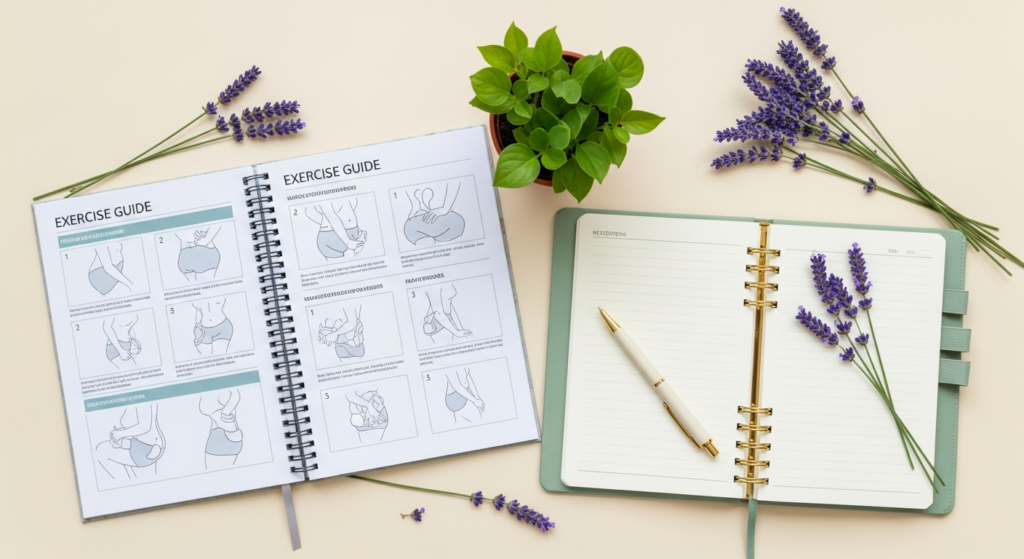
- Position: Start by lying down, with your knees bent and feet flat on the floor. This position minimizes gravity’s pull and helps you focus. As you get better, you can progress to sitting and then standing.
- Contraction: Gently squeeze and lift your pelvic floor muscles upwards and inwards, as if you’re trying to pull them up into your body. Imagine zipping up from your tailbone to your pubic bone.
- Hold: Hold this contraction for 3 to 5 seconds. Focus on keeping your other muscles (glutes, abs, thighs) relaxed.
- Relax: Slowly release the contraction completely. This relaxation phase is just as important as the squeeze. Allow your muscles to fully let go and rest for 5 to 10 seconds, feeling them lengthen and soften.
- Repeat: Aim for 10 to 15 slow contractions per set.
Fast Contractions (for Quick Response and Reflex)
- Contraction: Quickly squeeze and lift your pelvic floor muscles, as if you’re trying to prevent a sneeze or cough.
- Release: Immediately and fully release the contraction. It’s a quick “on-off” motion.
- Repeat: Aim for 10 to 15 fast contractions per set.
Step 3: Building Your Routine
- Frequency: Aim for 3 sets of both slow and fast contractions, three times a day. Consistency is far more important than intensity.
- Breathing: Crucially, remember to breathe normally throughout your exercises. Holding your breath can create downward pressure, which is counterproductive.
- Progression: As your muscles get stronger, you can gradually increase the hold time for slow contractions (up to 10 seconds) and the number of repetitions.
Common Mistakes to Avoid
- Holding Your Breath: Always breathe deeply and naturally.
- Tensing Other Muscles: Avoid squeezing your buttocks, inner thighs, or tensing your abdominal muscles. The movement should be internal and isolated to the pelvic floor.
- Bearing Down: Never push down. The movement should always be an upward and inward lift.
- Inconsistency: Like any muscle group, the pelvic floor needs regular exercise to maintain strength.
Beyond the Basics: Advanced Techniques & Holistic Support
Once you’ve mastered the foundational exercises, you can explore ways to integrate pelvic floor health more deeply into your life and enhance your routine.
Pelvic Floor Relaxation: The Other Half of the Equation
While strengthening is vital, learning to fully relax your pelvic floor is equally important. A hypertonic (overly tight) pelvic floor can lead to pain, discomfort during sex, and even contribute to urgency symptoms. Practices like diaphragmatic breathing (belly breathing) can help. Inhale deeply, allowing your belly to expand, and imagine your pelvic floor gently lengthening and relaxing downwards. Exhale, and feel a gentle lift. Stretches like Child’s Pose, Happy Baby, and deep squats can also promote relaxation.
Integrating into Daily Life
The goal isn’t just to do exercises; it’s to activate your pelvic floor when it matters most. Practice a gentle “knack” – a quick, subtle squeeze and lift of your pelvic floor just before you cough, sneeze, lift something heavy, or jump. This pre-emptive contraction helps brace your core and prevent leaks.
Tools and Resources to Support Your Journey
While you can absolutely start with bodyweight exercises, certain tools can provide valuable assistance, especially for those who struggle to identify their muscles or want to track progress:
- Biofeedback Devices: These electronic devices, often used with a probe inserted vaginally, provide real-time feedback on your muscle contractions, helping you ensure you’re engaging the correct muscles and tracking your strength. Many come with accompanying apps.
- Pelvic Weights/Vaginal Cones: These small, weighted cones are inserted into the vagina and held in place by gently contracting the pelvic floor muscles. They provide progressive resistance, similar to lifting weights, helping to build strength and endurance.
- Pelvic Floor Exercise Apps: Many apps offer guided routines, reminders, and progress tracking, making it easier to stay consistent and motivated.
- Specialized Yoga and Pilates: These practices, particularly those focused on core and breath work, can be excellent for integrating pelvic floor awareness and strength into broader movement patterns. Look for instructors with specific training in pelvic health.
Remember, these tools are aids, not substitutes for proper technique or professional guidance, especially if you have existing symptoms.
Lifestyle Factors for Optimal Pelvic Health
Your pelvic floor doesn’t exist in isolation. A holistic approach includes:
- Hydration and Diet: Adequate water intake and a fiber-rich diet prevent constipation and straining, which can weaken the pelvic floor.
- Maintaining a Healthy Weight: Excess weight puts additional pressure on your pelvic floor.
- Proper Lifting Mechanics: Always lift with your legs, not your back, and remember to engage your pelvic floor and core before lifting.
- Avoiding Chronic Straining: Whether from constipation or heavy lifting, consistent straining can overstretch and weaken pelvic floor muscles.
When to Seek Professional Guidance: Your Pelvic Health Team
While this guide provides a strong foundation, there are times when professional guidance is not just beneficial, but essential. Think of a Pelvic Floor Physical Therapist (PT) as your expert coach, offering personalized assessment and treatment.
When to Consider Seeing a Pelvic Floor PT:
- Difficulty Identifying Muscles: If you’re unsure if you’re doing the exercises correctly, a PT can guide you with internal assessment and biofeedback.
- Persistent Symptoms: If you’re consistently experiencing incontinence, pelvic pain, symptoms of prolapse, or sexual discomfort despite regular exercise.
- Pregnancy and Postpartum: A PT can help prepare your pelvic floor for birth and guide you through a safe and effective postpartum recovery plan, including addressing issues like diastasis recti (abdominal separation).
- Before or After Surgery: Pre- and post-operative PT can optimize outcomes for gynecological or abdominal surgeries.
- Chronic Conditions: For conditions like endometriosis, interstitial cystitis, or vulvodynia, a PT can help manage pain and improve function.
What a Pelvic Floor PT Does
A Pelvic Floor PT is a specialized physical therapist who has undergone extensive training in the assessment and treatment of pelvic floor dysfunction. They will typically:
- Conduct a Thorough Assessment: This may include an external and internal examination to assess muscle strength, tone, coordination, and identify any trigger points or areas of concern.
- Develop a Personalized Treatment Plan: Based on your specific needs, this plan might include tailored exercises, manual therapy, biofeedback, education on bladder/bowel habits, and lifestyle modifications.
- Provide Expert Guidance: They can ensure you’re performing exercises correctly and safely, and help you progress effectively.
Don’t hesitate to seek help. Pelvic floor issues are common, but they are not something you have to live with. A professional can provide the exact guidance you need to achieve optimal pelvic health.