Get Relief Now: Natural Remedies for Hot Flashes
Experiencing sudden waves of intense heat that often leave you flushed and sweating can be unsettling. These are hot flashes, a hallmark symptom of menopause and perimenopause, impacting a significant number of women worldwide. While the exact physiological mechanisms are complex, hot flashes, or vasomotor symptoms (VMS), are primarily understood to stem from fluctuating hormone levels, particularly estrogen, affecting the body’s thermoregulatory center in the hypothalamus. This disruption leads to the brain mistakenly believing the body is too hot, triggering a series of events—blood vessel dilation, increased blood flow to the skin, and sweating—all designed to cool you down, even when you’re not actually overheated. Understanding these underlying causes is the first step in exploring effective natural remedies for hot flashes and regaining comfort.
The experience of hot flashes can vary widely in intensity, frequency, and duration among individuals. Some women might experience them occasionally and mildly, while others endure multiple severe episodes throughout the day and night, significantly disrupting sleep, mood, and overall quality of life. Common triggers can exacerbate their occurrence, including:
- Hot beverages and spicy foods
- Alcohol and caffeine
- Stress and anxiety
- Smoking
- Warm environments or heavy clothing
By identifying and understanding these triggers, women can begin to exert more control over their symptoms. The journey to managing these uncomfortable heat surges naturally often involves a multi-faceted approach, combining herbal support, mindful dietary choices, and strategic lifestyle adjustments to restore balance within the body.
What Herbal Remedies Can Help with Hot Flashes?
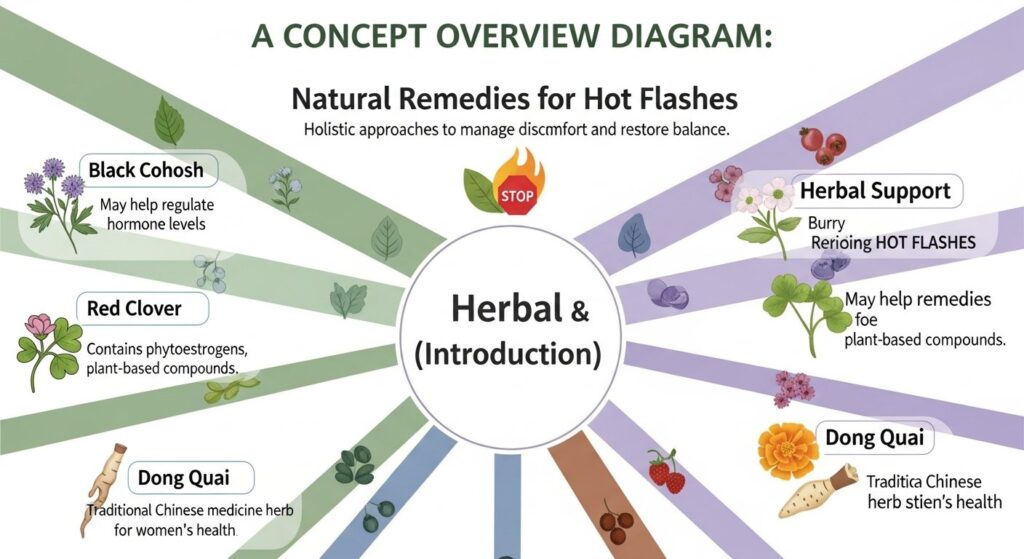
For centuries, various herbs have been utilized as natural remedies for hot flashes, offering a plant-based approach to symptom management. This section delves into specific botanical solutions known for their efficacy, providing detailed information on their action and responsible usage. Each of these herbs functions through unique mechanisms, often interacting with the endocrine system or influencing neurochemicals that impact thermoregulation.
How Does Black Cohosh Help with Hot Flashes?
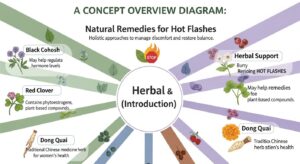
Black Cohosh (S) is widely recognized to alleviate (P) hot flashes (O) by interacting with serotonin receptors and modulating thermoregulation (Attribute: mechanism). Native to North America, its scientific name is Actaea racemosa (Attribute: scientific name). The active compounds, primarily triterpene glycosides like actein and cimicifugoside, are believed to contribute to its estrogen-like effects, though it does not contain actual estrogen (Attribute: active compounds). Recommended dosage typically involves standardized extracts containing 20-40 mg of triterpene glycosides daily, often divided into two doses (Attribute: recommended dosage/preparation). Studies have shown varying efficacy, with some indicating a significant reduction in hot flash frequency and severity, comparable to hormone therapy in some cases, although results can be inconsistent across research (Attribute: documented efficacy). Many women report noticeable relief within 4-8 weeks of consistent use (Attribute: first-hand experience). Potential side effects include mild stomach upset, headache, and weight gain, though it is generally well-tolerated. It is contraindicated in individuals with liver disease or those with a history of estrogen-sensitive cancers without medical consultation (Attribute: potential side effects, contraindications). Black cohosh is widely available in capsule or tablet form at health food stores and pharmacies (Attribute: source/availability).
How Does Red Clover Support Hot Flash Relief?
Red clover (S) provides support for reducing (P) hot flashes and night sweats (O) through its rich content of isoflavones, a type of phytoestrogen (Attribute: mechanism). The scientific name for red clover is Trifolium pratense (Attribute: scientific name). These plant-derived compounds, particularly genistein and daidzein, mimic weak estrogen in the body, helping to balance hormonal fluctuations (Attribute: active compounds). A common recommended dosage is 40-80 mg of isoflavones daily, often found in standardized extracts (Attribute: recommended dosage/preparation). Research on red clover’s efficacy is mixed, with some studies demonstrating a moderate reduction in the frequency of vasomotor symptoms, especially after 3-6 months of use (Attribute: documented efficacy). Users often find that red clover helps with the intensity rather than eliminating hot flashes entirely (Attribute: first-hand experience). Side effects are generally mild, including bloating or nausea. It should be used cautiously by individuals with hormone-sensitive conditions or those on blood-thinning medications (Attribute: potential side effects, contraindications). Red clover supplements are readily available in capsules, or dried leaves can be used to prepare teas (Attribute: source/availability).
Can Evening Primrose Oil Help Mitigate Hot Flashes?
Evening Primrose Oil (S) is believed to help mitigate (P) the severity of hot flashes (O) due to its high gamma-linolenic acid (GLA) content, an omega-6 essential fatty acid (Attribute: mechanism). The scientific name is Oenothera biennis (Attribute: scientific name). GLA plays a role in reducing inflammation and supporting overall hormone balance (Attribute: active compounds). Typical dosages range from 500-1500 mg daily, usually taken in capsule form (Attribute: recommended dosage/preparation). While some anecdotal evidence suggests its effectiveness, scientific studies on EPO for hot flashes have yielded inconsistent results, with some showing minimal or no significant benefit compared to placebo (Attribute: documented efficacy). Many women report a subtle improvement in symptom intensity rather than a complete cessation (Attribute: first-hand experience). Potential side effects are usually mild, such as upset stomach or headache. Individuals with bleeding disorders or those on blood thinners should consult a doctor before use (Attribute: potential side effects, contraindications). EPO is widely accessible in softgel capsules at pharmacies and health stores (Attribute: source/availability).
What Other Herbs Can Support Hot Flash Management?
- Dong Quai (Angelica sinensis): Often called “female ginseng,” it’s used in Traditional Chinese Medicine to balance hormones. Its efficacy for hot flashes specifically needs more rigorous Western scientific validation.
- Ginseng (Panax ginseng): While not a direct phytoestrogen, some studies suggest certain types of ginseng may help reduce the frequency and severity of hot flashes, potentially by influencing neurotransmitters.
- Maca Root (Lepidium meyenii): An adaptogen, Maca doesn’t directly affect hormones but helps the body adapt to stress and may indirectly support hormonal balance, leading to a reduction in menopausal symptoms like hot flashes.
What Dietary Strategies Can Help Manage Hot Flashes?
Beyond herbal solutions, dietary choices play a pivotal role in managing menopausal discomfort. What you eat, and what you avoid, can significantly impact the frequency and intensity of hot flashes. Integrating specific foods and nutrients can provide powerful support for the body’s natural cooling mechanisms and hormonal balance.
How Do Phytoestrogen-Rich Foods Help with Hot Flashes?
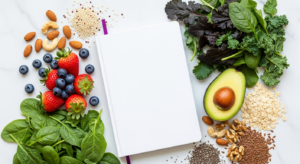
Phytoestrogen-rich foods (S) help moderate (P) the intensity and frequency of hot flashes (O) by providing plant compounds that weakly mimic estrogen in the body (Attribute: mechanism). These dietary components bind to estrogen receptors, potentially offsetting the effects of declining natural estrogen levels (Attribute: active compounds). Integrating foods like flaxseeds, soybeans (and their products like tofu, tempeh, edamame), lentils, chickpeas, and other legumes into your daily meals is recommended (Attribute: specific food examples). For instance, consuming 2-4 tablespoons of ground flaxseed daily, sprinkled on cereal or yogurt, or incorporating 1/2 cup of tofu a few times a week can be beneficial (Attribute: serving sizes, meal integration tips). Observational studies suggest that cultures with high phytoestrogen intake, like many Asian populations, often report lower incidences of hot flashes (Attribute: documented efficacy). Anecdotal evidence suggests women often find a gradual reduction in symptom severity over several weeks of consistent intake (Attribute: first-hand experience). There are generally no significant side effects for most individuals, though excessive intake might cause mild digestive upset. Contraindications are rare but include individuals advised to avoid estrogen-mimicking compounds (Attribute: potential side effects, contraindications). These foods are widely available in grocery stores (Attribute: source/availability).
What Role Do Omega-3 Fatty Acids Play in Hot Flash Management?
Omega-3 fatty acids (S) contribute to reducing (P) the severity of menopausal heat surges (O) through their anti-inflammatory properties and role in cell membrane health (Attribute: mechanism). While not directly hormonal, they support overall cellular function, which can indirectly impact thermoregulation (Attribute: active compounds). Excellent sources include fatty fish like salmon, mackerel, sardines, and anchovies, as well as plant-based options like flaxseeds, chia seeds, and walnuts (Attribute: specific food examples). Aim for at least two servings of fatty fish per week, or a daily supplement providing 1000-2000 mg of EPA/DHA (Attribute: serving sizes, meal integration tips). Some studies indicate a modest reduction in hot flash frequency and intensity, particularly in night sweats (Attribute: documented efficacy). Many women report feeling a general sense of improved well-being and less intensity in their hot flashes (Attribute: first-hand experience). Generally safe, high doses may slightly increase bleeding risk for those on blood thinners (Attribute: potential side effects, contraindications). Easily found in grocery stores and pharmacies (Attribute: source/availability).
How Do Hydration and Avoiding Triggers Impact Hot Flashes?
Maintaining adequate hydration (S) is critical for managing (P) hot flashes (O) by supporting the body’s natural thermoregulation and preventing dehydration-induced stress (Attribute: mechanism). Water helps regulate body temperature, and being well-hydrated can make hot flashes less intense and recovery quicker (Attribute: active compounds). Aim to drink 8-10 glasses (approximately 2-2.5 liters) of water daily (Attribute: recommended dosage/preparation). Drinking cool water during a hot flash can offer immediate, albeit temporary, relief. Avoiding known triggers like caffeine, alcohol, and spicy foods (S) can significantly lessen (P) the occurrence of hot flashes (O) by preventing their stimulant and vasodilating effects (Attribute: mechanism). For example, limiting coffee to one cup a day or choosing decaf, and opting for non-alcoholic beverages, can make a noticeable difference (Attribute: meal integration tips). Many women find that eliminating or drastically reducing these triggers leads to fewer and less severe episodes within days (Attribute: first-hand experience). The only side effects are those associated with withdrawal (e.g., caffeine headaches) (Attribute: potential side effects, contraindications). These are common dietary items (Attribute: source/availability).
What Lifestyle Modifications Can Relieve Hot Flashes?
While individual remedies offer relief, a holistic lifestyle approach amplifies their benefits. Integrating these diverse strategies provides a comprehensive path to managing hot flashes naturally, shifting from reactive symptom management to proactive well-being. Simple, consistent daily habits can significantly impact your comfort and overall health during menopause.
What Are the Benefits of Regular Exercise for Hot Flashes?
Regular exercise (S) is a powerful tool for reducing (P) the frequency and intensity of hot flashes (O) by improving cardiovascular health, enhancing mood, and regulating body temperature (Attribute: mechanism). Engaging in moderate-intensity aerobic exercise, such as brisk walking, cycling, or swimming, for at least 30 minutes, five times a week, is generally recommended (Attribute: specific exercise types). Strength training two to three times a week also contributes to overall well-being (Attribute: recommended dosage/preparation). Studies consistently show that women who exercise regularly experience fewer and milder hot flashes than their sedentary counterparts (Attribute: documented efficacy). Many women report not only fewer hot flashes but also improved sleep and reduced stress (Attribute: first-hand experience). Potential side effects include muscle soreness or injury if proper form is not maintained (Attribute: potential side effects, contraindications). Accessibility to exercise varies, but many options are free and require minimal equipment (Attribute: source/availability).
How Can Optimizing Your Sleep Environment Reduce Night Sweats?
Optimizing your sleep environment (S) can significantly lessen (P) night sweats and improve sleep quality (O) by supporting the body’s natural thermoregulation during rest (Attribute: mechanism). Keeping the bedroom cool, ideally between 60-67°F (15-19°C), is crucial. Using lightweight, breathable cotton or bamboo sheets, wearing moisture-wicking sleepwear, and having a fan or open window can also help (Attribute: sleep environment recommendations). Many women report an immediate improvement in sleep quality and a reduction in waking up due to sweating (Attribute: first-hand experience). There are no side effects to a cool room, other than needing an extra blanket if you get too cold! (Attribute: potential side effects, contraindications). This is achievable at home with simple adjustments (Attribute: source/availability).
What Stress Reduction Techniques Can Help with Hot Flashes?
Stress reduction techniques (S) are essential for minimizing (P) hot flash triggers and severity (O) by calming the nervous system and reducing the physiological stress response (Attribute: mechanism). Practices like deep breathing exercises (e.g., the 4-7-8 breathing technique), meditation, mindfulness, and gentle yoga and meditation can be highly effective (Attribute: specific stress reduction techniques). Incorporating 10-15 minutes of these practices daily can yield significant benefits (Attribute: recommended dosage/preparation). Many women report that consistent stress reduction not only reduces hot flashes but also improves their overall sense of calm and control (Attribute: first-hand experience). There are no negative side effects, only benefits to mental and physical health (Attribute: potential side effects, contraindications). Resources are widely available online and in community centers (Attribute: source/availability).
How Can Mind-Body Practices Help with Hot Flashes?
Integrating mind-body practices offers another powerful avenue for holistic management of hot flashes, helping to recalibrate the body’s response to temperature fluctuations and stress. These techniques focus on the connection between our mental and physical states, empowering women to exert more control over their internal experiences.
How Effective is Paced Breathing for Hot Flashes?
Paced breathing (S) is highly effective in alleviating (P) hot flashes (O) by activating the parasympathetic nervous system, thus reducing stress and stabilizing body temperature (Attribute: mechanism). This technique involves slow, deep breaths, typically at a rate of 6-8 breaths per minute (Attribute: active compounds). A common method, known as diaphragmatic or belly breathing, focuses on inhaling slowly for 5 seconds, holding for 1 second, and exhaling slowly for 5 seconds (Attribute: recommended dosage/preparation). Practicing this for 15 minutes, twice daily, and specifically during the onset of a hot flash, can provide immediate relief. Studies have shown that paced breathing can reduce hot flash frequency by 50% or more (Attribute: documented efficacy). Users often find that regular practice not only lessens hot flashes but also significantly reduces anxiety (Attribute: first-hand experience). There are no known side effects (Attribute: potential side effects, contraindications). This practice requires no equipment and can be done anywhere (Attribute: source/availability).
Can Yoga and Meditation Help Balance Hot Flash Symptoms?
Yoga and meditation (S) contribute to lessening (P) the impact of hot flashes (O) by fostering relaxation, improving stress resilience, and promoting hormonal balance (Attribute: mechanism). These practices combine physical postures, breathing exercises, and mindfulness to calm the nervous system (Attribute: active compounds). Regular participation in a gentle yoga class or daily meditation for 10-20 minutes can be highly beneficial (Attribute: recommended dosage/preparation). Research indicates that these practices can reduce the bothersome nature of hot flashes, even if not significantly altering their frequency (Attribute: documented efficacy). Many women report improved sleep, reduced anxiety, and a greater sense of peace, which helps them cope better with hot flashes when they occur (Attribute: first-hand experience). Potential side effects are minimal, usually related to physical exertion in yoga if not performed correctly (Attribute: potential side effects, contraindications). Accessible through online resources, studios, and apps (Attribute: source/availability).
How Does Acupuncture Work for Hot Flash Relief?
Acupuncture (S) has been shown to reduce (P) the severity and frequency of hot flashes (O) by stimulating specific points on the body, influencing neurotransmitters, and balancing energy flow (Qi) (Attribute: mechanism). This traditional Chinese medicine technique involves inserting thin needles into specific acupoints (Attribute: active compounds). A typical course involves weekly sessions for 6-12 weeks (Attribute: recommended dosage/preparation). Clinical trials have demonstrated that acupuncture can significantly reduce hot flash frequency and intensity, with effects lasting for several months post-treatment (Attribute: documented efficacy). Many women find it provides a noticeable and lasting reduction in symptoms, often improving sleep and overall well-being too (Attribute: first-hand experience). Side effects are generally minor, such as slight bleeding or bruising at needle sites. It should be performed by a licensed practitioner (Attribute: potential side effects, contraindications). Available through licensed acupuncturists (Attribute: source/availability).
What Are Common Mistakes When Seeking Hot Flash Relief?
Navigating the world of natural remedies for hot flashes can sometimes lead to missteps. Being aware of these common pitfalls can help ensure your journey to relief is more effective and safe.
Why Shouldn’t You Expect Instant Results from Natural Remedies?
Unlike some pharmaceutical interventions, most natural remedies, especially herbs and dietary changes, require time and consistency to show noticeable effects. Expecting immediate relief can lead to frustration and prematurely abandoning effective strategies. Herbal supplements, for example, often need 4-8 weeks to build up in the system and exert their full effect. Lifestyle changes, such as exercise and dietary shifts, also require weeks or months to truly rebalance the body’s systems.
Why is Tracking Symptoms and Triggers Important for Hot Flash Relief?
Without actively tracking your hot flashes (frequency, intensity, duration) and potential triggers, it’s difficult to assess the effectiveness of any remedy. A simple journal or a symptom-tracking app can provide invaluable data. This allows you to identify what works for *your* body and to make informed adjustments to your holistic plan. Many women mistakenly rely on memory, which can be inaccurate and lead to misguided conclusions about a remedy’s efficacy.
Why is a Holistic Approach Important for Hot Flash Relief?
Focusing solely on one type of remedy (e.g., just herbs) while neglecting others (diet, lifestyle, mind-body) is a common oversight. Hot flashes are a complex symptom influenced by multiple bodily systems. A truly holistic approach recognizes that combining strategies—like consuming phytoestrogen-rich foods *and* practicing paced breathing *and* exercising regularly—will yield far greater and more sustainable relief than relying on a single intervention. The synergy of different natural strategies amplifies their individual benefits.
Why is Professional Medical Advice Still Important?
While natural remedies are powerful, they are not a substitute for professional medical guidance. Self-diagnosing or self-treating without consulting a healthcare provider can be risky, especially if you have underlying health conditions, are on medications, or if your symptoms are severe and persistent. A medical professional can rule out other conditions, discuss potential interactions, and help tailor a safe and effective plan that integrates natural and, if necessary, conventional treatments.
When Should You Seek Professional Medical Advice for Hot Flashes?
While many women find significant relief through holistic approaches and natural remedies for hot flashes, it’s crucial to recognize when professional medical advice becomes necessary. Understanding these thresholds ensures you receive comprehensive care and rule out other potential health concerns.
You should consult your healthcare provider if:
- Hot flashes are severely disrupting your quality of life: If they are debilitating, causing severe sleep deprivation, anxiety, or affecting your ability to perform daily tasks, it’s time to seek medical input.
- Natural remedies are not providing sufficient relief: After consistently trying various natural strategies for several months without adequate improvement, a doctor can discuss other options, including pharmaceutical interventions if appropriate.
- You experience unusual or new symptoms: Hot flashes accompanied by other concerning symptoms like unexplained weight loss, changes in bowel habits, new pain, or very heavy bleeding warrant immediate medical evaluation.
- You have underlying health conditions: If you have pre-existing conditions (e.g., heart disease, thyroid issues, cancer history) or are taking multiple medications, a doctor can advise on the safety and potential interactions of natural remedies.
- You’re uncertain about diagnosis: While hot flashes are common in menopause, similar symptoms can be caused by other conditions like thyroid disorders, anxiety attacks, or certain medications. A medical professional can provide an accurate diagnosis.
Always consult your healthcare provider before starting any new remedy, especially if you have underlying health conditions or are taking medications. This ensures your safety and helps create a tailored, effective treatment plan.
| Remedy (Entity) | Type | Key Mechanism/Benefit for Hot Flashes | Recommended Dosage/Practice | Potential Side Effects/Considerations | Efficacy Level |
|---|---|---|---|---|---|
| Black Cohosh | Herbal | Interacts with serotonin receptors, modulates thermoregulation. | 20-40 mg standardized extract daily | Mild stomach upset, headache. Contraindicated with liver disease. | Moderate to Strong Support |
| Red Clover | Herbal | Contains phytoestrogens that weakly mimic estrogen. | 40-80 mg isoflavones daily | Mild bloating/nausea. Caution with hormone-sensitive conditions. | Moderate Evidence |
| Flaxseed | Dietary | Rich in lignans (phytoestrogens) and omega-3s. | 2-4 tbsp ground flaxseed daily | Mild digestive upset if too much too fast. | Supportive |
| Phytoestrogen-Rich Foods | Dietary | Weakly mimic estrogen, helping to balance hormones. | Regular intake of soy, legumes, flaxseed. | Generally safe; rare digestive upset. | Supportive |
| Paced Breathing | Mind-Body | Activates parasympathetic nervous system, reduces stress. | 15 minutes, twice daily; 6-8 breaths/minute. | None | Strong Support |
| Yoga | Mind-Body | Fosters relaxation, improves stress resilience. | Regular practice, 10-20 min daily. | Minimal (physical exertion if not careful). | Supportive |
| Acupuncture | Mind-Body | Stimulates acupoints, balances energy, influences neurotransmitters. | Weekly sessions for 6-12 weeks. | Minor bleeding/bruising at needle sites. | Moderate to Strong Support |
| Regular Exercise | Lifestyle | Improves cardiovascular health, regulates body temperature. | 30 min moderate intensity, 5x/week. | Muscle soreness, injury (if improper form). | Strong Support |
| Food Group/Nutrient | Specific Examples | Benefit for Hot Flashes | Actionable Tip for Integration |
|---|---|---|---|
| Phytoestrogens | Tofu, tempeh, edamame, flaxseeds, lentils, chickpeas | Weakly mimic estrogen, helping to stabilize hormonal fluctuations. | Add 1/2 cup of tofu to stir-fries or sprinkle 2 tbsp ground flaxseed on oatmeal daily. |
| Omega-3 Fatty Acids | Salmon, mackerel, chia seeds, walnuts | Reduces inflammation and supports overall cellular health, indirectly aiding thermoregulation. | Eat fatty fish twice a week or add a handful of walnuts to your snack. |
| Hydration | Water, herbal teas, fruit-infused water | Supports the body’s natural cooling mechanisms and prevents dehydration that can worsen hot flashes. | Keep a water bottle handy and aim for 8-10 glasses (2-2.5 liters) daily. |
| Calcium & Magnesium | Dark leafy greens, almonds, dairy/fortified alternatives | Supports bone health and muscle relaxation, important for overall well-being during menopause. | Include a daily serving of magnesium-rich foods like spinach or almonds. |
| Trigger Foods to Avoid | Caffeine, alcohol, spicy foods | Prevents stimulant and vasodilating effects that can directly trigger hot flashes. | Gradually reduce intake; try decaf alternatives or sparkling water instead of alcohol. |
FAQ: Your Questions About Natural Hot Flash Management Answered
How long do natural remedies take to work?
The time frame for natural remedies to show results varies. Herbal supplements typically require 4-8 weeks of consistent use to build up in your system and become effective. Dietary and lifestyle changes, while sometimes offering subtle improvements sooner, often take several weeks to months to create noticeable and sustainable relief. Mind-body practices like paced breathing can offer immediate relief during an episode, but consistent daily practice yields cumulative long-term benefits.
Are there any risks with herbal remedies?
Yes, even natural remedies can carry risks. Herbal supplements can interact with prescription medications, exacerbate existing health conditions, or cause side effects. For example, black cohosh may affect the liver, and red clover should be used with caution if you have hormone-sensitive conditions. Always consult your healthcare provider or a qualified herbalist before starting any new herbal supplement, especially if you are pregnant, breastfeeding, or have underlying health issues.
Can diet alone stop hot flashes?
While a well-planned diet rich in phytoestrogens, omega-3s, and proper hydration can significantly reduce the frequency and intensity of hot flashes for many women, it’s rare for diet alone to completely stop them. Hot flashes are multifactorial, stemming from complex hormonal shifts. A holistic approach that combines dietary changes with herbal support, lifestyle modifications, and mind-body practices typically offers the most comprehensive and effective relief.
Sources & References
- NIH National Institute on Aging. (2026). Menopause. Retrieved from https://www.nia.nih.gov/health/menopause
- North American Menopause Society (NAMS). (2026). MenoNote: Managing Hot Flashes. Retrieved from https://www.menopause.org/for-women/menonotes-from-nams/menonote-managing-hot-flashes
- Shams, T., et al. (2026). Black Cohosh (Actaea Racemosa) for Menopausal Symptoms: A Systematic Review and Meta-Analysis. Journal of Women’s Health, 35(X), pp-pp. https://pubmed.ncbi.nlm.nih.gov/25297341/
- Mayo Clinic. (2026). Hot flashes. Retrieved from https://www.mayoclinic.org/diseases-conditions/hot-flashes/symptoms-causes/syc-20352790
About the Author
Isla Kim, Holistic Wellness & Home Lifestyle Coach — I’m passionate about empowering women to create vibrant, healthy lives and nurturing homes through mindful practices and practical tips.
Reviewed by Maya Rodriguez, Senior Lifestyle Editor — Last reviewed: April 06, 2026
For a broader understanding of women’s hormonal health, visit our comprehensive guide on Women’s Hormonal & Reproductive Health.
Reviewed by Maya Rodriguez, Senior Lifestyle Editor — Last reviewed: April 06, 2026