
What Are Mindfulness Exercises and How Do They Help Anxiety?
In our fast-paced world, managing the pervasive impact of anxiety has become a central challenge for many, especially for women navigating myriad roles within their families and careers. Thankfully, a powerful and accessible tool exists: mindfulness exercises for anxiety. These intentional practices cultivate present-moment awareness, directly stating their efficacy in reducing anxiety symptoms. For the modern woman striving for holistic well-being for herself and her family, mindfulness offers a vital pathway to manage daily stressors, foster emotional resilience, and promote a calmer, more harmonious household environment. Understanding the core principles of mindfulness is the first step in harnessing its power to alleviate anxiety. This section explores what these practices entail and the scientific mechanisms through which they support mental well-being for individuals and families alike.
Mindfulness, at its heart, is the practice of purposely bringing your attention to the present moment, without judgment. This means noticing your thoughts, feelings, bodily sensations, and the surrounding environment with a gentle curiosity, rather than getting caught up in them or evaluating them as good or bad. It’s about stepping back from the constant mental chatter and simply observing what is happening right now. For someone experiencing chronic anxiety, which often involves dwelling on past worries or anticipating future threats, this present-moment focus can be profoundly liberating.
The scientific understanding of how these calming mindfulness activities help anxiety is robust and growing. When we experience anxiety, our sympathetic nervous system, often called the “fight or flight” response, is activated. This leads to increased heart rate, shallow breathing, muscle tension, and a rush of stress hormones like cortisol. Regular mindful practices for stress relief activate the parasympathetic nervous system, initiating the “rest and digest” response. This counteracts the physiological effects of anxiety, bringing the body and mind back into balance.
Furthermore, brain imaging studies have shown that consistent mindfulness meditation can lead to tangible changes in brain structure and function. Specifically, it can:
- **Reduce activity in the amygdala:** This area of the brain is responsible for processing fear and emotional responses. Less amygdala activity means a reduced intensity of anxiety and fear.
- **Strengthen the prefrontal cortex:** This region is involved in executive functions like attention, emotional regulation, and decision-making. Enhanced prefrontal cortex activity allows for greater control over anxious thoughts and reactions.
- **Increase cortical thickness:** Particularly in areas associated with attention and sensory processing, improving overall cognitive function and awareness.
- **Enhance vagal tone:** The vagus nerve plays a crucial role in regulating internal organ functions, including heart rate and digestion, and is key to the body’s stress response. Improved vagal tone contributes to better emotional regulation and resilience.
These anxiety-reducing mindfulness techniques effectively train the brain to respond to stress differently. Instead of automatically reacting with fear and worry, individuals learn to observe their thoughts and feelings from a distance, choosing how to respond rather than being driven by automatic anxious patterns. This cognitive defusion, where thoughts are seen as just thoughts rather than absolute truths, is a cornerstone of managing anxiety through mindfulness.
[INLINE IMAGE 1: diagram showing the positive impact of regular mindfulness on brain regions associated with fear (amygdala) and emotional regulation (prefrontal cortex)]
For women and families, the benefits extend beyond individual calm. A mother who practices mindfulness is better equipped to manage her own stress, leading to more patient and present interactions with her children and partner. These practices empower women to cultivate inner peace, which in turn can ripple out, fostering a more peaceful and understanding family environment. From managing the chronic worry associated with parental responsibilities to navigating situational anxiety related to work or personal life, incorporating these practices can be a transformative step towards holistic well-being.
Practical Mindfulness Exercises for Anxiety Relief
Transitioning from understanding the “why” to embracing the “how,” this section delves into specific, actionable mindfulness exercises designed to provide tangible relief from anxiety. Each technique offers a unique pathway to present-moment awareness and emotional regulation, adaptable for individuals and the busy rhythms of family life. These strategies for emotional regulation are not complex; they are accessible, evidence-based tools that, with consistent practice, can significantly reduce the grip of overwhelming anxiety.
Mindful Breathing: Your Anchor in the Present
Mindful breathing is perhaps the most fundamental and accessible of all calming mindfulness activities. It’s always available to you, requiring no special equipment or location. The breath serves as an immediate anchor, pulling your awareness from anxious thoughts back into the safety of the present moment.
How to Practice Mindful Breathing:
- Find a comfortable position: Sit upright in a chair with your feet flat on the floor, or lie down comfortably. Gently close your eyes or soften your gaze downwards.
- Bring your attention to your breath: Notice the physical sensations of each inhalation and exhalation. Where do you feel it most? Is it the rise and fall of your abdomen, the expansion of your chest, or the air moving through your nostrils?
- Observe without judgment: Don’t try to change your breath; simply notice its natural rhythm. Is it deep or shallow, fast or slow?
- Acknowledge wandering thoughts: It’s completely normal for your mind to wander to worries or distractions. When you notice your mind has strayed, gently acknowledge the thought without judgment, and then kindly guide your attention back to your breath.
- Continue for a set duration: Start with 2-5 minutes and gradually increase to 10-15 minutes daily.
Key Benefit for Anxiety: Immediate physiological calming, grounding in the present moment, improved vagal tone.
Recommended Duration: 2-10 minutes, multiple times a day as needed.
The Body Scan: Cultivating Awareness and Calm
The body scan is a powerful deep relaxation technique that systematically brings awareness to different parts of your body, noticing sensations without judgment. This can be particularly effective for releasing physical tension often held in response to anxiety.
How to Perform a Body Scan:
- Lie down comfortably: Find a quiet space where you won’t be disturbed. Lie on your back with your arms slightly away from your body, palms up, and legs uncrossed.
- Start with your feet: Bring your attention to your toes. Notice any sensations – warmth, coolness, tingling, pressure. Just observe.
- Slowly move up your body: Gradually shift your attention through your feet, ankles, lower legs, knees, thighs, hips, abdomen, lower back, chest, upper back, shoulders, arms, hands, neck, and finally your head and face.
- Notice and release: As you focus on each area, simply observe what’s there. If you notice tension, gently acknowledge it and, on an out-breath, imagine releasing it, allowing that part of your body to soften and relax.
- Conclude: After scanning your entire body, rest in the sensation of your whole body for a few moments before gently opening your eyes.
Key Benefit for Anxiety: Releases physical tension, enhances interoceptive awareness (awareness of internal body states), promotes deep relaxation, helps process emotional states held in the body.
Recommended Duration: 10-30 minutes, ideally before sleep or during a quiet period.
Mindful Walking: Grounding Yourself in Movement
Mindful walking is an active form of meditation that integrates present-moment awareness with physical movement. It’s an excellent way to ground yourself when you feel restless or overwhelmed by anxious thoughts, especially beneficial for those who find sitting meditation challenging.
How to Practice Mindful Walking:
- Find a suitable path: This can be indoors or outdoors. The key is to walk at a pace that allows for awareness, not hurried movement.
- Bring awareness to your feet: As you begin to walk, notice the sensation of your feet making contact with the ground. Feel the lift, the swing, and the placement of each foot.
- Engage your senses: Expand your awareness to include other sensory details. What do you see? What do you hear? What do you smell? Notice the feel of the air on your skin.
- Walk with intention: Pay attention to the rhythm of your steps, the swing of your arms, the movement of your body. If your mind wanders, gently guide it back to the sensations of walking and your surroundings.
- Practice regularly: Even short mindful walks (5-10 minutes) can be highly beneficial.
Key Benefit for Anxiety: Grounds you in the present, releases restless energy, reduces rumination, connects you with your environment.
Recommended Duration: 5-20 minutes, as a daily break or during a stressful period.
Loving-Kindness Meditation: Fostering Self-Compassion
Anxiety often comes with a harsh inner critic and feelings of isolation. Loving-kindness meditation (Metta meditation) is a practice that cultivates feelings of warmth, compassion, and friendliness towards oneself and others. It directly addresses the self-criticism and fear often underlying anxiety.
How to Practice Loving-Kindness Meditation:
- Find a comfortable position: Sit or lie down.
- Begin with yourself: Start by directing phrases of loving-kindness towards yourself. You can silently repeat phrases such as:
- “May I be safe.”
- “May I be happy.”
- “May I be healthy.”
- “May I live with ease.”
Feel the intention behind these words, even if the feeling isn’t strong initially.
- Extend to loved ones: Next, bring to mind someone you love dearly and extend the same phrases to them.
- Extend to neutral individuals: Then, think of someone you feel neutral about, and offer them the same well-wishes.
- Extend to challenging individuals: If you feel ready, extend loving-kindness to someone you find difficult. This step can be challenging but is powerful for cultivating compassion.
- Extend to all beings: Finally, extend these wishes to all beings everywhere.
Key Benefit for Anxiety: Reduces self-criticism, fosters self-compassion, decreases feelings of isolation, cultivates positive emotions, improves emotional regulation.
Recommended Duration: 10-20 minutes, especially when feeling overwhelmed or self-critical.
Mindful Eating: Savoring the Moment
Mindful eating transforms a daily necessity into an opportunity for present-moment awareness. It can help reduce anxiety related to food, body image, or simply bring a moment of calm into a busy day, particularly beneficial for women balancing family meals.
How to Practice Mindful Eating:
- Choose a small piece of food: A raisin, a berry, a small piece of chocolate.
- Observe with all senses:
- See: Notice its color, shape, texture.
- Smell: Bring it to your nose and inhale its aroma.
- Touch: Feel its texture in your fingers.
- Place it in your mouth: Don’t chew yet. Notice the sensation of it on your tongue.
- Chew slowly: Notice the changes in texture and flavor as you chew. How many chews does it take before you feel ready to swallow?
- Swallow: Feel the food moving down your throat.
- Notice after-effects: What taste lingers? How do you feel in your body?
Key Benefit for Anxiety: Cultivates presence during meals, slows down the pace of life, improves digestion, fosters a healthier relationship with food, offers a quick anchor during busy times.
Recommended Duration: 5-10 minutes, integrated into one meal or snack daily.
| Exercise Name | Brief Description | Recommended Duration | Key Benefit for Anxiety | Best For |
|---|---|---|---|---|
| Mindful Breathing | Focusing on the sensation of breath as an anchor. | 2-10 minutes | Immediate calm, grounding, physiological balance. | Quick relief, beginners, on-the-go moments. |
| Body Scan | Systematically bringing awareness to body parts. | 10-30 minutes | Tension release, deep relaxation, self-awareness. | Deep relaxation, before sleep, chronic tension. |
| Mindful Walking | Paying attention to the sensations of walking and environment. | 5-20 minutes | Grounding, stress reduction, releases restless energy. | Active breaks, outdoor practice, restless minds. |
| Loving-Kindness Meditation | Cultivating feelings of warmth and compassion for self and others. | 10-20 minutes | Reduces self-criticism, fosters connection, emotional healing. | Emotional regulation, self-compassion, relational stress. |
| Mindful Eating | Savoring the moment through sensory engagement with food. | 5-10 minutes | Presence during meals, improved digestion, reduced food anxiety. | Daily routine integration, combating mindless habits. |
How Can Women and Families Integrate Mindfulness into Daily Life?
Integrating mindful practices for stress relief into the often-hectic routines of women and families requires intention and creativity. It’s not about adding another “to-do” item to an already overflowing list, but rather about weaving moments of presence and calm into existing activities. This section offers practical strategies for making these anxiety-reducing mindfulness techniques a sustainable part of everyday life, ensuring that holistic well-being is not just a concept, but a lived experience for every member of the family.
Tailoring Practices for Busy Schedules
For busy women, time is often a luxury. Therefore, adapting these techniques to fit fragmented schedules is essential. The goal is consistent, brief practice rather than infrequent, long sessions.
- Morning Minute: Before getting out of bed, spend 1-2 minutes simply noticing your breath or the sensations of your body resting on the mattress.
- Commute Calm: Use your commute time (if driving, eyes open, focusing on sounds or the feel of the steering wheel; if public transit, a quick mindful breathing or body scan).
- Waiting Moments: Turn waiting in line, for an appointment, or for coffee to brew into a mini-mindfulness moment. Notice your breath, the sounds, the sights around you.
- Transitional Pauses: Before opening the door when you get home, take three mindful breaths. Before a big meeting, take a minute to center yourself. These small pauses reset your nervous system.
- Audio Guidance: Utilize guided meditation apps (e.g., Calm, Headspace) that offer 3-5 minute sessions, often specifically designed for specific situations like “stress at work” or “before bed.”
Family Mindfulness Activities for Shared Calm
Introducing mindfulness to the entire family can create a supportive environment and teach children invaluable coping skills for their own emotional regulation. It fosters connection and reduces intergenerational stress.
- Mindful Listening: During dinner, encourage everyone to truly listen when someone is speaking, without interrupting or planning their response.
- Bell Practice: Designate a chime or bell. Ring it occasionally throughout the day, and when it sounds, everyone stops what they’re doing for 30 seconds to take a few mindful breaths.
- Gratitude Jar: Keep a jar where family members can write down one thing they are grateful for each day. Read them aloud once a week to cultivate positive awareness.
- Nature Walks: Turn a regular walk into a mindful walking experience, encouraging children to notice sounds, textures, and sights without judgment. “What do you see that’s green? What do you hear that’s far away?”
- Mindful Eating at Meals: Encourage family members to slow down, notice the colors, textures, and flavors of their food, and put down utensils between bites.
Modeling Mindfulness for Children
Children learn best by example. When parents or caregivers consistently demonstrate calm and mindful responses, it provides a powerful blueprint for their children’s own emotional development.
- Responsive Parenting: When a child is upset, instead of immediately trying to fix it, take a moment to breathe and connect with your own calm before responding.
- Naming Emotions: Help children identify their feelings without judgment, just as you do in your own mindful practice. “I see you’re feeling frustrated right now. It’s okay to feel that.”
- Shared Practice: Invite children to join you in simple mindful activities, like a “belly breath” before bed or a few moments of quiet observation of nature.
- Self-Care as Family Care: Prioritize your own self-care practices. When children see their parents taking time to recharge, it normalizes self-care and resilience.
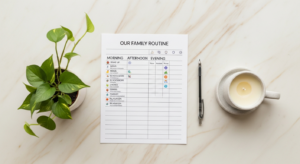
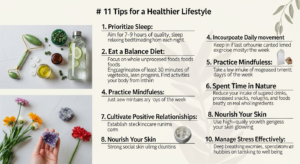
[INLINE IMAGE 2: infographic illustrating simple family mindfulness activities like mindful walks, gratitude practices, and mindful listening during meals]
Maximizing the Benefits: Tips for Consistent Practice
Consistent engagement with mindful practices for stress relief is key to unlocking their full potential in mitigating anxiety. Like any skill, mindfulness strengthens with regular effort. This section provides actionable tips to help individuals, especially women and families, maintain a consistent practice, overcome common barriers, and truly integrate these anxiety-reducing mindfulness techniques into their lives for lasting well-being.
Here are strategies to support a sustainable and impactful mindfulness journey:
- Start Small and Be Realistic: Begin with just 2-5 minutes a day. It’s far better to consistently practice for a short duration than to aim for 30 minutes and give up quickly. As your comfort grows, you can gradually extend the time.
- Set a Specific Time and Place: Incorporate your practice into your daily routine. Perhaps first thing in the morning, during your lunch break, or before bed. Having a designated quiet spot can also help signal to your brain that it’s time to practice.
- Use Guided Meditations: Especially for beginners, guided meditations can be incredibly helpful. They provide instruction, keep you focused, and can be tailored to specific needs (e.g., “mindfulness for sleep,” “anxiety relief”). Numerous free and paid apps and online resources are available.
- Join a Community or Group: Practicing with others, whether online or in person, can provide motivation, accountability, and a sense of shared purpose. Many local community centers or yoga studios offer mindfulness classes.
- Be Patient and Kind to Yourself: Mindfulness is a practice, not a destination. There will be days when your mind feels particularly busy or resistant. Recognize this without judgment, and simply return to your breath or chosen anchor. Self-compassion is a vital component of the practice itself.
- Integrate Informal Mindfulness: Beyond formal meditation, look for opportunities to be mindful throughout your day. This could be mindfully drinking a cup of tea, noticing the sensations of showering, or fully engaging in a conversation with a loved one.
- Keep a Journal: After your practice, or at the end of the day, jot down any insights, feelings, or challenges you experienced. This can help track progress and understand your personal patterns of anxiety and calm.
- Educate Yourself: Read books, listen to podcasts, or watch documentaries about mindfulness and its scientific benefits. A deeper understanding can reinforce your motivation.
- View Setbacks as Opportunities: Don’t get discouraged if you miss a day or feel like your practice isn’t “working.” Each moment of returning to awareness is a success. Setbacks are simply opportunities to practice self-compassion and recommit.
Common Mistakes to Avoid in Mindfulness Practice
As with any new skill, beginners often encounter specific pitfalls that can hinder their progress or lead to frustration. Being aware of these common mistakes can help you navigate your journey with greater ease and persistence.
- Expecting an Empty Mind: This is perhaps the most prevalent misconception. Mindfulness is not about stopping thoughts; it’s about observing them without judgment and without getting entangled. Your mind will continue to think, and the practice is in gently redirecting attention back to your anchor (e.g., breath) each time it wanders.
- Judging Your Practice: Many beginners evaluate their sessions as “good” or “bad.” This judgmental attitude creates unnecessary pressure and undermines the non-judgmental essence of mindfulness. Every moment you sit and bring awareness, regardless of how “noisy” your mind is, is a successful practice.
- Forcing Relaxation: Trying too hard to relax can actually create more tension. The goal of mindfulness is awareness and acceptance of the present moment, whatever it may hold, not to force a specific emotional state. Relaxation is often a byproduct, not the primary aim.
- Inconsistent Practice: Just like physical exercise, the benefits of mindfulness accumulate over time with regular, consistent effort. Sporadic practice, even if for long durations, will yield fewer results than short, daily sessions.
- Ignoring Physical Discomfort: While some discomfort can be observed mindfully, persistent pain or an uncomfortable posture can be a significant distraction. Adjust your position, use cushions, and prioritize physical ease to support mental focus.
- Not Applying Mindfulness Informally: Restricting mindfulness to formal meditation sessions misses a huge opportunity. The true power comes from integrating present-moment awareness into daily activities – washing dishes, walking, talking, and parenting.
- Comparing Yourself to Others: Everyone’s journey is unique. Avoid comparing your experience to what you read or hear from others. Your practice is personal, and progress is often subtle.
When to Seek Professional Support for Anxiety?
While mindful practices for stress relief are incredibly effective for managing and reducing anxiety symptoms, it is crucial to recognize that they are not a substitute for professional mental health care when needed. For women and families grappling with persistent or severe anxiety, knowing when to seek professional support is a vital component of holistic well-being. This section clarifies the signs that indicate a need for professional intervention.
You should consider seeking professional help from a doctor, therapist, or counselor if you experience any of the following:
- Severe and Persistent Symptoms: If your anxiety is overwhelming, constant, and significantly interferes with your daily life (work, relationships, parenting, sleep) for an extended period (e.g., several weeks or months).
- Panic Attacks: Experiencing recurring panic attacks, which involve sudden, intense fear accompanied by physical symptoms like heart palpitations, shortness of breath, dizziness, and a feeling of losing control.
- Avoidance Behaviors: If you find yourself consistently avoiding situations, places, or activities due to anxiety, leading to social isolation or missed opportunities.
- Physical Symptoms: Chronic physical symptoms like digestive issues, chronic headaches, unexplained fatigue, or persistent muscle tension that could be linked to anxiety and are not resolving with self-help strategies.
- Substance Abuse: If you are using alcohol, drugs, or other substances to cope with your anxiety.
- Thoughts of Self-Harm: Any thoughts of harming yourself or others, or suicidal ideation, require immediate professional help. Call an emergency helpline or seek medical attention.
- Lack of Improvement with Self-Help: If you have consistently applied mindful practices for stress relief and other self-help strategies for a reasonable period (e.g., 6-8 weeks) and see little to no improvement in your anxiety.
- Impact on Family: When your anxiety significantly impacts your children’s well-being, your relationship with your partner, or the overall functioning of your family.
A mental health professional can provide an accurate diagnosis, offer evidence-based treatments such as Cognitive Behavioral Therapy (CBT) or Acceptance and Commitment Therapy (ACT), and discuss medication options if appropriate. Combining therapy with your personal mindfulness practice can create a robust and comprehensive approach to managing even severe forms of anxiety. Remember, seeking help is a sign of self-awareness and strength, and it is a crucial step towards reclaiming your peace and fostering a healthier future for yourself and your family.
Conclusion: Embracing Mindfulness for Lasting Well-being
The journey towards holistic well-being for women and families is deeply enriched by the integration of mindfulness. As we have explored, the various mindfulness exercises for anxiety offer not just temporary relief but a profound pathway to cultivating resilience, self-compassion, and an enduring sense of calm. From the foundational practice of mindful breathing to the expansive compassion of loving-kindness meditation, these techniques empower individuals to navigate the complexities of modern life with greater presence and less reactivity. By tailoring practices to busy schedules, engaging families in shared activities, and consistently prioritizing personal well-being, women can transform their internal landscape, creating ripple effects of peace and understanding throughout their homes.
Embracing these mindful practices for stress relief is an investment in your mental, emotional, and physical health. It is a commitment to fostering an environment where emotional regulation is learned, empathy flourishes, and anxiety finds less fertile ground to take root. Remember that consistency, self-compassion, and a willingness to seek professional support when needed are the pillars of this transformative path. By doing so, you are not only caring for yourself but also modeling invaluable life skills for future generations, building a legacy of calm and well-being. Continue your journey to holistic well-being by exploring our comprehensive guide on Mental Health & Stress Management for Women and Families.
Sources & References
- Kabat-Zinn, J. (1990). Full Catastrophe Living: Using the Wisdom of Your Body and Mind to Face Stress, Pain, and Illness. Delta.
- Hölzel, B. K., Carmody, J., Vangel, M., Congleton, R. A., Yerramsetti, S. M., Gard, T., & Lazar, S. W. (2011). Mindfulness practice leads to increases in regional brain gray matter density. Psychiatry Research: Neuroimaging, 191(1), 36-43.
- Goyal, M., Singh, S., Sibinga, E. M., Gould, N. F., Rowland-Seymour, A., Sharma, R., … & Haythornthwaite, J. A. (2014). Meditation programs for psychological stress and well-being: A systematic review and meta-analysis. JAMA Internal Medicine, 174(3), 357-368.
- Siegel, D. J. (2010). Mindsight: The New Science of Personal Transformation. Bantam.
About the Author
Isla Kim, Holistic Wellness & Home Lifestyle Coach — I’m passionate about empowering women to create vibrant, healthy lives and nurturing homes through mindful practices and practical tips.
Reviewed by Maya Rodriguez, Senior Lifestyle Editor — Last reviewed: April 06, 2026