
Understanding the Unique Energy Challenges for Women
Women’s bodies are remarkable, yet they contend with a distinct set of physiological and social factors that can profoundly impact energy levels. Recognizing these specific challenges is the first step toward effective management and improvement.
Hormonal Fluctuations and Their Impact
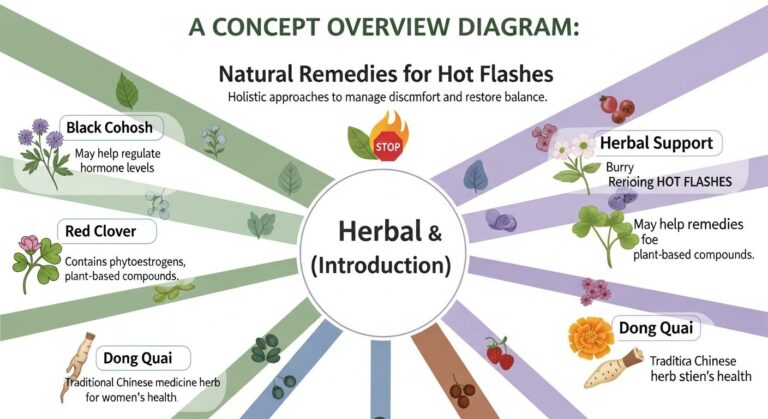
From menarche to menopause, a woman’s life is characterized by a dynamic interplay of hormones. Estrogen, progesterone, and even testosterone levels ebb and flow throughout the menstrual cycle, during pregnancy, postpartum, and perimenopause. These shifts can directly influence energy, mood, sleep, and metabolism. For instance, the premenstrual phase often brings fatigue, irritability, and cravings due to hormonal changes. During perimenopause, declining estrogen can lead to hot flashes, night sweats, and disturbed sleep, all significant contributors to daytime exhaustion. Understanding these cycles and how they affect your personal energy patterns is a crucial part of Womens Health Tips Every Woman Should Know.
The Demands of Modern Life and Mental Load
Beyond biology, societal roles often place a disproportionate mental load on women. Juggling careers, managing households, raising children, and caring for aging parents can create a perpetual state of stress and overwhelm. This constant cognitive burden, often referred to as the “invisible labor,” depletes mental and emotional energy, leading to physical fatigue even without strenuous activity. The relentless pressure to be everything to everyone can leave little time or energy for self-care, creating a vicious cycle of exhaustion.
Postpartum Fatigue: A Special Consideration
New mothers face an entirely different realm of energy depletion. The physical toll of childbirth, coupled with sleep deprivation, hormonal shifts, and the immense demands of caring for a newborn, can lead to profound and prolonged fatigue. This isn’t just “being tired”; it’s often an all-encompassing exhaustion that impacts every aspect of a new mom’s life. Our Postpartum Recovery Guide New Moms emphasizes that addressing this unique energy drain requires a multi-faceted approach, prioritizing rest, nutrition, and emotional support.
Chronic Stress and Adrenal Fatigue
While “adrenal fatigue” isn’t a recognized medical diagnosis, chronic stress undoubtedly impacts the body’s stress response system. Constant activation of the fight-or-flight response can lead to imbalances in cortisol, impacting sleep, digestion, and overall energy regulation. Women, often being primary caregivers and multi-taskers, are particularly susceptible to the cumulative effects of chronic stress, which can manifest as persistent tiredness, brain fog, and reduced resilience.
Fueling Your Body for Sustained Energy: The Nutritional Blueprint
What you eat (or don’t eat) has a profound impact on your energy levels. A well-balanced diet provides the necessary macronutrients and micronutrients to power your cells, regulate hormones, and support overall vitality. To truly learn how to improve energy levels for women, you must begin with the plate.
Prioritize Whole, Unprocessed Foods
The foundation of an energy-boosting diet lies in whole, unprocessed foods. Think vibrant fruits and vegetables, lean proteins, healthy fats, and complex carbohydrates. These foods provide sustained energy, unlike refined sugars and processed snacks that offer a fleeting spike followed by an inevitable crash.
- Complex Carbohydrates: Opt for whole grains like oats, quinoa, brown rice, and whole-wheat bread. These release glucose slowly into the bloodstream, providing a steady supply of energy.
- Lean Proteins: Include sources like chicken, fish, beans, lentils, tofu, and eggs at every meal. Protein helps stabilize blood sugar, promotes satiety, and supports muscle repair.
- Healthy Fats: Incorporate avocados, nuts, seeds, olive oil, and fatty fish (like salmon). Healthy fats are crucial for hormone production, brain health, and sustained energy.
- Abundant Fruits and Vegetables: Rich in vitamins, minerals, and antioxidants, these foods protect your cells from damage and support all bodily functions, including energy production. Aim for a diverse range of colors.
Key Micronutrients for Energy Production
Even with a balanced diet, certain micronutrient deficiencies are common among women and can significantly contribute to low energy. Pay attention to:
- Iron: Iron deficiency (anemia) is a prevalent cause of fatigue in women, especially those with heavy menstrual bleeding, pregnant women, or those following vegetarian/vegan diets. Red meat, poultry, fish, spinach, lentils, and fortified cereals are excellent sources. Pair iron-rich foods with Vitamin C to enhance absorption.
- B Vitamins: B vitamins (B1, B2, B3, B5, B6, B7, B9, B12) are essential for converting food into energy. Whole grains, leafy greens, eggs, dairy, and lean meats are good sources. Vitamin B12 deficiency is particularly common among vegetarians and vegans.
- Magnesium: Involved in over 300 enzymatic reactions, including energy production and muscle function. Deficiency can lead to fatigue, muscle cramps, and poor sleep. Almonds, spinach, black beans, avocados, and dark chocolate are rich in magnesium.
- Vitamin D: Crucial for bone health, immune function, and mood, Vitamin D deficiency is also linked to fatigue. Sunlight exposure is the primary source, but fatty fish, fortified dairy, and supplements can help.
Hydration: The Often-Overlooked Energy Booster
Even mild dehydration can lead to fatigue, headaches, and reduced concentration. Make sure you’re drinking enough water throughout the day. Aim for at least 8 glasses (around 2 liters), and more if you’re exercising or in a hot climate. Keep a water bottle handy as a constant reminder.
Mindful Eating and Meal Timing
How you eat is almost as important as what you eat. Practicing mindful eating – paying attention to your hunger and fullness cues, savoring your food – can improve digestion and nutrient absorption. Furthermore, consistent meal timing helps stabilize blood sugar levels. Avoid skipping meals, especially breakfast, and consider smaller, more frequent meals to maintain a steady energy supply throughout the day.
Mastering Sleep: Your Foundation for Restored Vitality
Understand Your Sleep Needs
Most adults need 7-9 hours of quality sleep per night. However, individual needs can vary. Pay attention to how you feel after different amounts of sleep. Do you wake up refreshed or still groggy? For new mothers, especially, achieving consolidated sleep can be challenging, but even short naps or prioritizing rest when the baby sleeps can make a significant difference, as highlighted in any effective Postpartum Recovery Guide New Moms.
Establish a Consistent Sleep Schedule
Going to bed and waking up at the same time each day, even on weekends, helps regulate your body’s natural sleep-wake cycle (circadian rhythm). Consistency signals to your body when it’s time to wind down and when it’s time to be alert, leading to more restorative sleep.
Create a Conducive Sleep Environment
Your bedroom should be a sanctuary for sleep. Optimize it for darkness, quiet, and a cool temperature (ideally between 60-67°F or 15-19°C). Blackout curtains, earplugs, white noise machines, and comfortable bedding can all contribute to a better sleep environment. Ensure your sleep space is separate from your workspace to mentally disconnect from daily stressors.
Develop a Relaxing Bedtime Routine
Signal to your body that it’s time to prepare for sleep by establishing a consistent, calming routine in the hour leading up to bedtime. This could include:
- Taking a warm bath or shower.
- Reading a book (a physical one, not on a screen).
- Practicing gentle stretching or yoga.
- Listening to calming music or a guided meditation.
- Avoiding stimulating activities like intense exercise, heavy meals, alcohol, and caffeine in the hours before bed.
Limit Screen Time Before Bed
The blue light emitted from smartphones, tablets, computers, and TVs can interfere with melatonin production, the hormone that regulates sleep. Aim to power down all screens at least an hour before you plan to sleep. If you must use screens, consider blue light filtering glasses or software.
Movement as Medicine: Exercise for Energy and Mood
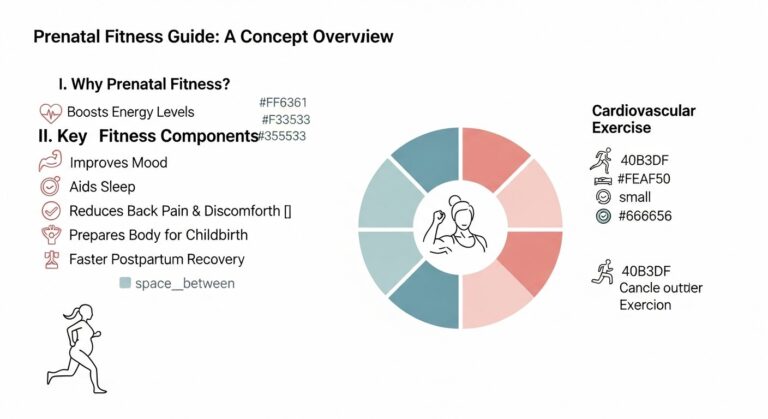
It might seem counterintuitive to expend energy to gain energy, but regular physical activity is one of the most effective ways to combat fatigue and boost overall vitality. Exercise improves cardiovascular health, strengthens muscles, enhances mood, and promotes better sleep, all contributing factors to increased energy levels for women.
Choose Activities You Enjoy
The key to consistent exercise is finding activities you genuinely enjoy. Whether it’s dancing, hiking, swimming, cycling, yoga, or team sports, enjoyment makes it sustainable. Don’t feel pressured to engage in high-intensity workouts if they don’t appeal to you. Even moderate activity can make a significant difference.
Incorporate Both Aerobic and Strength Training
- Aerobic Exercise: Activities like brisk walking, jogging, cycling, or swimming improve cardiovascular health, increase stamina, and boost endorphins, which are natural mood elevators. Aim for at least 150 minutes of moderate-intensity aerobic activity or 75 minutes of vigorous activity per week.
- Strength Training: Lifting weights or using bodyweight exercises (e.g., squats, lunges, push-ups) builds muscle mass, which boosts metabolism and contributes to sustained energy. Aim for 2-3 sessions per week targeting all major muscle groups. Stronger muscles mean less effort for daily tasks, preserving energy.
The Power of Gentle Movement and Stretching
Even on days when intense exercise feels impossible, gentle movement can be beneficial. Stretching, a short walk, or some light yoga can improve circulation, reduce muscle stiffness, and provide a mental refresh. For new moms, incorporating gentle postpartum exercises as part of a Postpartum Recovery Guide New Moms is vital for regaining strength without overtaxing the body.
Exercise Timing Matters
While any time is better than no time, be mindful of when you exercise. Working out too close to bedtime can be stimulating and interfere with sleep. Morning or early afternoon workouts are often ideal for boosting daytime energy and promoting better sleep at night.
Harnessing the Power of Stress Management and Mental Well-being
Chronic stress is an insidious energy drain. It taxes your body’s systems, contributes to inflammation, disrupts sleep, and can lead to emotional exhaustion. Learning effective stress management techniques is paramount for anyone looking to improve energy levels for women.
Mindfulness and Meditation
Practicing mindfulness involves focusing on the present moment without judgment. Meditation, a form of mindfulness, can significantly reduce stress, improve focus, and promote a sense of calm. Even 5-10 minutes a day can make a difference. Numerous apps and guided meditations are available to help you get started.
Deep Breathing Exercises
Simple deep breathing techniques can quickly activate your parasympathetic nervous system, signaling to your body that it’s safe to relax. When you feel overwhelmed or tired, take a few slow, deep breaths, inhaling deeply into your belly and exhaling slowly. This can provide an immediate energy reset.
Prioritize Self-Care and Set Boundaries
Self-care isn’t selfish; it’s essential for sustained energy. Identify activities that replenish you – whether it’s reading, spending time in nature, pursuing a hobby, or connecting with loved ones. Equally important is learning to say “no” to commitments that overextend you and setting healthy boundaries in your relationships and work life. Remember, part of Womens Health Tips Every Woman Should Know is the art of prioritizing your own well-being.
Connect with Others and Seek Support
Social connection is a powerful buffer against stress and loneliness. Spend time with friends and family who uplift you. Don’t hesitate to reach out for support when you’re feeling overwhelmed. Sharing your burdens can significantly lighten your mental load. If stress or fatigue feels chronic and unmanageable, consider talking to a therapist or counselor.
Manage Your Environment for Mental Calm
Your physical surroundings can greatly influence your mental state and, consequently, your energy. A cluttered, disorganized space can contribute to a feeling of overwhelm and deplete mental energy. Conversely, a calm, organized environment can promote peace and focus. Consider implementing some Kid Friendly Home Decor Ideas that also serve to create a functional, aesthetically pleasing, and stress-reducing home. Thoughtful organization, strategic storage, and a focus on natural light and soothing colors can create a sanctuary that supports your mental well-being and helps preserve your precious energy.
Hormonal Harmony: Addressing Underlying Imbalances
Given the significant role hormones play in women’s energy levels, it’s essential to consider if underlying hormonal imbalances might be contributing to chronic fatigue. While lifestyle changes are foundational, sometimes a deeper investigation is warranted.
Thyroid Health
The thyroid gland produces hormones that regulate metabolism and energy production. Hypothyroidism (underactive thyroid) is a common condition, particularly in women, and its symptoms often include profound fatigue, weight gain, brain fog, and sensitivity to cold. If you suspect a thyroid issue, consult your doctor for testing.
Adrenal Function and Cortisol Rhythm
While “adrenal fatigue” is a controversial term, chronic stress does impact the hypothalamic-pituitary-adrenal (HPA) axis, which regulates cortisol. Imbalances in cortisol rhythm (e.g., high cortisol at night, low in the morning) can disrupt sleep and contribute to daytime fatigue. Lifestyle interventions for stress management are typically the first line of defense, but sometimes testing can reveal patterns that inform personalized strategies.
Sex Hormones (Estrogen, Progesterone, Testosterone)
As discussed, fluctuations in estrogen and progesterone throughout the menstrual cycle, pregnancy, postpartum, and perimenopause can significantly affect energy. Low progesterone can lead to poor sleep, while estrogen dominance can contribute to fatigue. In some cases, low testosterone (yes, women have it too!) can also be a factor in low libido and energy. Your doctor can assess your hormonal profile if these issues are persistent and severe, especially during perimenopause or if you’re experiencing symptoms consistent with the Postpartum Recovery Guide New Moms where hormonal shifts are pronounced.
Insulin Sensitivity and Blood Sugar Regulation
Unstable blood sugar levels, often due to a diet high in refined carbohydrates and sugars, can lead to energy crashes. When insulin sensitivity is compromised (as in pre-diabetes or PCOS), the body struggles to effectively use glucose for energy, contributing to fatigue. A diet rich in whole foods, fiber, and lean protein is key to maintaining stable blood sugar.
When to Seek Professional Guidance
If you’ve consistently implemented lifestyle changes and still experience debilitating fatigue, it’s crucial to consult a healthcare professional. They can rule out underlying medical conditions such as anemia, thyroid disorders, autoimmune diseases, sleep apnea, or chronic fatigue syndrome. A holistic approach often involves working with a doctor, a registered dietitian, and potentially a mental health professional to address all facets of your well-being.
Sustainable Lifestyle Adjustments for a Vibrant 2026
Beyond specific dietary and exercise recommendations, integrating broader lifestyle changes can create a supportive environment for sustained energy. These are the ongoing practices that solidify how to improve energy levels for women over the long term.
Embrace Regular Breaks and Micro-Rest
In our always-on culture, it’s easy to push through until complete exhaustion. Instead, schedule regular short breaks throughout your day. A 5-minute stretch, a walk around the block, or even just stepping away from your screen can prevent mental fatigue and restore focus. These micro-rests are especially important for busy professionals and mothers. Even creating designated quiet corners in your home, perhaps inspired by Kid Friendly Home Decor Ideas that prioritize multi-functional spaces, can offer a quick escape for a few moments of peace.
Practice Time Management and Delegation
Feeling overwhelmed by a never-ending to-do list is a major energy drain. Learn to prioritize tasks, delegate responsibilities where possible (at work and at home), and avoid the trap of perfectionism. Tools like to-do lists, calendars, and time-blocking can help manage your schedule more effectively, reducing mental clutter and freeing up energy.
Limit Caffeine and Alcohol Intake
While coffee can provide a temporary jolt, over-reliance on caffeine can disrupt sleep and lead to a cycle of dependence and crashes. Aim to reduce your intake, especially in the afternoon. Similarly, while alcohol might initially feel relaxing, it significantly impairs sleep quality. Limiting alcohol, particularly before bed, can drastically improve your restorative sleep and next-day energy.
Spend Time in Nature
Cultivate Hobbies and Joy
Engaging in activities purely for pleasure, without any pressure for productivity, is vital for emotional and mental energy. Whether it’s painting, gardening, playing music, or simply enjoying a good book, hobbies provide an outlet for creativity and stress relief, replenishing your spirit. This ties into the broader theme of Womens Health Tips Every Woman Should Know – that holistic well-being extends far beyond physical health.
Improving energy levels for women is not about finding a single magic bullet; it’s about adopting a holistic and sustainable approach that addresses the unique physiological, psychological, and social factors at play. By consciously nourishing your body, prioritizing restorative sleep, engaging in regular movement, managing stress effectively, and being attuned to your hormonal health, you can transform your energy landscape. This journey requires patience, self-compassion, and consistent effort, but the rewards – a life filled with vibrancy, focus, and resilience – are immeasurable. Embrace these strategies in 2026 and empower yourself to live with the boundless energy you deserve.
Frequently Asked Questions
Recommended Resources
Related reading: How To Build A Positive Mindset When Life Is Hard (Sometimes Daily).
You might also enjoy How Celebrities Get Glowing Skin from Celebrity Exchange.