Understanding Your Unique Crown: Decoding Your Natural Hair Type
Before you can effectively care for your natural hair, it’s crucial to understand its unique characteristics. Just like every woman is unique, so too is her hair. What works wonders for one person might not be the best solution for another, and this often comes down to understanding your specific hair type. This foundational knowledge will guide your product choices, styling techniques, and overall regimen, setting you up for success in your natural hair journey.
Texture Type: The Curl Pattern Spectrum
Natural hair textures are typically categorized using a numbering system (Type 1 to Type 4) with sub-categories (A, B, C) that describe the tightness of the curl pattern:
- Type 2 (Wavy): Ranges from loose waves (2A) to defined S-shaped waves (2C). Wavy hair tends to be finer and can be easily weighed down.
- Type 3 (Curly): Features distinct S-shaped curls that are more defined than waves. 3A curls are loose and bouncy, while 3C curls are tighter, often pencil-sized, and packed densely.
- Type 4 (Coily/Kinky): Characterized by very tight, small curl patterns, often forming a Z-shape or very tight coils. 4A hair has a defined S-pattern, 4B has a Z-pattern, and 4C is the tightest, most densely packed, and can appear to have no defined pattern without manipulation. Type 4 hair is often the most fragile and prone to shrinkage and dryness.
Knowing your texture helps you understand how products will sit on your hair, how much moisture it needs, and what styles will hold best.
Porosity: How Your Hair Absorbs Moisture
Hair porosity refers to your hair’s ability to absorb and retain moisture. This is determined by the state of your hair’s cuticle layer.
- Low Porosity: Cuticles are tightly closed, making it difficult for moisture to penetrate. Products tend to sit on top of the hair. This hair type can be prone to product buildup but retains moisture once it penetrates. Use lightweight products, heat to help open cuticles during deep conditioning, and avoid heavy butters that might just sit on the surface.
- Medium Porosity: Cuticles are slightly raised, allowing moisture to penetrate and retain relatively easily. This is often considered the “ideal” porosity. A balanced routine works best here.
- High Porosity: Cuticles are raised or damaged, allowing moisture to enter and leave easily. Hair often feels dry, is prone to frizz, and absorbs products quickly. Use heavier butters and oils, protein treatments, and seal moisture effectively to prevent rapid loss.
A simple test: Place a strand of clean hair in a glass of water. If it floats, you likely have low porosity. If it sinks slowly, medium. If it sinks quickly, high.
Density and Elasticity: More Key Characteristics
- Density: Refers to the number of individual hair strands on your scalp. You can have fine strands but high density, or thick strands but low density. High density hair may require more product, while low density can be easily weighed down.
- Elasticity: Your hair’s ability to stretch and return to its original state without breaking. Good elasticity indicates healthy, well-moisturized hair. Poor elasticity often points to a need for protein or more intensive conditioning.
By understanding these elements, you can tailor a hair care regimen that truly speaks to your hair’s specific needs, laying the groundwork for optimal health and growth.
The Foundation of Fabulous: Building Your Essential Natural Hair Regimen
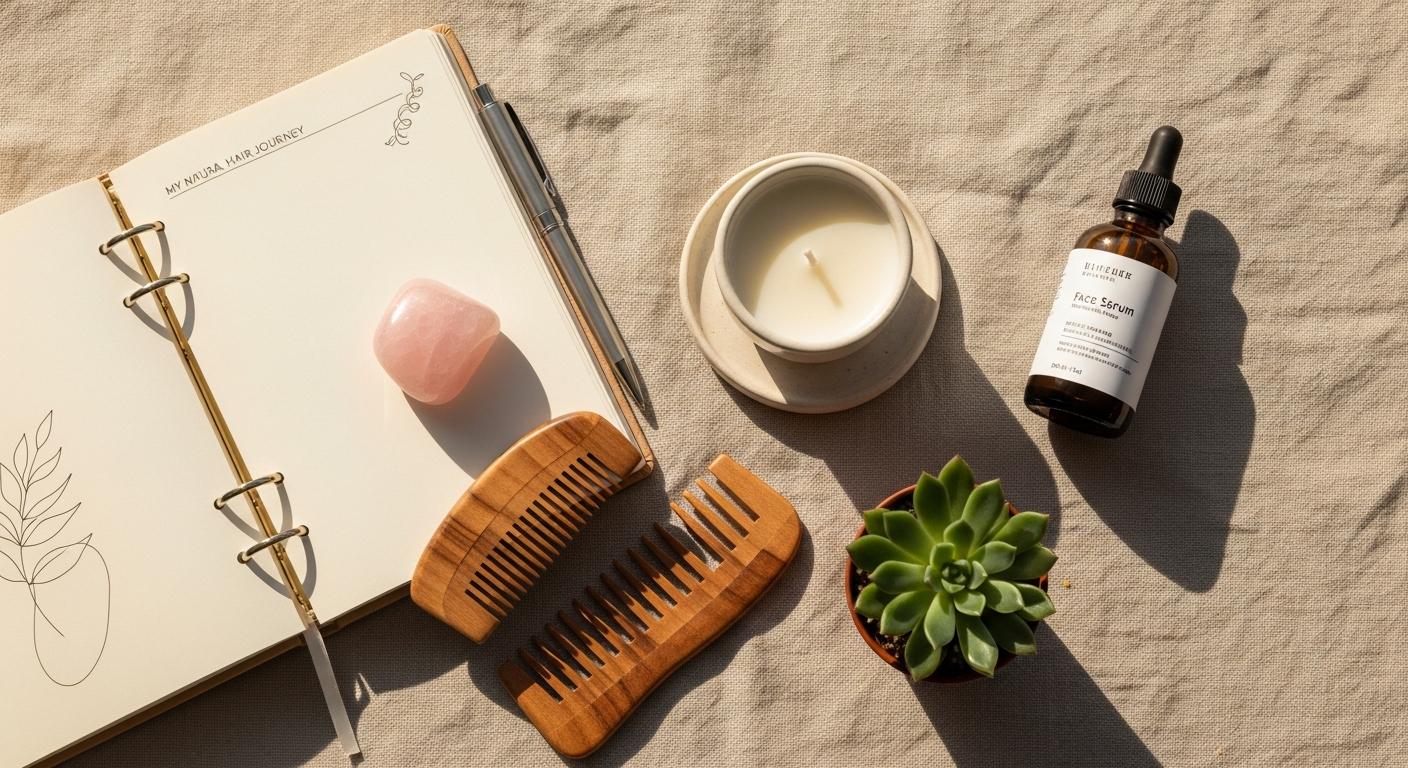
Once you understand your hair type, the next step is to establish a consistent and effective hair care regimen. A well-structured routine is the cornerstone of healthy, thriving natural hair, helping to prevent breakage, retain moisture, and promote growth. This isn’t about rigid rules, but rather a flexible framework that you can adapt to your hair’s evolving needs and your lifestyle.
Cleansing: The Gentle Start
Cleansing is vital to remove product buildup, dirt, and excess oils from your scalp and hair. However, natural hair is prone to dryness, so harsh shampoos can strip it of its natural oils, leading to frizz and breakage.
- Sulfate-Free Shampoos: Opt for shampoos specifically formulated without sulfates, which are harsh detergents. Look for moisturizing, hydrating, or clarifying sulfate-free options.
- Co-washing: Many natural hair enthusiasts replace traditional shampooing with co-washing (conditioner-only washing) to cleanse without stripping. Use a dedicated cleansing conditioner for this purpose.
- Frequency: The ideal frequency varies, but typically once a week or every two weeks is sufficient. Over-washing can lead to dryness.
Conditioning: The Moisture Infusion
Conditioning is non-negotiable for natural hair, providing essential moisture, detangling, and strengthening.
- Rinse-Out Conditioner: Apply generously after shampooing, focusing on the ends. Use your fingers or a wide-tooth comb to gently detangle while the conditioner is in.
- Deep Conditioning: This is a critical step, especially for dry or damaged hair. Deep condition at least once a week, or every two weeks. Apply a rich, penetrating conditioner, cover with a plastic cap, and allow it to sit for 20-30 minutes, optionally with indirect heat (e.g., a hooded dryer or warm towel) to help open cuticles and enhance penetration, particularly for low porosity hair.
- Leave-In Conditioner: A leave-in conditioner provides a base layer of moisture and protection after washing and before styling. It helps keep your hair soft, manageable, and hydrated throughout the week.
Moisturizing and Sealing: The LOC or LCO Method
These methods are designed to layer moisture and seal it into your hair strands, preventing dryness and promoting retention.
- L (Liquid/Leave-in): Start with a water-based leave-in conditioner or simply water to hydrate your hair.
- O (Oil): Apply a lightweight oil (like jojoba, grapeseed, or almond) to seal in the moisture from the liquid. For high porosity hair, a slightly heavier oil might be beneficial.
- C (Cream): Finish with a cream-based product (like a curl cream or butter) to provide an additional layer of moisture and seal.
The LCO method reverses the oil and cream steps, which some find works better for their hair type, particularly low porosity hair that can be easily weighed down by heavy creams before oils.
Detangling: The Gentle Art
Detangling is crucial to prevent knots and breakage. Always detangle on damp or wet hair, ideally saturated with conditioner, which provides slip.
- Tools: Use your fingers first to gently separate large tangles, then follow with a wide-tooth comb or a detangling brush designed for natural hair.
- Technique: Always detangle from the ends upwards to the roots, working in small sections. Be patient and gentle to minimize breakage.
Protective Styling: Giving Your Hair a Break
Protective styles (braids, twists, buns, cornrows, wigs) minimize manipulation, protect your ends from environmental damage, and promote length retention. Incorporate these into your routine to give your hair a rest, especially if you lead a busy life, much like how setting up a well-organized family home office can streamline daily tasks and reduce stress, a good protective style can streamline your hair care and reduce daily styling stress.
By consistently following these steps, you’ll create a nurturing environment for your natural hair, allowing it to flourish and reach its full potential.
Nourish to Flourish: The Holistic Connection Between Health and Hair
The Power of Nutrition: Fueling Your Follicles
Your hair follicles require a steady supply of vitamins, minerals, and proteins to produce strong, healthy hair strands. A nutrient-rich diet is paramount:
- Protein: Hair is primarily made of keratin, a protein. Ensure adequate intake of lean meats, fish, eggs, legumes, nuts, and seeds.
- Iron: Iron deficiency (anemia) is a common cause of hair loss. Red meat, spinach, lentils, and fortified cereals are excellent sources. Pair with Vitamin C to enhance absorption.
- Biotin (Vitamin B7): Known for its role in hair and nail strength. Found in eggs, nuts, sweet potatoes, and avocados.
- Vitamins A, C, and E: Antioxidants that protect hair follicles. Vitamin A (carrots, sweet potatoes) helps with sebum production. Vitamin C (citrus, berries) aids collagen production. Vitamin E (nuts, seeds) supports scalp circulation.
- Omega-3 Fatty Acids: Essential for a healthy scalp and shiny hair. Found in fatty fish (salmon, mackerel), flaxseeds, and walnuts. These healthy fats are also incredibly beneficial for overall wellness, including aspects of Fertility Health Tips Women Trying Conceive, highlighting the interconnectedness of bodily systems.
- Zinc: Important for hair tissue growth and repair. Found in oysters, beef, pumpkin seeds, and lentils.
A balanced diet ensures your body has the building blocks it needs to produce vibrant, resilient hair.
Hydration: The Internal Moisturizer
Just as you moisturize your hair externally, internal hydration is equally vital. Drinking plenty of water throughout the day keeps your entire body, including your scalp and hair follicles, adequately hydrated. Dehydration can lead to dry, brittle hair that is more prone to breakage. Aim for at least 8 glasses of water daily, and more if you’re active or in a warm climate.
Stress Management: The Silent Hair Killer
Chronic stress can wreak havoc on your body, and your hair is often one of the first places to show it. Stress can disrupt the hair growth cycle, leading to increased shedding (telogen effluvium) and even conditions like alopecia. Incorporating stress-reducing practices into your daily life is not just beneficial for your mental health but also for your hair:
- Mindfulness and Meditation: Even a few minutes a day can make a difference.
- Regular Exercise: A fantastic stress reliever and promotes overall circulation, which is good for your scalp.
- Adequate Sleep: Allow your body to repair and rejuvenate. Aim for 7-9 hours of quality sleep per night.
- Hobbies and Relaxation: Make time for activities you enjoy that help you unwind.
Prioritizing stress management is a key component of a holistic approach to wellness, aligning perfectly with general health recommendations and contributing to robust hair health.
Sleep: The Body’s Repair Shop
During sleep, your body undergoes essential repair and regeneration processes. This includes your hair follicles. Lack of sleep can contribute to increased stress, hormonal imbalances, and reduced nutrient delivery to the scalp, all of which can negatively impact hair growth and health. Ensure you create a conducive sleep environment and stick to a consistent sleep schedule.
By focusing on these internal factors, you create a powerful synergy that supports not only healthy natural hair but also your overall vitality, confidence, and well-being in 2026 and beyond.
Mastering Maintenance: Daily Habits and Nighttime Routines for Longevity
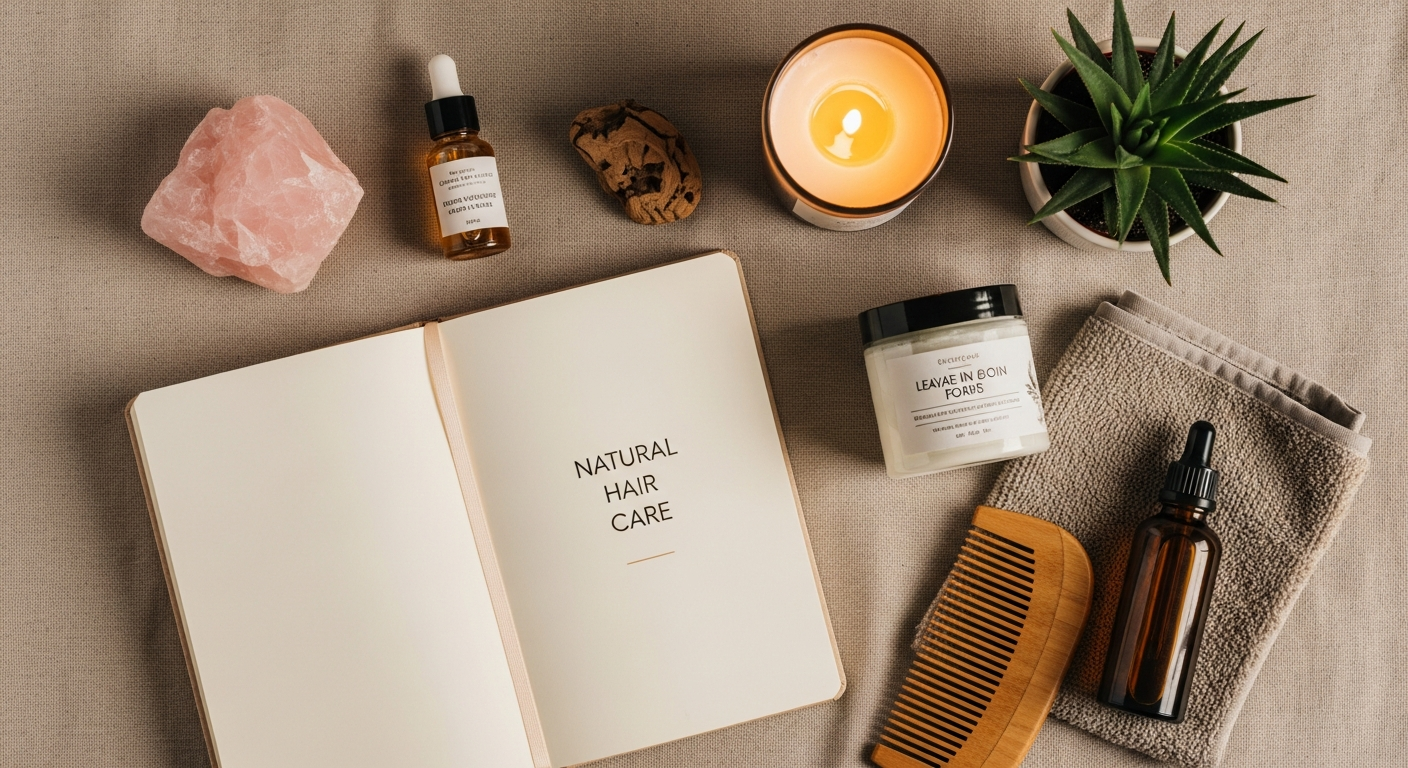
Maintaining healthy natural hair goes beyond wash day. It involves consistent daily habits and a diligent nighttime routine that protect your strands from damage, preserve moisture, and encourage growth. These practices are especially crucial for natural hair, which is inherently more fragile and prone to dryness and breakage.
Gentle Handling: The Golden Rule
Natural hair, particularly Type 4, is delicate. Excessive manipulation, harsh brushing, and rough styling can lead to significant breakage. Adopt a gentle approach in all your interactions with your hair:
- Finger Detangling First: Before using any tools, use your fingers to gently separate tangles. This helps you feel for knots and minimize pulling.
- Sectioning: Work on your hair in small, manageable sections, whether you’re detangling, applying products, or styling. This reduces frustration and ensures thorough care.
- Avoid Over-Styling: Constantly changing styles or manipulating your hair can cause stress. Embrace styles that last for a few days to minimize daily handling.
Protective Styling: Shielding Your Strands
Protective styles are your best friends for length retention and overall hair health. They involve tucking away your ends, which are the oldest and most fragile parts of your hair, from environmental stressors and daily manipulation. This allows your hair to rest and grow.
- Types of Protective Styles:
- Braids: Box braids, cornrows, knotless braids.
- Twists: Two-strand twists, flat twists, Senegalese twists.
- Buns and Updos: Low manipulation styles that keep ends tucked.
- Wigs and Weaves: Offer complete protection, but ensure your hair underneath is properly cared for.
- Installation and Take-Down: Ensure protective styles are installed by a skilled professional or done gently at home, avoiding excessive tension on the scalp and edges. When taking them down, be patient and use a conditioner or oil to help loosen the hair and minimize breakage. Never rush the process.
- Maintenance While in Style: Even in a protective style, your hair needs attention. Spritz with a moisturizing leave-in spray, oil your scalp regularly, and keep it clean with diluted shampoo or witch hazel between washes.
Nighttime Routine: Protecting Your Crown While You Sleep
Your nighttime routine is just as important as your daytime care. Friction from cotton pillowcases can strip moisture from your hair and cause tangles and breakage. Protect your hair with:
- Silk or Satin Scarf/Bonnet: These materials reduce friction, help retain moisture, and keep your style intact.
- Silk or Satin Pillowcase: An excellent alternative or addition if you find scarves uncomfortable or they slip off.
- Pineapple Method: For longer hair, loosely gather your hair into a high ponytail on top of your head (like a pineapple). This keeps curls from being flattened and stretched while you sleep.
- Loose Braids/Twists: If your hair is loose, putting it into a few large, loose braids or twists before bed can prevent tangling and help maintain curl definition.
Avoiding Excessive Heat: A Core Principle
While occasional heat styling can be done safely with a heat protectant, consistent or high heat can cause irreversible damage to natural hair, leading to dryness, brittleness, and breakage. Embrace air-drying or low-heat options whenever possible. If you must use heat, always apply a quality heat protectant and use the lowest effective temperature.
By integrating these daily and nightly practices into your lifestyle, you’ll not only preserve the health and integrity of your natural hair but also foster an environment where it can truly flourish and grow long and strong for years to come.
Conquering Common Challenges: Solutions for Natural Hair Woes
Even with a diligent routine, natural hair can present its unique set of challenges. From persistent dryness to frustrating shrinkage, knowing how to troubleshoot these common issues can save you time, stress, and potential damage. Addressing these concerns proactively is key to maintaining healthy, beautiful natural hair.
Persistent Dryness and Brittleness
Dryness is arguably the most common complaint among naturalistas. Natural hair’s coiled structure makes it difficult for natural oils (sebum) from the scalp to travel down the hair shaft, leaving the ends particularly vulnerable.
- Solution:
- Deep Condition Regularly: Increase your deep conditioning frequency to at least once a week, using moisture-rich treatments.
- Master LOC/LCO: Ensure you’re consistently applying the Liquid, Oil, Cream (or LCO) method to layer and seal in moisture.
- Humectants: Look for products with humectants like glycerin or honey, which draw moisture from the air into your hair, especially in humid climates.
- Internal Hydration: Revisit your water intake. Remember, healthy hair starts from within.
- Avoid Drying Alcohols: Check product labels for drying alcohols (e.g., ethanol, isopropyl alcohol), which can strip moisture.
Breakage and Split Ends
Breakage is often a result of dryness, improper detangling, excessive manipulation, or chemical/heat damage. Split ends are a sign of damage that needs to be addressed.
- Solution:
- Gentle Detangling: Always detangle on wet, conditioned hair, from ends to roots, using your fingers or a wide-tooth comb.
- Protective Styles: Keep your ends tucked away to minimize friction and exposure.
- Regular Trims: Get a professional trim every 3-6 months to snip off split ends before they travel up the hair shaft. This is crucial for length retention.
- Protein Treatments: If breakage is due to weak strands (poor elasticity), incorporate occasional protein treatments to strengthen the hair shaft. Balance with moisturizing treatments to avoid protein overload.
- Minimize Heat: Avoid direct heat whenever possible, and always use a heat protectant.
Shrinkage: The Illusion of No Growth
Shrinkage is a natural characteristic of curly and coily hair, where the hair appears much shorter than its actual length. While it can be frustrating, it’s also a sign of healthy, elastic hair.
- Solution:
- Embrace It: The first step is to accept and appreciate shrinkage as a unique aspect of your natural hair.
- Elongating Styles: Styles like braid-outs, twist-outs, banding, or African threading can help stretch your hair and reduce shrinkage, giving the appearance of more length.
- Heavy Creams/Butters: Some thicker products can help weigh down the hair slightly, reducing shrinkage.
- Minimal Heat (Carefully): Very light blow-drying on cool air with tension can help stretch, but proceed with extreme caution to avoid damage.
Product Buildup and Itchy Scalp
Excessive product use, especially heavy butters and oils, can lead to buildup on the scalp and hair strands, causing dullness, flakiness, and an itchy scalp.
- Solution:
- Clarifying Shampoo: Use a sulfate-free clarifying shampoo once a month (or as needed) to remove buildup.
- Apple Cider Vinegar Rinse: A diluted ACV rinse (1 part ACV to 3 parts water) can help balance scalp pH and remove buildup.
- Scalp Massages: Regular scalp massages can stimulate blood flow and help dislodge flakes.
- Lighter Products: Evaluate if your products are too heavy for your hair type. Consider lighter oils and creams.
- Rinse Thoroughly: Ensure you rinse out all shampoo and conditioner completely during wash day.
Frizz
Frizz occurs when the hair’s cuticle layer is raised, allowing moisture from the air to penetrate and swell the hair shaft. It’s often a sign of dryness or lack of definition.
- Solution:
- Hydration: Ensure your hair is well-hydrated with leave-ins and deep conditioners.
- Sealant: Use an oil or butter to seal the cuticle after moisturizing.
- Styling Products: Use curl-defining gels or creams that create a cast to hold your curl pattern and minimize frizz.
- Air Dry Gently: Avoid rubbing your hair vigorously with a towel. Use a microfiber towel or an old t-shirt to gently blot excess water.
- Don’t Disturb Curls: Once your hair is styled and drying, resist the urge to touch or separate curls until they are completely dry to prevent frizz.
By understanding these common challenges and implementing these targeted solutions, you can effectively navigate the complexities of natural hair care and keep your crown looking its best in 2026 and beyond.
Smart Product Choices: Decoding Labels and Ingredients
The natural hair market is saturated with products, making it challenging to choose what’s best for your unique strands. Becoming an ingredient detective is one of the most empowering steps you can take in your natural hair journey. Understanding what certain ingredients do, and which ones to avoid, will help you make informed decisions that support your hair’s health and vitality.
Ingredients to Approach with Caution (or Avoid)
While not all these ingredients are universally “bad,” they can be problematic for many natural hair types, especially those prone to dryness.
- Sulfates: (e.g., Sodium Lauryl Sulfate, Sodium Laureth Sulfate) These are harsh detergents found in many traditional shampoos. They create a rich lather but can strip natural oils from your hair, leading to extreme dryness, frizz, and irritation. Opt for sulfate-free cleansers.
- Drying Alcohols: (e.g., Isopropyl Alcohol, Propanol, Propyl Alcohol, Ethanol Alcohol) Often found in gels, mousses, and hairsprays, these alcohols can quickly evaporate moisture, leaving hair dry and brittle. Look for “fatty alcohols” (e.g., Cetearyl Alcohol, Cetyl Alcohol, Stearyl Alcohol), which are beneficial and moisturizing.
- Silicones: (e.g., Dimethicone, Cyclopentasiloxane, Amodimethicone) Silicones create a slippery, shiny coating on the hair, making it feel smooth and detangled. However, many silicones are not water-soluble and can build up over time, preventing moisture from penetrating the hair shaft. This leads to dryness, dullness, and eventual breakage. If you use silicones, ensure you have a good clarifying shampoo in your routine. Water-soluble silicones (e.g., PEG/PPG-Dimethicone) are less problematic.
- Parabens: (e.g., Methylparaben, Propylparaben) These are preservatives used to extend product shelf life. While their direct impact on hair health is debated, some individuals prefer to avoid them due to concerns about potential endocrine disruption, aligning with a holistic approach to wellness, much like considering ingredients when thinking about Fertility Health Tips Women Trying Conceive.
- Phthalates: Often hidden in “fragrance,” phthalates are also chemicals that some choose to avoid due to potential health concerns. Look for products with natural fragrances or essential oils.
- Mineral Oil & Petrolatum: While they can seal moisture, they are petroleum-derived and can create a heavy barrier that prevents the hair from truly absorbing moisture over time, leading to buildup and a greasy feel without true hydration. Some naturals avoid them in favor of natural oils and butters.
Beneficial Ingredients to Look For
Prioritize products rich in natural, moisturizing, and nourishing ingredients.
- Water: The ultimate moisturizer! Look for it as the first ingredient in your conditioners and leave-ins.
- Natural Oils:
- Penetrating Oils: Coconut oil, olive oil, avocado oil. These can penetrate the hair shaft to moisturize from within.
- Sealing Oils: Jojoba oil, grapeseed oil, sweet almond oil, castor oil. These oils sit on the hair shaft to seal in moisture and add shine.
- Natural Butters: Shea butter, cocoa butter, mango butter. These provide intense moisture, seal, and add softness.
- Humectants: Glycerin, honey, hyaluronic acid. These ingredients draw moisture from the environment into your hair.
- Protein: (e.g., Hydrolyzed Wheat Protein, Silk Protein, Keratin) Beneficial for strengthening weak or damaged hair, especially high porosity hair. Use in moderation to avoid protein overload.
- Herbal Extracts: Aloe vera, green tea, rosemary, nettle. These can offer soothing, strengthening, or stimulating benefits to the scalp and hair.
- Vitamins: Panthenol (Vitamin B5), Vitamin E. These contribute to hair health, elasticity, and shine.
The Importance of Trial and Error
Even with knowledge of ingredients, finding the perfect products for your hair is often a process of trial and error. What works for one person may not work for another, even with similar hair types. Be patient, pay attention to how your hair responds, and don’t be afraid to experiment. Consider starting with travel-sized versions before committing to full-sized products. Keep a hair journal to track products and their effects, making it easier to identify what truly makes your natural hair thrive.
Embracing the Journey: Patience, Persistence, and Self-Love
The journey with natural hair is more than just a routine; it’s a testament to patience, persistence, and a profound form of self-love. In a world that often pressures women to conform to narrow beauty standards, embracing your natural texture is an act of defiance and empowerment. This final section focuses on the mindset required to truly flourish on your natural hair journey, fostering not just healthy hair but a healthier self-image.
Patience is a Virtue
Natural hair growth and health are not overnight phenomena. It takes time for products to show results, for hair to recover from damage, and for you to truly understand its unique needs. Expecting instant gratification can lead to frustration and giving up. Instead, view each day as a step forward, celebrating small victories like reduced breakage, improved moisture, or a perfectly executed twist-out. Patience is key, especially when you consider that hair grows at an average rate of half an inch per month. Focus on health, and length will follow.
Consistency is Key
Just as a well-managed household and How To Set Up Family Home Office require consistent effort and organization to run smoothly, so does a successful natural hair regimen. Sporadic deep conditioning or inconsistent moisturizing will not yield the best results. Establish a routine that works for your schedule and stick to it. Whether it’s weekly wash days, bi-weekly deep conditioning, or daily moisturizing, consistency allows your hair to receive the continuous nourishment and care it needs to thrive. Over time, these consistent efforts compound, leading to noticeable improvements in health, strength, and appearance.
Educate Yourself Continuously
The natural hair landscape is always evolving, with new products, techniques, and insights emerging regularly. Stay informed by reading articles (like those on Veralyn Media!), watching tutorials, and engaging with the natural hair community. Learn about new ingredients, understand how environmental factors (like humidity or dry air) affect your hair, and be open to adjusting your routine as
Recommended Resources
You might also enjoy Bathroom Decor Ideas from Rock Salt Plum.
Learn more about this topic in What Is Self Love And Why It Matters For Women at Sometimes Daily.