
Understanding Cortisol: The Body’s Stress Messenger
Cortisol, a glucocorticoid hormone produced by the adrenal glands, plays a critical role in how our bodies respond to stress. It’s an integral part of our endocrine system, orchestrating a wide array of physiological processes. When you encounter a stressful situation, whether it’s a tight deadline, an argument, or even just feeling overwhelmed, your brain signals your adrenal glands to release cortisol. This surge provides a quick burst of energy, sharpens your focus, and even temporarily reduces pain sensitivity – all mechanisms designed to help you confront or escape perceived threats. It truly is the body’s natural alarm system, meant for short-term, acute responses.
However, the challenge in today’s world is that these “threats” are rarely life-or-death scenarios. Instead, they are often chronic, low-grade stressors: financial worries, relationship issues, demanding careers, or the constant barrage of information from our digital lives. When these stressors persist, the adrenal glands continue to pump out cortisol, keeping the body in a perpetual state of alert. This sustained elevation can disrupt virtually every system in the body, leading to systemic imbalances that undermine overall health and well-being. Recognizing the signs of chronic stress and high cortisol is the first step toward taking proactive control of your health.
For women, the implications of chronically high cortisol can be particularly pronounced. Elevated stress hormones can interfere with the delicate balance of reproductive hormones, potentially leading to irregular menstrual cycles, intensified PMS symptoms, and even impacting fertility. Furthermore, cortisol can influence thyroid function, metabolism, and bone density. It can exacerbate mood disorders like anxiety and depression, contribute to weight gain (especially around the abdomen), impair immune function, and disrupt sleep patterns. Addressing high cortisol isn’t just about managing stress; it’s a fundamental aspect of comprehensive Womens Health Tips Every Woman Should Know to maintain hormonal balance, mental clarity, and physical resilience throughout all stages of life.
The Mind-Body Connection: Cultivating Inner Calm to Lower Cortisol
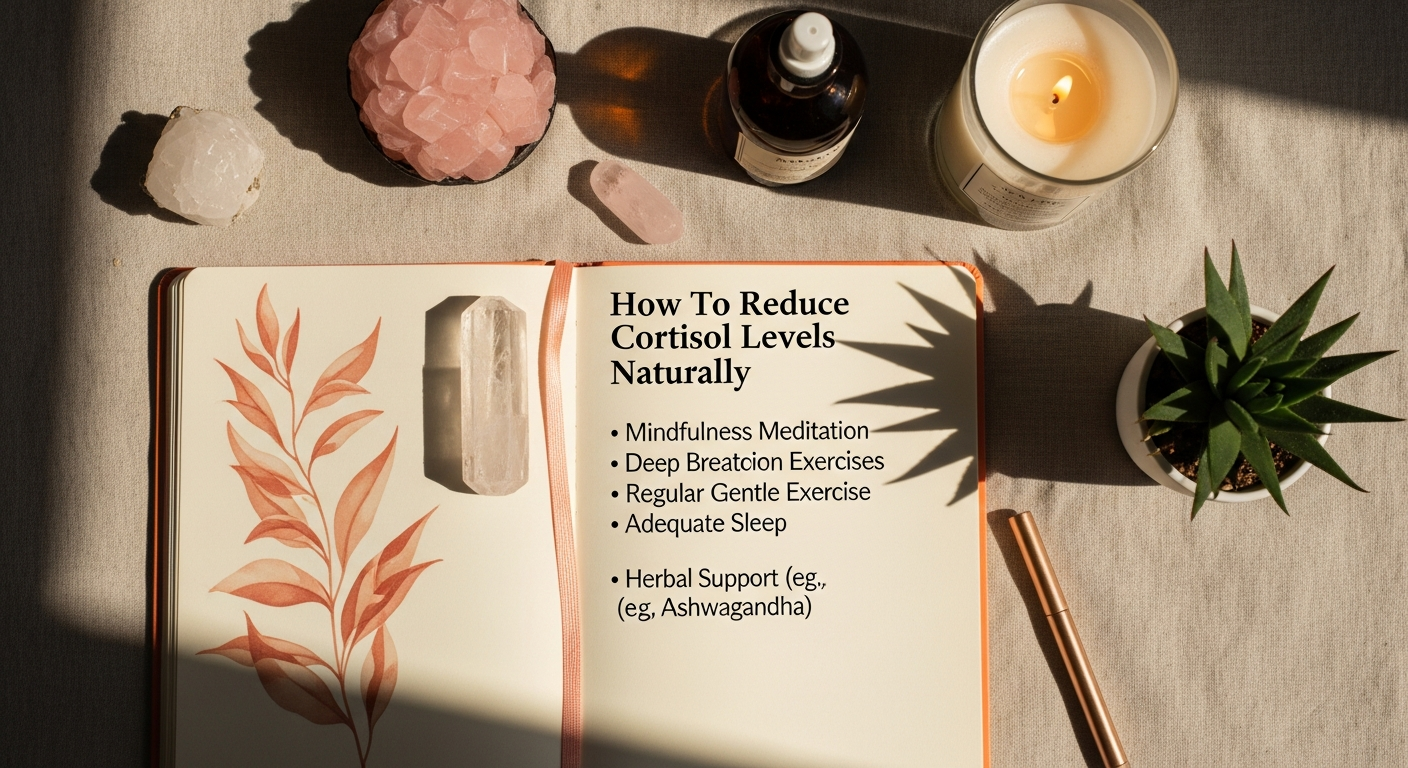
The mind and body are inextricably linked, especially when it comes to stress. Our thoughts, emotions, and perceptions directly influence our physiological responses, including cortisol production. Cultivating inner calm through intentional mind-body practices is one of the most powerful natural strategies to reduce cortisol levels and foster overall well-being. These practices help to activate the parasympathetic nervous system, often called the “rest and digest” system, which counteracts the effects of the stress-inducing sympathetic nervous system.
- Mindfulness and Meditation: These ancient practices involve focusing on the present moment without judgment. Regular meditation, even just 10-15 minutes a day, has been shown to significantly reduce cortisol levels. It trains your brain to respond to stress more calmly, shifting away from automatic reactivity. Start with guided meditations available online or through apps, focusing on your breath or body sensations. The goal isn’t to stop thinking, but to observe thoughts without getting carried away by them.
- Deep Breathing Exercises: Simple yet incredibly effective, conscious deep breathing is a rapid way to signal to your body that it’s safe to relax. Techniques like diaphragmatic breathing (belly breathing) slow your heart rate, lower blood pressure, and reduce cortisol. Try the 4-7-8 breathing technique: inhale for 4 counts, hold for 7, and exhale slowly for 8. Practice this several times a day, especially when feeling overwhelmed.
- Yoga and Tai Chi: These practices combine physical postures, controlled breathing, and meditation. They are excellent for stress reduction because they promote flexibility, strength, and balance while simultaneously calming the mind. The gentle, fluid movements and emphasis on breath-work in yoga and Tai Chi can significantly lower cortisol and improve mood. Finding a style that resonates with you, whether it’s restorative yoga or a flowing Vinyasa, can be a transformative experience.
- Time Management and Prioritization: Feeling constantly overwhelmed by tasks is a significant stressor. Learning to effectively manage your time and prioritize responsibilities can dramatically reduce feelings of pressure and regain a sense of control. Techniques like the Eisenhower Matrix (urgent/important) or the Pomodoro Technique can help. Remember, it’s okay to say no to new commitments if your plate is already full.
- Setting Healthy Boundaries: A common source of stress, particularly for women, is the inability to set and maintain boundaries in personal and professional relationships. Over-committing, people-pleasing, and allowing others to drain your energy can lead to chronic stress and elevated cortisol. Learning to communicate your needs, protect your time, and say “no” without guilt is a crucial step towards self-preservation and stress reduction. This empowerment is a vital component of holistic wellness.
Nourishing Your Body: Dietary Strategies to Support Cortisol Balance
Focusing on a balanced intake of macronutrients (proteins, carbohydrates, fats) and micronutrients (vitamins, minerals) is key. Each plays a role in supporting the body’s stress response system.
Foods to Embrace for Cortisol Reduction:
- Omega-3 Fatty Acids: Found in fatty fish (salmon, mackerel, sardines), flaxseeds, chia seeds, and walnuts, omega-3s possess powerful anti-inflammatory properties and support brain health. Research suggests they can help regulate neurotransmitters and reduce the body’s stress response, thereby lowering cortisol. Aim for at least two servings of fatty fish per week or incorporate plant-based sources daily.
- Magnesium-Rich Foods: Magnesium is often called the “relaxation mineral” because of its role in nerve and muscle function. Stress depletes magnesium, creating a vicious cycle. Replenish your stores with dark leafy greens (spinach, kale), avocados, bananas, nuts (almonds, cashews), seeds (pumpkin, sesame), legumes, and dark chocolate.
- Probiotic-Rich Foods: A healthy gut microbiome is intimately connected to brain health and mood regulation via the gut-brain axis. Fermented foods like yogurt, kefir, sauerkraut, kimchi, and kombucha introduce beneficial bacteria that can reduce inflammation and influence neurotransmitter production, potentially leading to lower stress and cortisol levels.
- Antioxidant-Rich Fruits and Vegetables: Chronic stress increases oxidative stress in the body. Combat this with a colorful array of fruits and vegetables like berries, citrus fruits, bell peppers, broccoli, and sweet potatoes. These foods are packed with vitamins (especially Vitamin C) and antioxidants that protect cells from damage and support adrenal health.
- Complex Carbohydrates: Unlike refined carbohydrates that cause blood sugar spikes and crashes, complex carbs like whole grains (oats, quinoa, brown rice), sweet potatoes, and legumes provide a steady release of glucose, which can help stabilize mood and serotonin production, indirectly supporting cortisol balance.
- Lean Proteins: Chicken, turkey, fish, beans, lentils, and tofu provide essential amino acids, the building blocks for neurotransmitters like serotonin and dopamine, which are crucial for mood regulation and stress resilience.
Foods and Habits to Limit:
- Refined Sugars and Processed Foods: These can lead to blood sugar imbalances, triggering cortisol release as the body tries to stabilize glucose levels. They also contribute to inflammation and can worsen mood swings.
- Excessive Caffeine: While a morning coffee can be enjoyable, too much caffeine, especially late in the day, can overstimulate the adrenal glands, leading to increased cortisol and disrupted sleep. Consider reducing your intake or switching to green tea, which contains L-theanine for a calmer energy boost.
- Alcohol: While it may feel relaxing initially, alcohol disrupts sleep patterns and can increase cortisol levels, particularly when consumed in excess.
- Unhealthy Fats: Trans fats and excessive saturated fats found in fried foods, fast food, and many processed snacks can promote inflammation, further stressing the body.
Beyond specific foods, maintaining consistent meal times helps regulate blood sugar and prevent cortisol spikes. Hydration is also paramount; even mild dehydration can trigger a stress response, so aim to drink plenty of water throughout the day. By consciously choosing nutrient-dense foods, you empower your body to better cope with stress and naturally reduce cortisol levels, contributing significantly to your overall vitality and well-being.
Movement & Rest: Optimizing Physical Activity and Sleep for Cortisol Control
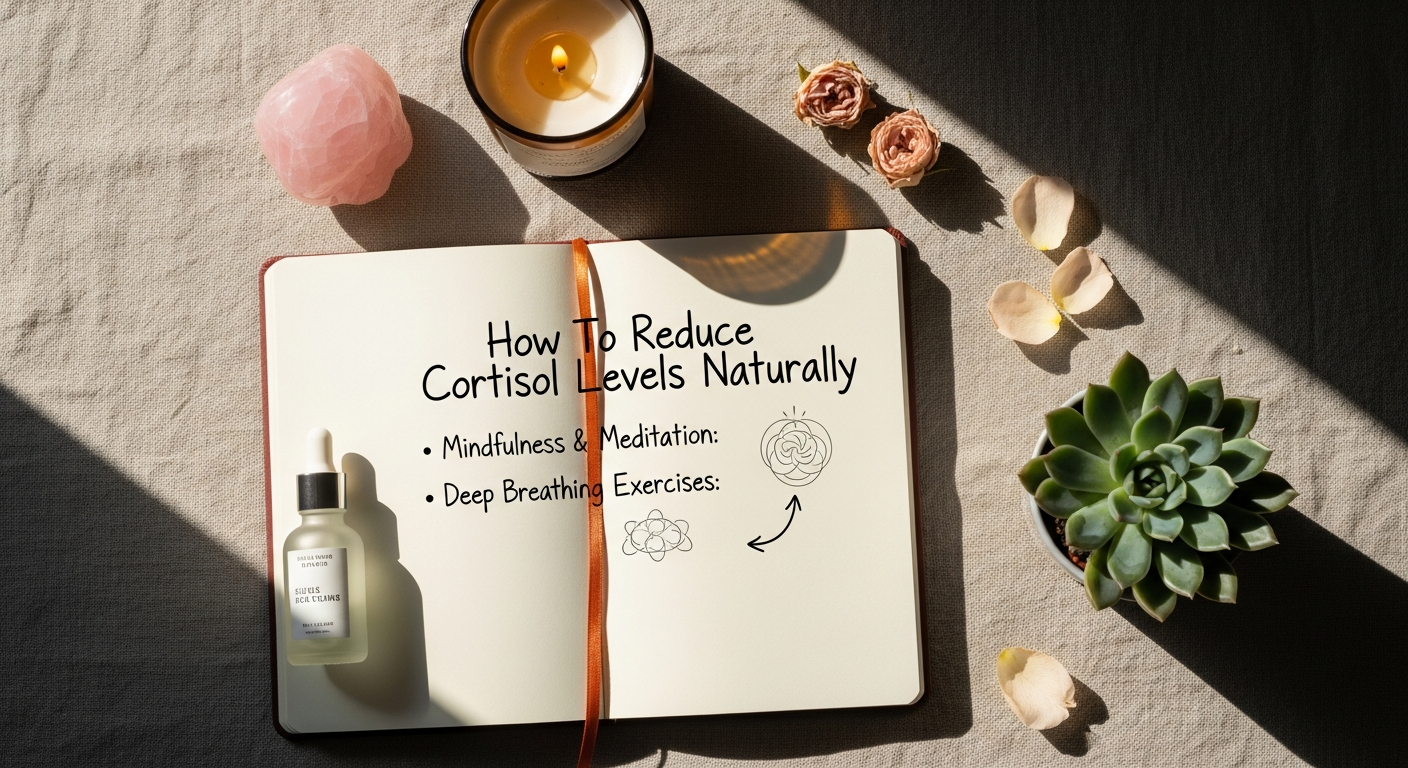
Physical activity and adequate rest are two pillars of a balanced lifestyle that profoundly impact cortisol regulation. While exercise is a known stress reliever, the type and intensity of movement, along with the quality of our sleep, are crucial for naturally reducing cortisol levels.
The Right Kind of Exercise:
Regular physical activity is an excellent way to burn off stress hormones and release endorphins, which have mood-boosting effects. However, when it comes to cortisol, moderation is key. Intense, prolonged exercise (like marathon training or highly strenuous gym sessions every day) can actually increase cortisol levels, especially if the body is already under chronic stress. This is because intense physical exertion is perceived as a stressor by the body.
- Moderate-Intensity Aerobic Exercise: Activities like brisk walking, jogging, swimming, cycling, or dancing for 30-60 minutes most days of the week are ideal. These elevate your heart rate sufficiently to release endorphins and reduce mental stress without overtaxing your adrenal glands.
- Strength Training: Incorporating 2-3 sessions of moderate strength training per week can improve muscle mass, bone density, and metabolic health, all of which support overall resilience to stress. Focus on proper form and don’t push to exhaustion, especially if you’re feeling stressed.
- Mindful Movement: As mentioned earlier, practices like yoga, Pilates, and Tai Chi are particularly beneficial. They combine physical movement with breathwork and mindfulness, offering a holistic approach to stress reduction and cortisol balance.
Listen to your body. If you’re feeling exhausted, constantly sore, or experiencing sleep disturbances despite exercising, it might be a sign you’re overdoing it. On those days, opt for gentle movement like a leisurely walk or stretching.
Prioritizing Quality Sleep:
Sleep is arguably the most critical factor in cortisol regulation. During deep sleep, the body repairs itself, consolidates memories, and regulates hormones. Chronic sleep deprivation, even just a few hours less per night, is a significant physical stressor that dramatically increases cortisol levels and keeps them elevated. This is a crucial element of Womens Health Tips Every Woman Should Know, as sleep impacts every bodily system.
- Establish a Consistent Sleep Schedule: Go to bed and wake up around the same time every day, even on weekends. This helps regulate your body’s natural circadian rhythm, which in turn helps regulate cortisol. Cortisol levels should naturally be highest in the morning and lowest at night to facilitate sleep.
- Create a Relaxing Bedtime Routine: Wind down for at least an hour before bed. This could include a warm bath, reading a book (not on a screen), gentle stretching, or listening to calming music. Avoid stimulating activities or stressful discussions.
- Optimize Your Sleep Environment: Ensure your bedroom is dark, quiet, and cool. Blackout curtains, earplugs, and a comfortable mattress can make a significant difference. Avoid screens (phones, tablets, computers, TV) at least an hour before bed, as the blue light emitted can interfere with melatonin production.
- Avoid Caffeine and Heavy Meals Before Bed: Caffeine’s stimulating effects can linger for hours. Large meals close to bedtime can lead to indigestion and disrupt sleep.
- Napping Strategically: If you’re sleep-deprived, a short power nap (20-30 minutes) earlier in the day can be beneficial, but longer naps or napping too late can interfere with nighttime sleep.
By consciously integrating moderate exercise and prioritizing restorative sleep, you provide your body with the fundamental tools it needs to naturally reduce cortisol levels, enhance recovery, and build resilience against daily stressors.
Lifestyle Adjustments & Environmental Factors: Crafting a Low-Stress Life
Beyond diet, exercise, and specific stress-reduction techniques, our daily habits and the environments we inhabit play a significant role in our overall stress load and, consequently, our cortisol levels. Making thoughtful adjustments to your lifestyle and surroundings can create a buffer against stress and promote a sense of calm and well-being.
- Connecting with Nature (Forest Bathing): Spending time outdoors, particularly in natural environments like forests, parks, or by water, has been scientifically shown to lower cortisol, reduce blood pressure, and improve mood. This practice, often called “forest bathing” (Shinrin-yoku), encourages mindful engagement with nature through your senses. Even a short walk in a green space can be incredibly restorative. Integrate nature breaks into your day whenever possible; it’s a simple yet powerful way to ground yourself and reduce stress.
- Cultivating Social Connections and Support Systems: Humans are social creatures, and strong social bonds are a powerful antidote to stress. Loneliness and isolation are significant stressors that can elevate cortisol. Nurture meaningful relationships with friends, family, and community. Regular interaction, sharing experiences, and feeling supported can release oxytocin, a hormone that counteracts cortisol and promotes feelings of well-being and connection. Don’t underestimate the power of a good laugh or a supportive conversation.
- Engaging in Creative Expression and Hobbies: Hobbies and creative outlets provide an escape from daily pressures, allowing your mind to relax and engage in enjoyable activities. Whether it’s painting, writing, playing music, gardening, knitting, or cooking, these activities can be deeply meditative and fulfilling. They shift your focus away from stressors, promote a sense of flow, and reduce cortisol. Make time for activities that bring you joy and a sense of accomplishment.
- Decluttering and Creating a Calming Home Environment: Our physical surroundings significantly impact our mental state. A cluttered, disorganized, or chaotic home can be a subtle but constant source of stress, contributing to elevated cortisol. Taking the time to declutter, organize, and create a tranquil living space can foster a sense of calm and control. This is especially relevant for families; incorporating Kid Friendly Home Decor Ideas that promote order, calm, and designated play zones can reduce household chaos and stress for everyone. Think about soft lighting, calming colors, comfortable furnishings, and personal touches that bring you joy. A serene home environment acts as a sanctuary, helping you unwind and de-stress.
- Minimizing Exposure to Environmental Toxins: While not as immediately obvious as psychological stress, exposure to certain environmental toxins (e.g., in cleaning products, personal care items, or air pollution) can place a burden on your body’s detoxification systems and contribute to systemic stress, potentially influencing cortisol. Opt for natural cleaning products, choose organic foods where possible, and ensure good ventilation in your home to reduce your toxic load.
By intentionally shaping your environment and daily routines, you create a life that naturally supports lower cortisol levels and promotes enduring peace and health. These lifestyle adjustments are fundamental components of any comprehensive approach to natural stress reduction.
When to Seek Professional Guidance for Cortisol Imbalance
While natural methods are incredibly effective for managing and reducing cortisol levels for many, it’s crucial to recognize when professional guidance may be necessary. Chronic high cortisol can have serious long-term health implications, and sometimes, a multidisciplinary approach involving healthcare professionals is the most appropriate path to recovery and balance.
Identifying Chronic Stress Symptoms:
Be aware of persistent symptoms that suggest your cortisol levels might be chronically elevated and negatively impacting your health. These can include:
- Persistent Fatigue: Feeling tired even after a full night’s sleep.
- Sleep Disturbances: Difficulty falling asleep, staying asleep, or experiencing non-restorative sleep.
- Weight Gain: Especially around the abdomen, often resistant to diet and exercise.
- Increased Irritability or Anxiety: Feeling constantly on edge, overwhelmed, or experiencing frequent mood swings.
- Frequent Illnesses: A weakened immune system leading to more colds, flu, or other infections.
- Digestive Issues: Chronic indigestion, irritable bowel syndrome (IBS) symptoms, or changes in appetite.
- Hormonal Imbalances: Irregular menstrual cycles, decreased libido, or challenges with fertility (a key consideration for Fertility Health Tips Women Trying Conceive).
- Cognitive Difficulties: Brain fog, difficulty concentrating, or memory problems.
- High Blood Pressure or Blood Sugar: Unexplained increases in these markers.
If you experience several of these symptoms persistently, it’s a strong indicator that your body is under chronic stress and could benefit from professional evaluation.
Consulting Healthcare Providers:
A primary care physician is a great starting point. They can conduct initial tests to rule out other medical conditions and provide referrals. For more targeted support:
- Endocrinologist: This specialist focuses on hormones and can diagnose conditions like Cushing’s syndrome (which involves excessive cortisol production) or adrenal insufficiency. They can offer insights into the physiological mechanisms behind your cortisol imbalance.
- Functional Medicine Practitioner: These practitioners take a holistic approach, looking for root causes of imbalance. They often use advanced testing (like salivary cortisol tests throughout the day) to assess adrenal function and provide personalized protocols involving diet, supplements, and lifestyle changes to support the body’s natural healing processes.
- Naturopathic Doctor: Similar to functional medicine, naturopaths emphasize natural healing and prevention, often integrating nutritional therapy, herbal medicine, and lifestyle counseling to address chronic stress and cortisol dysregulation.
Therapy and Counseling:
For stress that is deeply rooted in psychological factors, past trauma, or ongoing challenging life circumstances, therapy can be invaluable:
- Cognitive Behavioral Therapy (CBT): Helps identify and change negative thought patterns and behaviors that contribute to stress and anxiety.
- Mindfulness-Based Stress Reduction (MBSR): Combines mindfulness meditation with yoga to help individuals cope more effectively with stress, pain, and illness.
- Talk Therapy: Provides a safe space to process emotions, develop coping strategies, and gain perspective on life stressors.
Remember, seeking professional help is a sign of strength, not weakness. Combining natural strategies with expert medical or therapeutic guidance can provide the most comprehensive and effective path toward sustained cortisol reduction and overall health, ensuring you thrive in 2026 and beyond.
Frequently Asked Questions
Recommended Resources
Check out Best Tinted Moisturizers For Natural Everyday Coverage on The Contextual Life for a deeper dive.
Check out Yoga For Beginners At Home on Rock Salt Plum for a deeper dive.