Cultivating Calm: Your Comprehensive Guide to Mindful Living at Home
Understanding Mindful Living: More Than Just Meditation
Before we dive into the practicalities, let’s clarify what mindful living truly means. It’s often associated with sitting cross-legged and meditating, but while meditation is a powerful tool, mindfulness is a broader concept. At its core, mindfulness is about bringing your full attention to the present moment, without judgment. It’s observing your thoughts, feelings, bodily sensations, and the environment around you with an attitude of open curiosity and acceptance. It’s about being fully awake to life as it unfolds, rather than getting lost in regrets about the past or worries about the future.
For women today, grappling with myriad responsibilities—career, family, relationships, and self-care—mindfulness isn’t just a luxury; it’s a necessity. The constant mental load, the pressure to be everything to everyone, and the pervasive culture of busyness can lead to burnout, anxiety, and a feeling of being constantly overwhelmed. Integrating mindfulness into your home life offers a powerful antidote. Research consistently shows that practicing mindfulness can significantly reduce stress, improve emotional regulation, enhance focus, and even contribute to better physical health outcomes, such as improved sleep and a stronger immune system. It literally changes your brain, strengthening areas associated with attention, empathy, and emotional processing. It’s about creating space for yourself to breathe, to be, and to truly live, rather than just react.
Crafting Your Mindful Home Environment: A Sanctuary for the Soul
Your home is a reflection of your inner world, and by intentionally shaping your physical space, you can cultivate a calmer, more mindful mindset. Think of your home not just as a place where you live, but as a living canvas for your well-being.
-
Decluttering with Intention: Physical and Mental Space
Start with decluttering, but approach it mindfully. Instead of just tidying up, ask yourself: “Does this item serve a purpose? Does it bring me joy? Or is it contributing to visual noise and mental clutter?” A cluttered environment can lead to a cluttered mind. Begin with one small area—a drawer, a shelf, or a countertop—and notice the sense of lightness and clarity that emerges as you let go of what no longer serves you. This isn’t about minimalism; it’s about intentionalism.
-
Engaging Your Senses for Deeper Presence
Once the clutter is managed, invite mindful sensory experiences into your home:
- Visual Peace: Embrace natural light. Open curtains, clean windows, and position mirrors to reflect light. Introduce plants, which not only purify the air but also bring a calming touch of nature indoors. Choose colors and textures that evoke tranquility and warmth for you.
- Auditory Calm: Be aware of the sounds in your home. Can you reduce unnecessary noise (e.g., turn off background TV)? Consider incorporating calming sounds like soft instrumental music, nature sounds, or even the gentle hum of an indoor fountain.
- Aromatic Harmony: Our sense of smell is deeply linked to memory and emotion. Use essential oil diffusers with calming scents like lavender, frankincense, or bergamot. Light natural beeswax candles, or simply open windows to let in fresh air.
- Tactile Comfort: Integrate soft textures—plush throws, comfortable cushions, a cozy rug. These elements invite you to slow down, relax, and connect with your physical surroundings.
-
Creating Dedicated Mindful Spaces
Even a small corner can become a dedicated “mindful zone.” This doesn’t require a large room. It could be a comfortable chair by a window, a small cushion on the floor, or a quiet spot with a plant and a few inspiring objects. This designated area signals to your brain that it’s time to shift gears, even for a few minutes. Use it for meditation, journaling, reading, or simply sitting in quiet contemplation.
Mindful Moments in Your Daily Routines: Turning Chores into Choices
The beauty of mindful living is that it doesn’t demand extra time; it asks for extra attention. You can infuse mindfulness into almost any daily activity, transforming mundane tasks into opportunities for presence and peace.
-
The Mindful Morning Ritual
How you start your day often sets the tone for everything that follows. Instead of immediately grabbing your phone or rushing through breakfast, try a mindful morning:
- Wake Up Gently: Use a gentle alarm sound or wake with natural light. Take a few deep breaths before even getting out of bed.
- Hydrate with Intention: As you drink your first glass of water, notice its temperature, how it feels going down, and the sensation of rehydration.
- Conscious Coffee/Tea: Prepare your drink slowly. Notice the aroma, the warmth of the mug, the steam rising. Savor each sip, tasting the flavors fully.
- Set an Intention: Before diving into your day, take a minute to set a positive intention. What quality do you want to embody today? (e.g., “Today, I choose to be patient,” or “Today, I will focus on gratitude.”)
-
Mindful Eating: Savoring Every Bite
Eating mindfully can transform your relationship with food, improve digestion, and prevent overeating. Here’s a simple exercise:
- Eliminate Distractions: Turn off the TV, put away your phone, and sit at a table.
- Observe Your Food: Before taking a bite, look at your food. Notice its colors, textures, and how it’s arranged. Inhale its aroma.
- Take a Small Bite: Place a small amount of food in your mouth. Don’t chew immediately. Notice the initial taste and texture.
- Chew Slowly and Deliberately: Pay attention to the act of chewing, the changing textures, and the evolving flavors.
- Swallow Consciously: Notice the sensation of swallowing before taking another bite.
- Listen to Your Body: Pay attention to hunger and fullness cues. Stop when you feel satisfied, not stuffed.
-
Mindful Movement at Home
You don’t need a gym to move mindfully. Simple practices can be done right at home:
- Gentle Stretching: Spend 5-10 minutes stretching in the morning or evening. Focus on how your body feels, the stretch in your muscles, and your breath.
- Conscious Walking: If you have stairs or a long hallway, walk slowly, noticing each step, the feeling of your feet on the ground, and the rhythm of your breath.
- Home Yoga or Tai Chi: Follow an online class, focusing on the sensations in your body and synchronizing movement with breath.
-
Mindful Chores: Transforming the Mundane
Chores are often seen as burdens, but they can be powerful opportunities for mindfulness. When washing dishes, feel the warm water, the suds, the texture of the sponge, and the smoothness of the clean plate. When folding laundry, notice the fabric, the colors, and the simple act of creating order. Engage all your senses in these tasks, and you might find a sense of peace and accomplishment, rather than dread.
-
Mindful Communication and Connection
Mindfulness extends to our interactions with others at home. Practice active listening: put down your phone, make eye contact, and truly hear what your loved ones are saying without planning your response. Be present during family meals or conversations, fostering deeper connections and a more harmonious home environment.
Technology and Boundaries: Mindful Digital Habits
In our hyper-connected world, technology can be a significant source of distraction and stress, pulling us away from the present moment. Learning to engage with it mindfully is crucial for home harmony.
-
Scheduled Digital Detox Periods
Implement designated “screen-free” times or zones in your home. This could mean no phones at the dinner table, no screens for the first hour after waking up, or a complete digital shutdown an hour before bed. These breaks allow your mind to rest, recharge, and reconnect with your immediate surroundings and loved ones. Consider a weekly “digital Sabbath” for a few hours or a whole day.
-
Conscious Consumption of Media
Before reflexively scrolling through social media or turning on the news, pause and ask yourself: “Why am I doing this? What do I hope to gain?” Be intentional about what content you consume. If it consistently leaves you feeling anxious, angry, or inadequate, consider unfollowing, muting, or seeking out more positive and uplifting sources. Use social media as a tool for connection and inspiration, not comparison or distraction.
-
Using Technology Mindfully
Not all tech is bad. There are many apps designed to support mindfulness, meditation, gratitude journaling, and positive affirmations. Use these tools intentionally to enhance your well-being, rather than falling into passive consumption. Set timers for app usage to maintain awareness of your screen time.
-
Setting Boundaries for Work-from-Home Life
If you work from home, the lines between work and personal life can easily blur. Establish clear boundaries. Create a dedicated workspace (even if it’s just a corner of a room) and “commute” into and out of it. Have a clear “end of workday” ritual, such as closing your laptop, changing clothes, or taking a short walk. This signals to your brain that the workday is over, helping you transition back into home life mindfully.
Embracing Imperfection and Self-Compassion: The Heart of Mindful Living
Mindful living isn’t about achieving a state of constant bliss or perfect calm. Life is messy, and setbacks are inevitable. The true power of mindfulness lies in how we respond to these moments, and this is where self-compassion becomes paramount.
-
It’s a Practice, Not Perfection
There will be days when you feel distracted, overwhelmed, or simply unable to focus. This is normal. The goal isn’t to be perfectly mindful all the time, but to simply notice when your mind has wandered and gently bring it back to the present moment. Each time you do this, you’re strengthening your “mindfulness muscle.” Don’t judge yourself for losing focus; celebrate the act of noticing and returning.
-
Being Kind to Yourself: The Power of Self-Compassion
When you stumble, make a mistake, or feel overwhelmed, treat yourself with the same kindness and understanding you would offer a dear friend. Instead of harsh self-criticism, acknowledge your feelings without judgment. Dr. Kristin Neff, a leading researcher in self-compassion, identifies three core components: self-kindness (being warm and understanding), common humanity (recognizing that suffering and imperfection are part of the human experience), and mindfulness (observing your feelings without over-identifying with them). Practicing self-compassion reduces stress and boosts resilience.
-
Journaling for Reflection and Gratitude
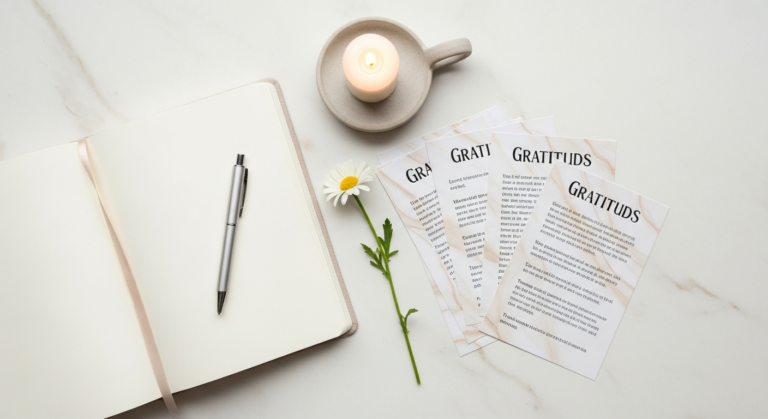
A simple journal can be a powerful tool for cultivating self-awareness and self-compassion. Take a few minutes each day to write down your thoughts, feelings, and experiences without editing or judgment. Use it to reflect on your mindful moments, acknowledge challenges, and practice gratitude. Listing three things you are grateful for each day can significantly shift your perspective towards positivity.
-
Integrating Self-Care Practices
Mindful living is deeply intertwined with self-care. Make time for activities that genuinely replenish you. This could be a warm bath with essential oils, reading a book (yes, a physical one!), pursuing a creative hobby, or simply sitting quietly with a cup of tea. These aren’t luxuries; they are essential practices that allow you to show up more fully and mindfully in all areas of your life.
Sustaining Your Mindful Journey: Long-Term Well-being
Mindful living is not a destination; it’s a lifelong journey. To truly integrate it into your home and life for lasting well-being, consider these strategies:
-
Consistency Over Intensity
It’s better to practice mindfulness for 5-10 minutes consistently every day than to attempt an hour-long session once a week and then give up. Small, regular doses build habits and reinforce neural pathways for calm and focus. Start small and gradually increase as you feel comfortable.
-
Regular Check-ins with Yourself
Periodically pause throughout your day and ask: “How am I feeling right now? What do I need?” This simple check-in can prevent you from becoming overwhelmed and helps you realign with your intentions. Use a chime or a gentle reminder app if needed.
-
Seeking Support and Community
You don’t have to embark on this journey alone. Connect with online communities, local mindfulness groups, or even a trusted friend who is also interested in mindful living. Sharing experiences and insights can be incredibly empowering and supportive. If you feel stuck or are struggling with significant stress or anxiety, consider seeking guidance from a mindfulness coach or a mental health professional.
-
Adapting Practices as Life Changes
Life is dynamic, and your mindful practices should be too. What worked when your children were toddlers might not work now that they’re teenagers. Be flexible and willing to adapt your routines. The core principle of presence remains, but the ways you cultivate it can evolve with your life’s seasons. The key is to keep returning to that awareness, no matter what changes life brings.