Cultivating Your Sanctuary: The Ultimate Guide to Creating Your Home Wellness Routine
At Veralyn Media, we believe that true wellness begins where you are – and for many of us, that’s right within the walls of our own homes. Creating a dedicated home wellness routine isn’t about adding more to your already overflowing plate; it’s about strategically infusing your daily life with practices that replenish your energy, soothe your mind, and invigorate your spirit. It’s about taking proactive steps to safeguard your mental, physical, and emotional health, transforming your living space into a haven of holistic well-being.
This comprehensive guide is designed to empower you with the knowledge, inspiration, and practical tools to craft a personalized home wellness routine that truly serves you. We’ll explore science-backed strategies, offer actionable tips, and help you build sustainable habits, all delivered with the warmth and wisdom of a trusted women’s health coach. Get ready to reclaim your space, reconnect with yourself, and cultivate a life that feels balanced, vibrant, and deeply fulfilling.
1. Laying the Foundation: Understanding Your Personal Wellness Blueprint
Before you can build a robust home wellness routine, you need to understand what wellness truly means to you. Just as every woman is unique, so too are her needs for replenishment and growth. This foundational step involves honest self-reflection and identifying your core wellness pillars.
The Power of Self-Assessment: What Do You Truly Need?
Often, we react to burnout rather than proactively preventing it. Take a moment to pause and consider your current state across various dimensions of your life. Ask yourself:
- Physical Health: Am I getting enough restorative sleep? Am I moving my body regularly in ways that feel good? Am I nourishing myself with wholesome foods and adequate hydration? Do I often feel fatigued or energized?
- Mental Health: Do I frequently feel overwhelmed, anxious, or stressed? Do I have outlets for processing my thoughts and emotions? Do I allow myself moments of quiet and mental rest?
- Emotional Well-being: Am I connecting authentically with loved ones? Do I practice self-compassion? Am I experiencing joy and contentment, or am I often feeling irritable or sad?
- Spiritual/Purpose: Do I feel a sense of purpose or meaning in my daily life? Am I connecting with something greater than myself (whether through nature, meditation, community, or personal values)?
- Environmental: Does my home environment support my well-being, or does it contribute to stress?
Science-Backed Insight: Research consistently shows that self-awareness is a cornerstone of emotional intelligence and overall well-being. Understanding your internal states and external triggers allows you to make conscious choices that support your health, rather than falling into reactive patterns. A study published in the Journal of Personality and Social Psychology highlighted the significant role of self-reflection in personal growth and goal attainment.
Identifying Your Core Values and Non-Negotiables
Your wellness routine should align with your deepest values. What truly matters to you? Is it peace, vitality, connection, creativity, or growth? Once you identify your core values, your routine can become a daily expression of them. Furthermore, pinpoint your “non-negotiables” – those few things that, when consistently neglected, significantly impact your well-being. For one woman, it might be 7 hours of sleep; for another, a 20-minute walk in nature. These are the cornerstones of your routine.
Step-by-Step Guidance:
- Grab a journal or a piece of paper.
- Write down your answers to the self-assessment questions above. Be honest and gentle with yourself.
- List 3-5 core values that you want your life to reflect.
- Identify 1-3 non-negotiable wellness practices that, if you don’t do them, you feel noticeably “off.”
This clarity will be your compass as you design a routine that is truly bespoke to you.
2. Designing Your Sanctuary: Optimizing Your Home Environment for Well-being
Your physical environment profoundly impacts your mood, energy levels, and overall sense of peace. Transforming your home into a sanctuary is a powerful step in creating a supportive wellness routine. This isn’t about a complete overhaul, but rather intentional adjustments that foster calm and positivity.
Declutter for Clarity and Calm
A cluttered space often leads to a cluttered mind. Neuroscientists have shown that excessive visual stimuli in our environment can compete for our attention, increasing stress levels and decreasing our ability to focus. Begin by identifying one area in your home that causes you stress – perhaps your nightstand, a kitchen counter, or your desk. Dedicate 15-30 minutes to decluttering it. The goal isn’t perfection, but progress and creating pockets of peace.
- Tip: Adopt the “one in, one out” rule for new purchases. Regularly review items and ask yourself: “Does this bring me joy or serve a purpose?” If not, let it go.
- Tool Recommendation: Simple storage solutions like decorative baskets, drawer dividers, or wall-mounted shelves can help keep surfaces clear and organized.
Harness the Power of Natural Light and Fresh Air
Natural light (and darkness) plays a critical role in regulating our circadian rhythm, which impacts sleep, mood, and energy. Maximize natural light by opening curtains and blinds during the day. Consider sheer curtains instead of heavy drapes in areas where you want light without sacrificing privacy. Fresh air also purifies your space and can boost mood. Even a few minutes of open windows can make a difference.
- Science-Backed Insight: Exposure to natural light during the day helps regulate melatonin production, leading to better sleep at night. Studies have also linked exposure to natural light with reduced symptoms of depression and improved cognitive function.
- Tip: Open windows for 10-15 minutes each morning to air out your home, especially bedrooms.
Infuse Nature and Soothing Elements
- Plants: Low-maintenance options like snake plants, ZZ plants, or Pothos are excellent for beginners.
- Aromatherapy: Use an essential oil diffuser with calming scents like lavender, chamomile, or frankincense for relaxation, or citrus scents for an energy boost.
- Comforting Textures: Soft blankets, plush pillows, and warm rugs can create a cozy and inviting atmosphere.
- Gentle Sounds: Consider a white noise machine or a small indoor water fountain for ambient, calming sounds.
Product Recommendation: A high-quality essential oil diffuser and a selection of therapeutic-grade essential oils can be a game-changer for setting the mood in your home.
3. Nourishing Your Body: Physical Well-being Practices at Home
Our physical health is the bedrock of our overall well-being. A home wellness routine offers incredible opportunities to prioritize nourishing your body from the inside out, often with simple yet profoundly impactful practices.
Hydration and Mindful Eating
The foundation of physical wellness often starts with what we consume. Adequate hydration is crucial for energy, cognitive function, and skin health. Mindful eating, on the other hand, shifts our relationship with food from automatic consumption to an intentional, appreciative act.
- Hydration Tips:
- Start your day with a large glass of water, perhaps with a squeeze of lemon.
- Keep a reusable water bottle easily accessible throughout your home.
- Set reminders on your phone to drink water if you often forget.
- Science-Backed Insight: Even mild dehydration can impair mood, concentration, and energy levels. Aim for at least 8 glasses of water daily, adjusting based on activity levels.
- Mindful Eating Tips:
- Before eating, take three deep breaths to center yourself.
- Eat slowly, savoring each bite and noticing the textures, flavors, and aromas.
- Put down your fork between bites.
- Listen to your body’s hunger and fullness cues.
- Create a peaceful eating environment – turn off the TV, put away your phone.
Movement That Feels Good
You don’t need a gym membership to incorporate beneficial movement into your day. Your home can be your personal fitness studio, tailored to your preferences and energy levels. The key is to find movement that you genuinely enjoy and that makes your body feel good.
- Morning Wake-Up: Start your day with gentle stretches or a short yoga flow (many free videos are available online). This can increase blood flow and mental clarity.
- Desk Breaks: If you work from home, integrate “movement snacks” – stand up, stretch, walk around for 5 minutes every hour.
- At-Home Workouts: Explore bodyweight exercises, dance workouts, Pilates, or even walking laps around your house or garden.
- Science-Backed Insight: Regular physical activity is a potent antidote to stress, anxiety, and depression. It boosts endorphins, improves cognitive function, and enhances sleep quality. The American Heart Association recommends at least 150 minutes of moderate-intensity aerobic activity per week.
- Tool Recommendation: A comfortable yoga mat, resistance bands, or light dumbbells can enhance your at-home workout experience.
Prioritizing Restorative Sleep
Sleep is not a luxury; it’s a biological necessity. Neglecting sleep can undermine every other wellness effort. Your home wellness routine should prioritize creating an optimal sleep environment and consistent sleep habits.
- Create a Sleep Sanctuary:
- Keep your bedroom dark (blackout curtains are excellent), quiet, and cool (ideally 60-67°F or 15-19°C).
- Remove electronic devices from the bedroom or turn them off at least an hour before bed. The blue light emitted by screens can disrupt melatonin production.
- Use comfortable bedding and pillows.
- Establish a Consistent Bedtime Routine:
- Go to bed and wake up at roughly the same time each day, even on weekends.
- Engage in relaxing activities before bed: a warm bath with Epsom salts, reading a physical book, gentle stretching, or listening to calming music.
- Science-Backed Insight: Consistent sleep-wake times reinforce your body’s natural circadian rhythm, improving sleep quality and duration. Chronic sleep deprivation is linked to numerous health issues, including increased risk of heart disease, diabetes, and mental health disorders.
- Product Recommendation: A weighted blanket can provide a calming sensation, and a high-quality sleep mask can block out unwanted light.
4. Cultivating Mental & Emotional Resilience: Nurturing Your Inner World
Beyond the physical, a truly holistic home wellness routine deeply nurtures your mental and emotional landscape. In a world that constantly demands our attention, creating space for introspection and emotional regulation is paramount for women’s well-being.
Mindfulness and Meditation Practices
Mindfulness is the practice of being present and fully engaged in the current moment, without judgment. Meditation is a formal practice to cultivate mindfulness and train attention and awareness. Even a few minutes a day can yield profound benefits.
- Beginner-Friendly Tips:
- 5-Minute Breath Awareness: Find a quiet spot, close your eyes, and simply focus on the sensation of your breath entering and leaving your body. When your mind wanders (and it will!), gently guide it back to your breath.
- Mindful Moments: Integrate mindfulness into daily activities – mindfully drink your tea, take a mindful walk, or wash dishes mindfully, paying attention to sensations.
- Science-Backed Insight: Neuroimaging studies have shown that regular meditation can lead to structural changes in the brain, including increased gray matter in areas associated with attention, emotional regulation, and self-awareness. It effectively reduces stress, anxiety, and improves emotional control.
- Tool Recommendation: Guided meditation apps like Calm or Headspace offer a wide range of programs for all levels, making it easy to start a practice at home.
Journaling for Clarity and Emotional Release
Journaling is a powerful tool for self-discovery, stress reduction, and emotional processing. It provides a private space to explore thoughts and feelings without judgment, helping you gain perspective and identify patterns.
- Types of Journaling:
- Free-Form “Brain Dump”: Simply write whatever comes to mind for 10-15 minutes, without editing or censoring.
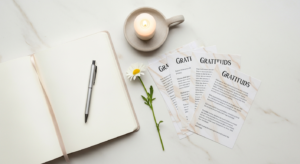
- Gratitude Journaling: List 3-5 things you are grateful for each day. This shifts your focus to positive aspects of your life.
- Prompt-Based Journaling: Use prompts like “What’s on my mind right now?” or “What emotions am I feeling and why?” to guide your reflection.
- Science-Backed Insight: Research published in Psychosomatic Medicine indicates that expressive writing (journaling) can improve physical and psychological health, reduce stress, and boost immune function.
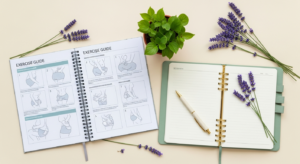
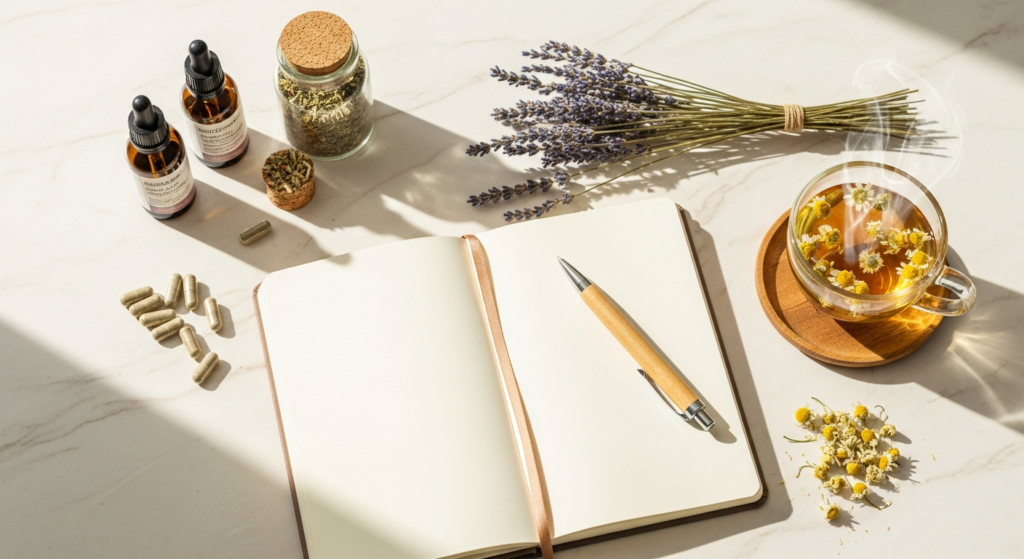
- Tool Recommendation: A beautiful, dedicated journal and a favorite pen can make the practice more inviting.
Conscious Digital Detox
In our hyper-connected world, constant digital stimulation can contribute to mental fatigue and overwhelm. Incorporating digital detox periods into your home wellness routine is crucial for mental clarity and emotional peace.
- Tips for a Digital Recharge:
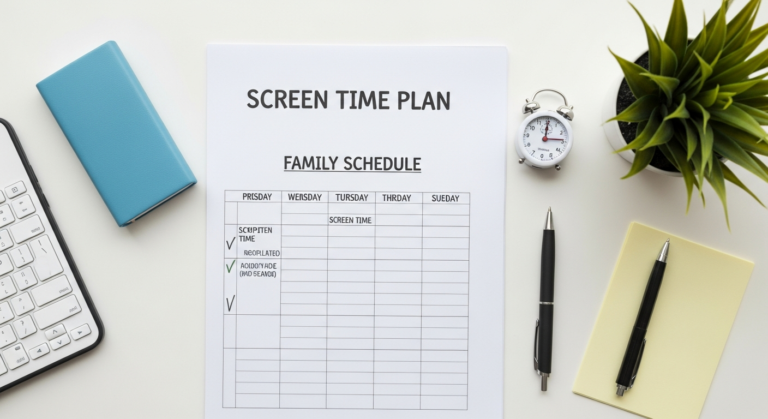
- Designate “screen-free zones” in your home (e.g., the dining table, the bedroom).
- Implement “digital curfews” – no screens after a certain time in the evening.
- Schedule intentional breaks from social media or news consumption.
- Replace screen time with activities like reading, a hobby, or spending time in nature.
- Science-Backed Insight: Excessive screen time, particularly before bed, can disrupt sleep patterns and contribute to anxiety and depression. Limiting digital engagement creates space for more restorative activities and genuine human connection.
5. Connecting with Your Spiritual Self: Finding Meaning and Purpose
For many women, wellness extends beyond the physical and mental to encompass a sense of meaning, purpose, and connection to something larger than themselves. This spiritual dimension is highly personal and doesn’t necessarily refer to organized religion, but rather to cultivating inner peace and alignment with your values.
Mindful Connection with Nature
Even if you live in an urban environment, finding ways to connect with nature at home or nearby can be incredibly grounding. The practice of “forest bathing” (Shinrin-Yoku) involves immersing oneself in the atmosphere of the forest, but its principles can be adapted.
- At-Home Nature Connection:
- Place indoor plants strategically in your living spaces.
- Spend time near a window, observing the sky, trees, or weather.
- Listen to nature sounds (rain, birdsong) while meditating or relaxing.
- If you have a balcony or garden, spend time there mindfully, noticing the sensations, smells, and sights.
- Science-Backed Insight: Exposure to natural environments has been shown to reduce stress hormones, lower blood pressure, improve mood, and enhance feelings of awe and gratitude. Even looking at pictures of nature can have a positive impact.
Practices for Intention and Reflection
Cultivating a spiritual dimension often involves setting intentions, reflecting on your values, and practicing gratitude. These practices help you live more consciously and align your actions with your purpose.
- Morning Intention Setting: Each morning, take a moment to set an intention for your day. It could be a single word (e.g., “Patience,” “Joy,” “Presence”) or a short phrase (“I will approach challenges with calm”).
- Evening Reflection: Before bed, reflect on your day. What went well? What challenged you? How did you embody your values? What did you learn?
- Gratitude Practice: Beyond journaling, verbally express gratitude to loved ones, or simply acknowledge small blessings throughout your day.
- Science-Backed Insight: Regularly practicing gratitude is linked to increased happiness, improved relationships, and greater resilience in the face of adversity. Intentional living fosters a sense of control and purpose.
Creative Expression and Hobbies
Engaging in creative activities can be a deeply spiritual and meditative experience, allowing you to connect with your inner self and express unique aspects of your being. It’s not about perfection, but the process.
- Explore a Hobby: Dedicate time in your routine for activities like painting, drawing, knitting, playing a musical instrument, writing poetry, gardening, or cooking.
- Mindful Creation: Approach your creative pursuit with a sense of curiosity and presence, enjoying the journey of making.
- Science-Backed Insight: Creative expression has been shown to reduce stress, improve mood, boost self-esteem, and provide a sense of accomplishment and flow state, which is deeply satisfying.
6. Building Sustainable Habits: Making Your Routine Stick
Creating a home wellness routine is a journey, not a destination. The real magic happens when these practices become consistent, integrated habits. This section focuses on the practical strategies for making your routine sustainable and adaptable to life’s inevitable ebbs and flows.
Start Small and Build Gradually
The biggest mistake people make when starting a new routine is trying to do too much too soon. This leads to overwhelm and eventual burnout. Instead, embrace the power of small, consistent steps.
- The 2-Minute Rule: If a new habit takes less than two minutes, do it. Want to meditate? Just sit for two minutes. Want to read more? Read one page. This builds consistency without intimidation.
- One Habit at a Time: Focus on integrating one new wellness practice into your routine until it feels natural, then gradually add another.
- Science-Backed Insight: Behavioral psychology emphasizes that small, achievable steps are crucial for habit formation. Psychologist B.J. Fogg’s Tiny Habits method highlights how linking new, tiny behaviors to existing routines makes them stick.
Schedule It and Stack It
If it’s not scheduled, it often doesn’t happen. Treat your wellness practices with the same importance as any other appointment.
- Time Blocking: Dedicate specific time slots in your calendar for your wellness activities. Even 15-30 minutes daily can make a huge difference.
- Habit Stacking: Link a new habit to an existing one. For example, “After I brew my coffee (existing habit), I will do 5 minutes of stretching (new habit).” Or “After I brush my teeth at night (existing habit), I will write three things I’m grateful for in my journal (new habit).”
- Create Visual Reminders: Place your yoga mat in a visible spot, keep your water bottle on your desk, or have your journal next to your bed.
Embrace Flexibility and Self-Compassion
Life happens! There will be days when you miss a practice, or when your carefully planned routine goes awry. This is normal. The key is to avoid the “all-or-nothing” trap.
- No Perfection Required: Don’t strive for perfection; strive for consistency over time. If you miss a day, simply pick up where you left off the next day without judgment.
- Adapt and Adjust: Your routine should evolve with you. As your life circumstances change, or as you discover what truly works (or doesn’t work) for you, be willing to adapt your practices.
- Practice Self-Compassion: Instead of criticizing yourself for a missed day, offer yourself kindness and understanding. Remind yourself that you’re human and that every day is a new opportunity to nurture your well-being.
- Science-Backed Insight: Research shows that self-compassion is a more effective motivator for long-term change and resilience than self-criticism. It helps us bounce back from setbacks rather than giving up entirely.