

Laying the Foundation: The Power of Thoughtful Planning and Budgeting
The secret to a successful home remodel, especially for busy women juggling multiple responsibilities, lies in meticulous planning. Think of it as mapping out a grand adventure; just as you’d meticulously plan a family RV road trip, your home renovation requires a clear itinerary, a solid budget, and contingency plans. Skipping this crucial phase often leads to stress, unexpected costs, and compromises on your vision.
Defining Your Vision and “Why”: Before you even think about paint swatches or cabinet styles, take time to clarify what you want to achieve. Is it more natural light to boost your mood and Vitamin D intake? A more organized kitchen to support healthy cooking habits? A serene bedroom that promotes restful sleep? Understanding your “why” will anchor your decisions and ensure the remodel genuinely enhances your life. Create a vision board with images, materials, and colors that resonate with your desired outcome. Consider how each space will be used by every family member, and how it can contribute to overall wellness.
- Functionality First: How can your space work harder for you? Think about flow, storage, and ease of maintenance.
- Aesthetic Appeal: What styles and atmospheres inspire you?
- Long-Term Goals: Are you planning to stay in this home for decades, or is this an investment for future resale?
Crafting a Realistic Budget and Contingency: One of the most common home renovation dos and donts is underestimating costs. Be realistic about what you can afford and always, always factor in a contingency fund – typically 10-20% of your total budget. This buffer is crucial for unexpected issues, which are almost inevitable in any construction project, from discovering old plumbing problems to finding a must-have fixture that’s slightly over budget. Start by researching average costs for similar projects in your area, and then obtain multiple detailed quotes from contractors.
- Detailed Cost Breakdown: Insist on itemized quotes covering labor, materials, permits, and any subcontractor fees.
- Material Selection: Understand that material choices significantly impact cost. Research durable, high-quality options that align with your health and budget goals.
- Professional Fees: Don’t forget architectural, design, or engineering fees if your project requires them.
Researching and Vetting Professionals: Your contractor and design team are your partners in this journey. Choose wisely. Seek recommendations from friends, family, and trusted community groups. Interview several contractors, check their references, review their portfolios, and ensure they are licensed and insured. A good contractor will communicate clearly, respect your budget, and be transparent about timelines and potential challenges. This due diligence is paramount to avoid future headaches and ensure a smooth process.
Navigating Permits and Regulations: Depending on the scope of your remodel, you’ll likely need permits from your local municipality. This isn’t just bureaucracy; permits ensure your project meets safety codes and structural standards. Ignorance is not bliss here; proceeding without necessary permits can lead to fines, stop-work orders, and difficulties when selling your home. Your chosen contractor should be knowledgeable about local requirements and assist with the permit application process. Factor the time and cost of permits into your overall project timeline and budget.
Designing for Wellness: Creating Spaces that Nurture Body and Mind

For health-conscious women, a home is more than just shelter; it’s a sanctuary that actively supports well-being. When remodeling, intentionally design spaces that promote physical health, mental clarity, and emotional balance. This involves thoughtful choices about light, air, materials, and organization.
Embracing Natural Light and Ventilation: Maximizing natural light is a cornerstone of healthy home design. Sunlight boosts mood, regulates circadian rhythms, and can even have antimicrobial properties. Consider larger windows, skylights, or even light tubes to bring more daylight into darker areas. Proper ventilation is equally vital for indoor air quality. Kitchens and bathrooms, in particular, should have efficient exhaust fans to remove moisture and pollutants. Cross-ventilation strategies, like placing windows on opposite walls, can help circulate fresh air naturally. Good air quality is essential for respiratory health and overall vitality, making it a key focus for any Veralyn Media reader.
Selecting Non-Toxic and Sustainable Materials: Your home’s materials directly impact your family’s health. Many conventional building materials and finishes off-gas volatile organic compounds (VOCs) which can contribute to respiratory issues, headaches, and other health concerns. Opt for low-VOC paints, sealants, and adhesives. Look for flooring options like solid wood, cork, bamboo, or natural linoleum instead of synthetic carpets that can trap allergens and emit chemicals. When choosing countertops, consider natural stone, recycled glass, or reclaimed wood. Prioritize sustainable materials that are durable, reduce environmental impact, and contribute to a healthier indoor environment. This conscious choice is an investment in your family’s long-term wellness.
- Paints: Choose zero-VOC or low-VOC formulas.
- Flooring: Opt for natural materials like wood, cork, or tile.
- Insulation: Research natural fiber options like cotton, wool, or cellulose.
- Cabinetry: Look for solid wood or plywood with low-VOC finishes, avoiding particleboard or MDF that often contain formaldehyde.
Ergonomics and Functionality for Daily Life: Design your spaces to support ease and comfort in your daily routines. In the kitchen, this means planning a functional “work triangle” between the sink, stove, and refrigerator to minimize steps. Consider counter heights that are comfortable for you and your family, and integrate smart storage solutions to reduce clutter. In a home office, invest in an ergonomic chair and a desk setup that supports good posture. Even in bathrooms, thoughtful placement of towel bars, accessible storage, and comfortable shower benches can make a significant difference. Ergonomic design prevents strain and makes daily tasks more enjoyable, contributing to your overall physical well-being.
Clutter Reduction and Organization Systems: A cluttered home can lead to a cluttered mind, impacting mental clarity and contributing to stress. Integrate clever storage solutions into your remodel plans. Think built-in shelving, custom cabinetry, pantry systems, and mudroom lockers. Every item should have a designated home, making it easier to maintain order and reduce visual noise. Designate zones for specific activities and ensure each area has appropriate storage. A well-organized home provides a sense of calm and control, allowing you to focus on what truly matters.
Color Psychology for Mood Enhancement: Colors have a profound impact on our emotions and energy levels. Choose palettes that align with the intended function and mood of each room. Soft blues, greens, and neutrals can promote relaxation and tranquility in bedrooms and bathrooms. Warm, earthy tones can create a cozy and inviting atmosphere in living spaces. Brighter, more energetic colors might be suitable for a home gym or a creative workspace. Research color psychology to make intentional choices that enhance the emotional landscape of your home, ensuring each space supports your desired state of mind.
Navigating the Remodel Journey: Practical Tips for a Smooth Process
Effective Communication with Your Team: Open and consistent communication is the bedrock of a successful remodel. Establish clear channels and expectations with your contractor and any designers involved. Schedule regular check-ins – daily brief updates or weekly longer meetings – to discuss progress, address concerns, and make decisions. Don’t be afraid to ask questions or voice your preferences. Remember, you are the client, and your vision is paramount. A good contractor will appreciate your engagement and transparency. Avoid making assumptions; clarify everything in writing, especially significant changes or additions to the scope of work.
Preparing Your Home for Construction: Before the first hammer swings, take steps to protect your belongings and create a safer environment. Move furniture out of the work zone or cover it thoroughly with plastic sheeting. Remove wall art, fragile items, and anything of sentimental value. Designate a “no-go” area for children and pets to ensure their safety. If possible, set up a temporary kitchen or living area if your main spaces are undergoing renovation. For example, during a kitchen remodel, you might create a makeshift cooking station with a microwave, toaster oven, and mini-fridge in another room. This preparedness will significantly reduce stress and damage during the construction period.
Managing Daily Life Amidst Disruption: Living through a renovation can be challenging, but it’s temporary. Embrace flexibility and practice self-compassion. Dust, noise, and contractors in your space are part of the process. Establish clear boundaries with your family and the construction crew. If the noise is overwhelming, plan outings or work remotely if possible. Maintain healthy routines as much as you can – nutritious meals, regular exercise, and adequate sleep are even more important when your environment is in flux. Consider it a test of your adaptability, much like adjusting to new routines when planning for retirement or embarking on an extended RV road trip. Lean on your support network for help with meals or childcare if needed.
Prioritizing Self-Care and Mindfulness: The emotional toll of a remodel can be surprisingly high. It’s easy to get caught up in the details and the disruption. Make self-care a non-negotiable part of your routine. Dedicate time each day for activities that calm you, whether it’s meditation, a walk in nature, reading, or simply enjoying a cup of tea in a quiet corner of your home. Practice mindfulness to stay present and avoid dwelling on potential frustrations. Remember your “why” – the beautiful, functional, and healthy space you are creating. This perspective will help you navigate the temporary discomfort with grace and resilience.
Inspections and Quality Control: While your contractor is responsible for quality work, it’s wise to perform your own regular inspections. Don’t hesitate to point out anything that doesn’t meet your expectations or the agreed-upon standards. Address issues promptly rather than letting them fester. During the final walkthrough, create a detailed punch list of any items needing correction or completion. Ensure everything is finished to your satisfaction before making the final payment. This proactive approach ensures the end result is exactly what you envisioned and expected.
Smart Upgrades for Long-Term Value and Lifestyle Enhancement
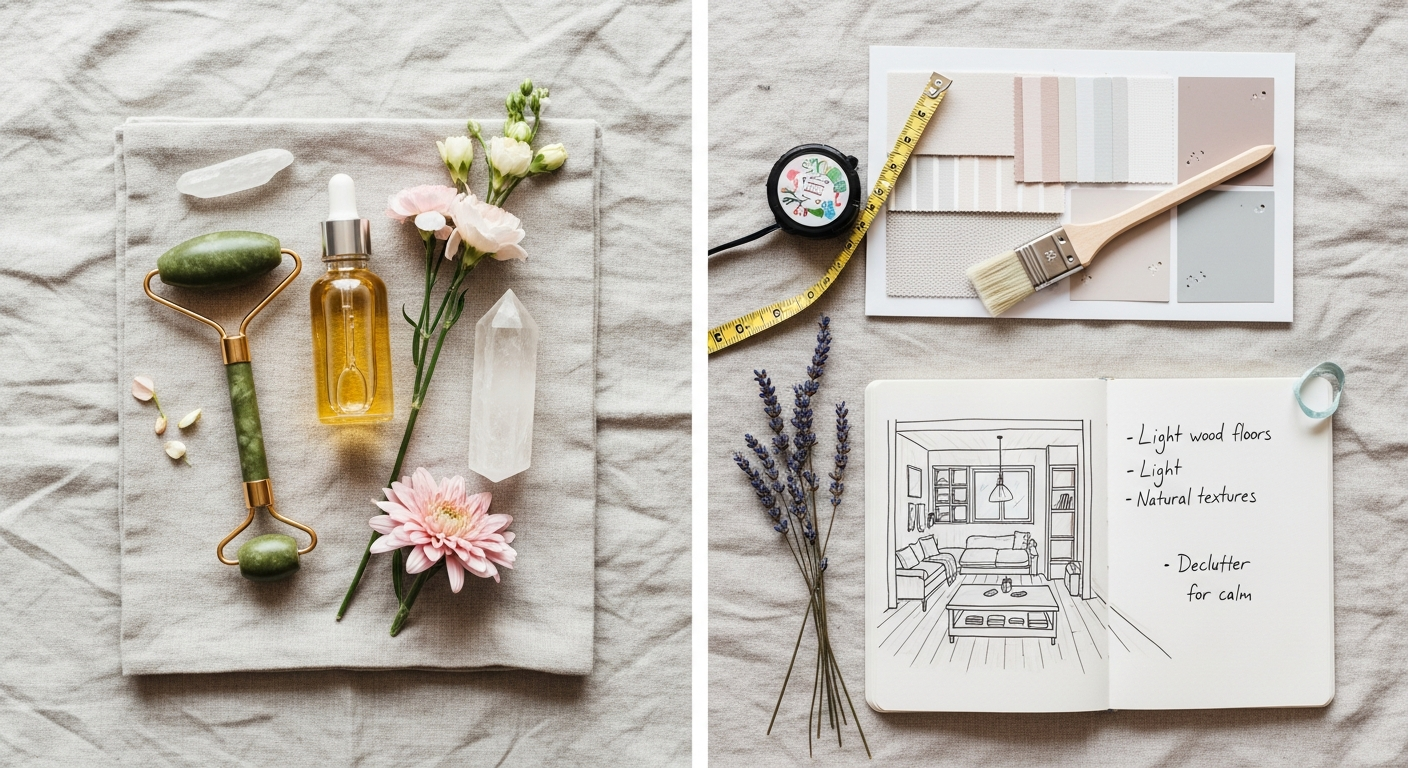
When planning your home remodel, think beyond immediate aesthetics to consider upgrades that offer significant long-term value, enhance your lifestyle, and potentially prepare your home for future needs, much like how one plans finances for retirement to stay on top of their health and financial security. Smart choices now can yield benefits for years to come.
High-Impact Kitchen and Bathroom Remodels: These two areas consistently offer the highest return on investment (ROI) and significantly impact daily quality of life. A modern, functional kitchen with updated appliances, ample storage, and durable countertops can make healthy meal preparation a joy. Consider energy-efficient appliances to reduce utility bills and environmental impact. In bathrooms, creating a spa-like retreat with walk-in showers, good lighting, and soothing color palettes can transform your daily routine into a moment of self-care. Prioritize water-saving fixtures and good ventilation to prevent mold and mildew, contributing to a healthier home environment.
- Kitchen: Focus on layout, high-quality appliances, durable surfaces, and smart storage.
- Bathroom: Emphasize comfort, efficiency, water conservation, and a serene ambiance.
- Lighting: Layered lighting in both spaces is key – task, ambient, and accent.
Energy Efficiency and Smart Home Integration: Investing in energy-efficient upgrades is a wise financial and environmental decision. Upgrading to energy-efficient windows can reduce heating and cooling costs and improve indoor comfort. Adding insulation to walls and attics is another cost-effective way to save energy. Consider smart thermostats, lighting systems, and appliances that can be controlled remotely, offering convenience and further energy savings. These technologies can optimize your home’s performance, reduce your carbon footprint, and contribute to a more comfortable living environment. Think of it as future-proofing your home, just as you would future-proof your retirement finances.
Creating Multi-Functional Spaces: As life evolves, so do our needs. Design spaces that can adapt. A spare bedroom can be a guest room, a home office, and a yoga studio all in one, with the right furniture and layout. A basement can transform into a family entertainment zone, a home gym, or an additional living suite. This flexibility ensures your home remains relevant and useful for years, accommodating changing family dynamics, hobbies, or even the possibility of multi-generational living. Maximizing every square foot adds immense value and functionality.
Accessibility and Aging-in-Place Considerations: Even if retirement seems far off, considering accessibility now can save significant costs and stress later. Incorporate universal design principles where possible: wider doorways, lever handles instead of knobs, curbless showers, and reinforced walls for future grab bar installation. Planning for aging in place means creating a home that can comfortably and safely accommodate you and your loved ones through all stages of life. This foresight is a powerful investment in your future well-being and independence, mirroring the proactive health and financial planning advised for adjusting to retirement.
Outdoor Living Spaces for Enhanced Well-being: Don’t forget the power of the outdoors. Creating inviting outdoor living spaces – a patio, deck, or a cozy garden nook – extends your living area and connects you with nature. These spaces offer opportunities for relaxation, entertaining, and enjoying fresh air, all of which contribute to mental and physical health. Consider features like pergolas for shade, outdoor kitchens for al fresco dining, or comfortable seating areas. Integrating indoor and outdoor living seamlessly enhances your overall lifestyle and property value.
Post-Renovation Bliss: Settling In and Maintaining Your Sanctuary
The dust has settled, the contractors have departed, and your newly remodeled space awaits. This final phase is about enjoying the fruits of your labor, personalizing your renewed sanctuary, and establishing routines to maintain its beauty and functionality for years to come.
The Grand Reveal and Deep Clean: The first step after any major renovation is a thorough, professional deep clean. Construction dust can settle everywhere, even in areas that weren’t directly part of the remodel. Hire a professional cleaning service experienced in post-construction clean-up to ensure every surface is spotless and free of fine particulate matter. This step is crucial for both aesthetics and indoor air quality, ensuring your fresh, new space is truly ready for healthy living. Once the cleaning is done, take a moment to truly appreciate the transformation. Walk through each room, noticing the details, the light, and the atmosphere you’ve created.
Personalizing Your Renewed Space: Now comes the fun part: making your newly remodeled house feel like home. Bring in your personal touches – artwork, plants, textiles, and cherished mementos. Arrange furniture to optimize flow and comfort. Consider new decorative elements that complement your updated aesthetic. This is where your personality shines through, transforming a beautifully constructed space into a warm, inviting sanctuary. Remember that plants not only add beauty but also improve air quality, aligning with our focus on holistic wellness.
- Artwork & Photography: Display pieces that inspire joy and reflection.
- Textiles: Add soft rugs, throws, and pillows for comfort and texture.
- Greenery: Incorporate indoor plants for a touch of nature and air purification.
- Scent: Use essential oil diffusers or natural candles to create an inviting aroma.
Establishing New Routines and Habits: A remodeled home often inspires new ways of living. If your kitchen is now more functional, embrace new healthy cooking routines. If you’ve created a dedicated meditation nook, commit to daily mindfulness practices there. A well-organized mudroom might encourage better habits for dropping bags and shoes, reducing clutter in main living areas. Leverage your refreshed environment to support the healthy habits you aspire to, ensuring your home actively contributes to your desired lifestyle. Your home is now a tool for a healthier, more organized, and peaceful existence.
Routine Maintenance for Lasting Beauty: To protect your investment and keep your home looking its best, establish a routine maintenance schedule. This includes regular cleaning, checking for leaks, inspecting paintwork, and addressing minor repairs promptly. Understand the care requirements for your new materials – whether it’s sealing natural stone countertops or properly cleaning new flooring. Proactive maintenance prevents small issues from becoming costly problems down the line, ensuring your remodeled spaces continue to bring you joy and value for many years, much like maintaining your health through consistent efforts during retirement.
Reflecting on Your Journey: Take a moment to reflect on the entire remodeling process. What did you learn? What would you do differently next time? Every renovation is a learning experience. Celebrate your achievement and the beautiful, functional, and healthy home you’ve created. This space is a testament to your vision, resilience, and commitment to building a life that truly nourishes you. Enjoy your Veralyn Media-inspired sanctuary!
FAQ: Home Remodeling Tips for Health-Conscious Women
Q1: How do I ensure my renovation budget stays on track, especially with rising costs in 2026?
A1: Start with a detailed, realistic budget that includes a 10-20% contingency fund for unexpected issues. Get multiple itemized quotes from contractors and compare not just prices, but also the scope of work and quality of materials. Be proactive in researching material costs and consider locking in prices where possible. Throughout the project, communicate regularly with your contractor about spending and any potential cost overruns, addressing them immediately. Avoiding scope creep – adding new features once the project has started – is also crucial for budget adherence.
Q2: What are the most important health considerations when choosing renovation materials?
A2: Prioritize materials that are low in VOCs (Volatile Organic Compounds) for paints, sealants, and adhesives to improve indoor air quality. Opt for natural flooring options like solid wood, cork, or tile over synthetic carpets. Look for formaldehyde-free cabinetry and insulation. Research product certifications (e.g., GreenGuard, Cradle to Cradle) to ensure materials meet strict health and environmental standards. Adequate ventilation during and after the renovation is also key to off-gassing any lingering chemicals.
Q3: How can I manage the stress and disruption of living through a major home remodel?
A3: Preparation is key. Set up temporary living zones (e.g., a makeshift kitchen). Communicate clearly with your family and contractors about schedules and boundaries. Prioritize self-care: ensure you’re getting enough sleep, eating nutritious meals, and taking breaks from the construction zone. Practice mindfulness or meditation to manage stress. Remember it’s a temporary phase leading to a better home. Drawing parallels to the adaptability needed during a family RV road trip can help maintain perspective.
Q4: What upgrades offer the best return on investment (ROI) for a health-conscious lifestyle?
A4: Kitchen and bathroom remodels generally offer the highest ROI, especially when incorporating health-conscious features like efficient ventilation, water-saving fixtures, and non-toxic materials. Investing in energy-efficient windows, insulation, and smart home technology also reduces utility bills and creates a more comfortable, healthy indoor climate. Creating multi-functional spaces and outdoor living areas also enhances lifestyle and property value, aligning with long-term well-being and future value.
Q5: How can my home remodel support my future needs, particularly as I consider retirement?
A5: Incorporate universal design principles to future-proof your home. This includes wider doorways, curbless showers, lever-style door handles, and good lighting. Consider reinforcing walls in bathrooms for potential grab bar installation. Plan for single-level living options if possible, or ensure easy access to essential areas. These choices not only enhance accessibility but also contribute to a safer, more comfortable home environment that can adapt as your needs change, much like adjusting retirement plans to ensure financial and health stability.
Q6: What are some essential home renovation dos and donts to remember?
A6: Dos: Do plan meticulously, define your “why,” secure a detailed budget with contingency, vet contractors thoroughly, obtain all necessary permits, and prioritize open communication. Do choose health-conscious materials and design for natural light and ventilation. Don’ts: Don’t skip the planning phase, don’t underestimate costs, don’t make assumptions about contractor work, don’t neglect safety, and don’t forget to prioritize your own well-being during the process. Avoid making major design changes mid-project without clear discussion and cost adjustments.
Recommended Resources
Learn more about this topic in How To Cope With Anxiety At Work And Stay Calm at Sometimes Daily.
For more on home remodeling tips, see How To Host A Brunch At Home on Rock Salt Plum.