Why 2021 Was the Perfect Time for Home Revitalization (and Why It’s Still Relevant!)
The year 2021, for many, was a period of profound introspection and adaptation. As we spent more time within our walls, our homes transformed from mere dwellings into multi-functional hubs: offices, schools, gyms, and havens of peace. This intense focus brought every creak, every cluttered corner, and every inefficient layout into sharp relief. It wasn’t just about aesthetics; it was about functionality, comfort, and the psychological impact of our surroundings. The need for spaces that supported our mental clarity, physical health, and emotional resilience became paramount. This shift wasn’t a fleeting trend; it was a fundamental re-evaluation of what home truly means to us. The lessons learned and the improvements initiated in 2021 laid the groundwork for a more mindful approach to home living that continues to resonate powerfully today. The ideas we championed then are not just relevant; they are foundational for creating a sustainable, healthy, and happy home environment for the future.
One of the most significant insights from 2021 was the recognition that our indoor environment directly impacts our health. Air quality, natural light, noise levels, and even the colors on our walls were understood to play a crucial role in our well-being. This awareness fueled a wave of home improvement projects focused on creating healthier living spaces. From upgrading ventilation systems to incorporating more biophilic design elements, homeowners began to prioritize health alongside aesthetics. This holistic approach to home improvement, born out of necessity, has become a cornerstone of modern design philosophy. It teaches us that every decision, from the paint we choose to the plants we bring indoors, contributes to the overall health ecosystem of our home. As we move closer to 2026, these principles will only become more ingrained in our understanding of optimal living.
The increased time at home also highlighted the importance of versatile spaces. A single room often needed to serve multiple purposes throughout the day. This encouraged innovative thinking about furniture choices, storage solutions, and flexible room dividers. For families, the need for distinct zones for work, play, and relaxation became critical, inspiring creative solutions that maximized every square foot. This emphasis on adaptability ensures that our homes can evolve with our changing needs, whether we’re planning a future family RV road trip and need a dedicated space for research and packing, or preparing for the slower pace of adjusting to retirement and desire tranquil, easily accessible areas. These considerations, which gained traction in 2021, are now standard practice for thoughtful home design.
Embracing Wellness Through Thoughtful Home Upgrades
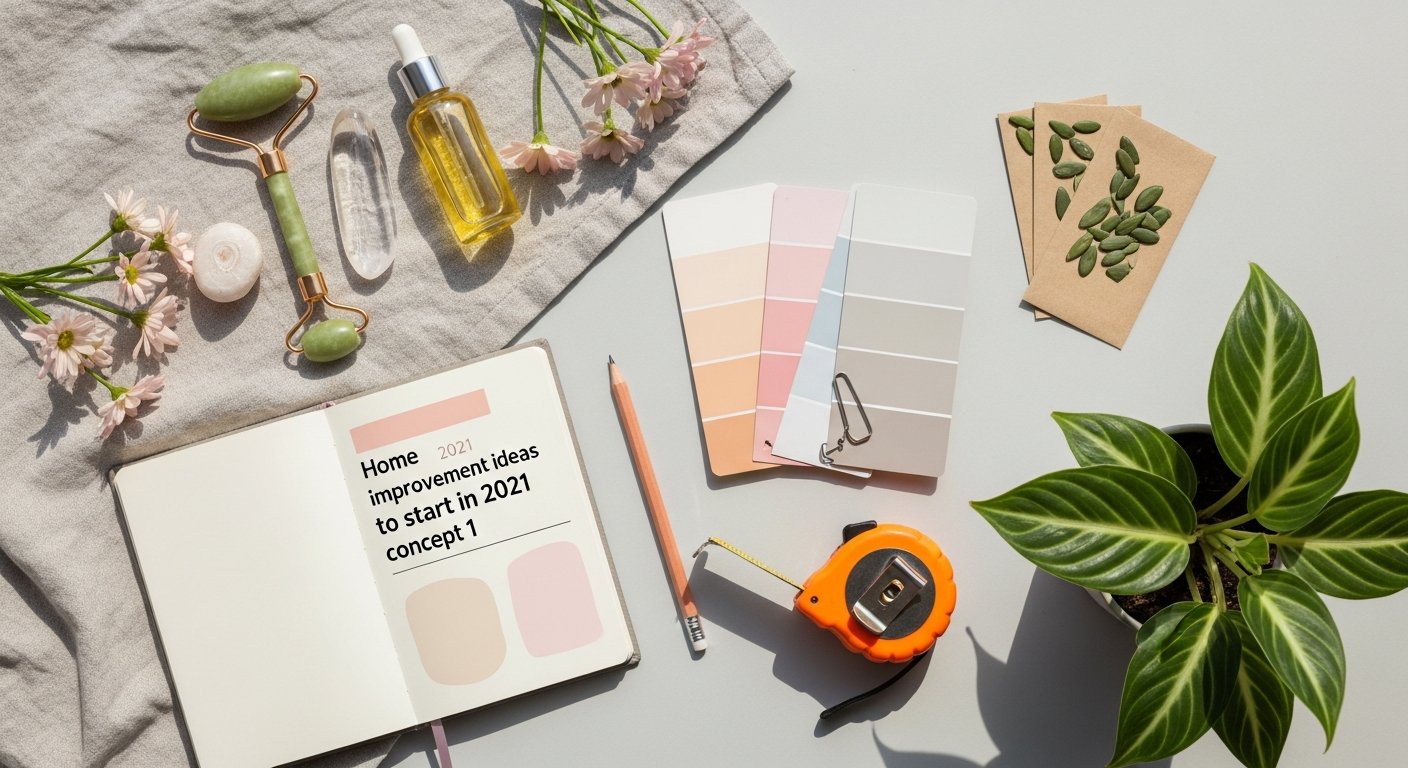
At Veralyn Media, we believe that your home should be a sanctuary that actively supports your wellness journey. Thoughtful home upgrades aren’t just about aesthetics; they’re about creating an environment that promotes physical health, mental clarity, and emotional balance. Many of the trends that gained momentum in 2021 focused precisely on this, transforming homes into havens of health.
Cultivating Indoor Air Quality for Respiratory Health
- Ventilation Systems: Upgrading to a high-efficiency particulate air (HEPA) filtration system or installing an energy recovery ventilator (ERV) can significantly reduce indoor pollutants, allergens, and airborne viruses. This is especially vital for those with respiratory sensitivities or allergies.
- Houseplants: Incorporate air-purifying plants like snake plants, peace lilies, and spider plants. Beyond their aesthetic appeal, they naturally filter toxins from the air, contributing to a fresher, healthier indoor environment.
- Natural Cleaning Products: Transitioning to non-toxic, eco-friendly cleaning supplies reduces your exposure to harsh chemicals, which can irritate airways and impact overall health.
- Humidity Control: Maintaining optimal indoor humidity levels (between 30-50%) can prevent the growth of mold and mildew, common triggers for respiratory issues, and also support skin health.
Maximizing Natural Light and Biophilic Design
Natural light is a powerful mood enhancer and plays a crucial role in regulating our circadian rhythms, which impact sleep quality and energy levels. In 2021, we saw a surge in projects aimed at bringing more daylight indoors.
- Window Upgrades: Consider larger windows, skylights, or sun tunnels to flood your home with natural light. This not only brightens your space but can also reduce the need for artificial lighting, saving energy.
- Strategic Mirror Placement: Mirrors can reflect natural light, making rooms feel larger and brighter. Place them opposite windows or in darker corners to maximize their effect.
- Biophilic Elements: Beyond houseplants, incorporate natural textures like wood and stone, organic patterns, and views of nature into your design. Studies show that a connection to nature reduces stress and improves cognitive function. Think about a small indoor water feature for soothing sounds or a mural depicting a natural landscape.
- Color Psychology: Use calming, nature-inspired color palettes. Soft greens, blues, and earthy tones can evoke a sense of tranquility and connection to the outdoors, reducing anxiety and promoting relaxation.
Creating a Mindful and Clutter-Free Environment
A cluttered home often leads to a cluttered mind. The act of decluttering and organizing, a popular focus in 2021, is a powerful form of self-care.
- Built-in Storage Solutions: Custom shelving, cabinetry, and clever storage solutions can transform chaotic spaces into serene havens. Think vertical storage to maximize wall space.
- Multi-functional Furniture: Ottomans with storage, sofa beds, and expandable dining tables help maintain flexibility and reduce clutter in smaller spaces.
- Dedicated Zones: Create specific zones for different activities – a cozy reading nook, a meditation corner, or a dedicated workspace. This helps delineate functions and promotes focus and relaxation when needed.
- Regular Purging: Adopt a minimalist mindset where every item has a purpose or brings joy. Regular purging, perhaps seasonally, helps maintain order and prevents accumulation, fostering a sense of control and peace.
By thoughtfully integrating these wellness-focused upgrades, you’re not just improving your home; you’re investing in a healthier, happier you. These are the kinds of improvements that pay dividends in daily well-being, a concept that became undeniably clear in 2021 and remains a guiding principle for home design.
Smart & Sustainable Improvements for a Healthier Home
Energy Efficiency: Reducing Your Footprint and Bills
Investing in energy-efficient upgrades is a win-win: it lowers your utility bills and reduces your home’s environmental impact. This was a key focus for many homeowners in 2021.
- Insulation Upgrades: Improving attic, wall, and floor insulation prevents heat loss in winter and heat gain in summer, leading to more stable indoor temperatures and reduced HVAC usage. This directly impacts comfort and can prevent drafts that might exacerbate colds or allergies.
- High-Efficiency Windows and Doors: Replacing old, drafty windows and doors with energy-efficient models (e.g., double or triple-pane glass with low-emissivity coatings) drastically reduces energy consumption and improves soundproofing, contributing to a quieter, more peaceful home.
- Smart Thermostats: These devices learn your preferences and adjust temperature settings automatically, optimizing energy use. Many can be controlled remotely, allowing you to fine-tune your home’s climate for optimal comfort and energy savings. Some models even monitor air quality.
- LED Lighting: Switching to LED bulbs is a simple yet effective upgrade. LEDs consume significantly less energy, last longer, and produce less heat, contributing to a cooler home environment.
- Solar Panels: For a larger investment, installing solar panels can dramatically reduce or even eliminate your electricity bills, making your home more self-sufficient and environmentally friendly. This long-term investment aligns perfectly with the future-focused mindset of 2021.
Water Conservation: A Precious Resource
Conserving water is essential for environmental health and can significantly reduce your utility costs. Many homeowners in 2021 began looking for ways to make their homes more water-wise.
- Low-Flow Fixtures: Install low-flow showerheads, toilets, and faucets. Modern designs offer excellent performance while using significantly less water.
- Smart Irrigation Systems: For outdoor spaces, a smart irrigation system uses local weather data to water your garden only when necessary, preventing overwatering and conserving precious resources.
- Rainwater Harvesting: Consider a rainwater harvesting system to collect and store rainwater for gardening or other non-potable uses. This is a sustainable solution that reduces reliance on municipal water supplies.
- Tankless Water Heaters: These units heat water on demand, eliminating the standby energy loss associated with traditional tank heaters. They provide an endless supply of hot water, which is a wonderful luxury, especially when preparing for a family of adventurers to clean up after a long family RV road trip.
Smart Home Technology for Convenience and Security
Smart home technology, which gained considerable traction in 2021, offers unparalleled convenience, enhanced security, and even health benefits.
- Smart Lighting: Control lights from your phone, set schedules, and even change colors to influence mood. Dimming lights in the evening can help signal to your body that it’s time to wind down, promoting better sleep.
- Smart Security Systems: Integrate smart locks, video doorbells, and security cameras for peace of mind. Monitor your home remotely, receive alerts, and control access, which is particularly beneficial if you’re away on an extended trip or if you’re adjusting to retirement and want to simplify home management.
- Smart Appliances: From refrigerators that track inventory to ovens you can preheat remotely, smart appliances add convenience and can help manage energy consumption.
- Voice Assistants: Integrate devices with voice assistants for hands-free control of lights, thermostats, music, and more. This adds a layer of accessibility and convenience for everyone, especially as we consider ease of use in our later years.
By making these smart and sustainable improvements, you’re not just updating your home; you’re building a healthier, more efficient, and more adaptable living space that will serve you well into 2026 and beyond. These investments reflect a forward-thinking approach to homeownership, prioritizing both personal well-being and planetary health.
Creating Functional Spaces for Every Life Stage (From Family Adventures to Retirement Comfort)

Our homes must evolve with us, adapting to our changing needs and life stages. The emphasis on creating flexible, multi-functional spaces became particularly pronounced in 2021, as families navigated work-from-home, remote learning, and limited social outings. This adaptability is key to a home that truly supports your journey, whether you’re raising a bustling family, contemplating a grand family RV road trip, or gracefully adjusting to retirement.
Designing for Dynamic Family Life
A family home needs to be resilient, organized, and capable of supporting a wide range of activities. The principles learned in 2021 about flexible living are invaluable.
- Mudrooms/Entryway Organization: A well-designed mudroom or entryway is a lifesaver for families. Incorporate cubbies, hooks, shoe racks, and built-in benches to contain clutter from coats, bags, and shoes. This prevents dirt from tracking through the house and creates a smooth transition from outdoors to indoors.
- Flexible Play/Study Areas: Designate areas that can easily transition from a children’s play zone to a homework station or a craft area. Use modular furniture, portable storage bins, and durable, easy-to-clean surfaces. A large, sturdy table might serve as a dining table, a project workspace, and a board game hub.
- Outdoor Living Spaces: Expand your living area outdoors with a comfortable patio, deck, or screened porch. These spaces provide opportunities for relaxation, dining, and play, extending your home’s footprint and connecting you with nature. They also offer a wonderful “base camp” for planning that next big family RV road trip, complete with maps spread out and snacks galore.
- Dedicated Laundry Room: If space allows, a dedicated laundry room with ample counter space for folding, a utility sink, and smart storage for supplies can streamline household chores and keep laundry out of sight.
Anticipating and Supporting Retirement Living
As we plan for our future, designing a home that supports comfort, independence, and well-being in retirement is a wise investment. Many homeowners, inspired by the desire for long-term comfort that surfaced in 2021, began to consider these “aging-in-place” features.
- Single-Level Living or Elevator Access: If building or extensively renovating, consider a single-level layout to eliminate stairs. For multi-story homes, planning for a future stairlift or even a compact elevator can be invaluable for accessibility.
- Wider Doorways and Hallways: Standardizing doorways to 36 inches wide and ensuring hallways are at least 42 inches wide allows for easy maneuverability with walkers or wheelchairs, a crucial consideration for adjusting to retirement with grace and independence.
- Accessible Bathrooms: Install grab bars in showers and next to toilets (or reinforce walls for future installation). Consider a curbless walk-in shower with a built-in bench. Lever-handle faucets are easier to operate than knobs.
- Improved Lighting: Enhance lighting throughout the home, especially in hallways, stairwells, and task areas. Motion-sensor lights in bathrooms and closets can be particularly helpful.
- Smart Home Integration for Safety and Convenience: As mentioned previously, smart home systems can be incredibly beneficial for seniors. Voice-activated controls, smart security, and remote monitoring can offer peace of mind and simplified living.
- Low-Maintenance Materials: Choose durable, easy-to-clean flooring (like luxury vinyl plank or engineered wood) and exterior materials (like fiber cement siding or composite decking) to minimize upkeep, allowing more time to enjoy retirement activities.
Versatile Spaces for Evolving Needs
The concept of rooms having a singular purpose is outdated. In 2021, we learned the importance of dynamic spaces.
- Guest Room/Office/Hobby Room Combo: A guest room can double as a home office or a dedicated hobby space. Utilize Murphy beds or sofa beds to free up floor space when guests aren’t present. Built-in desks and shelving keep the area organized and functional. This space could be ideal for planning intricate routes for your next family RV road trip or managing finances as you begin adjusting to retirement.
- Open Concept with Defined Zones: While open-concept living remains popular, strategically define zones within large spaces using rugs, furniture arrangement, or partial walls/screens. This creates intimacy and functionality without sacrificing the open feel.
- Attic/Basement Conversions: Don’t overlook unused spaces. Converting an attic into an extra bedroom or a basement into a family room, gym, or an additional apartment can dramatically increase your home’s functionality and value.
By thinking ahead and designing for flexibility, your home can gracefully accommodate every chapter of your life, from the energetic demands of family adventures to the peaceful comfort of retirement, truly becoming a lifelong sanctuary.
Budget-Friendly Transformations: Maximizing Impact Without Overspending
You don’t need a massive budget to make a significant impact on your home’s comfort, functionality, and aesthetic appeal. Many of the most rewarding home improvement ideas that gained traction in 2021 were those that offered high value without breaking the bank. At Veralyn Media, we empower you to make smart choices that enhance your living space and your well-being, proving that thoughtful changes can be incredibly transformative.
Strategic Updates with High ROI
Focus on areas that offer the biggest bang for your buck, both in terms of enjoyment and potential resale value.
- Paint Power: A fresh coat of paint is arguably the most impactful and cost-effective transformation. Choose calming, health-promoting colors (soft blues, greens, warm grays) for a serene atmosphere. Don’t forget the power of painting trim, doors, or even an accent wall to create a focal point.
- Kitchen Refreshes: A full kitchen renovation can be costly, but smaller updates yield big results. Consider painting existing cabinets, replacing hardware, upgrading the faucet, or adding a stylish backsplash. These changes can make an outdated kitchen feel modern and inviting.
- Bathroom Updates: Similar to kitchens, bathrooms benefit greatly from targeted updates. Replacing a vanity, mirror, lighting fixture, or regrouting tiles can dramatically improve the space’s look and feel without a complete overhaul.
- Lighting Fixture Swaps: Updating old or builder-grade light fixtures can instantly elevate a room’s style. Dimmers are an inexpensive addition that allows you to control ambiance and save energy.
- Curb Appeal Boosts: First impressions matter. Simple exterior improvements like a fresh coat of paint on the front door, new house numbers, updated exterior lighting, and well-maintained landscaping can significantly enhance curb appeal.
DIY Projects for Empowerment and Savings
Embracing DIY projects can be incredibly empowering and a fantastic way to save money, a lesson many of us learned during the self-reliance surge of 2021. Just be sure to assess your skills realistically and know when to call in a professional, aligning with smart home renovation dos and donts.
- Accent Walls: Painting an accent wall, adding peel-and-stick wallpaper, or installing wainscoting can create visual interest and define a space without extensive effort.
- Shelf Installation: Adding open shelving in kitchens, bathrooms, or living areas provides both storage and display opportunities. This is perfect for showcasing decorative items or keeping frequently used items easily accessible.
- Minor Landscaping: Planting new flowers, mulching garden beds, trimming bushes, and creating a small herb garden are all budget-friendly ways to enhance your outdoor space and connect with nature.
- Furniture Upcycling: Don’t underestimate the power of paint, new hardware, or upholstery to transform an old piece of furniture into a unique statement piece. This is a sustainable choice that adds character to your home.
- Tile Regrouting/Recaulking: Over time, grout can become discolored and caulk can crack. Cleaning, regrouting, and recaulking can make bathrooms and kitchens look fresh and new, preventing water damage in the process.
Smart Shopping and Resourcefulness
Being a savvy shopper and thinking creatively can unlock incredible savings.
- Thrift Stores and Secondhand Finds: Look for unique furniture pieces, decorative accents, and even building materials at thrift stores, antique shops, or online marketplaces. With a little imagination, these finds can be transformed.
- Sales and Clearance: Plan your purchases around seasonal sales, holiday promotions, and clearance sections at home improvement stores. Sign up for newsletters to get alerts.
- Borrow or Rent Tools: For one-off projects, borrowing tools from friends or renting them from a hardware store is much more cost-effective than buying.
- Prioritize and Phase: Don’t try to do everything at once. Create a prioritized list of projects and tackle them in phases as your budget allows. This approach, which became commonplace in 2021, reduces stress and ensures you focus on what truly matters first.
By embracing these budget-friendly strategies, you can achieve remarkable transformations in your home, creating a space that feels refreshed, functional, and deeply aligned with your wellness goals, all while respecting your financial peace of mind. These clever updates are not just about saving money; they’re about smart, intentional living, a philosophy that resonates deeply with the Veralyn Media ethos.
Navigating Your Home Renovation Journey: Essential Dos and Don’ts
Embarking on a home renovation, whether big or small, can be an exhilarating yet daunting experience. To ensure your project goes smoothly and achieves the desired results for your health-conscious lifestyle, it’s crucial to understand the essential home renovation dos and donts. These guidelines, refined by years of experience and reinforced by the practical lessons of 2021, will empower you to make informed decisions and minimize stress throughout the process.
The Essential Dos for a Successful Renovation
- DO Plan Meticulously: Before lifting a single hammer, invest significant time in planning. Define your goals, research styles, gather inspiration, and create a detailed scope of work. Consider how each change will impact your daily routine and long-term well-being. This includes thinking about how a renovated space might serve you, whether it’s setting up a cozy nook for managing finances during adjusting to retirement, or a functional space to plan an epic family RV road trip.
- DO Set a Realistic Budget (and Add a Contingency): Determine how much you can comfortably spend. Then, always add a 10-20% contingency fund for unexpected issues that inevitably arise. This proactive financial planning reduces stress and prevents projects from stalling.
- DO Research and Vet Contractors Thoroughly: Get multiple bids, check references, view portfolios, and ensure contractors are licensed and insured. Communicate your health and wellness priorities, such as using low-VOC paints or sustainable materials. A well-chosen contractor is your biggest ally.
- DO Communicate Clearly and Consistently: Maintain open lines of communication with your contractor. Ask questions, voice concerns promptly, and ensure everyone is on the same page regarding timelines, expectations, and any changes. Regular check-ins are vital.
- DO Prioritize Functionality and Health: While aesthetics are important, prioritize how the space will function for your lifestyle and support your health. Think about natural light, ventilation, ergonomic design, and non-toxic materials. Your home should enhance your well-being.
- DO Understand Permits and Regulations: For structural changes, electrical work, or plumbing, permits are often required. Failing to obtain them can lead to fines, delays, and issues with resale. Your contractor should handle this, but it’s good to be aware.
- DO Prepare Your Home and Family: Understand that renovations create disruption. Prepare temporary living arrangements if necessary, protect existing furniture, and create a “safe zone” for family members, especially children and pets. This minimizes stress for everyone involved.
The Crucial Don’ts to Avoid Pitfalls
- DON’T Skip the Research Phase: Rushing into a project without adequate research often leads to regrets, costly changes, and dissatisfaction. Take your time to explore all options.
- DON’T Underestimate the Time Commitment: Renovations rarely finish on schedule. Build in extra time for potential delays and avoid scheduling major events (like a big family gathering or the departure date for your family RV road trip) too close to the estimated completion date.
- DON’T Make Impulse Decisions: Avoid making significant design or material changes on the fly without discussing the implications (cost, timeline, structural integrity) with your contractor. Stick to your plan as much as possible.
- DON’T Pay for Everything Upfront: A reputable contractor will typically require a deposit (often 10-30%) and then phased payments tied to project milestones. Never pay the full amount before the work is completed to your satisfaction.
- DON’T Ignore Potential Health Hazards: Be aware of potential hazards like asbestos (in older homes), lead paint, or mold. If suspected, hire professionals for testing and safe removal. Your health is paramount.
- DON’T Overpersonalize for Resale: While your home should reflect your style, be mindful of overly niche or trendy choices that might deter future buyers if resale is a consideration. Timeless design often has broader appeal.
- DON’T Forget About Post-Renovation Cleanup: Factor in time and resources for thorough cleaning after the construction dust settles. This is essential for good air quality and to truly enjoy your newly renovated space.
By adhering to these essential home renovation dos and donts, you can navigate your project with confidence, ensuring a smooth process that results in a beautiful, healthy, and functional home designed to support your well-being for years to come. These principles, which gained renewed importance in 2021, are your roadmap to a successful transformation.
Looking Ahead: Maintaining Your Sanctuary in 2026 and Beyond
The home improvement ideas that gained prominence in 2021 were not merely about temporary fixes; they were about cultivating a sustainable, healthy, and adaptable living environment for the long haul. As we look towards 2026 and the years beyond, the focus shifts from initial transformation to thoughtful maintenance and continuous evolution. Your home is a living entity, and nurturing it ensures it remains your personal sanctuary, supporting your health and happiness through every life stage.
Proactive Maintenance for Longevity and Health
Regular maintenance is the cornerstone of a healthy, long-lasting home. It prevents small issues from becoming costly problems and ensures your home continues to perform optimally.
- HVAC System Care: Schedule annual professional HVAC inspections and change air filters regularly (every 1-3 months). This ensures efficient operation, maintains indoor air quality, and extends the life of your system.
- Plumbing Checks: Periodically check for leaks under sinks, around toilets, and near appliances. Address drips and minor clogs promptly to prevent water damage and mold growth. Consider flushing your water heater annually to remove sediment.
- Roof and Gutter Maintenance: Clean gutters seasonally to prevent clogs and ensure proper drainage, which protects your foundation. Inspect your roof for damaged shingles or signs of wear, especially after severe weather.
- Exterior Care: Regularly inspect siding, paint, and caulk for cracks or deterioration. Address these to prevent moisture intrusion and maintain curb appeal. Power washing can keep your home looking fresh.
- Appliance Upkeep: Clean refrigerator coils, oven interiors, and dryer vents regularly. This improves efficiency, extends appliance life, and reduces fire hazards.
Adapting Your Space for Evolving Needs
Life is dynamic, and your home should be too. The adaptability emphasized in 2021 remains crucial for future-proofing your living space.
- Re-evaluate Layouts: As children grow, or as you move through life stages like adjusting to retirement, re-evaluate if your current room layouts still serve you. Could a guest room become a dedicated hobby space? Could a formal dining room become a flexible family hub?
- Declutter and Organize Regularly: The battle against clutter is ongoing. Implement a quarterly or seasonal decluttering routine to keep your space fresh, functional, and stress-free. Donate, sell, or discard items that no longer serve a purpose or bring joy.
- Update Technology: Stay abreast of smart home technologies that can further enhance convenience, security, and energy efficiency. From advanced air purifiers to integrated health monitoring systems, technology continues to offer ways to improve your home environment.
- Refresh Aesthetics: Small aesthetic changes can have a big impact. Updating throw pillows, curtains, artwork, or even rearranging furniture can give a room a whole new feel without major renovation. This allows your home to reflect your evolving style.
Prioritizing Health and Wellness Continuously
The ultimate goal of a Veralyn Media-inspired home is to be a consistent source of health and wellness. This commitment must be ongoing.
- Maintain Indoor Air Quality: Continue to use natural cleaning products, open windows for fresh air when appropriate, and care for your houseplants. Consider air quality monitors for continuous insights.
- Foster Natural Light: Keep windows clean and free from obstructions. Trim trees or shrubs that might be blocking sunlight. Ensure your window treatments allow for maximum light when desired.
- Cultivate Green Spaces: Whether it’s tending to indoor plants, a balcony garden, or a sprawling backyard, maintaining green spaces connects you to nature, reduces stress, and can even provide fresh produce. This connection to the outdoors is vital, whether you’re planning your next family RV road trip or simply enjoying the tranquility of your garden in retirement.
- Create Mindful Zones: Ensure you still have dedicated areas for relaxation, meditation, exercise, or creative pursuits. These spaces are crucial for mental and emotional well-being.
By embracing these ongoing practices, your home will remain a vibrant, supportive, and healthy environment. The mindful choices we began making in 2021 are not just about a single project; they are about cultivating a lifestyle. As we journey towards 2026 and far beyond, your well-maintained, adaptable home will be a testament to your commitment to health, wellness, and joyful living.
Frequently Asked Questions
Recommended Resources
You might also enjoy Easy Dinner Party Ideas For Beginners from Rock Salt Plum.
Related reading: How To Do Brows At Home Guide (Fashion Goggled).