Why Family Meal Prep is a Game-Changer for Busy Households
The concept of meal prepping has gained significant traction, and for good reason. It’s more than just cooking ahead; it’s a strategic approach to managing your family’s nutritional needs while simultaneously freeing up precious time and mental bandwidth. For busy women, particularly, the benefits extend far beyond the kitchen counter, impacting overall well-being and life balance.
Reclaiming Precious Time and Reducing Stress
One of the most immediate and impactful benefits of family meal prep is the significant reduction in daily cooking time. Instead of spending an hour or more each evening chopping, stirring, and cleaning, you condense much of that effort into one or two dedicated sessions. This means evenings are liberated for quality family time, pursuing hobbies, or simply unwinding. The mental stress of last-minute meal planning, grocery runs, and the dreaded “what’s for dinner?” question virtually disappears. This reduction in cognitive load is a key aspect of Womens Health Tips Every Woman Should Know, as chronic stress can have detrimental effects on both physical and mental health. By streamlining mealtime, you create more space for relaxation and self-care, which are vital for sustained energy and emotional resilience.
Cultivating Healthier Eating Habits for the Whole Family
When you prep meals in advance, you’re in control of the ingredients. This allows you to prioritize whole foods, lean proteins, fresh vegetables, and healthy fats, while minimizing processed items, excessive sugars, and unhealthy additives. This proactive approach ensures that your family is consistently consuming nutritious meals, which is fundamental for growth, development, and long-term health. For women who are focused on Fertility Health Tips Women Trying Conceive, nutrient-dense meal prep becomes even more critical. A diet rich in essential vitamins, minerals, and antioxidants supports reproductive health, hormone balance, and overall vitality, creating an optimal environment for conception. Moreover, consistent healthy eating habits modeled by parents are invaluable for children, setting them up for a lifetime of good choices.
Budget-Friendly Living and Waste Reduction
Impulse grocery purchases, takeout, and food waste are common culprits that drain household budgets. Meal prepping tackles all three. By planning your meals for the week, you create a precise grocery list, which helps you avoid unnecessary purchases and stick to your budget. Cooking in bulk and utilizing ingredients efficiently also means less food goes to waste. Leftovers from meal prep often become next-day lunches, further stretching your food dollar. This mindful approach to food consumption not only benefits your wallet but also contributes to a more sustainable lifestyle, aligning with broader goals of responsible living.
Laying the Foundation: Essential Steps for Successful Family Meal Prep
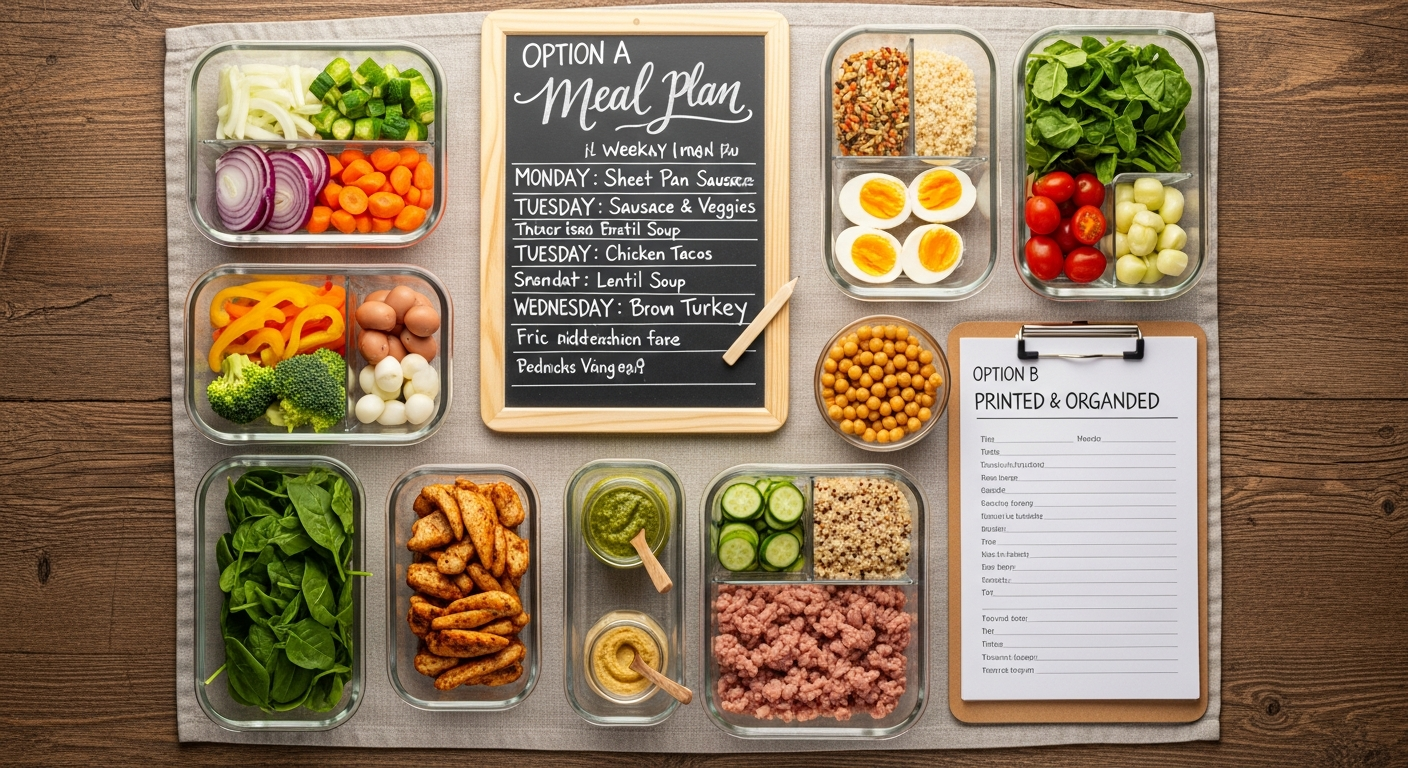
Embarking on a meal prep journey requires a little upfront planning, but the investment pays dividends throughout the week. Think of these foundational steps as building a robust framework for your family’s culinary success.
Strategic Planning: Inventory, Recipes, and Themes
Before you even think about shopping, take stock of what you already have. Check your pantry, fridge, and freezer for ingredients that need to be used up. This not only prevents waste but also inspires meal ideas. Next, select your recipes for the week. Aim for variety to keep things interesting, but also look for recipes that share common ingredients or cooking methods to maximize efficiency. Consider theme nights: “Taco Tuesday,” “Pasta Thursday,” or “Meatless Monday” can simplify decision-making. When choosing recipes, think about your family’s preferences and dietary needs. If you have picky eaters, incorporate dishes you know they’ll enjoy, perhaps with a slight nutritional upgrade. For women prioritizing their health, especially those following Fertility Health Tips Women Trying Conceive, selecting recipes rich in leafy greens, whole grains, healthy fats like avocado and olive oil, and lean proteins is paramount. Planning snacks is also crucial to avoid unhealthy cravings throughout the week.
Smart Shopping: The Key to Efficiency and Savings
Once your menu is set, create a detailed grocery list. Organize it by supermarket sections (produce, dairy, pantry, etc.) to minimize time spent wandering the aisles. Consider buying certain staples in bulk, such as grains, nuts, seeds, and canned goods, if you have storage space. Farmer’s markets can be excellent for fresh, seasonal produce, often at better prices. Sticking to your list is paramount to avoid impulse buys that can derail both your budget and your healthy eating goals. If possible, choose a less busy time to shop, or explore online grocery delivery/pickup services to save even more time. Remember, a well-stocked pantry and fridge are your best allies in consistent meal prepping.
Tools and Equipment: Your Meal Prep Arsenal
While you don’t need a gourmet kitchen to meal prep, having a few essential tools can make the process significantly smoother and more enjoyable. Invest in good quality, sharp knives for efficient chopping. A large cutting board is indispensable. Food storage containers are perhaps the most critical item; opt for glass containers with airtight lids for durability, visibility, and food safety. They are also oven-safe, allowing for easy reheating. Other helpful items include a powerful blender for smoothies and sauces, a slow cooker or instant pot for hands-off cooking, sheet pans for roasting, and measuring cups and spoons. For families with children, having a designated, organized space in the kitchen can even be linked to Kid Friendly Home Decor Ideas, where accessible shelves for kid-friendly utensils or snack containers encourage independence and involvement, making the kitchen a functional and inviting hub for everyone.
Smart Strategies for Kid-Friendly Meal Prep
Involving Kids in the Prep Process
Children are more likely to eat meals they’ve helped prepare. Assign age-appropriate tasks: toddlers can wash vegetables (with supervision), older children can measure ingredients, stir mixtures, or help set the table. Even choosing recipes from a pre-approved list can give them a sense of ownership. Make it an enjoyable experience with music or conversation. This collaborative effort teaches them about food, nutrition, and the value of teamwork. A well-organized kitchen, perhaps inspired by Kid Friendly Home Decor Ideas that prioritize safety and accessibility, can make this involvement even smoother. Think about lower drawers for plastic plates, kid-safe knives, or a designated “snack station” where they can grab pre-portioned healthy options.
Disguising Veggies and Boosting Nutrition
Picky eaters are a common challenge, but meal prep offers creative solutions. Puree vegetables like spinach, carrots, or zucchini into pasta sauces, soups, or even baked goods like muffins. Finely chop mushrooms or bell peppers and mix them into ground meat for burgers or meatballs. Smoothies are excellent vehicles for hidden greens and fruits. Focus on nutrient-dense ingredients that support growth and development. For women attentive to Womens Health Tips Every Woman Should Know and Fertility Health Tips Women Trying Conceive, ensuring children consume a wide array of vitamins and minerals also reinforces the family’s overall commitment to health. Remember, consistent exposure to new foods, even in small amounts, can eventually lead to acceptance.
Batch Cooking Kid Favorites and Snack Prep
Identify your children’s favorite healthy meals and batch cook them. Think mini turkey meatballs, whole wheat pasta with a hidden-veggie sauce, or chicken nuggets made from scratch. These can be portioned and frozen for quick weeknight dinners. Similarly, dedicate time to prepping kid-friendly snacks. Wash and chop fruit and vegetables into snack-sized portions (carrot sticks, apple slices, cucumber rounds). Portion out nuts, seeds, or whole-grain crackers. Make homemade granola bars or energy balls. Having healthy snacks readily available prevents children from reaching for less nutritious options and empowers them to make good choices independently. This also reduces the daily stress for parents of constantly finding and preparing snacks.
Diverse & Delicious Family Meal Prep Ideas for Breakfast, Lunch, & Dinner
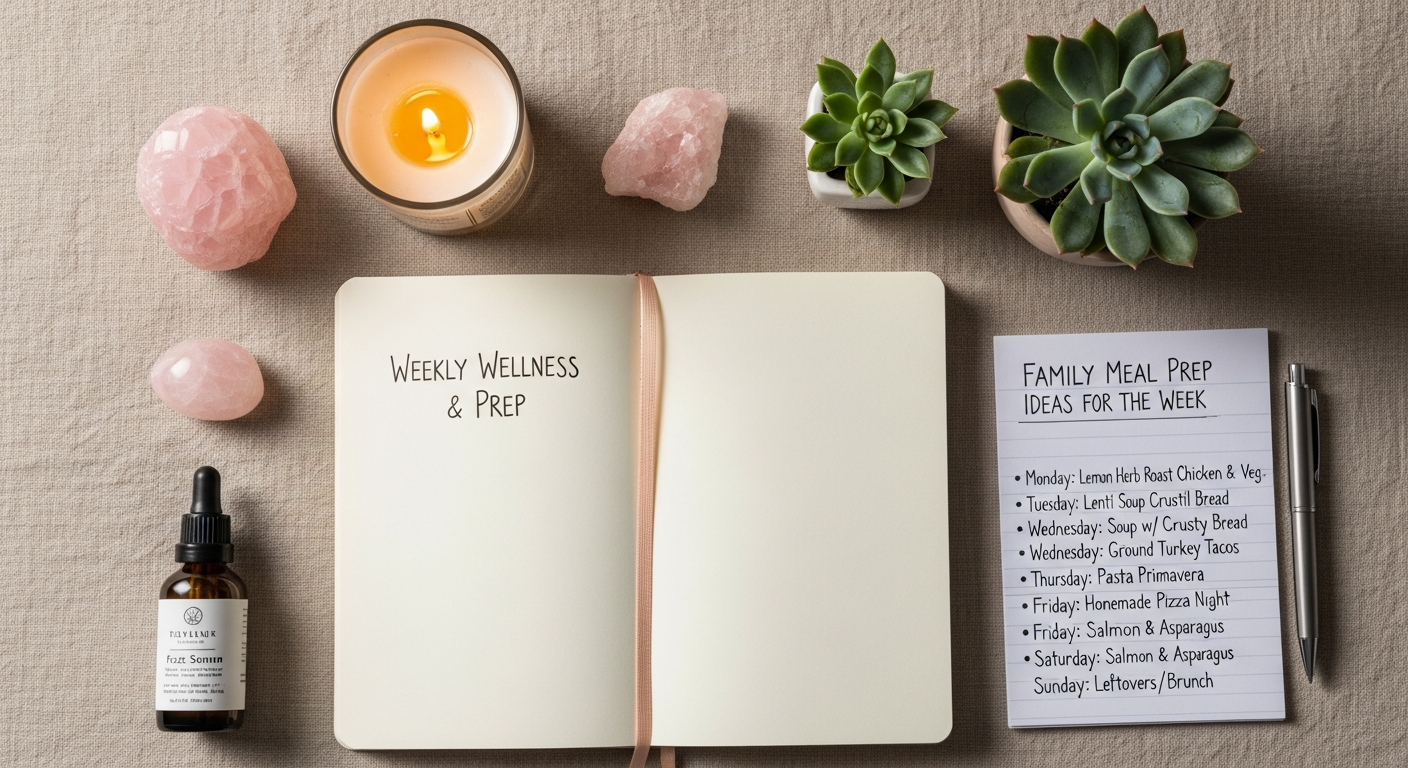
The beauty of meal prep lies in its versatility. You can adapt almost any recipe to fit a prep-ahead model. Here are some actionable ideas across all meal categories to inspire your weekly menu in 2026.
Breakfast: Starting the Day Strong
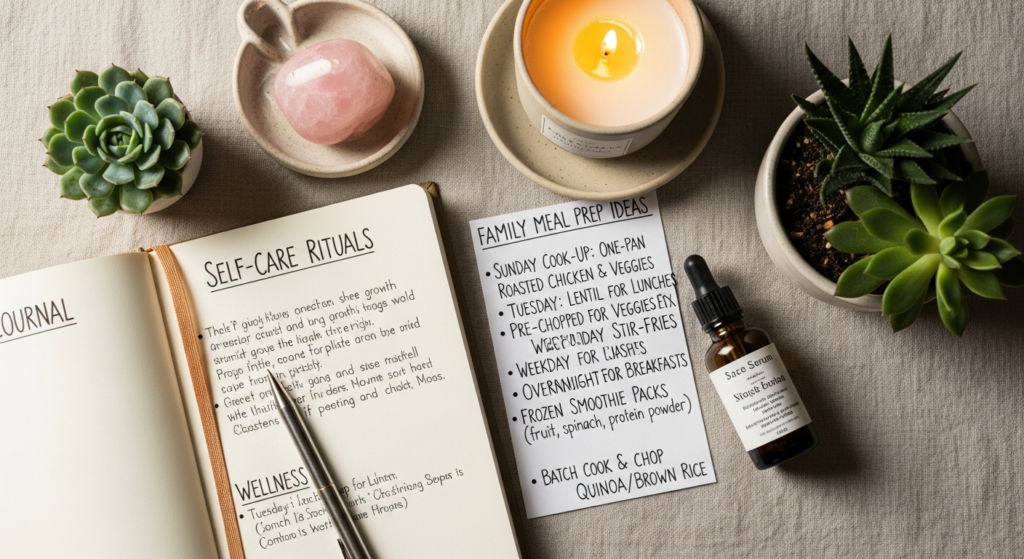
- Overnight Oats: Combine rolled oats, milk (dairy or non-dairy), chia seeds, and your choice of fruit, nuts, or sweeteners in individual jars. Refrigerate overnight. They’re ready to grab and go, offering fiber and sustained energy.
- Make-Ahead Frittatas or Egg Muffins: Whisk eggs with chopped vegetables (spinach, bell peppers, onions), cheese, and perhaps some cooked sausage or ham. Pour into a baking dish for a frittata or into muffin tins for individual egg bites. Bake, cool, and store in the fridge for quick reheating.
- Smoothie Packs: Portion fruit, spinach, and protein powder into individual freezer bags. In the morning, just dump the contents into a blender with liquid and blend. This is a fantastic way to ensure a nutrient-packed start, especially beneficial for those following Womens Health Tips Every Woman Should Know, as smoothies can be tailored to include specific superfoods or supplements.
- Batch-Cooked Pancakes/Waffles: Prepare a large batch on the weekend, then freeze. Toast or microwave for a quick breakfast during the week.
Lunch: Powering Through the Midday
- Mason Jar Salads: Layer dressing at the bottom, followed by hard vegetables (carrots, cucumbers), then grains/protein, soft vegetables/fruit, and finally leafy greens on top. When ready to eat, just shake it into a bowl.
- Wraps/Pita Pockets: Prepare fillings like hummus, roasted vegetables, grilled chicken, or tuna salad. Store components separately and assemble fresh, or make wraps ahead and store them tightly wrapped for 2-3 days.
- Pasta Salads: Cook pasta, then mix with chopped vegetables, chickpeas, feta, and a light vinaigrette. This holds up well in the fridge for several days and is a great way to use up leftover proteins.
- Soup & Chili: Large batches of healthy soups or chili freeze beautifully and can be thawed for quick, comforting lunches.
Dinner: Wholesome Evenings Made Easy
- Sheet Pan Meals: Toss protein (chicken, sausage, tofu) and sturdy vegetables (broccoli, sweet potatoes, bell peppers) with olive oil and seasonings on a sheet pan. Roast until cooked. Divide into portions. This is incredibly efficient as it requires minimal cleanup.
- Slow Cooker/Instant Pot Creations: Prepare ingredients for stews, curries, pulled pork, or chicken in advance. On cook day, simply dump everything into the appliance and let it do the work. The aroma filling your home is an added bonus!
- Batch-Cooked Proteins: Grill or bake a large amount of chicken breast, ground turkey, or lentils. These versatile proteins can be used in salads, tacos, stir-fries, or pasta dishes throughout the week.
- Grain Prep: Cook large batches of quinoa, brown rice, or farro. These can serve as a base for bowls, sides, or additions to salads for multiple meals.
- Sauces & Dressings: Prepare homemade sauces (pesto, marinara, vinaigrettes) and dressings. Store them in airtight containers to elevate simple meals.
Optimizing Nutrition & Health Through Meal Prep
Meal prep isn’t just about convenience; it’s a powerful strategy for ensuring your family receives optimal nutrition. By planning and preparing your meals, you take control of ingredients, portion sizes, and overall dietary quality. This is particularly crucial for women who are mindful of their health, whether for general wellness or specific goals like fertility.
Prioritizing Whole Foods and Nutrient Density
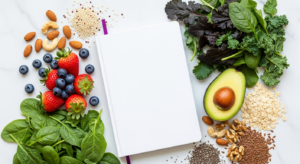
The foundation of healthy meal prep lies in choosing whole, unprocessed foods. Focus on a colorful array of fruits and vegetables, lean proteins (chicken, fish, beans, lentils, tofu), whole grains (quinoa, brown rice, oats), and healthy fats (avocado, nuts, seeds, olive oil). These foods are packed with essential vitamins, minerals, fiber, and antioxidants, which are vital for every bodily function. For those deeply invested in Womens Health Tips Every Woman Should Know, a diet rich in these components supports everything from energy levels and immune function to hormonal balance and cognitive health. When you prep, you can intentionally incorporate superfoods like berries, leafy greens, and omega-3 rich fish, ensuring your family benefits from their potent health-promoting properties.
Balancing Macronutrients and Micronutrients
A well-prepped meal should offer a balance of macronutrients: carbohydrates for energy, proteins for muscle repair and satiety, and healthy fats for hormone production and nutrient absorption. Equally important are micronutrients – the vitamins and minerals that play countless roles in health. When designing your meal prep menu, think about how each meal contributes to this balance. For instance, a meal might include a serving of roasted chicken (protein), quinoa (whole grain carb), and a medley of roasted vegetables (complex carbs, fiber, micronutrients), drizzled with olive oil (healthy fat). This thoughtful approach is especially relevant for women trying to conceive, as Fertility Health Tips Women Trying Conceive often emphasize specific nutrient intake, such as folate, iron, and choline, which are abundant in a diverse, whole-foods diet. Meal prepping allows you to consistently hit these nutritional targets.
Portion Control and Mindful Eating
One of the hidden benefits of meal prep is the inherent practice of portion control. By dividing your cooked meals into individual containers, you’re less likely to overeat. This visual cue helps regulate intake and prevents mindless snacking, which can be a common pitfall for busy individuals. Encourage mindful eating by creating a pleasant mealtime environment. Even if meals are prepped, take the time to sit down, away from screens, and enjoy the food with your family. This practice not only aids digestion but also fosters connection and appreciation for the effort put into nourishing your bodies. For women, mindful eating can also contribute to a healthier relationship with food and body image, an important aspect of overall well-being.
Hydration: The Often-Overlooked Component
While not strictly “meal” prep, proactive hydration is a critical component of overall health. Prep infused water by adding slices of cucumber, lemon, mint, or berries to pitchers of water stored in the fridge. Encourage family members to carry reusable water bottles. Adequate hydration supports metabolism, energy levels, skin health, and can even help manage cravings. Integrating this into your weekly health routine complements your nutritious meal prep efforts, ensuring a holistic approach to family wellness in 2026.
Storage, Safety, and Sustainability in Your Meal Prep Journey
Successful meal prep isn’t just about cooking; it’s also about safely storing your food to maintain freshness, prevent spoilage, and reduce waste. Implementing smart storage techniques ensures your efforts last throughout the week and contributes to a more sustainable household.
Choosing the Right Storage Containers
The right containers are paramount. Glass containers are highly recommended because they are non-toxic, durable, easy to clean, don’t absorb odors or stains, and can go from fridge to microwave or oven (without the lid). They also allow you to easily see the contents, which helps with meal selection. Look for airtight, leak-proof lids to prevent spoilage and spills. Silicone bags are another excellent, reusable option for freezing and storing smaller items. Ensure your containers are BPA-free if using plastic. Having a variety of sizes will accommodate different meal components and portion sizes.
Food Safety Guidelines for Prepped Meals
Adhering to food safety guidelines is critical to prevent foodborne illness.
- Rapid Cooling: Cooked food should be cooled rapidly before refrigeration. Divide large batches into smaller, shallow containers to help them cool faster. Avoid putting hot food directly into the fridge, as it can raise the internal temperature of the fridge and put other foods at risk.
- Refrigeration: Most prepped meals are safe in the refrigerator for 3-4 days. Label containers with the date they were prepared to easily track freshness.
- Freezing: For longer storage, freeze meals. Many dishes, like soups, stews, casseroles, and cooked grains/proteins, freeze well for up to 2-3 months. Ensure food is completely cool before freezing in airtight containers or freezer-safe bags to prevent freezer burn.
- Reheating: Always reheat food thoroughly to an internal temperature of 165°F (74°C). Reheat only the portion you intend to eat, and avoid repeatedly reheating and cooling food.
- Cross-Contamination: Use separate cutting boards and utensils for raw meats and produce. Wash hands thoroughly before and after handling food.
These practices are fundamental not just for meal prep but are crucial Womens Health Tips Every Woman Should Know for maintaining a safe and healthy home environment.
Reducing Food Waste and Embracing Sustainability
Meal prep inherently helps reduce food waste by encouraging planned consumption. However, you can go further:
- Use Scraps: Vegetable scraps (onion peels, carrot tops, herb stems) can be frozen and used to make homemade vegetable broth.
- “Eat Me First” Section: Designate a shelf in your fridge for ingredients or prepped items that need to be consumed soonest.
- Creative Leftover Use: Transform leftovers into new meals. Leftover roasted chicken can become chicken salad, quesadilla filling, or a soup base.
- Composting: If available in your area, compost unavoidable food waste.
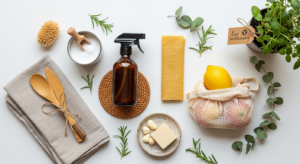
- Reusable Items: Beyond containers, use reusable shopping bags, beeswax wraps instead of plastic cling film, and dishcloths instead of paper towels.
Embracing these sustainable practices not only benefits the planet but also reinforces a mindful approach to resources within your family, setting a positive example for your children and contributing to a healthier future for all.
Making Meal Prep a Sustainable Habit for 2026 and Beyond
The initial enthusiasm for meal prep can sometimes wane when faced with the demands of daily life. The key to long-term success isn’t perfection, but consistency and adaptability. Here’s how to integrate meal prep as a lasting, beneficial habit for your family.
Start Small and Build Gradually
Don’t try to prep every single meal for the entire week from day one. This can be overwhelming and lead to burnout. Begin by prepping just one meal category, such as lunches, or focus on a few components like cooked grains and roasted vegetables. Once you feel comfortable, gradually expand your efforts. Perhaps add breakfast prep the next week, or tackle a few dinner components. This incremental approach builds confidence and allows you to refine your process without feeling swamped. Remember, even prepping a few healthy snacks can make a significant difference in your week.
Be Flexible and Adaptable
Life with a family is unpredictable. There will be weeks when a last-minute event throws off your meal prep schedule, or an unexpected craving changes your dinner plans. Don’t let a deviation from your plan derail your entire effort. Be flexible. If you couldn’t prep as much as you wanted, focus on quick, healthy meals that week. If a recipe didn’t turn out well, learn from it and try something new next time. The goal is progress, not perfection. This mindset of adaptability is crucial for long-term habit formation, especially for busy women juggling multiple responsibilities, aligning with the broader theme of resilience found in Womens Health Tips Every Woman Should Know.
Involve the Whole Family (Again!)
As mentioned in the kid-friendly section, making meal prep a family affair can significantly increase its sustainability. When everyone contributes, the burden doesn’t fall solely on one person. Older children can take on more complex tasks, and partners can share the cooking and cleanup. This shared responsibility not only makes the process more enjoyable but also teaches valuable life skills and fosters a sense of teamwork. Creating a kitchen environment that is organized and accessible, perhaps drawing inspiration from Kid Friendly Home Decor Ideas that prioritize functionality and safety, can make it easier for all family members to participate comfortably and effectively.
Celebrate Small Wins and Learn from Setbacks
Acknowledge your efforts! Did you successfully prep lunches for three days? Great job! Did you manage to get a healthy dinner on the table even when you were exhausted? That’s a win! Celebrating these small victories reinforces the positive habit. Conversely, if a week doesn’t go as planned, don’t view it as a failure. Instead, reflect on what went wrong and what you can do differently next time. Was it a lack of time? Too many complex recipes? Adjust your strategy for the following week. This continuous learning cycle is key to making meal prep an enduring and beneficial part of your family’s routine for 2026 and beyond.
Stay Inspired and Keep Learning
The world of meal prep is constantly evolving with new recipes, techniques, and tools. Follow food blogs, explore healthy recipe websites, or join online meal prep communities for inspiration. Experiment with new ingredients and cooking methods to keep things exciting. Regularly revisiting your goals – whether it’s saving money, eating healthier, or having more family time – can also help rekindle your motivation. For women prioritizing their reproductive health, staying informed about Fertility Health Tips Women Trying Conceive and incorporating relevant dietary recommendations into their meal prep can provide ongoing motivation and tangible benefits.
Frequently Asked Questions
Recommended Resources
For more on family meal prep, see Winter Outfits For Women 2026 Ideas on Fashion Goggled.
For more on family meal prep, see How To Shop For Clothes On A Budget And Look Great on Sometimes Daily.