The Foundational Pillars: Decluttering and Thoughtful Organization
The journey to a peaceful home often begins with a critical look at what we allow to occupy our physical space. Clutter, both visible and hidden, can be a significant source of mental stress and overwhelm. A disorganized environment can subtly, yet powerfully, impact our mood, focus, and overall sense of calm. Embracing decluttering and establishing effective organizational systems are foundational steps toward creating an atmosphere of serenity. Think of it as a crucial component of Womens Health Tips Every Woman Should Know – reducing environmental stressors is vital for mental health.
Embracing the Purge: More Than Just Tidying Up
Decluttering is not merely about moving things from one place to another; it’s about making conscious decisions about what truly serves you and your household. Start with one area, perhaps a drawer, a shelf, or a single room. Ask yourself:
- Does this item bring me joy or serve a practical purpose?
- Have I used this in the last year?
- Do I have duplicates?
- Is it broken or beyond repair?
Consider the “one in, one out” rule for new purchases to prevent clutter from accumulating again. When you clear out physical items, you often find you’re also clearing mental space, reducing decision fatigue, and creating a sense of lightness. This intentional process contributes significantly to stress reduction, which is particularly beneficial for Fertility Health Tips Women Trying Conceive, as stress can negatively impact reproductive health.
Strategic Organization for Lasting Peace
Once decluttered, the next step is to organize what remains. Effective organization isn’t about perfection; it’s about functionality and ease. Every item should have a “home.”
- Categorize and Contain: Group similar items together and store them in appropriate containers, bins, or drawers. Labeling these containers can be a game-changer, especially for shared family spaces.
- Vertical Space Utilization: Maximize vertical space with shelves, wall-mounted organizers, and tiered storage solutions. This is especially useful in smaller homes.
- Daily Reset Rituals: Implement a short daily routine to put things back in their place. A 10-15 minute “power tidy” before bed can prevent clutter from spiraling out of control and ensure you wake up to a calmer environment.
- Digital Declutter: Don’t forget your digital spaces! Organize files, delete old emails, and manage your desktop. A cluttered digital life can be just as mentally draining as a physical one.
By investing time in these foundational steps, you’re not just cleaning your home; you’re creating an environment that supports clarity, calm, and well-being, setting the stage for a truly peaceful sanctuary that will serve you well into 2026 and beyond.
Cultivating Serenity Through Sensory Experience
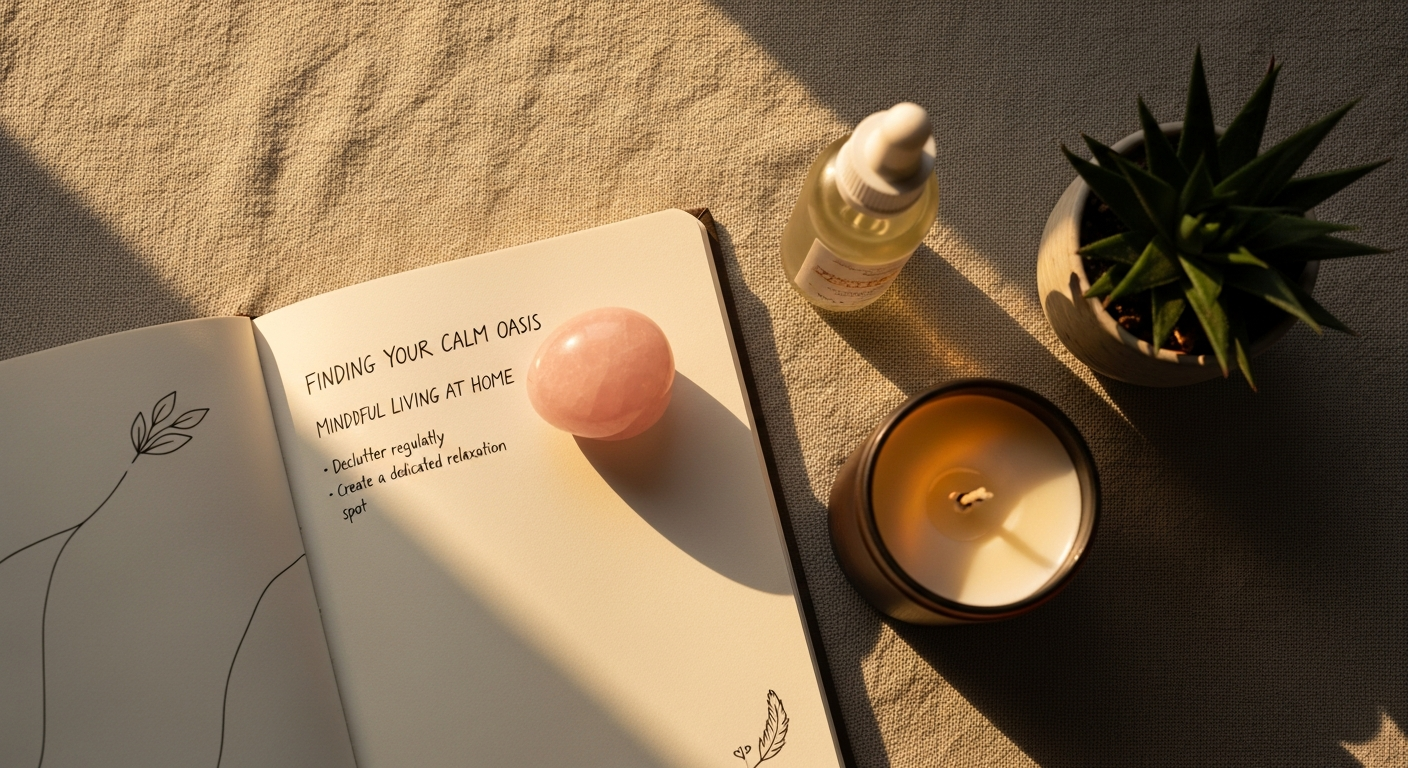
A peaceful home isn’t just about what you see; it’s about what you hear, smell, feel, and even taste. Engaging all your senses thoughtfully can transform your living space into a multi-sensory retreat that promotes relaxation and well-being. This holistic approach is integral to fostering a truly harmonious environment.
The Power of Sight: Colors, Light, and Visual Harmony
Our eyes are constantly processing information, and the visual landscape of our home significantly impacts our mood. To create visual serenity:
- Choose Calming Color Palettes: Opt for soft, muted tones like blues, greens, grays, and warm neutrals. These colors are known to evoke feelings of tranquility and spaciousness.
- Maximize Natural Light: Abundant natural light can boost mood and energy levels. Keep windows clear, use sheer curtains, and strategically place mirrors to reflect light into darker corners.
- Thoughtful Aesthetics: Curate your decor. Choose pieces that you genuinely love and that resonate with a sense of peace. Avoid overly busy patterns or excessive ornamentation. Incorporating Kid Friendly Home Decor Ideas doesn’t mean sacrificing adult aesthetics; think durable, washable fabrics in soothing colors, or art that appeals to all ages without being jarring.
- Embrace Greenery: Houseplants not only add beauty but also improve air quality and connect us to nature, fostering a sense of calm.
The Symphony of Sound: Reducing Noise, Inviting Calm
Unwanted noise is a major peace disruptor. Take steps to control the soundscape of your home:
- Noise Reduction: Use rugs, curtains, and upholstered furniture to absorb sound. Consider weatherstripping doors and windows to block external noise. For highly disruptive noise, white noise machines or earplugs can be effective.
- Curated Sounds: Introduce calming sounds. This could be soft instrumental music, nature sounds (rain, ocean waves), or even the gentle hum of a fan.
- Designated Quiet Zones: Create specific areas in your home where quiet is encouraged, perhaps a reading nook or a meditation corner.
Aromatherapy and Freshness: The Scents of Peace
Our sense of smell is powerfully linked to memory and emotion. Harness this to create a peaceful atmosphere:
- Natural Scents: Use essential oil diffusers with calming scents like lavender, chamomile, sandalwood, or frankincense. Avoid artificial air fresheners, which can often contain harsh chemicals.
- Fresh Air: Open windows regularly to circulate fresh air and clear out stale odors. Consider an air purifier to remove allergens and pollutants, contributing to a healthier environment, which is a key part of Womens Health Tips Every Woman Should Know.
- Cleanliness: A clean home naturally smells better. Regular cleaning is a simple yet effective way to maintain a fresh scent.
The Comfort of Touch: Textures and Tactile Experiences
The way things feel in our home can greatly influence our comfort and relaxation:
- Soft Textures: Incorporate soft blankets, plush pillows, and cozy rugs. These invite relaxation and physical comfort.
- Natural Materials: Choose furniture and decor made from natural materials like wood, cotton, wool, and linen. These often feel more grounding and authentic.
- Comfortable Seating: Ensure your seating areas are truly comfortable and inviting, encouraging you to relax and unwind.
By mindfully engaging all your senses, you can weave a rich tapestry of peace throughout your home, creating an environment that nurtures your spirit and supports your overall well-being every single day.
Designing Spaces for Connection, Calm, and Personal Retreat
Creating Dedicated Zones for Diverse Needs
Even in smaller homes, you can delineate zones for different activities and moods. This helps in mentally transitioning between tasks and provides dedicated spaces for various needs:
- The Relaxation Nook: Designate a corner with a comfortable chair, a soft blanket, good lighting, and perhaps a small table for a cup of tea or a book. This space is solely for unwinding and personal reflection.
- Family Connection Area: Create a central space that encourages interaction and togetherness. This might be a cozy living room with ample seating or a dining area conducive to lingering conversations. Emphasize comfort and durability, especially with Kid Friendly Home Decor Ideas in mind – think resilient fabrics and accessible storage for toys.
- Personal Retreat (Beyond the Bedroom): If possible, carve out a space for personal hobbies, meditation, or focused work. This could be a small office, a craft corner, or even just a serene spot on a balcony. Having a place where you can retreat and focus on your individual needs is a vital part of self-care and overall mental well-being, which directly impacts Womens Health Tips Every Woman Should Know.
- Nourishing Kitchen: Design your kitchen to be both functional and inviting. A clean, organized kitchen can make meal preparation less stressful and more enjoyable, encouraging healthier eating habits.
Furniture Arrangement for Flow and Purpose
How you arrange your furniture profoundly impacts the energy and flow of a room. Consider these principles:
- Create Clear Pathways: Ensure there’s ample space to move freely without bumping into furniture. This reduces feelings of being cramped and improves the overall sense of openness.
- Define Conversation Areas: Arrange seating to facilitate easy conversation, facing each other rather than just the television.
- Balance and Symmetry: Aim for a sense of balance in each room. This doesn’t mean everything has to be perfectly symmetrical, but rather that visual weight is evenly distributed.
- Purposeful Placement: Every piece of furniture should serve a purpose. Avoid overcrowding a room with unnecessary items. For instance, a comfortable armchair for reading might be better than an extra decorative piece that collects clutter.
Bringing Nature Indoors: The Biophilic Connection
Our innate connection to nature, known as biophilia, plays a crucial role in our well-being. Integrating natural elements into your home can significantly enhance its peacefulness:
- Houseplants: As mentioned, plants purify the air and add vibrant life. Choose plants that thrive in your home’s light conditions and are easy to care for. Consider pet-friendly and non-toxic options if you have animals or young children.
- Natural Materials: Incorporate wood, stone, bamboo, and cotton. These materials ground the space and bring an organic texture.
- Natural Light and Views: Maximize natural light and, if possible, arrange spaces to offer views of nature outside. Even a small window box or a well-maintained garden view can make a difference.
- Water Elements: A small indoor water feature can add soothing sounds and a sense of tranquility.
Designing spaces with intention and an understanding of how they impact our mood and behavior is a powerful tool for creating a truly peaceful home. This deliberate approach fosters an environment where you can connect with loved ones, find personal solace, and support your overall health and well-being, including crucial aspects like stress reduction which is often emphasized in Fertility Health Tips Women Trying Conceive.
Integrating Mindfulness and Rituals into Your Home Life
A peaceful home is not merely a static state; it’s a living, breathing environment nurtured by the routines, intentions, and mindful presence of its inhabitants. Integrating daily rituals and practices of mindfulness can profoundly deepen the sense of calm and well-being within your living space. This goes beyond physical aesthetics, touching upon the energetic and emotional atmosphere of your sanctuary.
Cultivating Mindful Presence in Your Home
Mindfulness is about paying attention to the present moment without judgment. Bringing this practice into your home life can transform ordinary activities into opportunities for peace:
- Mindful Chores: Instead of rushing through tasks like washing dishes or folding laundry, engage all your senses. Notice the warmth of the water, the scent of the soap, the texture of the fabric. This can turn mundane chores into meditative practices.
- Savoring Moments: Take time to truly notice and appreciate the small moments – the warmth of your morning coffee, the beauty of sunlight streaming through a window, the sound of laughter. These conscious acts of appreciation build a tapestry of peace.
- Conscious Entry and Exit: Create a small ritual when you enter or leave your home. Take a deep breath, leave worries at the door, and set an intention for how you want to feel in your space.
Establishing Peace-Promoting Daily Rituals
Routines can be rigid, but rituals are intentional, meaningful practices that anchor your day and infuse it with calm. Consider incorporating these into your daily life:
- Morning Ritual: Start your day with intention. This could involve a few minutes of meditation, gentle stretching, journaling, or simply enjoying a quiet cup of tea before the day’s demands begin. This sets a positive tone for your mind and body, contributing to Womens Health Tips Every Woman Should Know for stress management.
- Evening Wind-Down: Create a consistent evening routine to signal to your body and mind that it’s time to relax. This might include dimming lights, taking a warm bath, reading a book (not on a screen), or listening to calming music. Disconnecting from screens at least an hour before bed is crucial for sleep quality.
- Family Connection Rituals: If you live with others, establish rituals that foster connection and appreciation. This could be a shared meal where everyone puts away devices, a gratitude practice, or a designated “story time” for children. Incorporating these naturally woven Kid Friendly Home Decor Ideas, like a cozy reading corner, supports these rituals.
Designing for Digital Detox and Disconnection
In our hyper-connected world, intentionally disconnecting is vital for peace. Your home can support this:
- Device Charging Stations: Designate a central charging area, ideally outside bedrooms, to encourage leaving devices there overnight.
- Screen-Free Zones: Establish areas or times when screens are not allowed – perhaps the dining table or bedrooms after a certain hour.
- Analog Alternatives: Stock your home with books, board games, art supplies, and other analog activities that encourage creativity, connection, or quiet contemplation.
- Mindful Media Consumption: Be intentional about what media you consume in your home. Choose content that uplifts, educates, or entertains without adding to stress or negativity.
By weaving mindfulness and intentional rituals into the fabric of your daily home life, you cultivate a dynamic and enduring sense of peace that extends beyond the physical appearance of your space, nurturing your inner calm and supporting overall well-being in 2026 and beyond. This focus on internal peace is especially relevant for Fertility Health Tips Women Trying Conceive, as chronic stress can be a significant barrier.
The Indispensable Role of Personal Well-being in a Peaceful Home
While we often focus on external factors when creating a peaceful home, the truth is that the atmosphere of your living space is deeply intertwined with your own inner state. Your personal well-being is not just a benefit of a peaceful home; it’s a prerequisite and a powerful contributor to it. Just as a well-tended garden thrives, a home nurtured by a well-cared-for individual radiates calm and harmony. This reciprocal relationship is a cornerstone of Womens Health Tips Every Woman Should Know.
Your Inner State Reflects in Your Environment
Think about it: when you are stressed, overwhelmed, or exhausted, maintaining order and calm in your home can feel like an impossible task. Clutter accumulates, tasks are left undone, and the peaceful atmosphere you crave seems elusive. Conversely, when you are well-rested, mentally clear, and emotionally balanced, you are more likely to engage in practices that foster peace in your home, such as mindful tidying, creating beautiful spaces, and responding calmly to challenges.
- Energy Exchange: Your energy impacts the energy of your home. If you bring stress, anxiety, or negativity into your space, it permeates the environment. Cultivating inner peace allows you to imbue your home with that same tranquility.
- Motivation and Action: Personal well-being provides the motivation and energy to implement and maintain the strategies discussed earlier – from decluttering to creating mindful rituals. Without it, even the best intentions can fall by the wayside.
Prioritizing Self-Care as a Foundation for Home Peace
To truly create and sustain a peaceful home, you must prioritize your own self-care. This isn’t selfish; it’s essential. Consider these aspects:
- Adequate Sleep: Good quality sleep is non-negotiable for physical and mental well-being. A well-rested mind is more resilient, focused, and capable of creating a calm environment. Establish a consistent sleep schedule and optimize your bedroom for sleep.
- Nourishing Nutrition: Fueling your body with wholesome, nutritious foods provides sustained energy and supports stable mood. Avoid excessive caffeine and sugar, which can lead to energy crashes and irritability.
- Regular Movement: Physical activity is a powerful stress reliever and mood booster. Whether it’s a brisk walk, yoga, or a gym workout, consistent movement clears your head and energizes your body, making you more capable of managing your home environment.
- Mindfulness and Stress Management: Practices like meditation, deep breathing, or journaling can significantly reduce stress and enhance your ability to remain calm amidst chaos. For Fertility Health Tips Women Trying Conceive, stress reduction is a paramount concern, and these practices are highly beneficial.
- Setting Boundaries: Learn to say no to commitments that overextend you. Protect your time and energy, recognizing that your capacity to nurture your home is directly linked to your capacity to nurture yourself. This includes digital boundaries, ensuring your home remains a sanctuary from constant notifications and external demands.
Cultivating Emotional Regulation
A peaceful home is one where emotions are acknowledged and managed constructively. When you are able to regulate your own emotions, you contribute to a calmer atmosphere for everyone in the household. This involves:
- Self-Awareness: Recognizing your emotional triggers and patterns.
- Healthy Communication: Expressing needs and feelings calmly and respectfully.
- Conflict Resolution: Approaching disagreements with a desire for understanding and resolution, rather than escalation.
By making your personal well-being a priority, you are not only enriching your own life but also laying the most crucial groundwork for a truly peaceful and harmonious home environment, one that supports your health and happiness for many years to come, well into 2026 and beyond.
Sustaining Peace: Ongoing Maintenance and Adaptation
Creating a peaceful home environment isn’t a one-time project; it’s an ongoing journey that requires continuous nurturing, adaptation, and collective effort. Life is dynamic, and your home, like your health, needs regular attention to maintain its vitality and serenity. By establishing sustainable practices, you ensure that your sanctuary remains a source of calm and well-being through all of life’s seasons.
Regular Check-ins and Refreshes
Just as you schedule regular check-ups for your health, your home benefits from periodic reviews. Set aside time, perhaps quarterly or bi-annually, to assess your living space:
- Clutter Audit: Revisit your decluttering efforts. Are there new items that have crept in? Are certain areas becoming cluttered again? A quick purge can prevent overwhelm.
- Energy Assessment: Walk through your home and pay attention to how each room feels. Is it still peaceful? Are there areas that feel stagnant or chaotic?
- Sensory Review: Check in on your sensory elements. Do your calming scents need refreshing? Is the lighting still optimal? Are there new noise sources to address?
- Seasonal Adjustments: Consider seasonal changes. Lighter fabrics and brighter decor for spring/summer, cozier textures and warmer lighting for autumn/winter. This keeps your home feeling fresh and responsive to the outside world.
Adapting to Life Changes and Evolving Needs
Your home must evolve with you and your family. What worked perfectly last year might not be suitable for 2026. This is particularly relevant as families grow and change, requiring adjustments to Kid Friendly Home Decor Ideas, for instance, or changes to personal spaces.
- Family Growth: The arrival of children, teenagers moving out, or elderly parents moving in will necessitate changes in space utilization, organization, and decor. Embrace these changes as opportunities to re-evaluate and re-optimize for peace.
- Lifestyle Shifts: A new job, a change in hobbies, or even increased remote work can alter how you use your home. Be flexible and willing to reconfigure spaces to better suit your current lifestyle.
- Health and Wellness Needs: As your Womens Health Tips Every Woman Should Know evolve, so too might your home needs. Perhaps you need a dedicated meditation space, or an area optimized for gentle exercise. For those focusing on Fertility Health Tips Women Trying Conceive, creating a highly serene and stress-free environment might become an even greater priority.
Involving All Household Members in the Peace Project
A truly peaceful home cannot be sustained by one person alone. It requires the understanding and participation of everyone living there:
- Communicate the “Why”: Explain to your family members the benefits of a peaceful home – reduced stress, better sleep, more joy, and easier family life.
- Share Responsibility: Assign age-appropriate chores and responsibilities. Even young children can learn to put away their toys.
- Model Behavior: Be the change you wish to see. Your commitment to maintaining peace and order will inspire others.
- Regular Family Meetings: Hold informal family meetings to discuss what’s working, what’s not, and how everyone can contribute to the household’s peace.
By embracing ongoing maintenance and adapting your home to the rhythms of life, you ensure that your efforts to create a peaceful environment yield lasting results. Your home will remain a dynamic, supportive sanctuary, capable of nurturing your well-being and evolving gracefully with you into the future, providing a constant source of calm and strength.
Frequently Asked Questions
Recommended Resources
You might also enjoy Date Night Outfit Ideas For Women from Fashion Goggled.
Related reading: Home Decor Ideas On A Budget 2026 (Rock Salt Plum).