
Beyond Burnout: A Woman’s Guide to Recovering from Chronic Stress and Reclaiming Vitality
By Dr. Sarah Chen, Wellness Expert at Veralyn Media
Understanding the Female Burnout Blueprint: More Than Just “Feeling Tired”
Burnout, as defined by the World Health Organization, is an occupational phenomenon resulting from chronic workplace stress that has not been successfully managed. However, for women, the blueprint of burnout extends far beyond the workplace, encompassing the invisible labor of caregiving, emotional management, and the relentless pressure to be everything to everyone. It’s a state of emotional, physical, and mental exhaustion caused by prolonged or excessive stress, where the demands on your energy consistently outweigh your resources.
Unlike transient stress, which can be a motivator, chronic stress is an insidious force. It begins as acute stress – the fight-or-flight response – but when this state becomes prolonged without adequate recovery, your body’s systems begin to break down. For women, this often manifests differently due to hormonal fluctuations, societal conditioning, and the often disproportionate burden of emotional labor. Symptoms can be subtle at first, often dismissed as “just a busy phase” or “I need more sleep,” but they escalate into a pervasive state of depletion.
Key Distinctions of Female Burnout:
- Emotional Overload: Women are often socialized to be empathetic and nurturing, leading to a higher propensity for emotional labor both at home and at work. This constant emotional output without replenishment is a significant driver of burnout.
- Hormonal Impact: Chronic stress profoundly impacts the female endocrine system, disrupting cortisol levels, thyroid function, and reproductive hormones. This can exacerbate symptoms like fatigue, weight fluctuations, and mood swings.
- The “Invisible Load”: Many women carry the mental burden of household management, childcare logistics, and social scheduling, even if tasks are shared. This constant mental “to-do” list contributes significantly to cognitive fatigue.
Common Symptoms of Burnout in Women:
- Physical Exhaustion: Persistent fatigue that isn’t relieved by rest, frequent headaches, muscle aches, digestive issues, weakened immune system (getting sick often).
- Emotional Depletion: Feelings of cynicism, detachment, hopelessness, irritability, increased anxiety, mood swings, feeling numb or emotionally flat. Learn to manage emotional depletion.
- Cognitive Impairment: Difficulty concentrating, memory problems, indecisiveness, reduced creativity, feeling foggy.
- Behavioral Changes: Withdrawal from social activities, increased procrastination, changes in sleep patterns (insomnia or excessive sleeping), increased reliance on coping mechanisms (e.g., alcohol, excessive social media).
Recognizing these signs is the first crucial step toward recovery. It’s about acknowledging that what you’re experiencing is a legitimate health concern, not a personal failing.
The Silent Costs: How Chronic Stress Erodes Women’s Health

The long-term effects of unmanaged chronic stress extend far beyond feeling “stressed out.” For women, the sustained activation of the sympathetic nervous system and the overproduction of stress hormones like cortisol can silently erode foundational aspects of health, leading to a cascade of physical, mental, and emotional challenges. A recent study revealed that women are significantly more likely than men to report high levels of stress, and 1 in 3 women report experiencing “extreme stress.” This isn’t just a subjective feeling; it translates into measurable physiological changes and increased health risks.
Physical Health Impacts:
- Cardiovascular Health: Chronic stress can contribute to elevated blood pressure, increased heart rate, and inflammation, raising the risk of heart disease, a leading cause of death for women.
- Immune System Suppression: Constant stress weakens the immune system, making women more susceptible to infections, colds, and potentially autoimmune conditions.
- Digestive Issues: The gut-brain axis is highly sensitive to stress. Women often experience digestive problems like irritable bowel syndrome (IBS), acid reflux, and altered gut microbiome composition due to chronic stress.
- Hormonal Imbalance: This is a particularly critical area for women. Chronic stress can disrupt the delicate balance of reproductive hormones, leading to irregular periods, exacerbated PMS symptoms, fertility challenges, and worsened menopausal symptoms. It can also impact thyroid function, contributing to fatigue and weight changes.
- Sleep Disturbances: The stress response makes it harder to fall asleep and stay asleep, leading to a vicious cycle where lack of sleep increases stress, and stress prevents restorative sleep.
- Chronic Pain: Stress can exacerbate existing pain conditions or contribute to the development of new ones, such as tension headaches, migraines, and fibromyalgia.
Mental and Emotional Health Impacts:
- Anxiety Disorders: Prolonged stress is a major risk factor for developing generalized anxiety disorder, panic attacks, and social anxiety.
- Depression: Persistent feelings of hopelessness, lack of pleasure, and fatigue can spiral into clinical depression. Women are almost twice as likely as men to be diagnosed with depression.
- Cognitive Decline: Chronic cortisol exposure can impair memory, attention, and executive function, leading to the dreaded “brain fog” and difficulty problem-solving.
- Relationship Strain: Irritability, emotional detachment, and fatigue can put significant strain on personal relationships, leading to conflict and isolation.
The cumulative effect of these silent costs is a gradual dimming of vitality. It’s the feeling of living life in grayscale, where joy is muted, energy is scarce, and the future seems daunting. Recognizing these deep impacts is crucial, as it provides a powerful motivator to prioritize recovery and proactive managing chronic stress burnout strategies.
Deciphering Your Stressors: Identifying the Root Causes of Burnout
Before you can effectively recover and develop robust strategies for managing chronic stress burnout, it’s essential to pinpoint its origins. Stressors aren’t always obvious, and for women, they often exist in a complex interplay of external pressures and internal narratives. What triggers one woman’s stress might be easily managed by another; the key is understanding your unique stress landscape.
External Stressors: The Tangible Demands
These are the more visible pressures that contribute to stress and eventual burnout. Take time to reflect on which of these resonate most with your current situation:
- Work Demands: Long hours, heavy workload, high-pressure deadlines, difficult colleagues or supervisors, lack of control, job insecurity, or a misalignment between your values and your job. For women, this often includes navigating gender bias or a “double-bind” where assertiveness is penalized.
- Financial Strain: Debt, unexpected expenses, supporting family members, or simply worrying about financial stability.
- Caregiving Responsibilities: The significant physical and emotional labor involved in caring for children, elderly parents, or other family members, often with little personal support or time for self-care. Women disproportionately bear this burden.
- Relationship Dynamics: Conflict with partners, family members, or friends; feeling unsupported; or navigating complex social structures.
- Environmental Factors: Unsafe living conditions, a chaotic home environment, excessive noise, or a lack of access to nature.
- Societal Pressures: The relentless pressure from media and culture to look a certain way, achieve impossible standards, or be a “perfect” mother/wife/professional.
Internal Stressors: The Invisible Architects of Overwhelm
Often more insidious and harder to identify, internal stressors are the self-imposed pressures and cognitive patterns that amplify external demands. These are particularly prevalent among women due to societal conditioning:
- Perfectionism: The relentless drive to achieve flawless results, leading to overworking, fear of failure, and chronic self-criticism.
- People-Pleasing: The inability to say “no,” constantly prioritizing others’ needs over your own, and seeking external validation. This often results in overcommitment and resentment.
- Guilt and Self-Blame: Feeling guilty for taking time for yourself, for not meeting impossible standards, or for perceived shortcomings.
- Scarcity Mindset: Believing there’s not enough time, money, or resources, leading to constant worry and a feeling of always being behind.
- Catastrophic Thinking: Tendency to imagine worst-case scenarios, amplifying perceived threats and generating unnecessary anxiety.
- Lack of Boundaries: Difficulty establishing and maintaining healthy boundaries in relationships and at work, allowing others to overstep and deplete your energy.
Actionable Step: Your Stress Inventory
To identify your unique stressors, dedicate some time to a “stress inventory.” Over the next week or two, keep a simple journal. Each time you feel stressed, overwhelmed, or anxious, jot down:
- What happened? (The event, task, or thought).
- How did you feel? (Physically and emotionally).
- What internal thoughts or beliefs came up? (e.g., “I must do this perfectly,” “I can’t say no,” “I’m not good enough”).
- What was your immediate reaction? (e.g., procrastinated, got angry, withdrew).
Reviewing this inventory will reveal patterns and your primary triggers. This self-awareness is your most powerful tool for designing an effective recovery plan for managing chronic stress burnout.
Pillars of Recovery: Holistic Strategies for Managing Chronic Stress Burnout

Recovery from chronic stress and burnout isn’t a quick fix; it’s a holistic journey that requires intentional effort across multiple dimensions of your life. It involves not only reducing existing stressors but also building resilience and nurturing your well-being. Here are practical strategies for managing chronic stress burnout, designed to help women reclaim their energy and balance.
1. Physical Rejuvenation: Rebuilding Your Foundation
Your body is under siege during chronic stress. Prioritizing physical healing is paramount.
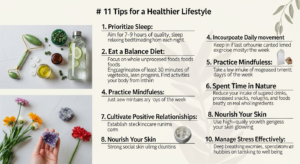
- Prioritize Sleep: Aim for 7-9 hours of quality sleep nightly. Establish a consistent sleep schedule, create a relaxing bedtime routine (e.g., warm bath, reading, gentle stretching, no screens 1 hour before bed), and optimize your sleep environment (dark, cool, quiet). If sleep is severely disrupted, consult a healthcare professional.
- Nourish Your Body: Focus on whole, unprocessed foods. Incorporate plenty of fruits, vegetables, lean proteins, and healthy fats. Foods rich in omega-3 fatty acids (salmon, flaxseeds), magnesium (leafy greens, nuts), and B vitamins (eggs, legumes) can support nervous system health. Limit sugar, caffeine, and processed foods, which can exacerbate energy crashes and anxiety.
- Mindful Movement: Instead of intense, high-impact exercise (which can be another stressor when burnt out), opt for gentle, restorative movement. Yoga, Pilates, walking in nature, swimming, or tai chi can help release tension, improve circulation, and promote relaxation without taxing your already depleted system. Aim for 20-30 minutes most days.
- Hydration: Drink plenty of water throughout the day. Dehydration can contribute to fatigue, headaches, and impaired cognitive function.
2. Mental & Emotional Recalibration: Quieting the Inner Storm
Burnout often stems from relentless mental chatter and emotional overwhelm. These strategies help calm your mind and process emotions effectively.
- Mindfulness and Meditation: Even 5-10 minutes a day can make a significant difference. Apps like Calm or Headspace offer guided meditations. Mindfulness practices help you observe your thoughts and feelings without judgment, creating a space between stimulus and response.
- Journaling: Use a journal to dump your thoughts and emotions, process difficult experiences, identify recurring stressors, and celebrate small victories. This externalizes worries and provides clarity.
- Cognitive Reframing: Challenge negative thought patterns. When you catch yourself thinking “I can’t do this,” try to reframe it to “This is challenging, but I will take it one step at a time.” Practice self-compassion by treating yourself with the same kindness you would offer a friend.
- Setting Boundaries: This is perhaps one of the most crucial and challenging steps for women. Learn to say “no” to requests that deplete your energy, create dedicated work-free and chore-free times, and protect your personal space. Start small, perhaps by saying no to one non-essential request each week. Learn more about mastering boundaries.
3. Social & Environmental Support: Cultivating a Nurturing Ecosystem
Your surroundings and relationships profoundly impact your stress levels.
- Nurture Supportive Relationships: Spend time with people who uplift you, listen without judgment, and offer genuine support. Distance yourself from relationships that are consistently draining or critical. Build a stronger support network.
- Delegate and Ask for Help: For women, this is particularly difficult due to the “superwoman” ideal. Identify tasks you can delegate at work or home, and don’t be afraid to ask for practical or emotional support from your partner, family, or friends. Remember, asking for help is a sign of strength, not weakness. Discover effective delegation tips.
- Create a Restorative Environment: Declutter your living and workspaces to reduce visual noise. Bring in elements that promote calm, such as plants, natural light, and soothing colors. Ensure your home feels like a sanctuary, not another source of stress. Design your restorative environment.
- Spend Time in Nature: Research consistently shows that spending time outdoors reduces stress hormones, lowers blood pressure, and improves mood. Even a short walk in a park can be incredibly restorative. Explore the benefits of nature therapy.
Implementing these strategies requires patience and consistency. Start with one or two that feel most accessible and gradually build on them. Recovery is not linear, but each small step is a vital part of your journey to reclaim vitality and master managing chronic stress burnout.
Rebuilding Resilience: Proactive Steps to Prevent Future Burnout
Recovery is about healing from the past, but true vitality comes from building resilience to face future challenges without succumbing to the depths of burnout again. For women, this often means dismantling deeply ingrained patterns and proactively cultivating habits that prioritize self-preservation. It’s about shifting from reactive stress management to proactive well-being. Here are essential steps for sustainable resilience and effective managing chronic stress burnout in the long run.
1. Develop Radical Self-Compassion
Burnout often thrives on self-criticism and the belief that we are not enough. Radical self-compassion means treating yourself with the same kindness, understanding, and support you would offer a dear friend. This involves:
- Acknowledging Your Suffering: Validating your feelings of overwhelm and exhaustion rather than dismissing them.
- Recognizing Common Humanity: Understanding that struggles and imperfections are part of the human experience, not personal failures. You are not alone in your challenges.
- Practicing Self-Kindness: Actively comforting yourself during difficult times instead of judging or criticizing yourself. This could be a gentle touch, soothing words, or a moment of mindful breathing.
Actionable Tip: When you notice self-critical thoughts, pause and ask yourself, “What would I say to a friend in this exact situation?” Then, apply that same compassionate advice to yourself. Learn to practice self-compassion.
2. Prioritize Self-Care as Non-Negotiable
Self-care is not selfish; it’s essential. It’s the fuel that keeps your engine running. For women, who are often conditioned to prioritize others, making self-care a non-negotiable commitment is revolutionary.
- Schedule “Me-Time”: Treat your self-care appointments (whether it’s reading, a walk, a hobby, or simply quiet time) with the same importance as any other appointment. Put it in your calendar.
- Identify Your Energy Boosters: What genuinely recharges you? Is it creative expression, physical activity, spending time with pets, or solitude? Make a list and ensure you incorporate these regularly.
- Regular “Check-ins”: Periodically assess your energy levels and emotional state. Don’t wait until you’re completely depleted to tend to your needs.
Actionable Tip: Start with one small self-care activity (e.g., 15 minutes of uninterrupted reading) daily for a week and observe the difference. Your ultimate self-care guide.
3. Master Effective Time Management and Delegation
- The Eisenhower Matrix: Categorize tasks as Urgent/Important, Important/Not Urgent, Urgent/Not Important, Not Urgent/Not Important. Focus on the Important/Not Urgent tasks to prevent future crises. Eliminate or delegate the Not Important tasks. Master the Eisenhower Matrix.
- Batching Similar Tasks: Group similar tasks (e.g., all emails, all errands) to improve efficiency and reduce context-switching, which is mentally draining.
- Strategic Delegation: Identify tasks that don’t absolutely require your unique skills. Can your partner take on more household chores? Can you hire help for certain tasks? Can colleagues assist with parts of a project? Let go of the need for things to be done “your way” to perfection. Improve your delegation skills.
Actionable Tip: For one week, track where your time actually goes. You might be surprised by how much time is spent on low-value tasks that could be delegated or eliminated.
4. Seek Professional Support and Build Your Network
You don’t have to navigate this alone. Professional help and a strong support system are invaluable.
- Therapy or Coaching: A therapist can help you process past trauma, develop coping mechanisms, challenge negative thought patterns, and build resilience. A coach can provide practical strategies for stress reduction, boundary setting, and goal achievement. Find the right professional support.
- Medical Check-ups: Rule out underlying physical health issues that might be contributing to fatigue or other burnout symptoms (e.g., thyroid issues, vitamin deficiencies). Schedule your women’s health check-up.
- Cultivate a Support Network: Actively seek out and connect with friends, family, or support groups who understand your experiences, offer empathy, and provide practical or emotional assistance when needed. Strengthen your support network.
Actionable Tip: Research therapists or coaches specializing in women’s well-being or burnout. Even an initial consultation can provide valuable insights and a path forward.
Embracing Your Vitality: A Journey, Not a Destination
The path beyond burnout and towards reclaiming vitality is not a straight line, nor is it a destination you arrive at and stay forever. It is an ongoing, evolving journey of self-discovery, adaptation, and continuous self-care. There will be good days and challenging days, moments of incredible energy, and times when you feel the familiar tug of old patterns. This is normal. The key is to approach this journey with patience, self-compassion, and a commitment to nurturing your well-being consistently.
Embracing your vitality means recognizing that you are worthy of rest, joy, and peace. It means understanding that your worth is not tied to your productivity, your ability to multitask, or how much you sacrifice for others. It’s about learning to listen to your body’s signals, honoring your emotional needs, and making choices that truly serve your highest good. For women, this can be a profound re-parenting of oneself, shedding years of societal conditioning that encouraged self-neglect.
Celebrate every small victory along the way – the boundary you successfully set, the moment of mindfulness you practiced, the extra hour of sleep you prioritized. Each of these steps contributes to a stronger, more resilient you. This isn’t about becoming immune to stress; it’s about developing the internal resources and external support systems that allow you to navigate life’s inevitable challenges without spiraling into depletion. It’s about finding sustainable ways of living that fuel your spirit rather than draining it, ensuring that you are not just surviving, but truly thriving, with renewed energy and purpose.
Conclusion
Chronic stress and burnout can feel like an inescapable prison, particularly for women who often juggle an immense and often invisible load. But escape is not only possible, it is your right. By understanding the unique ways burnout manifests in women, recognizing its silent costs, and diligently identifying your personal stressors, you’ve taken the most critical steps towards recovery. The holistic strategies for managing chronic stress burnout – prioritizing physical rejuvenation, recalibrating your mental and emotional landscape, and cultivating a supportive environment – provide a powerful framework for healing.
Remember that rebuilding resilience is an ongoing process of radical self-compassion, non-negotiable self-care, effective time management, and seeking professional support. Your journey beyond burnout is a testament to your strength and an investment in your future well-being. Start today by choosing one small, actionable step from this guide that resonates most with you. Your vitality, your peace, and your authentic self are waiting to be reclaimed. Begin your journey back to yourself, one intentional step at a time.
Frequently Asked Questions