
Understanding Skin Changes After 40: The Science of Mature Beauty
Reaching our 40s is a significant milestone, a time often marked by newfound confidence and a deeper understanding of ourselves. Our skin, the largest organ, is a beautiful canvas reflecting our life’s journey, and it undergoes distinct changes during this decade. Understanding these physiological shifts is the first step in formulating an effective anti-aging skincare guide for women over 40.
- Collagen and Elastin Depletion: Perhaps the most significant change is the accelerated decline in collagen and elastin production. Collagen, the protein responsible for skin’s firmness, and elastin, which provides elasticity, begin to deplete more rapidly after 40. This leads to increased sagging, loss of facial volume, and the deepening of fine lines and wrinkles. Our skin loses its youthful bounce and resilience, becoming more susceptible to gravity’s pull.
- Slower Cell Turnover: The rate at which our skin cells regenerate significantly slows down. In our younger years, skin cells turn over every 28 days or so, revealing fresh, new skin. After 40, this process can extend to 40-60 days. This slower turnover results in a buildup of dead skin cells on the surface, making the skin appear dull, rough, and uneven in tone and texture. It can also exacerbate the appearance of pores and make the skin feel less smooth.
- Hormonal Fluctuations: The journey towards peri-menopause and menopause often begins in our 40s, bringing with it a notable decline in estrogen levels. Estrogen plays a crucial role in maintaining skin hydration, collagen production, and barrier function. As estrogen levels drop, skin can become drier, thinner, more sensitive, and less capable of retaining moisture. This hormonal shift can also lead to increased breakouts for some women, a phenomenon often referred to as “adult acne.”
- Increased Dryness and Dehydration: Due to reduced natural oil production (sebum) and impaired barrier function exacerbated by hormonal changes, skin over 40 tends to be drier. The skin’s ability to hold onto water diminishes, leading to chronic dehydration, which can make fine lines more prominent and contribute to a dull complexion.
- Accumulated Sun Damage: Decades of sun exposure, even incidental, begin to manifest more prominently. Sun damage (photoaging) results in hyperpigmentation (dark spots, sun spots, melasma), uneven skin tone, and a breakdown of collagen and elastin. While you might have seen some signs earlier, these tend to become more pronounced and stubborn to treat in your 40s.
- Fragile Skin Barrier: The skin’s protective barrier, which shields against environmental aggressors and locks in moisture, can become compromised. This makes the skin more vulnerable to irritants, increasing sensitivity and redness. A weakened barrier also contributes to increased moisture loss, perpetuating dryness.
Understanding these fundamental changes is crucial. It’s not about fighting age, but rather providing your skin with targeted support to address these specific needs. Our goal is to maintain skin health, resilience, and a luminous glow that reflects the vibrant woman you are inside.
The Foundation: Essential Skincare Pillars for Mature Skin
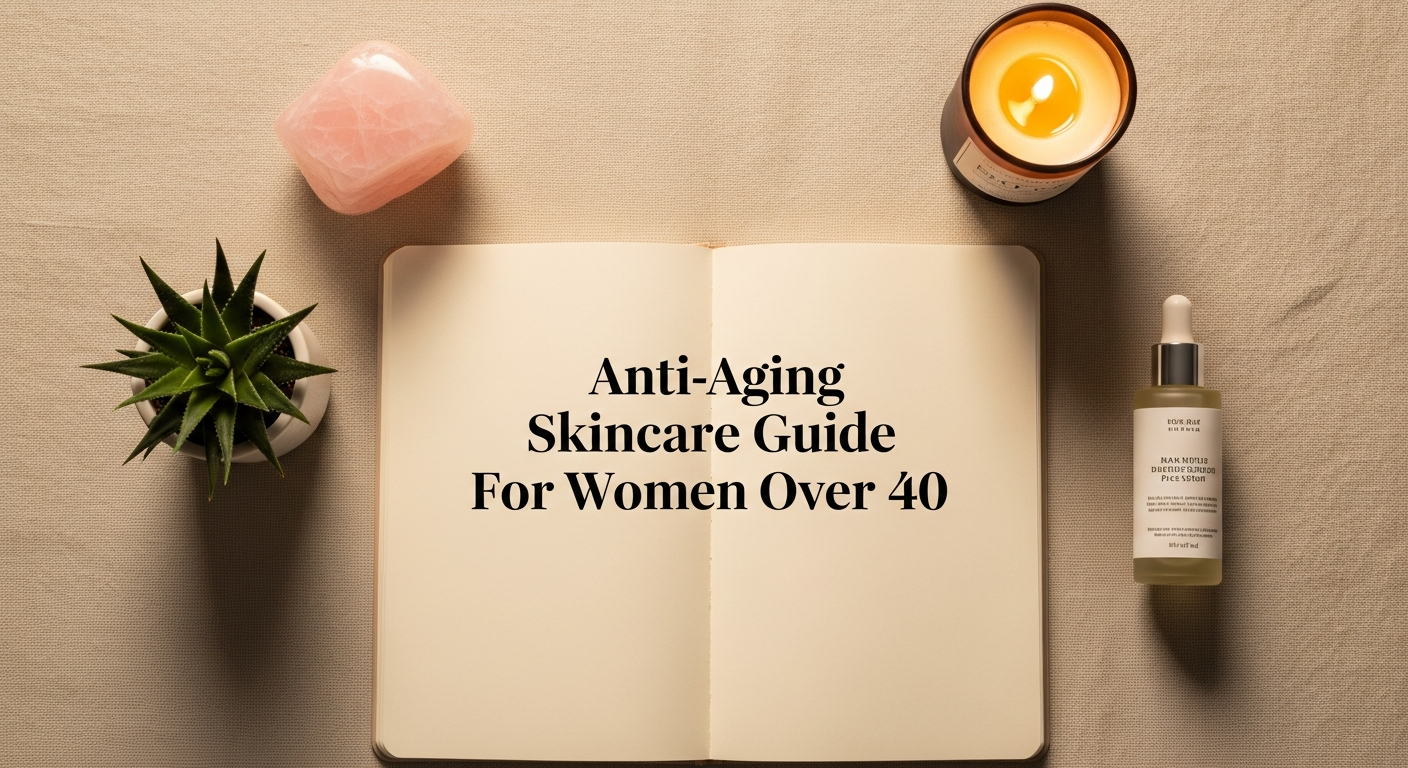
While specialized ingredients play a vital role, the bedrock of any effective anti-aging skincare guide for women over 40 lies in a consistent and thoughtful routine built upon fundamental pillars. Neglecting these basics can undermine even the most advanced treatments. Think of these as the non-negotiables for healthy, resilient skin.
Gentle Cleansing: The First Step to Radiance
As skin matures, it tends to become drier and more sensitive. Harsh cleansers that strip natural oils can exacerbate dryness, irritate the skin barrier, and contribute to redness.
- Choose Wisely: Opt for cream, milk, oil, or balm cleansers that effectively remove makeup and impurities without leaving your skin feeling tight or squeaky clean. Look for formulations that are hydrating and pH-balanced.
- Technique Matters: Use lukewarm water, not hot, which can strip natural oils. Gently massage the cleanser onto your face for about 30-60 seconds, then rinse thoroughly. Avoid aggressive scrubbing.
- Frequency: Cleanse twice a day – in the morning to remove overnight accumulation of oils and dead skin cells, and in the evening to remove makeup, SPF, and environmental pollutants.
Targeted Treatment: Serums and Actives
This is where the magic happens for anti-aging. Serums are concentrated formulations designed to deliver potent active ingredients deep into the skin. This section is so crucial that we will dedicate an entire H2 to “Key Ingredients” after this, but generally, this pillar refers to the application of these powerful elixirs.
- Layering: Apply serums to clean, slightly damp skin after cleansing. This helps with absorption. If using multiple serums, apply from thinnest to thickest consistency.
- Consistency is Key: Active ingredients take time to show results. Be patient and consistent with your application.
Deep Hydration: Replenishing Moisture and Barrier Support
Mature skin often struggles with dryness and a compromised barrier. A good moisturizer is essential for locking in hydration, supporting the skin barrier, and providing a protective layer.
- Ingredients to Look For: Seek out moisturizers rich in ceramides, hyaluronic acid, glycerin, fatty acids, and squalane. These ingredients help to attract and retain moisture, and strengthen the skin barrier.
- Texture: Depending on your skin type and the climate, you might prefer a richer cream, a lighter lotion, or even a facial oil. Many women over 40 benefit from richer creams, especially for nighttime use.
- Application: Apply moisturizer after your serums, gently pressing it into the skin. Don’t forget your neck and décolletage, which often show signs of aging just as quickly as the face.
Non-Negotiable Sun Protection: Your Best Anti-Aging Weapon
If there’s one non-negotiable step in any anti-aging skincare guide for women over 40, it’s daily sun protection. Up to 90% of visible skin aging is attributed to sun exposure (photoaging).
- Broad-Spectrum SPF 30+: Use a broad-spectrum sunscreen with an SPF of 30 or higher every single day, rain or shine, indoors or out. Broad-spectrum means it protects against both UVA (aging) and UVB (burning) rays.
- Reapply: Reapply every two hours when exposed to direct sunlight, or more often if swimming or sweating.
- Physical vs. Chemical: Mineral (physical) sunscreens containing zinc oxide and titanium dioxide are often preferred for sensitive skin as they sit on top of the skin and block rays. Chemical sunscreens absorb UV rays and convert them into heat. Choose what works best for your skin and lifestyle.
- Beyond SPF: Incorporate sun-protective clothing, wide-brimmed hats, and seek shade during peak sun hours (10 AM – 4 PM).
By diligently adhering to these foundational pillars, you create a robust environment for your skin, allowing it to better respond to the powerful anti-aging ingredients we’ll discuss next. These steps are not just about looking younger; they are about maintaining the health, integrity, and resilience of your skin, ensuring it feels as good as it looks.
Key Ingredients: Your Anti-Aging Powerhouses for Women Over 40
When curating an anti-aging skincare guide for women over 40, understanding the power players in ingredient science is paramount. These active compounds are specifically chosen for their ability to target the unique concerns of mature skin, from stimulating collagen to enhancing hydration and evening out skin tone. Integrating these effectively into your routine can yield transformative results.
Retinoids (Retinol, Retinal, Tretinoin): The Gold Standard
Often hailed as the most effective anti-aging ingredient, retinoids are vitamin A derivatives that work by increasing cell turnover, stimulating collagen production, and diminishing the appearance of fine lines, wrinkles, and hyperpigmentation.
- How They Work: Retinoids communicate with skin cells, telling them to behave like younger, healthier cells. They accelerate cell renewal, thicken the deeper layers of the skin, and reduce collagen breakdown.
- Types: Over-the-counter options include retinol (most common), retinaldehyde (retinal), and retinyl palmitate (milder). Prescription-strength options like tretinoin (Retin-A) are stronger and require a dermatologist’s consultation.
- Usage Tips: Start with a low concentration (e.g., 0.25% retinol) 2-3 times a week at night, gradually increasing frequency and strength as your skin builds tolerance. Always follow with a good moisturizer. Use sunscreen diligently as retinoids can increase sun sensitivity.
- Benefits: Significantly reduces fine lines and wrinkles, improves skin texture, fades dark spots, minimizes pores, and boosts collagen.
Vitamin C (Ascorbic Acid): The Brightening Antioxidant
A potent antioxidant, Vitamin C is indispensable for protecting skin from environmental damage, brightening the complexion, and stimulating collagen synthesis.
- How It Works: As a powerful antioxidant, Vitamin C neutralizes free radicals caused by UV exposure and pollution, preventing oxidative stress that leads to premature aging. It also plays a crucial role in collagen production and inhibits melanin production, which helps fade dark spots.
- Forms: L-Ascorbic Acid is the most potent and well-researched form but can be unstable. Look for stable derivatives like Sodium Ascorbyl Phosphate or Magnesium Ascorbyl Phosphate, especially if you have sensitive skin.
- Usage Tips: Apply a Vitamin C serum in the morning after cleansing and before sunscreen. This provides an extra layer of antioxidant protection throughout the day. Store in a cool, dark place, and check for airtight packaging to maintain stability.
- Benefits: Brightens skin, evens skin tone, reduces hyperpigmentation, boosts collagen, and provides antioxidant protection.
Hyaluronic Acid (HA): The Hydration Hero
Hyaluronic Acid is a humectant naturally found in our skin that can hold up to 1,000 times its weight in water, making it a powerful hydrator.
- How It Works: It draws moisture from the environment and deeper layers of the skin to the surface, plumping up the skin, reducing the appearance of fine lines caused by dehydration, and improving overall suppleness.
- Forms: Look for serums or moisturizers containing various molecular weights of HA (e.g., sodium hyaluronate) for multi-depth hydration.
- Usage Tips: Apply HA serum to damp skin to maximize its water-attracting capabilities. Follow immediately with a moisturizer to seal in the hydration.
- Benefits: Provides intense hydration, plumps skin, reduces the appearance of dehydration lines, and supports skin barrier function.
Peptides: The Building Blocks
Peptides are short chains of amino acids, the building blocks of proteins like collagen and elastin. When applied topically, they signal the skin to produce more of these essential proteins.
- How They Work: Different types of peptides have different functions. Signal peptides encourage collagen production, while carrier peptides deliver trace elements that aid in wound healing. Neurotransmitter peptides can even relax muscle contractions, similar to Botox, though with milder effects.
- Usage Tips: Peptides are generally well-tolerated and can be used both morning and night in serums or moisturizers. They pair well with most other ingredients.
- Benefits: Boosts collagen and elastin production, improves skin firmness and elasticity, reduces the appearance of wrinkles, and supports skin repair.
AHAs (Alpha Hydroxy Acids) and BHAs (Beta Hydroxy Acids): The Exfoliators
These chemical exfoliants help remove dead skin cells, promoting a smoother, brighter complexion and improving product absorption.
- AHAs (Glycolic Acid, Lactic Acid): Water-soluble acids that work on the skin’s surface to exfoliate, improve texture, brighten, and stimulate collagen. Glycolic acid is potent, while lactic acid is milder and more hydrating.
- BHAs (Salicylic Acid): Oil-soluble, allowing it to penetrate deeper into pores, making it excellent for congested skin, breakouts, and blackheads.
- Usage Tips: Start with lower concentrations (e.g., 5-10% AHA) 2-3 times a week, usually at night. Always use sunscreen the next day, as exfoliation can increase sun sensitivity. If using retinoids, alternate nights or use on separate days to avoid over-exfoliation.
- Benefits: Improves skin texture, reduces dark spots, minimizes fine lines, unclogs pores, and brightens overall complexion.
Niacinamide (Vitamin B3): The Multi-Tasker
Niacinamide is a versatile powerhouse offering a wide range of benefits for mature skin.
- How It Works: It strengthens the skin barrier, reduces inflammation and redness, minimizes pore appearance, regulates oil production, and improves skin tone and texture. It also has antioxidant properties and can help reduce the transfer of pigment, thus diminishing dark spots.
- Usage Tips: Generally well-tolerated and can be used both morning and night in serum form. It pairs well with most other actives.
- Benefits: Reduces redness and inflammation, strengthens skin barrier, minimizes pores, regulates oil, improves tone and texture, and has antioxidant benefits.
Antioxidants (Green Tea, Ferulic Acid, Resveratrol): Environmental Defense
Beyond Vitamin C, a plethora of other antioxidants help protect the skin from environmental damage.
- How They Work: Antioxidants neutralize free radicals generated by UV radiation, pollution, and other environmental stressors, preventing cellular damage that leads to premature aging.
- Usage Tips: Incorporate serums or moisturizers rich in a blend of antioxidants, ideally in the morning to bolster your skin’s defenses throughout the day.
- Benefits: Protects against environmental damage, reduces inflammation, and supports overall skin health.
By strategically incorporating a selection of these key ingredients into your routine, you can effectively address the multifaceted concerns of skin over 40, promoting a healthier, more youthful-looking complexion. Remember to introduce new ingredients slowly and observe how your skin responds.
Building Your Personalized Anti-Aging Skincare Routine
A truly effective anti-aging skincare guide for women over 40 isn’t just about knowing the right ingredients; it’s about orchestrating them into a cohesive, consistent routine. Consistency is the unsung hero of skincare, and a well-structured daily regimen ensures you reap the maximum benefits from your chosen products. Here’s how to build a personalized morning and evening routine, along with weekly treatments.
The Morning Routine: Protect and Prepare
Your morning routine focuses on protecting your skin from environmental aggressors and preparing it for the day ahead.
- Cleanse (Optional, or Gentle): If your skin is dry or sensitive, a splash of water or a very gentle, hydrating cleanser might suffice. For oilier skin types or those who sweat overnight, a mild cleanser is beneficial. The goal is to refresh without stripping.
- Antioxidant Serum (Vitamin C): Apply 3-5 drops of a Vitamin C serum to clean, slightly damp skin. Gently press it into your face, neck, and décolletage. This provides crucial antioxidant protection against free radicals and brightens your complexion. Allow it to absorb for a minute.
- Hydrating Serum (Hyaluronic Acid, Niacinamide, Peptides): If using, apply a hyaluronic acid serum to damp skin to plump and hydrate. Follow with a niacinamide or peptide serum if desired. These layers work synergistically to support skin health and barrier function.
- Eye Cream: Gently dab a pea-sized amount of eye cream around the orbital bone (not too close to the lash line). Look for creams with peptides, hyaluronic acid, or caffeine to address fine lines, puffiness, and dark circles.
- Moisturizer: Apply a hydrating moisturizer to lock in all the goodness from your serums and provide an occlusive layer. Choose a texture appropriate for your skin type and the climate – a lighter lotion for warmer months, a richer cream for colder or drier conditions.
- Sunscreen (Non-Negotiable SPF 30+): This is the absolute final and most crucial step. Apply a broad-spectrum sunscreen with at least SPF 30 liberally to your face, neck, and any exposed skin. Reapply throughout the day, especially if you’re outdoors or sweating.
The Evening Routine: Repair and Regenerate
Your evening routine is dedicated to repairing daily damage, promoting cell regeneration, and deeply nourishing your skin while you sleep.
- Double Cleanse: Start with an oil-based cleanser or balm to dissolve makeup, sunscreen, and environmental pollutants. Follow with a gentle, hydrating cream or milk cleanser to thoroughly clean your skin without stripping it. This ensures a clean canvas for your active ingredients.
- Treatment Serum (Retinoid or Exfoliant): This is where your heavy-hitters come in.
- Retinoid: Apply your chosen retinoid (retinol, retinal, or prescription tretinoin) to dry skin to minimize irritation. Start with a pea-sized amount for your entire face, neck, and décolletage.
- Exfoliant (AHA/BHA): On nights you are not using a retinoid, you can apply an AHA or BHA toner or serum. Remember to alternate these potent ingredients to avoid over-exfoliation and irritation.
- Hydrating/Nourishing Serum (Hyaluronic Acid, Peptides, Niacinamide): After your retinoid or exfoliant has absorbed (give it a few minutes), apply hydrating and nourishing serums to soothe and replenish the skin.
- Eye Cream: Reapply your eye cream, perhaps a slightly richer one for night if you prefer.
- Night Cream / Facial Oil: Finish with a rich, restorative night cream or a nourishing facial oil. These products are designed to support your skin’s natural repair processes overnight, providing deep hydration and barrier support. Look for ingredients like ceramides, fatty acids, and squalane.
Weekly Treatments: Boost and Enhance
Beyond your daily routine, incorporating weekly treatments can provide an extra boost and address specific concerns.
- Exfoliating Mask/Treatment (1-2 times a week): If you’re not regularly using an AHA/BHA serum, a gentle exfoliating mask can help slough off dead skin cells, brighten, and improve texture. Choose enzyme-based masks or mild AHA masks.
- Hydrating/Nourishing Mask (1-2 times a week): A hydrating sheet mask or cream mask can provide an intense surge of moisture, calming and plumping the skin. Look for ingredients like hyaluronic acid, ceramides, and nourishing plant extracts.
- Facial Massage: Incorporate a few minutes of facial massage using a gua sha tool or your fingers with a facial oil. This can help improve circulation, reduce puffiness, and promote lymphatic drainage, contributing to a healthy glow.
Remember, this is a template. Listen to your skin and adjust as needed. Some days your skin might need more hydration, others less. The key is to be consistent, gentle, and patient. Building a personalized anti-aging skincare guide for women over 40 is a journey, not a sprint, and your skin will thank you for the dedication.
Beyond the Bottle: Lifestyle Factors for Youthful Skin
While a meticulously crafted skincare routine is undeniably powerful, true skin radiance and anti-aging benefits extend far beyond topical applications. For women over 40, a holistic approach that integrates healthy lifestyle choices is paramount. These internal factors profoundly influence skin health, resilience, and its ability to repair and regenerate. Think of this as the comprehensive Womens Health Tips Every Woman Should Know that complements your external efforts.
Nourishing Nutrition: Fueling Your Skin from Within
What you eat directly impacts your skin’s health, appearance, and aging process.
- Antioxidant-Rich Foods: Incorporate a rainbow of fruits and vegetables (berries, leafy greens, bell peppers, tomatoes) to combat free radical damage and reduce inflammation.
- Healthy Fats: Omega-3 fatty acids found in salmon, flaxseeds, chia seeds, and walnuts are crucial for maintaining skin barrier function, reducing inflammation, and keeping skin supple.
- Lean Proteins: Essential for collagen and elastin production. Include sources like lean meats, poultry, fish, legumes, and tofu.
- Minimize Processed Foods & Sugar: High sugar intake can lead to glycation, a process where sugar molecules bind to proteins like collagen and elastin, making them rigid and brittle, accelerating wrinkle formation. Processed foods often lack vital nutrients.
- Gut Health: A healthy gut microbiome is linked to clearer, calmer skin. Probiotic-rich foods (yogurt, kefir, fermented vegetables) can support gut health.
Hydration: The Elixir of Life for Your Skin
Adequate water intake is fundamental for every bodily function, including skin health.
- Drink Up: Aim for at least 8 glasses (2 liters) of water daily. Proper hydration ensures skin cells are plump and function optimally, improving elasticity and reducing the appearance of fine lines caused by dehydration.
- Hydrating Foods: Water-rich fruits and vegetables like cucumber, watermelon, celery, and oranges also contribute to your daily fluid intake.
Quality Sleep: Your Skin’s Overnight Repair Shop
Sleep is when your body, and particularly your skin, goes into repair mode. Chronic sleep deprivation can accelerate aging.
- The “Beauty Sleep” Is Real: During deep sleep, your body produces human growth hormone, which aids in cell repair and regeneration. Collagen production is boosted, and blood flow to the skin increases, leading to a healthier, more rested complexion.
- Aim for 7-9 Hours: Prioritize consistent, uninterrupted sleep. Establish a relaxing bedtime routine to improve sleep quality.
Stress Management: Taming the Internal Tensions
Chronic stress triggers a cascade of hormonal responses (like cortisol release) that can negatively impact skin, leading to inflammation, breakouts, barrier disruption, and accelerated aging.
- Mindfulness Practices: Incorporate meditation, yoga, deep breathing exercises, or spending time in nature to reduce stress levels.
- Hobbies and Downtime: Dedicate time to activities you enjoy. Creating an organized and serene workspace, much like understanding How To Set Up Family Home Office, can significantly reduce daily stressors that can manifest on our skin.
- Boundaries: Learn to say no and set healthy boundaries in your personal and professional life.
Regular Exercise: Boosting Circulation and Detoxification
Physical activity isn’t just for your heart and muscles; it’s a powerful ally for your skin.
- Increased Blood Flow: Exercise enhances circulation, delivering oxygen and nutrients to skin cells while carrying away waste products. This contributes to a healthy, vibrant glow.
- Stress Reduction: Physical activity is a proven stress reliever, indirectly benefiting skin health.
- Sweat and Detox: While sweat itself doesn’t “detoxify” in the way some believe, it does help clear pores and, combined with increased circulation, supports overall skin function.
Avoiding Harmful Habits: Protecting Your Investment
Certain habits can rapidly accelerate skin aging, undermining all your other efforts.
- Smoking: Destroys collagen and elastin, constricts blood vessels, and deprives skin of oxygen, leading to premature wrinkles, dullness, and a sallow complexion.
- Excessive Alcohol: Dehydrates the skin, dilates blood vessels (leading to redness), and contributes to inflammation.
- Unprotected Sun Exposure: As mentioned, this is the leading cause of premature aging. Consistent use of SPF is non-negotiable.
For women navigating their late 30s and early 40s, whether focusing on career, family, or personal growth, maintaining optimal health is paramount. Just as we prioritize our skin’s health, considering Fertility Health Tips Women Trying Conceive (for those still in that phase of life) highlights the interconnectedness of our body’s systems. A holistic approach that integrates these lifestyle factors ensures your skin not only looks its best but is also a true reflection of your overall health and well-being, radiating vitality from the inside out.
Advanced Treatments & Professional Support for Lasting Radiance
While a consistent at-home anti-aging skincare guide for women over 40 forms the bedrock of a youthful complexion, sometimes, professional interventions can provide an extra boost, addressing concerns that topical products alone cannot fully resolve. Consulting with a dermatologist or a qualified aesthetician can open doors to advanced treatments tailored to your specific needs and goals.
When to Consider Professional Help:
- Stubborn Concerns: If you’re struggling with deep wrinkles, significant hyperpigmentation (like melasma or stubborn sun spots), severe laxity, or persistent redness that over-the-counter products aren’t improving.
- Guidance on Actives: A dermatologist can prescribe stronger retinoids (like tretinoin) or other potent ingredients that are not available over the counter, and guide you on their safe and effective use.
- Preventative & Corrective: Professional treatments can both prevent further damage and correct existing signs of aging.
Popular Professional Anti-Aging Treatments:
Here are some of the most common and effective in-office procedures for women over 40:
Chemical Peels:
- How They Work: Controlled application of an acidic solution to exfoliate the top layers of skin, revealing smoother, brighter skin underneath. They come in various strengths (light, medium, deep).
- Benefits: Improves skin texture, reduces fine lines, fades dark spots and hyperpigmentation, minimizes pores, and stimulates collagen production.
- Considerations: Requires downtime depending on the strength. Essential to use strict sun protection afterward.
Microdermabrasion & Dermaplaning:
- How They Work:
- Microdermabrasion: Uses a device to gently exfoliate the outermost layer of dead skin cells.
- Dermaplaning: Uses a surgical-grade scalpel to delicately scrape off dead skin cells and vellus hair (peach fuzz).
- Benefits: Instantly brightens skin, improves texture, reduces the appearance of fine lines, and enhances product absorption.
- Considerations: Minimal to no downtime. Best for superficial concerns.
Laser and Light Therapies:
- How They Work: Utilize targeted light energy to address various concerns.
- IPL (Intense Pulsed Light): Targets pigment (dark spots, sun spots, redness, broken capillaries).
- Fractional Lasers (e.g., Fraxel): Create microscopic injuries in the skin to stimulate collagen production and improve texture, wrinkles, and scars (ablative vs. non-ablative depending on intensity and downtime).
- Benefits: Significantly reduces hyperpigmentation, redness, fine lines, wrinkles, improves skin tone and texture, and stimulates collagen.
- Considerations: Can have significant downtime, multiple sessions often required, and cost can be higher. Requires an experienced practitioner.
Injectables (Botox & Dermal Fillers):
- How They Work:
- Botox (Neurotoxins): Relaxes muscles that cause dynamic wrinkles (e.g., frown lines, crow’s feet) by temporarily blocking nerve signals.
- Dermal Fillers (Hyaluronic Acid): Injected to restore lost volume, plump up deep wrinkles and folds, and enhance facial contours (e.g., cheeks, lips, nasolabial folds).
- Benefits: Smooths dynamic wrinkles, restores volume, and sculpts facial features.
- Considerations: Temporary effects, require skilled injector to ensure natural results, potential for bruising or swelling.
Microneedling (Collagen Induction Therapy):
- How It Works: Uses a device with tiny needles to create controlled micro-injuries in the skin, stimulating the body’s natural wound-healing process and collagen/elastin production.
- Benefits: Improves skin texture, reduces fine
Recommended Resources
For more on anti-aging skincare guide, see How To Decorate A Rental Apartment on Rock Salt Plum.
Related reading: How To Organize A Small Closet And Maximize Space (The Contextual Life).