First Party Data Strategy and Email Capture Programs
In an era brimming with information, navigating the complexities of women’s health, hormonal wellness, and lifestyle medicine can feel overwhelming. Every woman’s body tells a unique story, generating a wealth of personal health data daily – from subtle shifts in mood and energy to menstrual cycle patterns and sleep quality. This “first-party data,” though often overlooked, is your most powerful tool for understanding your body, advocating for your health, and making informed decisions. But how do you harness this invaluable information, and where do you find reliable guidance tailored to your unique needs? This comprehensive guide will explore how actively gathering and interpreting your own health data, combined with strategically engaging with reputable email capture programs (think personalized newsletters, health challenges, and expert insights), can transform your wellness journey. It’s about empowering you to become the CEO of your own health, connecting your personal observations with evidence-based strategies for a more vibrant and balanced life.
TL;DR: Unlock your health potential by recognizing your personal health observations as “first-party data.” Use this data to track symptoms, understand patterns, and inform discussions with your healthcare provider. Supplement your insights by subscribing to reputable email programs that offer personalized, evidence-based guidance on women’s health, hormonal balance, and lifestyle medicine, empowering you to take charge of your well-being.
Understanding Your Personal First-Party Health Data
When we talk about “first-party data” in a personal health context, we’re referring to the information you generate and observe about your own body and lifestyle. Unlike data collected by third parties, this is uniquely yours – intimate, direct, and incredibly powerful. For women, this rich dataset includes a vast array of metrics and experiences: menstrual cycle details (flow, duration, pain, ovulation signs), daily symptoms (fatigue, headaches, digestive issues, skin changes, mood fluctuations), sleep patterns, dietary choices, exercise routines, stress levels, and even your emotional state. It also encompasses objective data like blood pressure readings, glucose levels, and laboratory test results that you directly receive and monitor.
Why is this personal first-party data so crucial for women’s health? Our bodies are intricate systems, particularly influenced by hormonal cycles that ebb and flow throughout our lives, from puberty through reproductive years, perimenopause, and menopause. Tracking this data allows you to identify unique patterns, triggers, and correlations that might otherwise go unnoticed. For instance, consistent tracking of mood swings alongside your menstrual cycle can reveal a clear pattern of premenstrual dysphoric disorder (PMDD) or severe PMS. Similarly, logging digestive issues alongside dietary changes can pinpoint specific food sensitivities. This level of granular, personal insight empowers you to move beyond generic advice and seek truly personalized solutions.
Medical organizations like the American College of Obstetricians and Gynecologists (ACOG) consistently emphasize the importance of patient self-reporting and detailed symptom histories in diagnosing and managing various conditions, from endometriosis to polycystic ovary syndrome (PCOS). Your first-party data provides this essential historical context. It transforms vague complaints into concrete evidence that can guide your healthcare provider toward a more accurate diagnosis and effective treatment plan. Furthermore, understanding your own data fosters a deeper connection with your body, cultivating a sense of agency and proactive engagement in your health journey. It’s the foundation upon which effective self-care and informed medical advocacy are built, moving you from a passive recipient of care to an active participant in your well-being.
The Power of Symptom Tracking and Data Logging
The act of systematically tracking your symptoms and lifestyle factors is a cornerstone of harnessing your personal first-party data. It transforms subjective feelings into objective, measurable information, providing a clear narrative of your health over time. For women, this is particularly vital given the cyclical nature of many health concerns and the often subtle onset of hormonal imbalances or chronic conditions. Consider conditions like endometriosis, where diagnosis can take years due to varied and often dismissed symptoms. Detailed logs of pain intensity, location, timing relative to the menstrual cycle, and associated symptoms (e.g., fatigue, digestive issues) can provide compelling evidence to your doctor, potentially accelerating diagnosis and intervention.
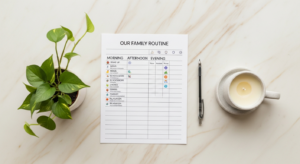
There are numerous practical ways to track your health data. Simple pen-and-paper journals remain highly effective, allowing for free-form notes and personal reflections. However, a plethora of digital tools and apps now exist, offering structured tracking for menstrual cycles, fertility, mood, sleep, diet, exercise, and chronic symptoms. Apps like Flo, Ovia, Clue, or specialized health trackers can provide visual summaries, trend analyses, and even predictive insights based on your input. When choosing an app, prioritize those with strong privacy policies and a user-friendly interface that encourages consistent data entry.
The benefits of consistent tracking extend beyond just diagnosis. It empowers you to identify personal triggers for symptoms (e.g., specific foods exacerbating digestive issues, stress impacting sleep), evaluate the effectiveness of lifestyle interventions (e.g., changes in diet, new exercise routines), and observe the impact of medications or supplements. For instance, if you’re managing perimenopausal symptoms, tracking hot flashes, night sweats, and sleep disturbances can help you and your doctor assess the efficacy of hormone therapy or herbal remedies. The National Institutes of Health (NIH) consistently advocates for patient-reported outcomes (PROs) as critical components of clinical research and personalized medicine, underscoring the scientific value of your lived experience captured through data logging.
When presenting this data to your healthcare provider, organize it clearly. Visual charts or summaries from apps can be incredibly helpful. Focus on patterns, severity, and duration of symptoms. This organized, evidence-based approach elevates your conversations with doctors, enabling a more collaborative and effective partnership in managing your health. It shifts the dynamic from simply reporting isolated complaints to presenting a comprehensive picture of your well-being, leading to more targeted and impactful health strategies.
Leveraging Email Capture Programs for Personalized Wellness
Once you’ve begun to gather your personal first-party health data, the next powerful step is to seek out and engage with high-quality, relevant information that can help you interpret that data and guide your actions. This is where “email capture programs” – in the context of personal health – become invaluable