Live Streaming Commerce Strategy for Beauty and Fashion Brands
While the title might initially suggest a deep dive into digital marketing and e-commerce tactics, at Veralyn Media, we recognize that true beauty and fashion emanate from within. Just as a successful live streaming commerce strategy requires careful planning, authentic engagement, and a deep understanding of one’s audience to captivate and convert, so too does a woman’s journey to optimal health demand a strategic approach to hormonal balance, well-being, and lifestyle medicine. This comprehensive guide will pivot from the digital marketplace to the intricate landscape of women’s physiology, offering evidence-based insights and practical advice. We aim to empower you with the knowledge to cultivate a vibrant, balanced life, understanding that your internal wellness is the most fundamental and impactful “strategy” for radiant health.
TL;DR: This article focuses on women’s health, hormonal wellness, and lifestyle medicine despite its title. It provides evidence-based strategies for maintaining hormonal balance through nutrition, exercise, stress management, and environmental awareness, empowering women to proactively manage their health.
Understanding Hormonal Harmony: The Foundation of Women’s Health
Hormones are powerful chemical messengers that regulate nearly every bodily process, from metabolism and mood to reproduction and sleep. For women, this delicate balance is particularly dynamic, influenced by menstrual cycles, pregnancy, perimenopause, and menopause. Key hormones like estrogen, progesterone, and thyroid hormones play pivotal roles, and imbalances can lead to a cascade of symptoms affecting physical and mental well-being. Understanding their functions is the first step toward achieving hormonal harmony.
Estrogen and Progesterone: The Female Duo
Estrogen, primarily produced in the ovaries, is responsible for the development of female secondary sexual characteristics and plays a critical role in bone health, cardiovascular function, and cognitive processes. Progesterone, also produced in the ovaries after ovulation, prepares the uterus for pregnancy and has calming effects on the brain. A healthy balance between these two hormones is crucial. For instance, “estrogen dominance,” a state where estrogen levels are relatively high compared to progesterone, can manifest as heavy periods, breast tenderness, weight gain, and mood swings. Conversely, low estrogen can lead to hot flashes, vaginal dryness, and bone density loss, especially during perimenopause and menopause. The American College of Obstetricians and Gynecologists (ACOG) emphasizes the importance of understanding these hormonal shifts throughout a woman’s life stages to address symptoms effectively.
Thyroid Hormones: The Metabolic Maestro
The thyroid gland, a small butterfly-shaped gland in the neck, produces hormones (T3 and T4) that regulate metabolism, energy levels, body temperature, and heart rate. Thyroid dysfunction is remarkably common in women, with conditions like hypothyroidism (underactive thyroid) often going undiagnosed. Symptoms of hypothyroidism include fatigue, weight gain, cold intolerance, hair loss, and depression. Hyperthyroidism (overactive thyroid) can cause weight loss, anxiety, rapid heartbeat, and heat intolerance. The National Institutes of Health (NIH) highlights that autoimmune thyroid conditions, such as Hashimoto’s thyroiditis, are significantly more prevalent in women, underscoring the need for awareness and regular screening, especially if symptoms persist.
Adrenal Hormones: The Stress Responders
The adrenal glands produce cortisol, often called the “stress hormone,” along with DHEA and adrenaline. While essential for managing stress, chronic stress can lead to prolonged elevated cortisol levels, disrupting other hormonal systems. High cortisol can suppress thyroid function, interfere with estrogen and progesterone balance, and impact sleep quality. This interconnectedness means that addressing stress is not just about mental well-being but is a fundamental component of hormonal health. Lifestyle interventions aimed at stress reduction are therefore paramount in supporting overall endocrine function, as evidenced by studies demonstrating the impact of chronic psychological stress on reproductive hormone profiles.
Achieving hormonal harmony is not about chasing perfect numbers but about understanding your body’s signals and supporting its natural rhythms through informed lifestyle choices. Regular check-ups and discussions with your healthcare provider are vital for assessing your unique hormonal landscape and developing a personalized strategy.
The Power of Lifestyle Medicine: Nutrition for Hormonal Balance
Lifestyle medicine emphasizes the therapeutic use of evidence-based lifestyle interventions to prevent, treat, and often reverse chronic diseases. When it comes to hormonal balance, nutrition stands as a cornerstone. What we eat directly impacts hormone production, metabolism, and detoxification pathways, making dietary choices a powerful tool for women seeking wellness.
Blood Sugar Regulation: A Key to Hormonal Stability
One of the most critical nutritional strategies for hormonal health is blood sugar regulation. Frequent spikes and crashes in blood sugar, often caused by diets high in refined carbohydrates and sugars, can lead to insulin resistance. Insulin, a hormone that regulates blood sugar, also influences other hormones like androgens (male hormones) in women, contributing to conditions like Polycystic Ovary Syndrome (PCOS). A diet rich in whole, unprocessed foods, complex carbohydrates, lean proteins, and healthy fats helps stabilize blood sugar. Research published in the journal Nutrients consistently demonstrates the positive impact of low-glycemic eating patterns on insulin sensitivity and hormonal parameters in women with PCOS.
Nutrient-Dense Foods for Endocrine Support
Specific nutrients are vital for hormone synthesis and function. Magnesium, found in leafy greens, nuts, and seeds, is crucial for stress response and sleep, both of which affect cortisol and melatonin. B vitamins, abundant in whole grains, legumes, and lean meats, are essential for energy production and detoxification, particularly of excess estrogens. Zinc, found in oysters, pumpkin seeds, and red meat, supports thyroid function and reproductive health. Omega-3 fatty acids, from fatty fish like salmon, flaxseeds, and walnuts, are powerful anti-inflammatory agents that can help alleviate menstrual pain and support overall hormonal signaling. The American Heart Association (AHA) recommends incorporating these healthy fats into the diet for cardiovascular health, which is intrinsically linked to hormonal well-being.
Gut Health and Hormone Metabolism
The gut microbiome plays a surprisingly significant role in hormonal health, particularly in estrogen metabolism. A healthy gut contains a diverse community of bacteria that produce an enzyme called beta-glucuronidase, which helps to deconjugate estrogens, allowing them to be reabsorbed into the body. An imbalanced gut microbiome can lead to an overabundance of this enzyme, potentially contributing to estrogen dominance. Therefore, supporting gut health through a diet rich in fiber (from fruits, vegetables, and whole grains), fermented foods (kefir, sauerkraut), and prebiotics is crucial. A study in Steroids highlighted the interplay between gut microbiota and estrogen metabolism, emphasizing the importance of a healthy gut for proper hormone regulation.
By prioritizing whole, nutrient-dense foods, managing blood sugar, and nurturing gut health, women can create a powerful nutritional foundation that supports optimal hormonal balance and overall vitality. Consulting with a registered dietitian or nutritionist specializing in women’s health can provide personalized guidance.
Movement and Mind: Exercise and Stress Management for Wellness
Beyond nutrition, regular physical activity and effective stress management are indispensable components of a comprehensive lifestyle medicine strategy for women’s hormonal wellness. These practices not only enhance physical fitness but also profoundly impact endocrine function, mood, and overall resilience.
The Benefits of Movement for Hormonal Health
Exercise is a powerful regulator of hormones. Regular physical activity can improve insulin sensitivity, helping to balance blood sugar levels and reduce the risk of insulin resistance, which is beneficial for conditions like PCOS. It also supports healthy metabolism, aids in weight management, and can improve detoxification pathways. Furthermore, exercise has a direct impact on mood-regulating hormones and neurotransmitters like endorphins, serotonin, and dopamine, which can alleviate symptoms of anxiety and depression often associated with hormonal fluctuations. The U.S. Department of Health and Human Services recommends at least 150 minutes of moderate-intensity aerobic activity or 75 minutes of vigorous-intensity aerobic activity per week, along with muscle-strengthening activities on 2 or more days a week, for substantial health benefits.
Tailoring Exercise to Your Hormonal Cycle
For women, understanding how to tailor exercise to different phases of the menstrual cycle can optimize benefits and prevent overtraining. During the follicular phase (before ovulation), when estrogen levels are rising, many women feel more energetic and can benefit from higher intensity workouts and strength training. In the luteal phase (after ovulation), with rising progesterone, energy levels might dip, making moderate activities like yoga, Pilates, or brisk walking more suitable. During menstruation, gentle movement can help alleviate cramps and improve mood. Listening to your body and adjusting your activity level accordingly is key, rather than pushing through discomfort, which can elevate cortisol and potentially disrupt other hormones.
Stress: The Silent Hormone Disruptor
Chronic stress is one of the most significant disruptors of hormonal balance. When stressed, the body releases cortisol and adrenaline, preparing for a “fight or flight” response. While acute stress is normal, prolonged stress keeps cortisol levels elevated, which can suppress thyroid function, interfere with sex hormone production, and contribute to insulin resistance. This constant state of alert can deplete adrenal reserves and lead to symptoms like fatigue, anxiety, and sleep disturbances, collectively often referred to as “adrenal fatigue,” though not a recognized medical diagnosis, it reflects a state of chronic stress impact on the body.
Mindfulness and Stress Reduction Techniques
Incorporating stress management techniques into daily life is therefore non-negotiable for hormonal wellness. Practices such as mindfulness meditation, deep breathing exercises, yoga, and spending time in nature can significantly lower cortisol levels. A systematic review published in JAMA Internal Medicine demonstrated the efficacy of mindfulness-based interventions in reducing psychological distress. Even simple practices like gratitude journaling or setting aside time for hobbies can make a substantial difference. Prioritizing adequate sleep, as discussed in the next section, is also a critical component of stress recovery. By consciously integrating both movement and mindfulness, women can create a powerful synergy that supports not only physical health but also emotional resilience and hormonal equilibrium.
Sleep, Toxins, and Environment: Hidden Influences on Hormones
While diet, exercise, and stress management are widely recognized pillars of health, less obvious factors like sleep quality, exposure to environmental toxins, and the overall living environment exert profound, often overlooked, influences on women’s hormonal balance and overall well-being. Addressing these hidden influences is crucial for a holistic approach to wellness.
The Critical Role of Quality Sleep
Sleep is not merely a period of rest; it’s a vital time for hormonal regulation, cellular repair, and cognitive consolidation. Chronic sleep deprivation or poor sleep quality can significantly disrupt hormone production and sensitivity. For instance, insufficient sleep elevates cortisol levels, which, as previously discussed, can cascade into imbalances of other hormones like insulin, thyroid hormones, and sex hormones. It also impairs glucose metabolism, increasing the risk of insulin resistance. Moreover, sleep is essential for the production of melatonin, the hormone that regulates sleep-wake cycles and also acts as a powerful antioxidant. Disruptions to melatonin production can impact reproductive hormones. The National Sleep Foundation recommends 7-9 hours of sleep per night for most adults. Establishing a consistent sleep schedule, creating a dark, cool, and quiet sleep environment, and avoiding screens before bedtime are foundational for optimizing hormonal health.
Endocrine Disrupting Chemicals (EDCs): Environmental Threats
Our modern environment exposes us to a myriad of chemicals, some of which are known as Endocrine Disrupting Chemicals (EDCs). EDCs are substances in our environment, food, and consumer products that can mimic or interfere with the body’s hormones, potentially leading to adverse developmental, reproductive, neurological, and immune effects. Common EDCs include phthalates (found in plastics, personal care products), parabens (preservatives in cosmetics), BPA (in plastics, can linings), and certain pesticides. These chemicals can impact estrogen and thyroid function, contributing to conditions like endometriosis, PCOS, and fertility issues. The Endocrine Society has issued scientific statements highlighting the pervasive nature and potential health risks of EDCs, particularly for women’s reproductive health.
Minimizing Toxin Exposure in Daily Life
Reducing exposure to EDCs requires conscious choices. Opt for glass or stainless steel containers instead of plastic for food storage and heating. Choose personal care products and cosmetics free of parabens and phthalates (often labeled as “fragrance”). Select organic produce when possible to minimize pesticide exposure. Use natural cleaning products or make your own with ingredients like vinegar and baking soda. Filtering drinking water can also reduce exposure to various contaminants. While complete avoidance is challenging, making incremental changes can significantly reduce your toxic load, thereby supporting your body’s natural hormonal balance and detoxification processes.
By prioritizing restorative sleep and actively minimizing exposure to environmental toxins, women can create a healthier internal and external environment, allowing their hormonal systems to function more optimally. These often-overlooked aspects are critical for a truly holistic approach to women’s health and wellness.
Navigating Specific Hormonal Challenges: PCOS, Endometriosis, Perimenopause
Many women face specific hormonal challenges that require targeted understanding and management strategies. Polycystic Ovary Syndrome (PCOS), endometriosis, and perimenopause are three common conditions that significantly impact women’s health and well-being, often requiring a multifaceted approach that integrates lifestyle medicine with conventional medical care.
Polycystic Ovary Syndrome (PCOS): A Metabolic-Hormonal Puzzle
PCOS is one of the most common endocrine disorders among women of reproductive age, affecting approximately 5-10%. It is characterized by a combination of irregular periods, excess androgen levels (leading to symptoms like acne and hirsutism), and polycystic ovaries (multiple small cysts on the ovaries, though not always present for diagnosis). Insulin resistance is a key driver for many women with PCOS, impacting ovarian function and contributing to higher androgen levels. Lifestyle interventions are the first-line treatment for PCOS, as recommended by organizations like ACOG. This includes a diet focused on whole, unprocessed foods with a low glycemic index to manage blood sugar, regular exercise to improve insulin sensitivity and body composition, and stress management. Weight loss, even modest amounts, can significantly improve symptoms and fertility outcomes for women with PCOS.
Endometriosis: Managing Chronic Pain and Inflammation
Endometriosis is a chronic condition where tissue similar to the lining of the uterus (endometrium) grows outside the uterus, often on the ovaries, fallopian tubes, and pelvic organs. This tissue responds to hormonal fluctuations, bleeding during menstruation, which can cause severe pain, inflammation, adhesions, and infertility. While medical and surgical treatments are often necessary, lifestyle medicine plays a crucial supportive role. An anti-inflammatory diet, rich in fruits, vegetables, omega-3 fatty acids, and avoiding processed foods, red meat, and excessive dairy, can help reduce systemic inflammation and pain. Regular, moderate exercise can also help manage pain and improve mood. Some research suggests that minimizing exposure to endocrine-disrupting chemicals might also be beneficial, given their potential to influence estrogen metabolism, which plays a role in endometriosis progression.
Perimenopause: Embracing the Transition
Perimenopause is the transitional phase leading up to menopause, typically lasting several years, during which a woman’s body undergoes natural hormonal fluctuations. Estrogen levels can fluctuate wildly, leading to symptoms like hot flashes, night sweats, irregular periods, mood swings, sleep disturbances, and vaginal dryness. While these changes are natural, lifestyle interventions can significantly alleviate symptoms and improve quality of life. Regular exercise, particularly weight-bearing activities, is crucial for maintaining bone density, which declines during this period. A balanced diet supports overall health and can help manage weight gain often associated with hormonal shifts. Stress reduction techniques are vital for managing mood swings and anxiety. For severe symptoms, hormone therapy (HT) can be an option, but lifestyle adjustments remain foundational. The North American Menopause Society (NAMS) provides extensive resources on managing perimenopausal symptoms through both lifestyle and medical approaches.
For each of these conditions, a personalized approach developed in collaboration with healthcare providers is essential. Lifestyle modifications offer powerful tools for symptom management and improving long-term health outcomes, often complementing conventional medical treatments effectively.
Empowering Your Health Journey: When and How to Seek Professional Guidance
Taking an active role in your health journey is empowering, but it’s equally important to know when and how to seek professional guidance. Lifestyle medicine provides a robust framework for self-care, yet certain symptoms, conditions, or changes warrant a consultation with a healthcare provider. Navigating the medical landscape to find the right support is a crucial step in achieving optimal women’s health.
Recognizing When to See a Doctor
While many common hormonal fluctuations can be managed with lifestyle adjustments, certain signs and symptoms should prompt a visit to your doctor. These include: persistent or severe menstrual irregularities (e.g., periods that stop for several months, very heavy bleeding, or severe pain), unexplained weight changes (gain or loss), chronic fatigue that doesn’t improve with rest, hair loss or excessive hair growth, new or worsening acne in adulthood, persistent mood disturbances (anxiety, depression), severe hot flashes or night sweats that disrupt daily life, and any new or concerning lumps or pains. For women over 40, regular screenings like mammograms and bone density tests become increasingly important, as recommended by ACOG and the National Osteoporosis Foundation. Any sudden or significant change in your body should always be evaluated by a medical professional to rule out serious conditions.
Finding the Right Healthcare Provider
The journey to hormonal wellness often benefits from a collaborative approach. This might involve your primary care physician, an OB/GYN, an endocrinologist (a hormone specialist), or an integrative medicine practitioner. When choosing a provider, consider someone who: listens attentively to your concerns, takes a holistic view of your health (considering lifestyle, nutrition, and stress), is open to discussing both conventional and evidence-based complementary therapies, and clearly explains diagnostic tests and treatment options. Don’t hesitate to seek a second opinion if you feel your concerns are not being adequately addressed. The NIH emphasizes the importance of patient-provider communication for effective healthcare outcomes.
Preparing for Your Appointment
To make the most of your medical appointments, come prepared. Keep a detailed log of your symptoms, including when they started, how often they occur, their severity, and any factors that seem to make them better or worse. Note down your menstrual cycle regularity, diet, exercise habits, sleep patterns, stress levels, and any medications or supplements you are currently taking. Write down a list of questions you have for your doctor. Being organized and articulate about your health concerns will help your provider make a more accurate diagnosis and develop a personalized treatment plan. Remember, you are an active participant in your healthcare, and advocating for your needs is empowering.
Ultimately, a proactive and informed approach to your health, coupled with timely professional guidance, is the most effective strategy for navigating the complexities of women’s hormonal wellness. Embrace the journey with knowledge and confidence, knowing that support is available.
Comparison Table: Hormonal Imbalances & Lifestyle Strategies
| Hormonal Imbalance/Condition | Common Symptoms | Lifestyle Options & Strategies | Key Metrics to Monitor (with doctor) |
|---|---|---|---|
| Estrogen Dominance | Heavy/painful periods, breast tenderness, bloating, mood swings, weight gain (hips/thighs) | High-fiber diet, cruciferous vegetables (broccoli, kale), gut health support, stress reduction, regular exercise, limit alcohol/caffeine. | Estrogen/Progesterone levels, liver function, thyroid panel. |
| Hypothyroidism | Fatigue, weight gain, cold intolerance, hair loss, constipation, dry skin, depression | Iodine-rich foods (seaweed), selenium (Brazil nuts), zinc (pumpkin seeds), gluten-free diet if autoimmune, stress management, adequate sleep. | TSH, Free T3, Free T4, Thyroid antibodies. |
| PCOS (Insulin Resistance) | Irregular/absent periods, acne, hirsutism, weight gain, fertility issues | Low-glycemic diet, complex carbs, lean protein, healthy fats, regular exercise (strength & cardio), stress reduction, gut health. | Fasting insulin, glucose, HbA1c, androgen levels, lipid panel. |
| Perimenopause Symptoms | Hot flashes, night sweats, irregular periods, mood swings, sleep disturbance, vaginal dryness | Phytoestrogens (flaxseed, soy), healthy fats, magnesium, calcium, Vitamin D, weight-bearing exercise, stress reduction, sleep hygiene. | FSH, LH, Estradiol (to confirm transition), bone density. |
| Adrenal Dysfunction (Chronic Stress) | Chronic fatigue, difficulty sleeping, anxiety, “wired but tired” feeling, sugar cravings, weakened immunity | Adaptogenic herbs (with guidance), consistent sleep schedule, mindfulness, yoga, gentle exercise, nutrient-dense diet, blood sugar balance. | Cortisol (saliva/blood), DHEA-S. |
FAQ: Your Hormonal Health Questions Answered
Q: Can supplements truly help with hormonal balance, or is it mostly diet?
A: While a nutrient-dense diet forms the foundation of hormonal health, certain supplements can play a supportive role, especially if there are deficiencies or specific needs. For example, magnesium can aid with sleep and stress, omega-3 fatty acids reduce inflammation, and Vitamin D is crucial for many bodily functions, including hormone regulation. However, it’s critical to consult with a healthcare professional before starting any new supplements, as some can interact with medications or be contraindicated for certain conditions. A personalized approach, guided by testing and professional advice, ensures safety and efficacy.
Q: How long does it take to see results from lifestyle changes for hormonal balance?
A: The timeline for seeing results can vary significantly depending on the individual, the specific hormonal imbalance, and the consistency of lifestyle changes. Some women may notice improvements in mood or energy levels within a few weeks of dietary adjustments and stress reduction. More profound changes, such as improved menstrual regularity or reduced symptoms of PCOS, may take 3-6 months or longer. Hormones work slowly and subtly, so patience and consistent effort are key. Continuous monitoring of symptoms and communication with your healthcare provider will help track progress.
Q: Is it possible to completely reverse hormonal imbalances with lifestyle medicine alone?
A: For many functional hormonal imbalances, especially those driven by lifestyle factors like diet, stress, and lack of exercise, lifestyle medicine can be incredibly effective in significantly improving or even reversing symptoms. Conditions like insulin resistance in PCOS, mild estrogen dominance, or adrenal fatigue often respond very well to comprehensive lifestyle changes. However, for structural issues (e.g., severe endometriosis, thyroid nodules) or significant endocrine disorders, lifestyle medicine serves as a powerful complementary therapy alongside conventional medical treatments. It’s about optimizing your body’s natural healing capacity and supporting all systems, but some conditions may still require medication or other medical interventions.
Q: How does stress specifically impact my period and fertility?
A: Chronic stress significantly impacts the hypothalamic-pituitary-adrenal (HPA) axis, which is intricately linked to the hypothalamic-pituitary-ovarian (HPO) axis that regulates your menstrual cycle. When the body is under constant stress, it prioritizes the production of stress hormones (like cortisol) over reproductive hormones. This can lead to irregular periods, missed periods (amenorrhea), or anovulation (lack of ovulation), directly affecting fertility. High cortisol can also interfere with the thyroid, further disrupting hormonal harmony. Managing stress through mindfulness, adequate sleep, and gentle exercise is crucial for maintaining a regular, healthy cycle and supporting fertility.
Q: What are some initial steps I can take today to support my hormonal health?
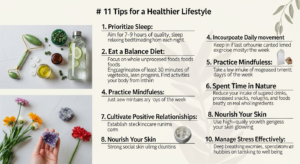
A: You can start with a few foundational steps: 1. Prioritize whole foods: Reduce processed foods, refined sugars, and unhealthy fats, and increase your intake of colorful vegetables, fruits, lean proteins, and healthy fats. 2. Hydrate adequately: Drink plenty of filtered water throughout the day. 3. Optimize sleep: Aim for 7-9 hours of quality sleep per night, establishing a consistent bedtime routine. 4. Incorporate movement: Engage in regular, moderate exercise that you enjoy. 5. Practice stress reduction: Dedicate time daily to mindfulness, deep breathing, or activities that help you relax. These initial steps create a strong foundation for overall hormonal well-being.
Conclusion: Empowering Your Journey to Lasting Wellness
The journey to hormonal harmony and vibrant women’s health is a dynamic and deeply personal one. While our initial title hinted at the strategic planning required in the digital world, the true “live streaming commerce strategy” for your well-being lies in the conscious, consistent application of lifestyle medicine principles. By understanding the intricate dance of your hormones, nourishing your body with nutrient-dense foods, engaging in mindful movement, managing stress effectively, and minimizing environmental exposures, you are actively investing in your most valuable asset: your health.
This comprehensive approach empowers you to become an active participant in your wellness journey, moving beyond symptom management to address the root causes of imbalances. Remember that small, consistent changes accumulate into profound transformations. For persistent or severe symptoms, unexplained changes in your health, or if you suspect a specific hormonal condition like PCOS, endometriosis, or thyroid dysfunction, it is crucial to consult with a qualified healthcare provider. They can offer accurate diagnoses, perform necessary tests, and guide you toward personalized treatment plans, often integrating lifestyle recommendations with conventional medical care.
Embrace the power of knowledge and self-advocacy. Your health is your ultimate foundation for living a full, beautiful, and authentic life. Start today by implementing one new strategy, listen to your body, and celebrate every step toward lasting wellness.
This content is for informational purposes only. Consult your healthcare provider before making health decisions.