Content Repurposing Workflow From One Long Form to Ten Pieces
The title “Content Repurposing Workflow From One Long Form to Ten Pieces” might initially sound like a digital marketing strategy. However, for us at Veralyn Media, it serves as a powerful metaphor for approaching your health. Just as a comprehensive piece of content can be broken down into actionable, digestible insights, your overarching health journey – the “one long form” – can be transformed into ten practical, manageable steps or “pieces” that lead to profound wellness. Women’s health is not a single, monolithic entity; it’s a dynamic interplay of hormones, lifestyle choices, environmental factors, and mental well-being. Understanding this complex ecosystem and breaking it down into actionable components is key to achieving lasting hormonal balance, vitality, and overall wellness. This post will guide you through a ‘workflow’ for optimizing your health, transforming the broad concept of ‘women’s health’ into tangible, evidence-based strategies you can implement daily, empowering you to reclaim your vitality one mindful step at a time. We’ll explore how integrating these distinct yet interconnected ‘pieces’ creates a cohesive and resilient foundation for your unique health journey.
TL;DR
Your health journey can feel overwhelming, but like content repurposing, it’s about breaking down a complex whole into manageable, actionable steps. This guide outlines six key pillars of women’s health—hormonal balance, nutrition, movement, stress management, environmental awareness, and personalized care—to help you build a holistic and sustainable wellness strategy, transforming broad goals into daily practices for lasting vitality.
1. Hormonal Balance: The Foundation of Female Wellness
Hormones are the silent conductors of a woman’s body, influencing everything from mood and energy levels to metabolism and reproductive health. Understanding their intricate dance is the first crucial “piece” in our wellness workflow. Key players like estrogen, progesterone, cortisol, and thyroid hormones interact in a delicate symphony. When one note is off, the whole orchestra can falter, leading to symptoms such as irregular periods, fatigue, weight fluctuations, mood swings, and difficulty sleeping. For instance, estrogen dominance, often characterized by heavy periods, breast tenderness, and irritability, can arise from a combination of factors including poor liver detoxification, gut dysbiosis, and exposure to endocrine-disrupting chemicals. Conversely, low progesterone, common in perimenopause, can contribute to anxiety, insomnia, and hot flashes. Cortisol, our primary stress hormone, when chronically elevated, can disrupt the entire endocrine system, impairing thyroid function and shifting the balance of sex hormones.
The American College of Obstetricians and Gynecologists (ACOG) emphasizes the importance of understanding hormonal shifts throughout a woman’s life, from puberty through menopause. Lifestyle medicine offers powerful tools to support hormonal equilibrium. Prioritizing quality sleep, for example, is critical as many hormone syntheses and regulatory processes occur during deep sleep cycles. Chronic sleep deprivation elevates cortisol and can impair insulin sensitivity, further impacting hormonal health. Furthermore, managing blood sugar levels through balanced nutrition is paramount, as insulin resistance can drive androgen excess (like in PCOS) and exacerbate estrogen dominance. Supporting liver function, which is responsible for metabolizing and eliminating excess hormones, is another vital strategy. Incorporating cruciferous vegetables like broccoli, cauliflower, and kale, rich in indole-3-carbinol, can aid in healthy estrogen metabolism. Regularly assessing your symptoms and understanding their potential hormonal roots empowers you to work effectively with your healthcare provider to identify imbalances. This foundational understanding allows for targeted interventions, moving beyond symptom management to address the underlying hormonal drivers of your health.
2. Nutritional Strategies for Optimal Health
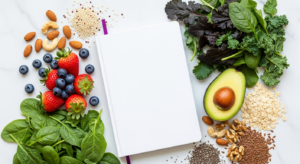
What we eat forms the bedrock of our health, acting as the second indispensable “piece” in our wellness workflow. Optimal nutrition provides the building blocks for hormones, neurotransmitters, and cellular repair, directly impacting energy, mood, and disease prevention. A focus on whole, unprocessed foods is crucial. Prioritize a diverse array of colorful fruits and vegetables, which are rich in antioxidants and phytonutrients that combat inflammation and support cellular health. For example, berries and leafy greens provide essential vitamins and minerals, while healthy fats from avocados, nuts, seeds, and olive oil are vital for hormone production and absorption of fat-soluble vitamins. Omega-3 fatty acids, found in fatty fish like salmon, flaxseeds, and walnuts, are particularly important for reducing systemic inflammation, a known driver of many chronic diseases and hormonal imbalances, as highlighted by extensive research on cardiovascular health from the American Heart Association (AHA).
Gut health is inextricably linked to overall wellness and hormonal balance. The gut microbiome, often referred to as our “second brain,” plays a significant role in estrogen metabolism through the “estrobolome,” a collection of gut bacteria that modulates estrogen levels. A healthy, diverse microbiome supports the proper elimination of excess estrogen, preventing reabsorption and potential dominance. Incorporating fermented foods like kimchi, sauerkraut, and kefir, along with prebiotics found in foods like garlic, onions, and asparagus, can foster a thriving gut environment. Furthermore, managing blood sugar is a non-negotiable aspect of nutritional strategy for women. Spikes and crashes in blood sugar lead to insulin resistance, which can exacerbate conditions like Polycystic Ovary Syndrome (PCOS) and increase inflammation. Opt for complex carbohydrates, lean proteins, and healthy fats at each meal to stabilize blood sugar. Avoiding processed sugars and refined grains reduces the inflammatory burden on the body and supports metabolic health. By consciously fueling your body with nutrient-dense foods, you’re not just eating; you’re actively building resilience and supporting the intricate biological processes that define your health.
3. Movement as Medicine: Exercise for Every Stage
Movement is a powerful, often underutilized, “piece” in the puzzle of women’s health. It’s far more than just burning calories; regular physical activity profoundly impacts hormonal regulation, bone density, cardiovascular health, and mental well-being across all life stages. The American Heart Association (AHA) recommends at least 150 minutes of moderate-intensity aerobic exercise or 75 minutes of vigorous-intensity exercise per week, alongside muscle-strengthening activities at least two days a week. For women, this is particularly vital. Strength training, for instance, is crucial for maintaining muscle mass, which naturally declines with age, and for preventing osteoporosis, a condition disproportionately affecting women, especially after menopause due to decreasing estrogen levels. Weight-bearing exercises like walking, running, and dancing also contribute significantly to bone health, as emphasized by organizations like the National Institutes of Health (NIH) Osteoporosis and Related Bone Diseases National Resource Center.
Beyond bone and heart health, exercise plays a key role in hormonal balance. Regular physical activity helps improve insulin sensitivity, which is critical for preventing and managing conditions like PCOS and type 2 diabetes. It also aids in stress reduction by lowering cortisol levels and promoting the release of endorphins, natural mood elevators. However, it’s important to find the right balance; over-exercising, particularly high-intensity training without adequate recovery, can paradoxically elevate cortisol and contribute to hormonal disruption, especially in women already under chronic stress. Listening to your body and incorporating a variety of movement types – including strength training, cardiovascular exercise, flexibility work (like yoga or Pilates), and mindful movement – is essential. Tailoring your exercise routine to your current life stage and energy levels, rather than adhering to rigid, unsustainable regimens, ensures that movement remains a source of vitality, not stress. This holistic approach to physical activity ensures that this “piece” truly serves as medicine for your body and mind.
4. Stress Management & Mental Well-being
In our fast-paced world, chronic stress has become an epidemic, acting as a silent disruptor to women’s health. Integrating effective stress management and prioritizing mental well-being is a non-negotiable “piece” in our comprehensive workflow. The body’s response to stress, mediated by the hypothalamic-pituitary-adrenal (HPA) axis, involves the release of cortisol and adrenaline. While acute stress responses are vital for survival, chronic activation of this system can lead to a cascade of negative health outcomes. Elevated cortisol levels can disrupt the delicate balance of sex hormones, impair thyroid function, suppress the immune system, and contribute to weight gain, particularly around the abdomen. Research published by the NIH consistently links chronic psychological stress to increased risk of various health issues, including anxiety, depression, cardiovascular disease, and autoimmune conditions.
Effective stress management isn’t about eliminating stress entirely, which is often impossible, but about enhancing your resilience and altering your physiological response to stressors. Techniques such as mindfulness meditation, deep breathing exercises, and yoga have been shown to activate the parasympathetic nervous system, promoting a state of “rest and digest” and counteracting the “fight or flight” response. Prioritizing quality sleep is another fundamental aspect of stress recovery; aiming for 7-9 hours of uninterrupted sleep per night allows the body to repair, regulate hormones, and consolidate memories. Establishing a consistent sleep schedule and creating a calming bedtime routine can significantly improve sleep quality. Furthermore, fostering strong social connections, engaging in hobbies, and spending time in nature are powerful buffers against stress and contribute to overall mental well-being. Recognizing the profound impact of stress on your physical and hormonal health empowers you to proactively integrate these practices, transforming stress from a debilitating force into a manageable aspect of life, thereby strengthening your entire wellness foundation.
5. Environmental Toxins & Detoxification Support
Our modern environment, while offering conveniences, also exposes us to a myriad of chemicals that can profoundly impact women’s health. Addressing environmental toxins and actively supporting the body’s natural detoxification pathways constitutes a critical “piece” of our wellness workflow. Many everyday chemicals are endocrine-disrupting chemicals (EDCs), meaning they can mimic or block hormones, interfering with the body’s delicate endocrine system. Examples include phthalates (found in plastics and personal care products), parabens (preservatives in cosmetics), BPA (in plastic containers and food linings), and pesticides. Exposure to EDCs has been linked to hormonal imbalances, reproductive issues, early puberty, and increased risk of certain cancers, as highlighted by organizations like the National Institute of Environmental Health Sciences (NIEHS).
Reducing exposure to these toxins is a proactive step towards hormonal wellness. Opt for glass or stainless steel food containers instead of plastic, choose organic produce when possible to minimize pesticide intake, and select personal care products with fewer ingredients, avoiding those with parabens and phthalates. The Environmental Working Group (EWG) provides helpful resources like their “Skin Deep” database and “Clean Fifteen/Dirty Dozen” lists to guide consumer choices. Beyond avoidance, supporting your body’s innate detoxification processes is paramount. The liver is the primary organ responsible for metabolizing and eliminating toxins, including excess hormones and environmental chemicals. Nutritional support for liver health includes cruciferous vegetables (broccoli, cabbage, kale), sulfur-rich foods (garlic, onions), and antioxidants (from colorful fruits and vegetables). Adequate hydration is also essential for kidney function, another key detoxification pathway. Incorporating practices that promote lymphatic flow, such as dry brushing or regular movement, can further aid in waste removal. By consciously minimizing exposure and fortifying your body’s natural defenses, you empower yourself to navigate our chemical-laden world with greater resilience and maintain optimal hormonal health.
6. Personalized Care: Partnering with Your Healthcare Provider
The final, yet perhaps most empowering, “piece” in our content repurposing workflow for women’s health is embracing personalized care and actively partnering with your healthcare provider. While lifestyle interventions are foundational, understanding your unique biochemistry and health history requires professional guidance. This involves moving beyond a one-size-fits-all approach to health and advocating for thorough assessments and tailored treatment plans. Regular preventive care, as recommended by organizations like ACOG, including annual physicals, gynecological exams, and age-appropriate screenings (e.g., mammograms, bone density scans), forms the baseline. However, personalized care delves deeper, seeking to understand the root causes of symptoms rather than simply managing them.
This partnership involves open communication and a willingness to explore various diagnostic tools. For example, standard lab tests for thyroid function might only include TSH, but a comprehensive panel including T3, T4, and thyroid antibodies can provide a more complete picture. Similarly, assessing hormonal balance might go beyond basic estrogen and progesterone levels to include cortisol patterns (via salivary tests), DHEA, and androgen levels, especially when addressing symptoms like fatigue, acne, or irregular cycles. Don’t hesitate to ask questions, bring your research, and discuss your lifestyle choices with your doctor. If you feel unheard or dismissed, seeking a second opinion or exploring practitioners who specialize in functional medicine or integrative health can be invaluable. These approaches often prioritize a holistic view, focusing on nutrition, lifestyle, and environmental factors alongside conventional treatments. Empowering yourself with knowledge about your body and actively participating in your healthcare decisions transforms you from a passive recipient of care into an informed advocate, ensuring that your wellness journey is truly tailored to your unique needs and goals.
This content is for informational purposes only. Consult your healthcare provider before making health decisions.
Comparison Table: Holistic Strategies for Common Women’s Health Concerns
| Concern | Common Symptoms | Conventional Options | Lifestyle Medicine Strategies | Key Metrics to Monitor |
|---|---|---|---|---|
| Hormonal Imbalance (e.g., PMS, Perimenopause) | Mood swings, fatigue, irregular periods, hot flashes, breast tenderness, weight gain. | Hormone Replacement Therapy (HRT), oral contraceptives, antidepressants (for mood). | Seed cycling, adaptogens (ashwagandha), liver support (cruciferous veggies), stress reduction (meditation), balanced nutrition. | Hormone panels (estrogen, progesterone, cortisol), TSH, T3, T4, lipid profile. |
| PCOS (Polycystic Ovary Syndrome) | Irregular periods, acne, hirsutism, hair thinning, insulin resistance, weight gain. | Oral contraceptives, metformin, spironolactone. | Low-glycemic diet, regular exercise (strength & cardio), spearmint tea, inositol, gut health support, stress management. | Fasting glucose, insulin, HbA1c, androgen levels (testosterone), lipid profile, Vitamin D. |
| Thyroid Dysfunction (Hypothyroidism) | Fatigue, weight gain, hair loss, constipation, cold intolerance, brain fog. | Thyroid hormone replacement (e.g., levothyroxine). | Selenium-rich foods, iodine (balanced intake), gut healing, stress reduction, avoidance of goitrogens (raw cruciferous veggies in excess), adequate sleep. | TSH, Free T3, Free T4, Thyroid antibodies (TPOAb, TgAb). |
| Bone Health (Osteoporosis Prevention) | Often asymptomatic until fracture; back pain, loss of height. | Bisphosphonates, hormone therapy. | Weight-bearing exercise (walking, strength training), adequate Calcium (from food), Vitamin D3 & K2, magnesium, protein intake. | Bone Mineral Density (BMD) via DEXA scan, Vitamin D levels, Calcium, Phosphorus. |
| Chronic Stress/Adrenal Fatigue | Persistent fatigue, difficulty sleeping, anxiety, “wired but tired” feeling, brain fog, poor stress response. | Counseling, antidepressants (for associated depression/anxiety). | Mindfulness, meditation, yoga, adaptogenic herbs, consistent sleep schedule, balanced meals, gentle exercise, setting boundaries. | Salivary cortisol rhythm, DHEA-S, comprehensive metabolic panel. |
Frequently Asked Questions
Q: How quickly can I expect to see results from lifestyle changes for hormonal balance?
A: The timeline for seeing results can vary significantly based on the individual, the specific hormonal imbalance, and the consistency of your lifestyle changes. Some women report improvements in mood and energy within a few weeks of consistent dietary changes and stress reduction. More significant shifts, such as regular menstrual cycles or noticeable changes in skin and hair, may take 3-6 months as the body cycles through hormonal rhythms. Patience and consistency are key, as true hormonal rebalancing is a gradual process.
Q: Are there any specific supplements I should consider for women’s health?
A: While a nutrient-dense diet should always be the foundation, certain supplements can be beneficial. Common recommendations for women include Vitamin D3 (especially in regions with less sun exposure, as it’s crucial for hormone regulation and bone health), Omega-3 fatty acids (for inflammation and brain health), magnesium (for stress, sleep, and muscle function), and a high-quality probiotic (for gut health). However, it’s vital to consult with your healthcare provider before starting any new supplements to ensure they are appropriate for your individual needs and won’t interact with any medications.
Q: How important is sleep for hormonal wellness?
A: Sleep is profoundly important for hormonal wellness; it’s non-negotiable. During sleep, your body repairs, regenerates, and regulates numerous hormones. Insufficient or poor-quality sleep can disrupt cortisol rhythms, impair insulin sensitivity, affect hunger hormones (ghrelin and leptin), and negatively impact sex hormone production. Aim for 7-9 hours of quality sleep per night, and prioritize a consistent sleep schedule to support your body’s natural circadian rhythm and hormonal balance.
Q: Can stress really impact my periods and fertility?
A: Absolutely. Chronic stress can significantly impact your menstrual cycle and fertility. The body prioritizes survival, and in times of high stress, it can downregulate reproductive functions. Elevated cortisol can interfere with the signals from the brain to the ovaries, leading to irregular periods, anovulation (lack of ovulation), or even amenorrhea (absence of periods). For those trying to conceive, chronic stress can make it more challenging by affecting ovulation and implantation. Managing stress is a critical component of reproductive health.
Q: What’s the first step if I suspect a hormonal imbalance?
A: The first step is to schedule an appointment with a knowledgeable healthcare provider, ideally one who takes an integrative or functional approach to women’s health. Prepare a detailed list of your symptoms, their duration, and any lifestyle factors you think might be relevant. Discuss your concerns and ask about comprehensive lab testing (beyond basic panels) to get a clear picture of your hormonal status. This initial consultation will help you understand the potential underlying causes and develop a personalized action plan.
Conclusion: Your Personalized Wellness Workflow
Just as a masterful content creator transforms a single, rich idea into multiple impactful pieces, you now have a comprehensive “workflow” to transform your broad health goals into tangible, actionable steps. Each of these six pillars—hormonal balance, nutrition, movement, stress management, environmental awareness, and personalized care—represents a vital “piece” in the intricate tapestry of your well-being. By focusing on these interconnected areas, you’re not just addressing symptoms; you’re building a resilient foundation for lasting hormonal wellness and vibrant health.
Remember that your health journey is unique, and progress often isn’t linear. Embrace experimentation, listen to your body, and celebrate small victories along the way. If you find yourself struggling with persistent symptoms like unexplained fatigue, significant mood changes, irregular or heavy periods, chronic digestive issues, or difficulty managing stress despite consistent lifestyle efforts, it’s crucial to consult with your healthcare provider. These could be signs of underlying conditions that require medical diagnosis and treatment. Take the next step today: choose one “piece” from this workflow that resonates most with you and commit to implementing a small, sustainable change. Whether it’s adding more colorful vegetables to your plate, dedicating 10 minutes to mindfulness, or scheduling that long-overdue doctor’s visit, every intentional action contributes to your holistic well-being.
This content is for informational purposes only. Consult your healthcare provider before making health decisions.