Nourishing from Within: Your Essential Guide to Vitamins and Supplements for Women’s Health
Welcome to Veralyn Media, where we believe in empowering every woman to live her healthiest, most vibrant life. In today’s fast-paced world, it’s easy to feel overwhelmed by the sheer volume of health information, especially when it comes to nutrition and supplements. You might be wondering if your diet alone is enough, or if there are specific nutrients that could give you that extra edge in energy, mood, bone health, or hormonal balance. The good news is, you’re not alone in these questions, and understanding the role of key vitamins and supplements can be a powerful step toward optimizing your well-being. This comprehensive, evidence-based guide is designed to cut through the noise, offering clear, supportive advice on the best vitamins and supplements tailored specifically for women, helping you make informed choices on your journey to feeling your absolute best.
The Foundation: Essential Daily Nutrients for Every Woman
Before diving into specific concerns, let’s establish the bedrock of women’s nutritional needs. While a balanced diet rich in whole foods is always the primary goal, certain nutrients are commonly deficient or have higher demands in women due to physiological differences, hormonal fluctuations, and life stages. Think of these as your non-negotiables for general wellness.
Vitamin D: The Sunshine Vitamin for So Much More
Often called the “sunshine vitamin,” Vitamin D is crucial, yet deficiency is incredibly common globally. For women, its role extends far beyond bone health. It acts more like a hormone, influencing everything from immune function and mood regulation to cardiovascular health and even fertility. Research consistently highlights its importance in:
- Bone Health: Essential for calcium absorption, preventing osteoporosis, a particular concern for women, especially post-menopause.
- Immune Support: Helps modulate the immune system, potentially reducing the risk of autoimmune conditions and supporting your body’s defense against infections.
- Mood Regulation: Studies suggest a link between low Vitamin D levels and increased risk of depression and seasonal affective disorder (SAD), making it vital for mental well-being.
- Hormonal Balance: Emerging research points to its role in regulating hormones, which can impact menstrual health and fertility.
Who needs it? Almost everyone, particularly those with limited sun exposure, darker skin tones, or living in northern latitudes.
Food sources: Fatty fish (salmon, mackerel), fortified milk and cereals, egg yolks.
Supplementation: Most experts recommend 600-800 IU daily for adults, but many may need 1,000-2,000 IU or more, especially if deficient. Always get your levels tested by your doctor for personalized dosing.
Calcium: Building Strong Bones for a Lifetime
Calcium is synonymous with strong bones, and rightfully so. Women have a higher risk of osteoporosis, making adequate calcium intake critical throughout their lives, especially during adolescence, pregnancy, and post-menopause. It’s not just for bones; calcium is also vital for nerve function, muscle contraction, and blood clotting.
- Bone Density: The primary mineral component of bones and teeth.
- Muscle and Nerve Function: Plays a key role in muscle contractions (including your heart!) and nerve signal transmission.
- Hormonal Support: Some evidence suggests it may help alleviate PMS symptoms.
Who needs it? All women, but particularly those who don’t consume dairy, are pregnant or breastfeeding, or are post-menopausal.
Food sources: Dairy products (milk, yogurt, cheese), fortified plant milks, leafy greens (kale, spinach), tofu, sardines.
Supplementation: Aim for 1,000-1,200 mg per day from diet and supplements combined. Choose calcium citrate if you have low stomach acid or prefer to take it without food. Always pair with Vitamin D for optimal absorption.
Iron: The Energy Booster for Women
Iron deficiency anemia is the most common nutritional deficiency worldwide, and women are particularly susceptible due to menstrual blood loss, pregnancy, and childbirth. Iron is essential for producing hemoglobin, the protein in red blood cells that carries oxygen throughout your body. Without enough iron, you can feel chronically fatigued, weak, and experience brain fog.
- Energy Production: Crucial for oxygen transport, directly impacting energy levels and physical performance.
- Cognitive Function: Supports brain health and concentration.
- Immune System: Plays a role in maintaining a healthy immune response.
Who needs it? Women of reproductive age (especially with heavy periods), pregnant women, vegetarians/vegans, and those with certain medical conditions.
Food sources: Red meat, poultry, fish (heme iron, highly absorbable), beans, lentils, spinach, fortified cereals (non-heme iron, absorption enhanced by Vitamin C).
Supplementation: If you suspect an iron deficiency, consult your doctor for a blood test. Self-supplementing can be dangerous as too much iron can be toxic. If prescribed, take iron supplements with Vitamin C for better absorption and away from calcium-rich foods or supplements.
Folate (Folic Acid): Beyond Pregnancy
While often highlighted for its critical role in preventing neural tube defects during pregnancy, folate is essential for all women. It’s a B vitamin involved in DNA synthesis and repair, cell growth, and the formation of red blood cells. It supports healthy cell division and can impact mood and cognitive function.
- Cellular Health: Essential for DNA synthesis and repair, vital for rapidly dividing cells.
- Mental Well-being: Plays a role in neurotransmitter synthesis, potentially impacting mood.
- Pregnancy Protection: Crucial for preventing neural tube defects in developing fetuses (hence the recommendation for all women of childbearing age).
Who needs it? All women, especially those planning pregnancy or who are pregnant, and those on certain medications.
Food sources: Leafy green vegetables (spinach, kale), legumes (beans, lentils), asparagus, broccoli, citrus fruits, fortified grains.
Supplementation: For women of childbearing age, a daily supplement of 400 mcg of folic acid (the synthetic form) is generally recommended. Some individuals may benefit from L-methylfolate, the active form, especially if they have an MTHFR gene variation.
Magnesium: The Mighty Mineral for Modern Women
Magnesium is involved in over 300 biochemical reactions in the body, yet an estimated 50% of Americans are deficient. For women, its benefits are vast, from easing PMS and menstrual cramps to supporting sleep and reducing stress. It’s truly a powerhouse mineral.
- Stress Reduction & Sleep: Helps calm the nervous system, promoting relaxation and better sleep.
- Muscle & Nerve Function: Essential for muscle contraction and relaxation, helping to alleviate cramps and muscle spasms.
- Energy Production: Plays a critical role in converting food into energy.
- Bone Health: Works synergistically with calcium and Vitamin D for strong bones.
- Hormonal Balance: Can help reduce PMS symptoms like bloating, mood swings, and headaches.
Who needs it? Women experiencing stress, muscle cramps, poor sleep, PMS, or those with diets low in whole grains, nuts, and leafy greens.
Food sources: Dark leafy greens, nuts (almonds, cashews), seeds (pumpkin, chia), legumes, whole grains, dark chocolate.
Supplementation: A daily dose of 200-400 mg is common. Different forms exist (citrate for bowel regularity, glycinate for sleep/relaxation, malate for energy/muscle pain). Consult your doctor to determine the best form and dose for you.
Beyond the Basics: Targeting Specific Women’s Health Concerns
Once your foundational nutrients are in check, you can explore supplements that address more specific health goals or challenges common to women.
Omega-3 Fatty Acids: For Heart, Brain, and Hormonal Harmony
Omega-3s, particularly EPA and DHA, are essential fats that our bodies can’t produce on their own. They are renowned for their anti-inflammatory properties and play a vital role in cardiovascular health, brain function, and mood regulation. For women, they offer additional benefits:
- Heart Health: Reduces triglycerides, lowers blood pressure, and supports overall cardiovascular function.
- Brain & Mood: Essential for brain structure and function, helping to improve cognitive health and potentially reduce symptoms of depression and anxiety.
- Inflammation Reduction: Can alleviate inflammatory conditions, including joint pain and menstrual cramps.
- Hormonal Balance: Supports prostaglandin production, which can influence menstrual cycle regularity and reduce PMS symptoms.
- Skin Health: Contributes to a healthy skin barrier, reducing dryness and inflammation.
Who needs it? Most women, especially those who don’t regularly consume fatty fish, have inflammatory conditions, or are looking for mood and cognitive support.
Food sources: Fatty fish (salmon, mackerel, sardines), flaxseeds, chia seeds, walnuts (ALA, which converts inefficiently to EPA/DHA).
Supplementation: Look for a high-quality fish oil or algal oil (for vegans) supplement providing at least 500-1000 mg of combined EPA and DHA daily. Ensure it’s third-party tested for purity and heavy metals.
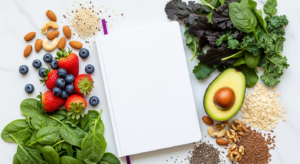

Probiotics: Cultivating a Healthy Gut and Beyond
The gut microbiome, a complex ecosystem of trillions of bacteria, profoundly impacts overall health. For women, a healthy gut is linked to immune function, mood, nutrient absorption, and even vaginal health. Probiotics, beneficial bacteria, can help maintain this delicate balance.
- Digestive Health: Supports regular bowel movements, reduces bloating, and aids digestion.
- Immune Support: A significant portion of your immune system resides in your gut.
- Vaginal Health: Certain probiotic strains (like Lactobacillus) can help maintain a healthy vaginal microbiome, preventing infections like bacterial vaginosis and yeast infections.
- Mood & Brain: The “gut-brain axis” means a healthy gut can positively influence mood and reduce anxiety.
Who needs it? Women experiencing digestive issues, frequent infections (urinary, yeast), or those under stress or after antibiotic use.
Food sources: Fermented foods like yogurt, kefir, sauerkraut, kimchi, kombucha.
Supplementation: Choose a multi-strain probiotic with at least 10-20 billion CFUs, containing strains like Lactobacillus and Bifidobacterium. Look for products that guarantee potency until expiration and consider refrigerated options.
Collagen: For Skin, Hair, Nails, and Joint Support
Collagen is the most abundant protein in your body, providing structure to your skin, hair, nails, bones, tendons, and ligaments. As we age, our natural collagen production declines, leading to visible signs of aging and joint stiffness. Supplementing with collagen can help replenish these stores.
- Skin Elasticity & Hydration: Improves skin texture, reduces fine lines and wrinkles.
- Hair & Nail Strength: Supports stronger, healthier hair and nails, reducing breakage.
- Joint Health: Helps maintain cartilage integrity, potentially reducing joint pain and improving flexibility.
- Gut Health: Some evidence suggests it may support gut lining integrity.
Who needs it? Women looking to support skin, hair, and nail health, or those experiencing joint discomfort.
Food sources: Bone broth, animal skin (fish, chicken).
Supplementation: Look for hydrolyzed collagen peptides (Type I and III are most common) for best absorption. It’s often tasteless and dissolves easily in hot or cold liquids. Aim for 10-20 grams daily.
Adaptogens: Stress Relief in a Pill
Adaptogens are a unique class of herbs that help your body “adapt” to stress, promoting balance and resilience. For women juggling multiple roles, managing stress is paramount, and adaptogens can be a gentle, natural way to support the nervous system and hormonal balance without the stimulating effects of caffeine.
- Ashwagandha: Known for reducing cortisol (stress hormone) levels, improving sleep quality, and enhancing mood.
- Rhodiola Rosea: Helps combat fatigue, improve focus, and boost stamina, particularly during periods of mental or physical stress.
- Shatavari: Often called the “queen of herbs” for women, it’s traditionally used to support reproductive health, hormonal balance, and lactation.
Who needs it? Women experiencing chronic stress, fatigue, or hormonal fluctuations.
Supplementation: Start with a low dose and monitor your body’s response. Always consult with a healthcare provider, especially if you have underlying health conditions or are taking other medications, as adaptogens can interact with certain drugs.
Life Stages and Special Considerations
Women’s nutritional needs evolve throughout their lives. Tailoring your supplement regimen to your current life stage is key.
Prenatal Vitamins: Nurturing Mother and Baby
If you are planning to conceive, are pregnant, or breastfeeding, a high-quality prenatal vitamin is non-negotiable. These specialized supplements are formulated to meet the increased demands for nutrients vital for both maternal health and fetal development.
- Folate/Folic Acid: Crucial for preventing neural tube defects.
- Iron: Prevents maternal anemia and supports fetal growth.
- Calcium & Vitamin D: For strong bones in both mother and baby.
- Omega-3s (DHA): Essential for fetal brain and eye development.
What to look for: A comprehensive prenatal containing at least 600 mcg of folate (preferably methylfolate), adequate iron, calcium, Vitamin D, and often choline and DHA. Discuss with your OB/GYN.
Perimenopause and Menopause: Navigating the Transition
As women enter perimenopause and menopause, hormonal shifts can bring a host of symptoms, from hot flashes and mood swings to bone density loss. While hormone replacement therapy is an option, certain supplements can offer supportive relief.
- Black Cohosh: Traditionally used to alleviate hot flashes and night sweats.
- Magnesium: Can help with sleep, anxiety, and muscle cramps.
- Calcium & Vitamin D: Even more critical for maintaining bone density during this phase.
- Omega-3s: Can help with mood swings and cardiovascular health.
- Red Clover: Contains phytoestrogens that may help with hot flashes.
Important Note: Always discuss menopausal symptoms and potential supplements with your doctor, as some can interact with medications or may not be suitable for everyone, especially those with hormone-sensitive conditions.
Practical Tips for Smart Supplementation
Navigating the world of supplements can be tricky. Here are some actionable tips to ensure you’re making safe and effective choices:
- Consult Your Healthcare Provider: This is the most crucial step. Before starting any new supplement, especially if you have underlying health conditions, are pregnant, breastfeeding, or taking medications, talk to your doctor or a registered dietitian. They can help identify deficiencies, advise on appropriate dosages, and check for potential interactions.
- Prioritize Whole Foods: Supplements are meant to supplement a healthy diet, not replace it. Focus on eating a varied diet rich in fruits, vegetables, whole grains, lean proteins, and healthy fats.
- Choose Quality Brands: The supplement industry is not as tightly regulated as pharmaceuticals. Look for brands that are third-party tested (e.g., by USP, NSF International, ConsumerLab.com) for purity, potency, and absence of contaminants.
- Understand the “Why”: Don’t just take a supplement because someone else does. Understand its purpose, potential benefits, and if it aligns with your specific health goals and needs.
- Be Patient and Consistent: Supplements aren’t magic pills. It can take weeks or even months to notice their full effects. Consistency is key.
- Monitor Your Body’s Response: Pay attention to how you feel. If you experience any adverse effects, stop taking the supplement and consult your doctor.
- Avoid Megadosing: More is not always better. Excessive amounts of certain vitamins and minerals can be harmful. Stick to recommended dosages.
- Check for Interactions: Be aware that supplements can interact with medications, other supplements, and even certain foods. Your doctor or pharmacist can provide guidance.
Frequently Asked Questions About Women’s Supplements
Q: Do I really need supplements if I eat a healthy, balanced diet?
A: While a healthy diet is the foundation, modern agricultural practices, food processing, individual genetic variations, and increased stress levels can make it challenging to get all necessary nutrients from food alone. Additionally, specific life stages (like pregnancy or menopause) or conditions (like heavy periods) increase nutrient demands. Supplements can help bridge these gaps, but always prioritize whole foods.
Q: How do I choose a quality supplement brand?
A: Look for brands that prioritize transparency and third-party testing. Certifications from organizations like USP (United States Pharmacopeia), NSF International, or ConsumerLab.com indicate that the product has been tested for purity, potency, and absence of contaminants. Read reviews, check ingredients carefully, and avoid proprietary blends that don’t disclose individual ingredient amounts.
Q: Are there any supplements I should avoid?
A: It’s best to avoid supplements with unproven claims, excessively high doses (megadoses) of certain vitamins (like Vitamin A or E, which can be toxic in large amounts), or those containing suspicious “proprietary blends” without clear ingredient lists. Always be wary of products promising quick fixes or miraculous results. Consult your doctor, especially if you have existing health conditions or are on medication.
Q: Can I take all these supplements together?
A: While many common vitamins and minerals can be taken together, some can interact or compete for absorption. For example, iron should generally be taken separately from calcium. Magnesium is often best taken in the evening for relaxation, while B vitamins are energizing and usually best in the morning. Always read product labels and consult your healthcare provider for personalized advice on timing and combinations to avoid potential interactions.
Q: What’s the best way to know if I have a nutrient deficiency?
A: The most accurate way to identify a nutrient deficiency is through blood tests ordered by your doctor. They can check levels of Vitamin D, iron, B12, and other key nutrients. Paying attention to symptoms like chronic fatigue, brittle nails, hair loss, or mood changes can also signal a potential deficiency, prompting a conversation with your healthcare provider.
Embrace Your Journey to Optimal Health
Understanding the role of vitamins and supplements is a powerful tool in your personal health arsenal. By focusing on foundational nutrients, addressing specific concerns, and adapting to your unique life stage, you can proactively support your body’s intricate systems. Remember, this journey is about empowering you with knowledge and choice, not about perfection. The most impactful step you can take is to partner with your healthcare provider to create a personalized plan that aligns with your individual needs and aspirations. At Veralyn Media, we’re here to champion your health every step of the way, because when you feel your best, you can truly live your best life.