Your Essential Blueprint: Women’s Health Tips Every Woman Should Master for a Thriving Life

Welcome, cherished reader, to a journey towards profound well-being. At Veralyn Media, we believe that understanding and nurturing your health is the most powerful act of self-love a woman can embrace. In a world that often pulls us in countless directions, it’s easy to let our own needs slip down the priority list. But what if we told you that reclaiming your health isn’t just about treating symptoms, but about building a vibrant, resilient life from the ground up? This comprehensive guide is designed to be your trusted companion, offering evidence-based insights, actionable advice, and a warm, supportive hand as you navigate the beautiful complexities of women’s health.

From the subtle dance of hormones to the undeniable power of a nourished mind, every facet of your being contributes to your overall wellness. We’ll delve into key areas that are uniquely pertinent to women, empowering you with the knowledge to make informed decisions, advocate for yourself, and cultivate habits that foster longevity, vitality, and joy. Think of this as your personal roadmap to not just living, but truly thriving – at every age and every stage. Let’s embark on this empowering exploration together.

Hormonal Harmony & Reproductive Health: Understanding Your Inner Rhythms

The intricate ballet of hormones orchestrates almost every bodily function, and for women, this hormonal symphony plays a particularly central role in health and well-being. From puberty through reproductive years, pregnancy, and menopause, hormones like estrogen, progesterone, and testosterone profoundly influence mood, energy, metabolism, bone density, and, of course, reproductive health. Understanding these inner rhythms is foundational to optimizing your health.

Decoding Your Menstrual Cycle

Your menstrual cycle is far more than just your period; it’s a vital sign of your overall health. A healthy cycle typically ranges from 21 to 35 days, with menstruation lasting 2-7 days. Irregular periods, unusually heavy bleeding, severe pain, or absent periods can signal underlying issues like Polycystic Ovary Syndrome (PCOS), endometriosis, thyroid dysfunction, or stress. Tracking your cycle – its length, flow, and any associated symptoms like mood changes, breast tenderness, or bloating – can provide invaluable insights for you and your healthcare provider. Apps and simple calendars can make this an easy, empowering practice.

Navigating Contraception and Family Planning

Choosing the right contraception is a highly personal decision with significant health implications. Beyond preventing pregnancy, hormonal birth control can manage conditions like heavy periods, endometriosis, and acne. However, it’s crucial to discuss all options with your doctor, weighing effectiveness, potential side effects, and your individual health profile. Modern choices range from pills, patches, and rings to long-acting reversible contraceptives (LARCs) like IUDs and implants. Understanding your options empowers you to make choices that align with your life goals and health needs.

Understanding Conditions Like PCOS and Endometriosis

Conditions such as Polycystic Ovary Syndrome (PCOS) and endometriosis affect millions of women globally, often leading to chronic pain, fertility challenges, and long-term health risks. PCOS, characterized by hormonal imbalance, can manifest as irregular periods, acne, excess hair growth, and metabolic issues. Endometriosis involves tissue similar to the uterine lining growing outside the uterus, causing severe pain and inflammation. Early diagnosis and management are crucial. If you experience persistent pelvic pain, heavy or painful periods, or struggle with fertility, seek expert medical advice. Advocacy and open communication with your doctor are key to effective management.

Embracing Menopause: A New Chapter

Menopause, typically occurring around age 51, marks the end of menstrual cycles and a significant hormonal shift. Symptoms like hot flashes, night sweats, sleep disturbances, mood changes, and vaginal dryness are common. While menopause is a natural transition, its symptoms can significantly impact quality of life. Lifestyle adjustments, such as diet, exercise, and stress management, can help. Hormone Replacement Therapy (HRT) is a highly effective treatment for many symptoms, and recent research has clarified its safety profile for appropriate candidates. Discuss your symptoms and concerns with your doctor to explore personalized strategies for a smooth transition into this new phase of life.

Actionable Tip: Become a vigilant observer of your body’s hormonal signals. Keep a cycle journal, noting physical and emotional changes. If something feels “off” or concerns you, don’t hesitate to consult your gynecologist or a women’s health specialist. Early intervention can make a significant difference in managing hormonal conditions effectively.

Nourishing Your Body from Within: Fueling Your Female Power

The food we eat is more than just sustenance; it’s the fundamental building block of our health. For women, nutritional needs can be particularly nuanced, influenced by hormonal fluctuations, reproductive stages, and specific physiological demands. Prioritizing nutrient-dense foods is paramount for sustained energy, mood stability, robust immunity, and long-term disease prevention.

The Power of a Balanced Plate

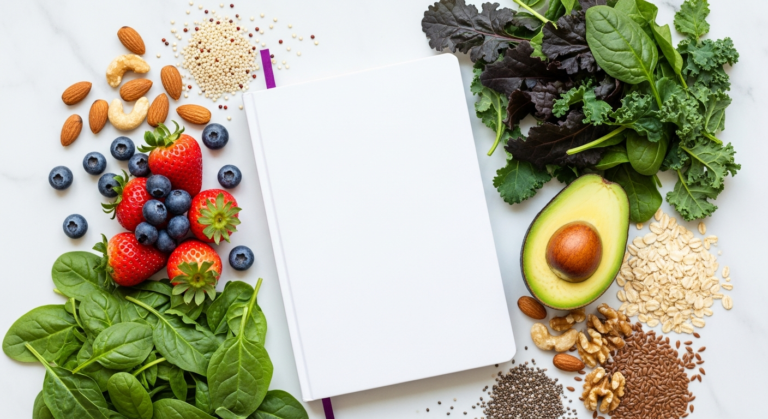
Focus on a vibrant, varied diet rich in whole foods. Emphasize fruits, vegetables, lean proteins, whole grains, and healthy fats. The Mediterranean diet, with its emphasis on plant-based foods, fish, olive oil, and limited red meat, consistently ranks as one of the healthiest eating patterns, supporting cardiovascular health, cognitive function, and reducing inflammation. Aim for a rainbow of produce to ensure a broad spectrum of vitamins, minerals, and antioxidants.

Essential Nutrients for Women

  • Iron: Women, especially those with heavy periods or who are pregnant, are at higher risk for iron deficiency anemia. Symptoms include fatigue, weakness, and shortness of breath. Include iron-rich foods like lean red meat, poultry, fish, beans, lentils, spinach, and fortified cereals. Pair them with Vitamin C sources (citrus fruits, bell peppers) to enhance absorption.
  • Calcium & Vitamin D: Crucial for bone health, particularly important for women as they age and estrogen levels decline, increasing osteoporosis risk. Dairy products, fortified plant milks, leafy greens, and fatty fish (salmon, mackerel) are excellent sources of calcium. Vitamin D, vital for calcium absorption, can be obtained from sun exposure, fatty fish, and fortified foods. Many women require supplementation, especially in regions with limited sunlight.
  • Folate (Folic Acid): Essential for cell growth and DNA formation. Crucially important for women of childbearing age to prevent neural tube defects in pregnancy. Found in leafy greens, citrus fruits, beans, and fortified grains.
  • Omega-3 Fatty Acids: These “good” fats are vital for brain health, reducing inflammation, and supporting hormonal balance. Found in fatty fish (salmon, sardines), flaxseeds, chia seeds, and walnuts.

Hydration: The Unsung Hero

Often overlooked, adequate hydration is fundamental. Water plays a role in nutrient transport, temperature regulation, joint lubrication, and cognitive function. Dehydration can lead to fatigue, headaches, and impaired concentration. Aim for at least 8 glasses (around 2 liters) of water daily, more if you’re active or in a hot climate. Herbal teas, fruit-infused water, and water-rich foods like cucumber and watermelon also contribute.

Gut Health: Your Second Brain

A healthy gut microbiome – the trillions of bacteria living in your digestive tract – impacts everything from digestion and immunity to mood and hormonal balance. Support your gut by consuming fermented foods (yogurt, kefir, sauerkraut, kimchi), fiber-rich fruits, vegetables, and whole grains. Limiting processed foods, excessive sugar, and artificial sweeteners can also foster a thriving gut environment.

Actionable Tip: Start small. Choose one meal a day to make more nutrient-dense, perhaps by adding an extra serving of vegetables or swapping processed snacks for fruit and nuts. Keep a water bottle handy throughout the day as a constant reminder to hydrate. Consider consulting a registered dietitian for personalized dietary advice tailored to your specific needs and health goals.

Movement as Medicine: Fitness for Every Stage of Life

Physical activity is a cornerstone of women’s health, offering profound benefits that extend far beyond weight management. Regular movement enhances cardiovascular health, strengthens bones, boosts mood, improves sleep, and reduces the risk of numerous chronic diseases. It’s not about achieving a specific body type, but about cultivating strength, resilience, and vitality.

Cardiovascular Health: Keeping Your Heart Strong

Heart disease is the leading cause of death for women, yet it’s often perceived as a “man’s disease.” Regular aerobic exercise – brisk walking, jogging, cycling, swimming, dancing – strengthens your heart, improves blood circulation, and helps maintain healthy blood pressure and cholesterol levels. Aim for at least 150 minutes of moderate-intensity aerobic activity or 75 minutes of vigorous-intensity activity per week, spread throughout the week.

Strength Training: Building Bones and Muscle

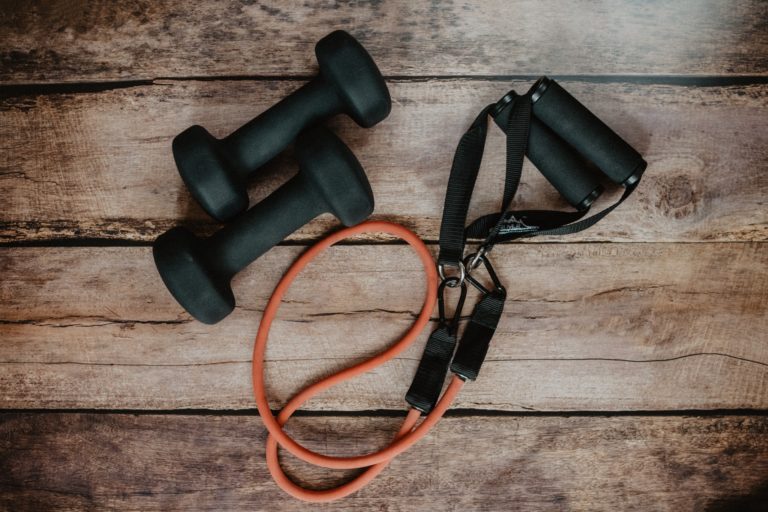
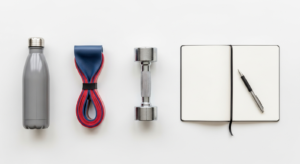
Often underestimated by women, strength training is incredibly powerful. It builds and maintains muscle mass, which boosts metabolism, improves body composition, and enhances functional strength for daily activities. Crucially, weight-bearing and resistance exercises are vital for bone density, significantly reducing the risk of osteoporosis and fractures, especially post-menopause. Incorporate strength training at least two times per week, working all major muscle groups. This can include bodyweight exercises, free weights, resistance bands, or machines.

Flexibility and Balance: Enhancing Mobility and Preventing Falls

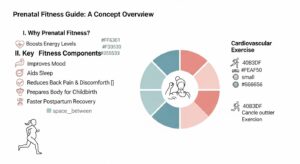
Incorporating activities that improve flexibility and balance, such as yoga, Pilates, or stretching, is essential. These practices enhance range of motion, reduce muscle stiffness, and improve posture. As we age, maintaining good balance becomes critical for preventing falls, which can have severe consequences. Even short daily stretching routines can make a significant difference.
Exercise for Mental Well-being

Physical activity is a potent mood booster. It releases endorphins, natural painkillers and mood elevators, and helps reduce stress hormones like cortisol. Regular exercise is a proven strategy for managing anxiety, depression, and improving cognitive function. Find activities you genuinely enjoy – whether it’s hiking, gardening, dancing, or playing a sport – to make fitness a sustainable and joyful part of your life.
Actionable Tip: Don’t feel pressured to commit to a rigorous gym routine right away. Start with what you can manage. Take the stairs instead of the elevator, park further away, or go for a brisk 20-minute walk daily. Gradually increase duration and intensity. Experiment with different activities until you find what truly resonates with you, making movement a source of pleasure, not a chore.

Mind Matters: Prioritizing Mental & Emotional Well-being

True health encompasses not just the physical, but also the mental and emotional landscapes of our lives. Women often juggle multiple roles – career, family, caregiving – leading to unique pressures and stressors. Nurturing your mental and emotional well-being is not a luxury; it’s a fundamental component of a healthy, fulfilling life.

Stress Management: Taming the Overwhelm

Chronic stress can wreak havoc on your body, impacting hormones, sleep, digestion, and immune function. Identifying your stressors and developing healthy coping mechanisms is crucial. Techniques like deep breathing exercises, progressive muscle relaxation, and spending time in nature can be incredibly effective. Journaling can help process emotions, and setting healthy boundaries in your personal and professional life protects your energy.

The Power of Quality Sleep
Sleep is not downtime; it’s active restoration for your body and mind. Lack of sufficient, quality sleep impairs cognitive function, mood, immune response, and hormonal balance. Aim for 7-9 hours of uninterrupted sleep per night. Establish a consistent sleep schedule, create a relaxing bedtime routine (e.g., warm bath, reading, gentle stretching), and optimize your sleep environment (dark, quiet, cool). Limit screen time before bed and avoid caffeine and heavy meals close to bedtime.

Mindfulness and Self-Compassion

Mindfulness – the practice of being present and aware without judgment – can significantly reduce stress and enhance emotional regulation. Incorporate short mindfulness meditations or simply take mindful pauses throughout your day. Self-compassion, treating yourself with the same kindness and understanding you’d offer a friend, is particularly vital for women who often internalize societal pressures and are prone to self-criticism. Practice positive self-talk and acknowledge your efforts, not just your outcomes.

Building a Support System & Seeking Professional Help

You don’t have to navigate life’s challenges alone. Cultivate a strong support network of friends, family, or community groups. Sharing your experiences and feelings can be immensely validating and reduce feelings of isolation. If you’re struggling with persistent feelings of sadness, anxiety, overwhelm, or significant life transitions, reaching out to a mental health professional – a therapist, counselor, or psychologist – is a sign of strength, not weakness. They can provide tools, strategies, and a safe space for healing and growth.

Actionable Tip: Dedicate 10-15 minutes daily to a mindful practice. This could be meditation, gentle stretching, journaling, or simply sitting quietly with a cup of tea, focusing on your breath. Prioritize your sleep hygiene: aim for a consistent bedtime and wake-up time, even on weekends, and create a calming pre-sleep ritual.

Preventive Power: Regular Screenings & Self-Care Rituals

One of the most impactful ways women can take charge of their health is through proactive prevention. Regular health screenings, tailored to your age and risk factors, are critical for early detection and successful treatment of various conditions. Coupled with consistent self-care, these practices form a powerful shield against illness and promote long-term vitality.

Essential Screenings for Women

  • Pap Test & HPV Screening: Crucial for detecting cervical cancer and precancerous changes. Guidelines vary, but typically begin around age 21, with frequency depending on age and previous results (e.g., every 3-5 years for low-risk women after 30).
  • Mammograms: The gold standard for breast cancer detection. Most guidelines recommend starting routine mammograms at age 40 or 50, and continuing annually or biennially, depending on personal risk factors and physician recommendations. Regular breast self-awareness is also important.
  • Blood Pressure & Cholesterol Checks: Regular monitoring helps detect hypertension (high blood pressure) and high cholesterol, major risk factors for heart disease and stroke. These should be part of your annual physical.
  • Diabetes Screening: Especially important if you have risk factors like a family history, being overweight, or a history of gestational diabetes. Your doctor will recommend A1C or fasting glucose tests as appropriate.
  • Bone Density Screening (DEXA Scan): Recommended for women starting around age 65, or earlier if you have specific risk factors for osteoporosis.
  • Colorectal Cancer Screening: Typically starts at age 45-50 for average-risk individuals, using methods like colonoscopy.
  • Skin Checks: Regular self-exams and professional dermatological checks are vital for early detection of skin cancer, including melanoma.
  • Dental Check-ups: Don’t forget your oral health! Regular cleanings and exams prevent cavities, gum disease, and can even signal other systemic health issues.

The Importance of Annual Physicals

Your annual physical is more than just a routine check-up; it’s an opportunity to discuss all aspects of your health with your primary care provider. This visit allows for updated immunizations, blood work, and a comprehensive assessment of your overall well-being. It’s also the perfect time to ask questions, voice concerns, and ensure your preventive care plan is up-to-date.

Cultivating Daily Self-Care Rituals

Self-care isn’t selfish; it’s essential. These are the small, deliberate actions you take daily to nourish your body, mind, and spirit. This could be anything from a few minutes of quiet reflection, a warm bath, listening to music, engaging in a hobby, or simply enjoying a cup of tea. These rituals create moments of pause and replenishment, helping to prevent burnout and maintain emotional balance.

Actionable Tip: Schedule your annual physical and necessary screenings in advance. Put them on your calendar like any other important appointment. Create a personalized self-care “menu” of activities that truly rejuvenate you, and commit to incorporating at least one item from that menu into your daily routine.

Building a Supportive Health Team & Advocating for Yourself

In the complex landscape of healthcare, having a trusted team of professionals and the confidence to advocate for your own needs are invaluable assets. You are the expert on your own body, and your voice is the most important one in your healthcare journey.

Finding the Right Healthcare Providers

Your primary care physician (PCP) is often your first point of contact and plays a crucial role in coordinating your care. Beyond your PCP, you’ll likely need specialists like an OB/GYN, and potentially others like a dermatologist, endocrinologist, or mental health professional. When choosing providers, look for those who are:

  • Knowledgeable and up-to-date: They should be well-versed in current evidence-based practices.
  • Good communicators: They explain things clearly, listen actively, and answer your questions thoroughly.
  • Respectful and empathetic: You should feel heard, understood, and treated with dignity.
  • Culturally competent: They understand and respect diverse backgrounds and beliefs.

Don’t hesitate to “interview” potential doctors or seek recommendations from trusted friends and family. A good fit can make a world of difference.

Preparing for Appointments

To make the most of your medical appointments, come prepared. Before your visit:

  • List your concerns: Write down all your symptoms, questions, and any medications or supplements you’re taking.
  • Note your medical history: Be ready to share relevant family history, past surgeries, and allergies.
  • Bring a trusted friend or family member: Especially for complex appointments, an extra set of ears can be helpful for recalling information and asking follow-up questions.

During the appointment, don’t be afraid to ask for clarification, repeat information back to confirm understanding, and inquire about next steps or alternative treatments.

Understanding Your Body and Trusting Your Intuition

You know your body best. If something feels persistently “off,” if you have a nagging concern, or if a diagnosis doesn’t quite sit right with you, trust your intuition. Don’t dismiss your symptoms or fears. Seek second opinions if necessary, and don’t be afraid to challenge a medical professional if you feel unheard or dismissed. Advocacy can involve doing your own research (from reputable sources), asking pointed questions, and clearly articulating your needs and preferences.

Leveraging Digital Health Resources

The digital age offers incredible resources. Patient portals allow you to access your medical records, test results, and communicate with your care team. Reputable health websites and patient advocacy groups can provide valuable information and support. However, always exercise caution and critical thinking when consuming health information online, prioritizing sources from established medical institutions and professional organizations.

Actionable Tip: Before your next doctor’s appointment, write down three key questions or concerns you want to address. Practice clearly articulating them. If you feel hesitant, remember that your health is worth advocating for, and your doctor is there to partner with you in your care.

FAQ Section: Your Quick-Reference Health Guide

Here are some of the most common questions women have about their health:

Q1: How often should I get a Pap test, and what is its purpose?
A1: A Pap test (or Pap smear) is a screening procedure for cervical cancer. For women aged 21-29, it’s typically recommended every 3 years. For women aged 30-65, a Pap test combined with an HPV test is often recommended every 5 years, or a Pap test alone every 3 years. These guidelines can vary based on individual risk factors and past results, so always follow your doctor’s specific advice.

Q2: What are some common signs of hormonal imbalance in women that I should watch out for?
A2: Hormonal imbalances can manifest in various ways, including irregular or absent periods, heavy or painful periods, unexplained weight gain or loss, persistent fatigue, mood swings, anxiety or depression, acne, hair thinning or excessive hair growth, sleep disturbances, and changes in libido. If you experience several of these symptoms consistently, it’s wise to consult your doctor for evaluation.

Q3: Is strength training really important for women, or is cardio enough for good health?
A3: Strength training is incredibly important for women and offers unique benefits that cardio alone cannot provide. It builds and preserves muscle mass, which boosts metabolism and improves body composition. Crucially, weight-bearing and resistance exercises are vital for strengthening bones and preventing osteoporosis, a common concern for women, especially post-menopause. Combining strength training with cardio provides the most comprehensive health benefits.

Q4: I struggle with sleep. What are some effective strategies to improve my sleep quality?
A4: To improve sleep quality, focus on “sleep hygiene.” Aim for a consistent sleep schedule, even on weekends. Create a relaxing bedtime routine (e.g., warm bath, reading, gentle stretching). Optimize your sleep environment: make your bedroom dark, quiet, and cool. Limit screen time (phones, tablets, TV) at least an hour before bed, and avoid caffeine and heavy meals late in the evening. If problems persist, consult your doctor.

Q5: When should I start getting mammograms, and how often should I have them?
A5: Guidelines for mammograms can vary slightly by organization and individual risk. Generally, women with average risk are advised to begin annual mammograms between ages 40 and 45, and continue annually or biennially (every two years) until age 75 or longer, depending on health status. For women with a family history of breast cancer or other risk factors, screening may start earlier and be more frequent. Always discuss your personal risk factors and screening schedule with your doctor.

Conclusion: Your Journey to Lifelong Wellness

As we conclude this comprehensive exploration of women’s health, remember that your well-being is a dynamic, ongoing journey, not a destination. It’s about cultivating a deep relationship with your body, honoring its needs, and empowering yourself with knowledge and proactive care. From understanding the nuanced dance of your hormones to fueling your body with intention, moving with purpose, nurturing your mind, and championing preventive measures, every step you take contributes to a richer, more vibrant life.

At Veralyn Media, we are committed to being your steadfast partner in this journey. We hope this article has provided you with valuable insights, practical tools, and the encouragement to prioritize your health above all else. You are worthy of vitality, strength, and joy. Embrace the power within you to advocate for your needs, build a supportive health team, and continuously learn and adapt. Here’s to your health, your happiness, and a future filled with boundless well-being!