Maintaining the integrity of a home’s exterior is critical for preventing costly damage. Among the various protective measures, proper exterior caulking and sealing play a significant role in shielding properties from moisture intrusion. A study published in the Journal of Light Construction found that neglecting this aspect could potentially lead to a 10-15% increase in energy costs due to air leaks.
Understanding the importance of a well-sealed exterior is paramount for Pennsylvania and Delaware homeowners facing diverse weather conditions. Below, we delve into the best practices of caulking and sealing to ensure durable moisture protection and the professional expertise necessary to execute these measures effectively, such as services provided by LePore Stucco Services servicing Chester County, PA, and exterior caulking and sealing New Castle County, DE.
How Proper Exterior Caulking Shields Your Home from Moisture Intrusion
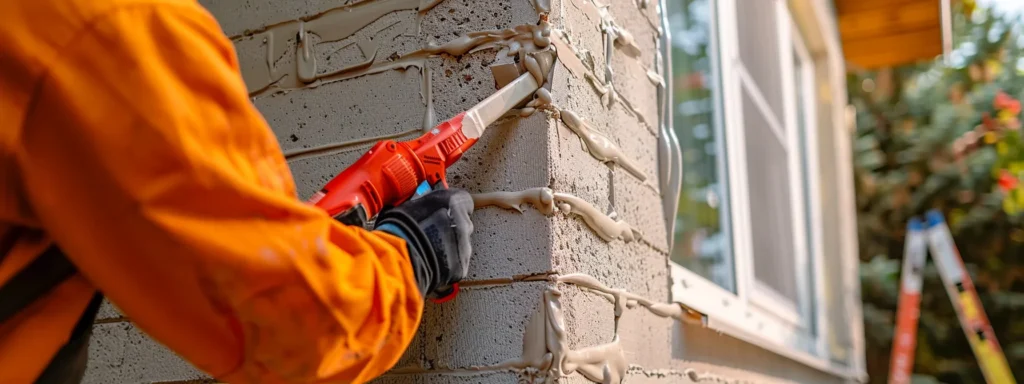
Proper exterior caulking serves as the first line of defense against water seepage, which can lead to structural damage, mold growth, and reduced energy efficiency in your home. It is designed to fill gaps and cracks that could otherwise allow moisture and outside air into your home’s interior spaces.
Using the right caulking materials, such as silicone or polyurethane caulk, is essential for creating a waterproof barrier that withstands temperature fluctuations and movement. These materials are specifically chosen for their durability and flexibility, ensuring that the seal remains intact over time.
Actionable guidance for homeowners includes inspecting the exterior of their home yearly, paying close attention to areas around windows, doors, and other openings. If gaps or deteriorated caulk are found, they should be addressed immediately to prevent moisture intrusion.
Identifying Vulnerable Areas: Where Exterior Caulking and Sealing are Critical
Vulnerable areas in a home’s exterior that are particularly susceptible to moisture damage often include window frames, doorways, and joints in the siding. Identifying these areas is crucial for effective moisture protection and ensuring the longevity of your property.
Supporting details, such as the fact that joint areas between different materials, such as where brick meets wooden frames, are especially prone to developing gaps over time. These gaps can allow not just moisture, but also pests and drafts to enter, compromising your home’s comfort and energy efficiency.
Homeowners should conduct a thorough inspection or hire a professional service to evaluate the entire exterior. Focus on transitions between materials and places where utilities enter the home. Once identified, appropriate sealing measures can be employed to fortify these vulnerable points.
Step-by-Step Guide to Effective Exterior Caulking for Moisture Prevention
To ensure effective moisture prevention, exterior caulking must be applied using a systematic approach. Begin by thoroughly cleaning and drying all surfaces to which the caulk will be applied. This provides a clean base for better adhesion and long-lasting results.
Next, select a caulk that is both water-resistant and suitable for the specific materials and weather conditions of your area. Applying caulk during dry weather and within the temperature range recommended by the manufacturer is crucial for optimal curing and performance. This methodical approach can significantly reduce energy bills and moisture damage.
Actionable guidance includes applying the caulk in a smooth, continuous bead, ensuring that no gaps are left uncovered. It’s important to smooth out the caulk after application for both aesthetic purposes and to ensure a complete seal. Homeowners may choose to do this themselves or seek professional help for a more refined finish.
Regular Maintenance: Ensuring Long-Term Protection Against Moisture Damage Through Caulking
Maintaining and regularly checking the state of your home’s caulking is essential for long-term moisture protection. Over time, exterior caulking can dry out, become brittle, and crack, leading to the eventual failure of the moisture barrier.
Proactive homeowners should create a maintenance schedule to review and touch-up caulking at least once a year, more often in regions with severe weather changes. This practice not only prevents moisture damage but also contributes to energy savings by eliminating drafts and keeping heating and cooling systems efficient.
For those less inclined to DIY repairs, professional services such as LePore Stucco Services can provide the necessary expertise to properly maintain, inspect, and repair your home’s caulking. With professional intervention, homeowners can achieve peace of mind knowing their home is well-protected against moisture for the foreseeable future.
In conclusion, the proper application and regular maintenance of exterior caulking are vital practices for safeguarding your home from moisture-related damage. Implementing thorough inspection routines and utilizing professional services when needed will keep your property secure and structurally sound. As homeowners in Chester County, PA, and New Castle County, DE, it’s important to acknowledge and act on this aspect of home maintenance for enduring protection and efficiency.