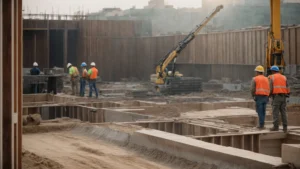
Homeowners may overlook the significance of their house’s foundation until unmistakable signs of damage appear. Cracks in walls, uneven floors, and stuck doors are just a few indicators hinting at potential foundation issues. Understanding these signs is critical for maintaining the structural integrity of your home and averting costly repairs.
Addressing foundation problems promptly can save considerable time and money, while ensuring safety and sustainability of your living space. In this article, we delve into recognizing repair needs, selecting the right experts, understanding repair methods, and maintaining your foundation post-repair.
Recognizing Signs That Indicate Foundation Repair is Needed
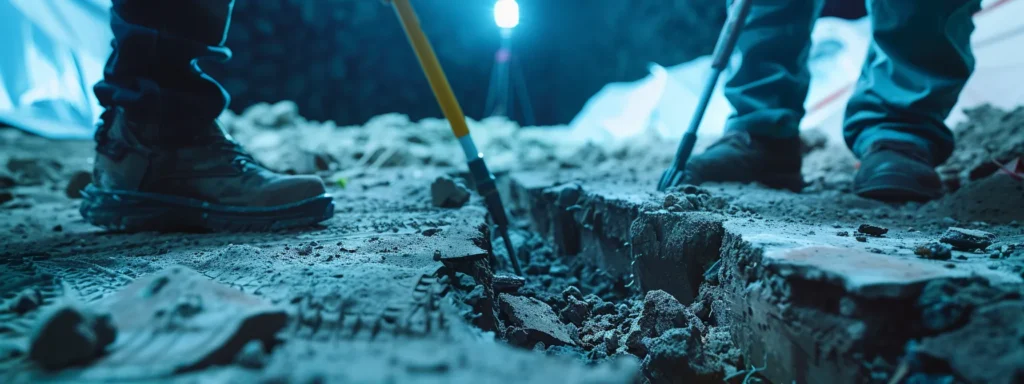
A clear indicator that your house requires foundation repair is visible structural damage. Cracks running along walls, especially around doors and windows, can signal shifting or settling of the foundation. Likewise, uneven flooring or gaps between walls and the ceiling are red flags that should not be ignored.
External factors such as soil conditions, excessive moisture, and poor drainage can also contribute to foundation deterioration. Changes in the surrounding landscape, such as sloped grading near your home or pooling water, can exacerbate damage over time, undermining the structural integrity of the property.
Performing regular inspections and being vigilant about changes in and around your home is key. If you suspect any issue, consult with a professional as soon as possible. Proactive measures can prevent minor issues from escalating into major, more expensive repairs. If you encounter such problems, consider reaching out to structural foundation repair experts.
Selecting Qualified Structural Foundation Repair Experts
Choosing the right professional for foundation repair is just as important as addressing the issue itself. Qualified experts will have the necessary credentials, experience, and a strong reputation in the industry to handle complex foundation jobs effectively.
Research potential contractors, verify their licensing and insurance, and check their references or reviews. An established professional should be transparent about their methods and willing to provide a detailed plan and estimate for the repair work. Better Business Bureau (BBB) ratings and customer testimonials can also be insightful resources when assessing credibility.
Before making a decision, obtain bids from several companies and consider their professional demeanor, proposed solutions, and cost efficiency. Ensure that you are not selecting solely based on price but also on the value and quality of the service they offer.
Common Methods Used in Structural Foundation Repair
Foundation repair can involve a variety of techniques, each suited to different types of damage and soil conditions. Underpinning, using push piers or helical piers, is a common method to stabilize and lift a foundation that has settled. Another method, slabjacking, lifts a sunken concrete slab by injecting a grout mixture beneath it.
Other techniques include waterproofing, which mitigates water damage and prevents future issues, and installing proper drainage systems to guide water away from the foundation. HomeAdvisor can provide further insight into the various practices used by professionals to address specific foundation problems.
When choosing a repair method, take into account the long-term effectiveness and any additional work that may be needed. Discuss the benefits and potential drawbacks of each option with the experts to ensure a lasting solution to your foundation issues.
Maintaining Your Foundation Post-Repair: Best Practices
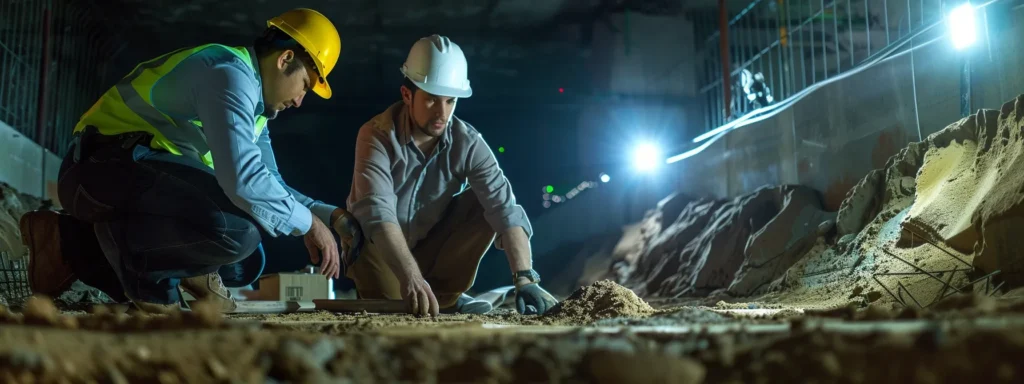
After completing repairs, maintaining your foundation is crucial to prevent future problems. Regular inspections and staying vigilant about changes in your home’s structural health are fundamental practices that should not be ignored.
Avoiding excessive moisture around your foundation is essential. Ensure your property has proper grading, functional gutters, and downspouts that divert water away from your home. Additionally, periodic checks for plumbing leaks and maintaining consistent soil moisture levels during dry seasons can help preserve the state of your foundation.
Lastly, adhere to any specific maintenance recommendations provided by your repair specialist. This may include periodic checks of repaired areas, or adjustments to any installed foundation support systems. By following these guidelines, you can help extend the lifespan of your foundation repairs and maintain your home’s value and safety.
Ultimately, understanding the importance of your home’s foundation and taking steps to keep it in good condition is essential for the safety and longevity of your house. Recognizing signs of damage, selecting qualified experts, understanding the repair process, and maintaining post-repair are all critical components for preserving the structural integrity of your home. Regular vigilance and maintenance ensure that foundation problems are addressed promptly and properly, safeguarding your property for years to come.