By Veralyn Media Team, Holistic Well-being Specialists | Published: July 30, 2024 | Last Updated: July 30, 2024
Your Guide to a Sustainable & Non-Toxic Home: Creating a Healthy Sanctuary
Imagine a home where the air you breathe is pure, the surfaces you touch are free from harmful residues, and every choice you make contributes to both your family’s health and the planet’s vitality. This isn’t an unattainable dream, but a tangible reality within your grasp. By embracing sustainable non-toxic home living, you’re not just decluttering your physical space; you’re detoxifying your life, reducing your exposure to endocrine disruptors, carcinogens, and allergens, and stepping into a more intentional, empowered way of life. Join us as we explore how to make mindful choices that benefit both your inner world and the greater world outside your windows.
Why is a Sustainable Non-Toxic Home Important? Understanding Hidden Dangers
Before embarking on the journey to a sustainable non-toxic home, it’s crucial to understand the “why.” Modern homes, ironically, can be significant sources of indoor air pollution and chemical exposure. A staggering statistic from the EPA reveals that indoor air can be 2 to 5 times, and sometimes more than 100 times, more polluted than outdoor air.
This invisible cocktail of chemicals stems from a surprising array of sources we often take for granted.
One of the primary culprits is Volatile Organic Compounds (VOCs), which are gases emitted from certain solids or liquids. Common sources include paints, varnishes, sealants, adhesives, carpeting, vinyl flooring, composite wood products, cleaning supplies, and even personal care products. Exposure to VOCs can cause short-term symptoms like headaches, dizziness, nausea, and respiratory irritation, and long-term effects linked to kidney, liver, and central nervous system damage, and even cancer.
Beyond VOCs, a host of other problematic chemicals silently permeate our living spaces:
- Phthalates: Often found in plastics (especially PVC), synthetic fragrances, personal care products, and vinyl flooring. These are known endocrine disruptors, meaning they can interfere with hormone function, potentially impacting reproductive health and development.
- Formaldehyde: A common preservative and bonding agent found in pressed-wood products (particleboard, plywood, MDF), glues, and some insulation materials. It’s a known human carcinogen and can cause respiratory issues, skin irritation, and allergic reactions.
- Per- and Polyfluoroalkyl Substances (PFAS): Nicknamed “forever chemicals,” PFAS are used in non-stick cookware, stain-resistant fabrics, water-repellent clothing, and some food packaging. They are highly persistent in the environment and the human body, linked to various health concerns including thyroid disease, kidney cancer, and reproductive issues.
- Flame Retardants: Added to furniture, mattresses, electronics, and building materials to slow the spread of fire. Many are persistent organic pollutants (POPs) that bioaccumulate in the body, associated with developmental, reproductive, neurological, and immune system impacts.
- Pesticides & Herbicides: Residues can be tracked in from outdoors or used directly in the home for pest control. These neurotoxins can impact nervous system function and are linked to various chronic diseases.
The cumulative effect of exposure to these chemicals, even at low levels, is a significant concern, especially for vulnerable populations like children, pregnant women, and the elderly. Understanding these hidden dangers is the first step towards intentionally creating a healthier and more resilient home environment. By identifying the sources, we empower ourselves to make informed choices that protect our health and contribute to a more sustainable future.
How Can You Detox Your Cleaning & Personal Care Routines for a Healthier Home?
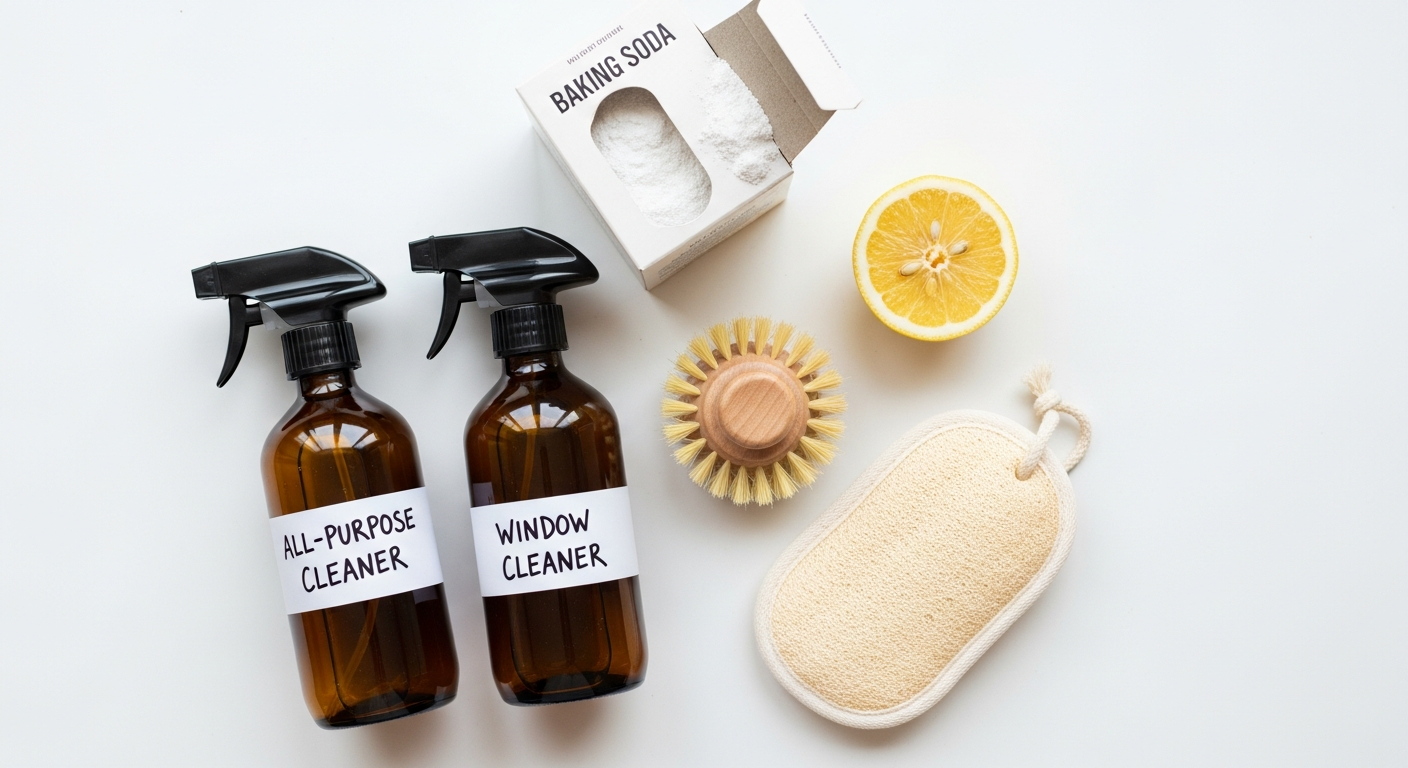
Our daily cleaning and personal care rituals, while seemingly innocuous, can introduce a significant chemical load into our homes and onto our bodies. The average household cleaning product can contain hundreds of chemicals, many of which are respiratory irritants, skin sensitizers, or endocrine disruptors. Similarly, personal care products often harbor synthetic fragrances, parabens, phthalates, and other ingredients that impact our health and the environment.
The good news is that transitioning to a greener, non-toxic cleaning products routine is one of the most impactful and accessible steps you can take toward sustainable non-toxic home living.
How Do You Choose Non-Toxic Cleaning Products?
- Embrace DIY Solutions: The simplest, most effective, and cheapest cleaning arsenal often consists of just a few pantry staples:
- White Vinegar: A natural disinfectant, deodorizer, and degreaser. Mix with water for an all-purpose cleaner, or use it to descale appliances. For example, a 1:1 vinegar-water solution in a spray bottle can replace most kitchen and bathroom sprays.
- Baking Soda: An excellent abrasive, deodorizer, and stain remover. Use it as a scrub for sinks and tubs, or sprinkle it on carpets before vacuuming to neutralize odors. A paste of baking soda and water can tackle tough grease.
- Lemon Juice: A natural bleach, degreaser, and fresh scent booster. Add it to your DIY cleaners for extra cleaning power and a pleasant aroma.
- Castile Soap: A concentrated, plant-based soap that can be diluted for various uses, from dish soap to floor cleaner. Dr. Bronner’s is a popular, versatile brand.
- Choose Certified Green Products: If DIY isn’t your preference, look for products certified by reputable third parties like EPA Safer Choice, EWG Verified, or Green Seal. These certifications indicate that products meet stringent human health and environmental criteria. For certified green cleaning products, consider brands like **Seventh Generation**, **Method**, or **Branch Basics**. Be wary of “greenwashing” – marketing that makes products appear environmentally friendly without legitimate basis. Read ingredient labels carefully.
- Simplify Your Supplies: You don’t need a different cleaner for every surface. An all-purpose cleaner, a good scrub, and a glass cleaner will cover most needs. Microfiber cloths are excellent for streak-free cleaning with just water, reducing the need for chemical sprays.
- Ventilate While Cleaning: Even with natural cleaners, ensure good ventilation by opening windows to dissipate any fumes and improve indoor air quality.
How Can You Revamp Your Personal Care Routine for a Non-Toxic Lifestyle?
- Read Ingredient Labels: Educate yourself on common problematic ingredients like parabens, phthalates (often hidden in “fragrance”), synthetic dyes, sulfates (SLS/SLES), triclosan, and formaldehyde-releasing preservatives. The Environmental Working Group’s Skin Deep database is an invaluable resource for checking product safety ratings.
- Opt for Fragrance-Free or Naturally Scented: “Fragrance” is a catch-all term that can hide dozens of undisclosed chemicals, including phthalates. Choose products labeled “fragrance-free” or scented with essential oils rather than synthetic perfumes.
- Support Transparent Brands: Seek out companies that are open about their ingredient sourcing, manufacturing processes, and commitment to sustainability. Many smaller, artisan brands prioritize natural and organic ingredients. For example, look for brands like **Dr. Bronner’s** (for castile soap and personal care), **Acure**, or **Beautycounter** (for cosmetics and skincare) that prioritize clean ingredients.
- Consider DIY Personal Care: Simple recipes for deodorants, lotions, and masks using ingredients like coconut oil, shea butter, essential oils, and baking soda can significantly reduce chemical exposure. For example, a mix of coconut oil, baking soda, and arrowroot powder can make an effective natural deodorant.
- Minimize Products: Embrace a minimalist approach to beauty and hygiene. Do you truly need 10 different hair products or multiple lotions? Simplifying your routine naturally reduces chemical exposure and waste.
Making these shifts takes time, but each small change contributes significantly to creating a healthier home and a more sustainable lifestyle. Start with one category, like all-purpose cleaner or hand soap, and gradually expand your non-toxic repertoire.
What Are Mindful Furnishing & Decor Choices for a Sustainable Non-Toxic Home?
The items we fill our homes with, from sofas to curtains, play a significant role in our indoor air quality and overall well-being. Conventional furniture, flooring, paints, and textiles are often manufactured using processes and materials that off-gas harmful chemicals, contributing to the “new furniture smell” that is, in reality, a cocktail of VOCs. Embracing mindful furnishing and decor is a cornerstone of sustainable non-toxic home living.
How Do You Choose Healthy Furniture for a Non-Toxic Home?
- Choose Solid Wood Over Composite: Particleboard, MDF (medium-density fiberboard), and plywood often contain formaldehyde-based glues. Opt for furniture made from solid, untreated wood. If purchasing composite wood, look for products certified by CARB (California Air Resources Board) or TSCA Title VI compliant, indicating lower formaldehyde emissions.
- Invest in Natural Upholstery & Fillings: Conventional upholstered furniture often contains flame retardants, PFAS stain treatments, and polyurethane foam (which can off-gas VOCs). Look for furniture made with natural materials like organic cotton, wool, natural latex, hemp, or linen for upholstery and fillings. Avoid synthetic fabrics like polyester and nylon where possible, or choose recycled versions.
- “Green” Your Mattress: Your mattress is where you spend a third of your life. Conventional mattresses can contain flame retardants, VOCs from foams and adhesives, and synthetic materials. Prioritize mattresses made from organic cotton, natural latex, wool, or certified eco-friendly foams (e.g., CertiPUR-US for polyurethane foams, though natural options are preferable for truly non-toxic living). Look for certifications like GOTS (Global Organic Textile Standard) for organic materials or GOLS (Global Organic Latex Standard) for latex.
- Consider Secondhand: Buying used furniture is not only sustainable (reducing demand for new production and diverting waste from landfills) but also often means that most off-gassing has already occurred. Give it a good clean with natural solutions before bringing it in.
What are Sustainable Flooring & Wall Options for a Healthy Home?
- Opt for Low-VOC Paints: Conventional paints are a major source of VOCs. Choose paints labeled “zero-VOC” or “low-VOC” for all interior applications. Many reputable brands now offer excellent non-toxic options that perform just as well as traditional paints. Consider natural alternatives like milk paint or clay paint for unique finishes.
- Sustainable Flooring Choices:
- Hardwood: Look for sustainably harvested, FSC-certified (Forest Stewardship Council) wood, and finish with low-VOC sealants.
- Cork: A renewable resource, naturally antimicrobial, hypoallergenic, and provides excellent insulation and sound dampening. Ensure adhesives are low-VOC.
- Bamboo: Another highly renewable resource, durable and beautiful. Verify sourcing to ensure ethical practices.
- Natural Linoleum: Made from linseed oil, pine resin, wood flour, cork dust, and mineral fillers, it’s biodegradable and durable. Avoid vinyl flooring, which is often made of PVC and can off-gas phthalates.
- Ceramic or Porcelain Tile: A durable, inert, and non-toxic option. Look for low-VOC grout and adhesives.
- Natural Fiber Carpets/Rugs: If you prefer carpet, choose options made from wool, organic cotton, jute, or sisal, with natural backings and low-VOC adhesives. Avoid synthetic carpets and those treated with stain protectors.
How Can You Choose Non-Toxic Decor & Textiles?
- Choose Natural Textiles: For curtains, bedding, towels, and clothing, prioritize organic cotton, linen, hemp, and wool. These materials are breathable, durable, and free from synthetic dyes and finishes that can off-gas or irritate skin. Look for GOTS-certified organic cotton.
- Decorate with Purpose: Avoid plastic decor items where possible. Opt for natural materials like glass, ceramic, stone, wood, and metal. Bring in live plants (see next section) for both aesthetic appeal and air purification benefits.
- Avoid Synthetic Fragrances: Steer clear of air fresheners, scented candles made from paraffin wax (which release soot and VOCs), and plug-ins. Instead, use essential oil diffusers with pure essential oils, simmer natural ingredients (like citrus peels and spices), or open windows for fresh air.
By making conscious choices about what fills your home, you create an environment that supports health, reduces your chemical load, and reflects a commitment to sustainable non-toxic home living.
How Can You Create a Non-Toxic Kitchen & Adopt Healthy Eating Habits?
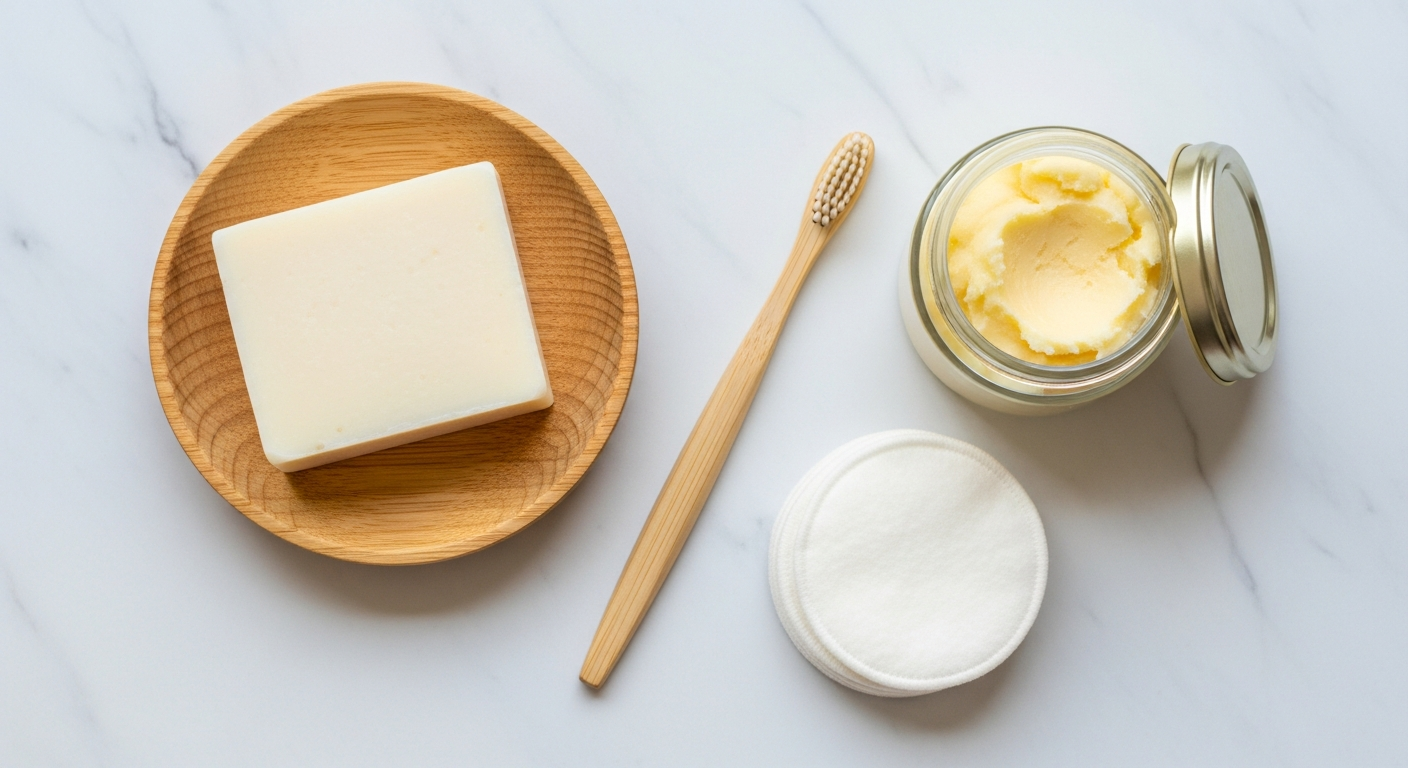
The kitchen is the heart of the home, but it can also be a significant source of exposure to harmful chemicals if not managed mindfully. From the materials we cook with to how we store our food, every decision impacts our health and the sustainability of our lifestyle. Transforming your kitchen into a non-toxic hub is an essential component of a holistic approach to a healthy sanctuary.
What Non-Toxic Cookware & Bakeware Options Are Best?
- Ditch Non-Stick Coatings (PFAS): Traditional non-stick cookware (Teflon) often contains PFAS (per- and polyfluoroalkyl substances) which can leach into food, especially when scratched or overheated. These “forever chemicals” are linked to numerous health issues.
- Safer Alternatives:
- Cast Iron: Durable, naturally non-stick when seasoned, and can even add a little iron to your food.
- Stainless Steel: A versatile and generally safe option, ensure it’s high-quality (e.g., 18/8 or 18/10 grade) to prevent leaching of metals.
- Ceramic/Glass: Excellent for baking and certain types of cooking. Ensure ceramic is free from lead and cadmium.
- Enamel-Coated Cast Iron: Offers the benefits of cast iron with an easier-to-clean, non-reactive surface.
- Safer Alternatives:
- Avoid Aluminum: While generally considered safe for brief contact with food, prolonged contact, especially with acidic foods, can cause aluminum to leach into food. Opt for the alternatives listed above.
How Can You Choose Non-Toxic Food Storage & Packaging?
- Minimize Plastic Use: Many plastics, especially those marked with recycling codes 3 (PVC), 6 (polystyrene), and 7 (other, often polycarbonate), can leach endocrine-disrupting chemicals like phthalates and BPA (bisphenol A). Even BPA-free plastics may contain similar, untested chemicals.
- Safer Alternatives:
- Glass Containers: Ideal for food storage, meal prep, and leftovers. Durable, non-reactive, and endlessly reusable.
- Stainless Steel Containers: Lightweight, durable, and perfect for packed lunches or dry goods.
- Silicone: Food-grade silicone is generally considered stable and non-reactive, making it a good option for baking mats, storage bags, and lids.
- Beeswax Wraps: A sustainable alternative to plastic wrap for covering bowls and wrapping sandwiches.
- Safer Alternatives:
- Buy in Bulk & Reduce Packaging: This is a fantastic way to minimize plastic waste and save money. Use reusable bags, jars, and containers for grains, nuts, seeds, and dried fruits.
Why is Water Filtration Important for a Healthy Home?
Tap water can contain a surprising array of contaminants, including chlorine, chloramine, heavy metals (like lead from old pipes), pharmaceuticals, pesticides, and PFAS. Investing in a quality water filtration system is a crucial step for healthy living.
- Consider a Whole-House Filter: For comprehensive protection, this system filters all water entering your home.
- Under-Sink or Countertop Filters: Excellent for filtering drinking and cooking water. Look for systems that remove a broad spectrum of contaminants, not just chlorine. Reverse osmosis systems are highly effective but can also strip beneficial minerals, so consider re-mineralization.
- Filtered Pitchers: A good entry-level option for drinking water, but they typically have limited filtration capabilities compared to more robust systems. Ensure filters are replaced regularly.
How Can You Adopt Healthy Eating Habits & Reduce Waste?
- Prioritize Organic & Local: Choosing organic produce reduces your exposure to pesticides and supports farming practices that are better for the environment. Buying local also minimizes transportation emissions and supports your community.
- Reduce Food Waste: Plan meals, store food properly, compost scraps, and creatively use leftovers. This not only saves money but also significantly reduces your environmental impact. Food waste in landfills produces methane, a potent greenhouse gas.
- Grow Your Own: Even a small herb garden or a few potted vegetables can provide fresh, organic produce and connect you more deeply with your food source.
By being mindful of your kitchen’s inputs and outputs, you create a space that nurtures your family’s health and aligns with the principles of sustainable non-toxic home living.
How Can You Optimize Indoor Air Quality in Your Sustainable Non-Toxic Home?
As we’ve established, indoor air can be significantly more polluted than outdoor air, posing a silent threat to our health. While opening windows for ventilation is a good start, true optimization of indoor air quality requires a more comprehensive approach. This section explores practical strategies to purify the air you breathe daily, contributing profoundly to your sustainable non-toxic home living environment.
Why is Ventilation Key for Indoor Air Quality?
- Regular Airing Out: Make a habit of opening windows and doors for 5-10 minutes each day, even in cooler weather, to create cross-ventilation and flush out stale, chemical-laden air. This is especially important after cleaning, cooking, or showering.
- Use Exhaust Fans: Always use kitchen exhaust fans while cooking (especially with gas stoves, which emit nitrogen dioxide) and bathroom fans during and after showers to remove moisture and pollutants. Ensure these fans vent outdoors, not just into the attic.
- Consider a Heat/Energy Recovery Ventilator (HRV/ERV): For well-sealed, energy-efficient homes, an HRV or ERV system can continuously exchange indoor air with fresh outdoor air, pre-heating or pre-cooling it in the process to maintain energy efficiency.
What are the Best Air Purification & Filtration Methods?
- High-Efficiency Particulate Air (HEPA) Filters: Invest in portable air purifiers with true HEPA filters for rooms where you spend a lot of time, like bedrooms and living areas. HEPA filters capture 99.97% of airborne particles 0.3 microns or larger, including dust, pollen, pet dander, mold spores, and some bacteria and viruses.
- Activated Carbon Filters: Look for air purifiers that also incorporate activated carbon filters. These are crucial for adsorbing VOCs, odors, and chemical gases that HEPA filters cannot trap.
- HVAC System Upgrades: Ensure your home’s central heating and cooling system has high-quality filters (MERV 11-13 or higher) and that they are changed regularly (every 1-3 months, depending on usage and household conditions). Consider adding a whole-house HEPA or activated carbon filter to your HVAC system.
How Do Plants Improve Indoor Air Quality?
While plants alone won’t entirely purify a highly polluted home, they can contribute to improved air quality and overall well-being. NASA’s Clean Air Study identified several houseplants that are effective at removing common indoor air toxins like formaldehyde, benzene, and trichloroethylene. Some excellent choices include:
- Snake Plant (Sansevieria trifasciata): Releases oxygen at night, and filters benzene, formaldehyde, trichloroethylene, and xylene.
- Spider Plant (Chlorophytum comosum): Excellent at filtering formaldehyde and xylene.
- Peace Lily (Spathiphyllum): Filters ammonia, benzene, formaldehyde, and trichloroethylene.
- Aloe Vera (Aloe barbadensis miller): Filters formaldehyde and benzene.
- Bamboo Palm (Chamaedorea seifrizii): Filters benzene, formaldehyde, and trichloroethylene.
Remember that plants require care and proper light to thrive and provide benefits. Use organic potting soil and avoid chemical fertilizers.
How Can You Manage Dust & Allergens in Your Home?
- Regular Cleaning: Dust regularly with a damp cloth to capture particles rather than just redistributing them. Vacuum with a HEPA-filtered vacuum cleaner at least once a week.
- Control Humidity: Maintain indoor humidity levels between 30-50% to inhibit mold and dust mite growth. Use dehumidifiers in damp areas like basements and humidifiers in dry climates, ensuring they are regularly cleaned to prevent mold growth.
- Address Mold Promptly: Inspect for and remediate any mold growth immediately, as mold spores can be significant allergens and irritants.
- Pet Management: If you have pets, groom them regularly and consider keeping them out of bedrooms to reduce pet dander.
By implementing these strategies, you create an environment where the air is cleaner, fresher, and more conducive to health, making your home a truly restorative part of your sustainable non-toxic home living journey.
What Sustainable Practices Can You Adopt for Energy, Water & Waste Management?
A truly healthy sanctuary extends beyond mere non-toxic materials; it encompasses a holistic approach to living that respects planetary resources. Sustainable non-toxic home living means making conscious choices about how we consume energy and water, and how we manage our waste. These practices not only reduce our environmental footprint but also often lead to long-term cost savings and a more resilient household.
How Can You Improve Energy Efficiency in Your Home?
Reducing energy consumption is one of the most impactful ways to lessen your carbon footprint, as most electricity still comes from fossil fuels.
- Optimize Heating & Cooling:
- Insulation & Sealing: Ensure your home is well-insulated and properly air-sealed to prevent heat loss in winter and heat gain in summer. Check for drafts around windows and doors and seal them with caulk or weatherstripping.
- Smart Thermostats: Install a programmable or smart thermostat to automatically adjust temperatures based on your schedule, saving energy when you’re away or asleep.
- HVAC Maintenance: Regularly maintain your heating, ventilation, and air conditioning (HVAC) system, including changing filters, to ensure it operates efficiently.
- Efficient Lighting:
- LED Lighting: Replace old incandescent bulbs with energy-efficient LED bulbs. They consume significantly less energy and last much longer.
- Natural Light: Maximize natural daylight by opening curtains and blinds, and strategically placing mirrors to reflect light.
- Appliance Awareness:
- Energy Star Appliances: When purchasing new appliances (refrigerators, washing machines, dishwashers), look for the Energy Star label, which indicates superior energy efficiency.
- Unplug “Phantom Loads”: Many electronics consume power even when turned off or in standby mode (phantom load). Unplug chargers, TVs, and other devices when not in use, or use power strips with on/off switches.
- Laundry Habits: Wash clothes in cold water whenever possible and air-dry laundry on a clothesline or drying rack to save energy from your dryer.
- Renewable Energy: If feasible, consider installing solar panels or investigating community solar programs to power your home with clean energy.
How Can You Practice Water Conservation at Home?
- Low-Flow Fixtures: Install low-flow showerheads, toilets, and aerators on faucets. These can significantly reduce water usage without compromising performance.
- Fix Leaks: Promptly repair any dripping faucets or leaky toilets, which can waste thousands of gallons of water annually.
- Mindful Usage: Take shorter showers, turn off the tap while brushing teeth or washing dishes, and only run dishwashers and washing machines when full.
- Outdoor Water Management:
- Rain Barrels: Collect rainwater for irrigating gardens and plants.
- Drought-Resistant Landscaping: Choose native, drought-tolerant plants for your garden (xeriscaping) to reduce the need for irrigation.
- Efficient Irrigation: Use drip irrigation systems for gardens, which deliver water directly to plant roots, minimizing evaporation.
How Can You Implement Effective Waste Management?
The “reduce, reuse, recycle, compost” hierarchy is fundamental to minimizing waste and its environmental impact.
- Reduce: This is the most important step. Before buying anything new, ask yourself if you truly need it. Opt for durable, long-lasting products over single-use items. Choose products with minimal or no packaging.
- Reuse: Embrace reusable bags, water bottles, coffee cups, and food containers. Repurpose old items – for example, old towels as cleaning rags, or glass jars for storage. Donate usable items instead of throwing them away.
- Recycle: Understand your local recycling guidelines and diligently separate recyclables. Be aware of what your specific municipal program accepts.
- Compost: Start a compost bin for kitchen scraps (fruit and vegetable peels, coffee grounds, eggshells) and yard waste. Composting enriches soil, reduces landfill waste, and cuts methane emissions.
- Avoid Fast Fashion: Support ethical and sustainable clothing brands, buy fewer items of higher quality, and consider secondhand clothing.
Integrating these sustainable practices into your daily routine is a powerful way to enhance your sustainable non-toxic home living journey, creating a home that is healthy for you and respectful of the planet.
How Can You Empower Your Family on the Journey to Sustainable Non-Toxic Home Living?
Creating a sustainable non-toxic home is not a solo endeavor; it’s a collective journey that thrives with the active participation and understanding of every family member. Empowering your family means educating them, involving them in decision-making, and making the transition both accessible and enjoyable. This collaborative approach fosters a deeper appreciation for health, environmental stewardship, and the values inherent in sustainable non-toxic home living.
How Can You Educate Your Family About Non-Toxic Living?
- Demystify the “Why”: Instead of just enforcing new rules, explain why certain changes are being made. For children, use age-appropriate language to discuss the benefits of clean air, healthy food, and reducing waste. For example, explain how using natural cleaners prevents “ouchies” from harsh chemicals, or how recycling helps animals.
- Highlight Health Benefits: Emphasize how these changes contribute to everyone’s well-being – fewer sniffles, more energy, better sleep, and a safer environment for growing bodies. Connect specific actions to tangible outcomes, like better air quality making it easier to breathe for someone with allergies.
- Share the Environmental Impact: Discuss how sustainable choices protect animals, reduce pollution, and help keep our planet healthy for future generations. Watch documentaries or read books together that illustrate these concepts.
How Can You Involve Your Family in Creating a Healthy Home?
- Age-Appropriate Tasks: Assign tasks that are suitable for each family member. Younger children can help sort recycling, water plants, or choose reusable shopping bags. Older children can research eco-friendly products, help with DIY cleaning recipes, or manage the compost bin.
- Decision-Making Power: Give family members choices where appropriate. Let them pick out new organic bed linens in their favorite color, or choose which scent of essential oil to diffuse. This fosters a sense of ownership and reduces resistance to change.
- DIY Projects Together: Involve everyone in making homemade cleaning products, growing a small herb garden, or upcycling old old furniture. These activities are not only educational but also create lasting memories and a shared sense of accomplishment.
- Family Meetings: Hold regular family meetings to discuss goals, progress, and any challenges in your sustainable living journey. Encourage open communication and problem-solving together.
How Can You Make Sustainable Living Fun for Your Family?
- Gamify It: Turn sustainable practices into a game. Who can find the most recyclable items? Who can take the shortest shower? Reward efforts with non-material incentives like extra playtime or a family outing.
- Celebrate Successes: Acknowledge and celebrate progress, big or small. Did you successfully switch to all-natural cleaning products? Did you significantly reduce your weekly waste? Take time to appreciate these achievements.
- Lead by Example: Children, especially, learn by observing. Demonstrate your commitment to sustainable non-toxic home living in your daily actions. Your enthusiasm and consistency will be contagious.
- Explore Nature Together: Spend time outdoors in nature – hiking, biking, visiting parks, or gardening. This reinforces the value of protecting the environment and connects them emotionally to the reasons behind sustainable choices.
By transforming your home into a healthy sanctuary, you’re not just improving your family’s immediate environment; you’re instilling values of mindfulness, responsibility, and respect for health and the planet. This collective journey empowers everyone to be stewards of their well-being and the world around them, making sustainable non-toxic home living a deeply enriching experience for all.
Conclusion: How to Achieve a Healthier, More Harmonious Sustainable Non-Toxic Home
Embarking on the path to a sustainable non-toxic home is a profound act of self-care and environmental stewardship. Throughout this guide, we’ve explored the multifaceted aspects of transforming your living space into a sanctuary that truly supports your health, vitality, and peace of mind. From understanding the pervasive hidden dangers of everyday chemicals to making conscious choices about everything from cleaning products to cookware, and from optimizing indoor air quality to embracing sustainable energy and waste practices, every step you take contributes to a more harmonious existence.
Remember, this isn’t about perfection overnight, but about progress over time. Each mindful decision – whether it’s swapping out a single toxic cleaner, investing in a good water filter, or simply opening your windows more often – is a powerful stride towards a healthier you and a healthier planet. Your home is your foundation; by creating a space free from harmful chemicals and rich in sustainable practices, you build a stronger, more resilient foundation for yourself and your loved ones.
We encourage you to start small, choose one area from this guide that resonates most with you, and implement a change. Perhaps it’s detoxing your laundry routine, or committing to buying organic produce. Every single action, no matter how minor it seems, creates a ripple effect, leading to greater awareness, better choices, and ultimately, a healthier, more vibrant life. Your journey to sustainable non-toxic home living is an ongoing adventure, and Veralyn Media is here to support you every step of the way. Begin today, and reclaim your sanctuary.
Frequently Asked Questions About Sustainable Non-Toxic Homes
What are the biggest health risks associated with a home that isn’t non-toxic?
How expensive is it to switch to sustainable non-toxic home living?
What are VOCs and why should I avoid them?
Can I really make a difference with small changes, or do I need to overhaul everything at once?
Where should I start when transitioning to a sustainable non-toxic home?
Reviewed by Maya Rodriguez, Senior Lifestyle Editor — Last reviewed: April 06, 2026