The Ultimate Guide to Holistic Self-Care for Women: Nurturing Mind, Body, and Soul
Understanding Holistic Self-Care: Beyond the Bubble Bath
The term “holistic” originates from the Greek word “holos,” meaning “whole.” Applied to self-care, it signifies an approach that considers the entire person – a dynamic interplay of physical, mental, emotional, spiritual, social, and even environmental dimensions. Unlike a superficial fix, holistic self-care recognizes that an imbalance in one area can ripple through the others, affecting overall well-being. For women, who are often conditioned to prioritize others’ needs, understanding this interconnectedness is revolutionary. It moves beyond the occasional bubble bath or spa day, integrating consistent, mindful practices into daily life that address all facets of existence.
Consider the difference: conventional self-care might suggest taking a walk to relieve stress. A holistic approach would ask: Why are you stressed? Is it a mental overload, emotional burden, lack of physical activity, or perhaps a feeling of spiritual disconnection? Then, it would offer solutions that address the root cause, not just the symptom. For example, consistent poor sleep (physical) can exacerbate anxiety (mental/emotional), making it harder to connect with loved ones (social) or find meaning (spiritual). A holistic perspective would address the sleep issues, stress management, and encourage meaningful connections simultaneously, creating a synergistic uplift. This comprehensive view acknowledges that true well-being is not compartmentalized; it’s a living ecosystem within you, demanding balanced attention to thrive. Embracing this perspective is the first step in unlocking a more profound, sustainable state of health and happiness for every woman.
Nurturing the Mind: Cultivating Mental Clarity and Emotional Resilience

The mind is the control center of our existence, influencing everything from our perceptions to our physical health. For women, societal pressures, multitasking, and a tendency towards rumination can often lead to mental fatigue and emotional overwhelm. Nurturing your mind holistically involves consciously developing practices that foster clarity, reduce stress, and build emotional strength. This pivotal aspect of our holistic self-care guide for women focuses on practical steps to fortify your inner world.
Mindfulness and Meditation: Anchoring in the Present
- Practical Step: Start Small. Begin with just 5-10 minutes of guided meditation daily. Apps like Calm or Headspace offer excellent beginner programs. Focus on your breath, observing thoughts without getting entangled.
- Mindful Moments: Integrate mindfulness into daily activities. Notice the sensations while drinking your morning coffee, or the feel of water during a shower.
Journaling: Processing Thoughts and Emotions
- Practical Step: Morning Pages or Evening Reflection. Dedicate 10-15 minutes each day to writing. Don’t edit or censor; just let the words flow. You might explore gratitude, anxieties, or dreams.
- Benefits: A study by the University of Texas at Austin revealed that expressive writing can improve working memory and reduce symptoms of depression.
Digital Detox and Boundary Setting
Constant connectivity, while offering convenience, can lead to information overload, comparison culture, and fragmented attention. Setting boundaries with technology is essential for mental peace.
- Practical Step: Schedule “Tech-Free” Times. Designate specific hours each day (e.g., the first hour after waking, the last hour before bed) as screen-free zones.
- Notification Control: Turn off non-essential notifications on your phone to reduce constant interruptions.
- Social Boundaries: Learn to say “no” to commitments that overextend you. Protecting your time and energy is a form of self-respect. This can also help prevent burnout.
Engaging in Learning and Creativity
- Practical Step: Pick Up a Hobby. Whether it’s learning a new language, painting, playing an instrument, or coding, allocate regular time to activities that ignite your curiosity.
- Read Widely: Beyond professional requirements, immerse yourself in books, articles, or documentaries on subjects that fascinate you.
By consistently implementing these practices, you actively cultivate a mind that is more resilient, clear, and emotionally intelligent, forming a robust foundation for holistic well-being.
Nourishing the Body: Fueling Your Physical Well-being
The body is your temple, the vehicle through which you experience life. Neglecting its fundamental needs inevitably impacts your mental and emotional states. Holistic self-care for women emphasizes listening to your body’s signals and providing it with the nourishment, movement, and rest it requires to function optimally. This section of our holistic self-care guide for women offers actionable strategies to strengthen your physical foundation.
Nutrition: Mindful Eating and Hydration
What you consume profoundly affects your energy levels, mood, cognitive function, and long-term health. Holistic nutrition isn’t about restrictive dieting; it’s about mindful choices that fuel your body with nutrient-dense foods.
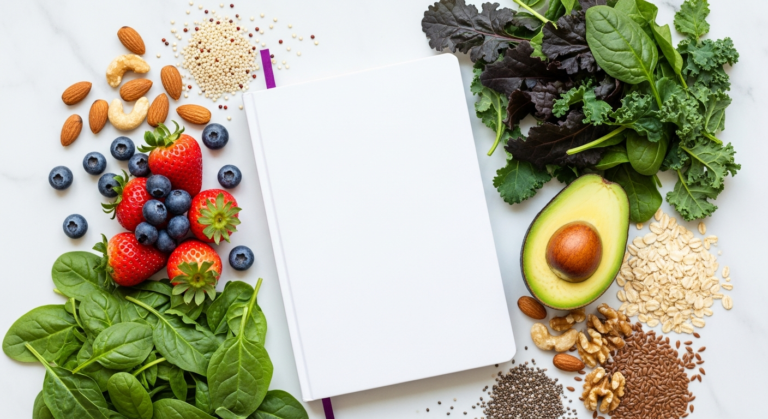
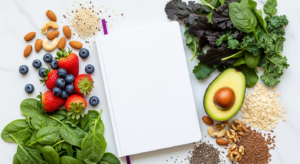
- Balanced Diet: Prioritize whole, unprocessed foods. Aim for a plate rich in colorful vegetables, fruits, lean proteins, and healthy fats. For example, swap highly processed snacks for a handful of almonds and an apple, or refined grains for quinoa and brown rice. Explore our healthy recipes for inspiration.
- Mindful Eating: Pay attention to your body’s hunger and fullness cues. Eat slowly, savoring each bite, and avoid distractions like screens during meals. This helps improve digestion and prevents overeating.
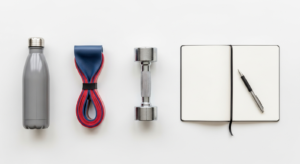
- Hydration: Water is crucial for every bodily function. Aim for at least 8 glasses (around 2 liters) of filtered water daily, more if you’re active or in a hot climate. Keep a reusable water bottle handy as a visual reminder. Data shows that even mild dehydration can impair mood, concentration, and energy levels.
- Practical Tip: Meal Prepping. Dedicate a few hours one day a week to prepare healthy meals and snacks for the upcoming days. This reduces the likelihood of resorting to less nutritious convenience foods.
Movement: Finding Joy in Physical Activity
Movement is not just about burning calories; it’s about boosting circulation, improving mood, strengthening muscles and bones, and reducing stress. The key to sustainable movement is finding activities you genuinely enjoy.
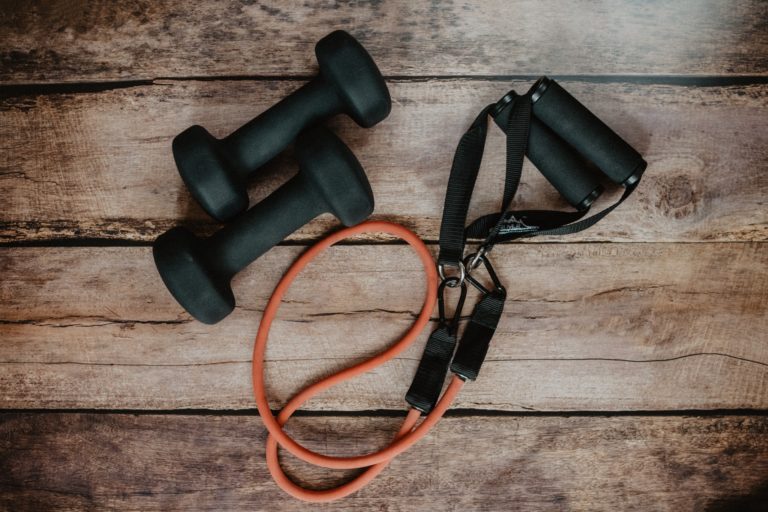
- Variety is Key: Incorporate a mix of cardiovascular exercises (brisk walking, dancing, cycling), strength training (bodyweight exercises, weights), and flexibility/balance work (yoga, Pilates). Find your preferred physical activity.
- Consistency Over Intensity: Aim for at least 150 minutes of moderate-intensity aerobic activity or 75 minutes of vigorous activity per week, along with muscle-strengthening activities on 2 or more days, as recommended by the American Heart Association. Even short “movement snacks” like a 10-minute walk can be beneficial.
- Listen to Your Body: Rest days are as important as active days. Don’t push through pain or extreme fatigue. Recovery is vital for preventing injury and optimizing performance.
- Practical Tip: Schedule It. Treat your workouts like important appointments. Block out time in your calendar and commit to it. Consider finding an accountability partner or joining a class.
Sleep: Prioritizing Rest and Recovery
Sleep is non-negotiable for physical and mental health. During sleep, your body repairs itself, consolidates memories, and regulates hormones. Chronic sleep deprivation can lead to increased stress, weight gain, weakened immunity, and impaired cognitive function.
- Quality Sleep: Aim for 7-9 hours of quality sleep per night. According to the National Sleep Foundation, adults generally need 7 to 9 hours.
- Sleep Hygiene: Establish a consistent sleep schedule, even on weekends. Create a relaxing bedtime ritual (e.g., warm bath, reading, gentle stretching). Ensure your bedroom is dark, quiet, and cool. Learn more about improving sleep hygiene.
- Limit Stimulants: Avoid caffeine and alcohol several hours before bedtime.
- Practical Tip: Digital Sunset. Power down all screens (phones, tablets, computers, TVs) at least 60 minutes before you plan to sleep. The blue light emitted by screens can interfere with melatonin production.
By consciously tending to your body’s needs through thoughtful nutrition, consistent movement, and restorative sleep, you build a powerful reservoir of energy and resilience, allowing you to engage with the world more fully and effectively.
Elevating the Soul: Connecting to Your Inner Essence

Beyond the tangible aspects of mind and body, holistic self-care recognizes the profound importance of nourishing the soul – your unique spirit, purpose, and connection to something larger than yourself. For women, this often involves reclaiming parts of themselves lost to caregiving responsibilities or societal expectations. This section of our holistic self-care guide for women explores how to cultivate spiritual well-being, self-compassion, and a sense of meaning.
Spiritual Well-being: Finding Purpose and Connection
Spiritual well-being doesn’t necessarily equate to organized religion; it’s about cultivating a sense of meaning, purpose, and connection in your life. This can manifest in diverse ways:
- Nature Connection: Spending time in nature can be incredibly grounding and restorative. Research indicates that “forest bathing” (shinrin-yoku) can reduce stress hormones and improve mood. Whether it’s a walk in a park, gardening, or simply sitting by a window observing the sky, reconnect with the natural world.
- Creative Expression: Engaging in creative activities allows for self-expression, joy, and a flow state that can be deeply meditative. This could be painting, writing poetry, playing music, dancing, or even cooking with artistic flair. For example, a woman named Sarah found that resuming her pottery hobby after years allowed her to express unspoken emotions and find profound peace.
- Mindful Practices: Beyond formal meditation, simple practices like gratitude, prayer, or silent reflection can foster a sense of connection and inner peace.
- Serving Others: Contributing to your community or a cause you believe in can provide a powerful sense of purpose and connection. Volunteering, mentoring, or simply offering a helping hand can be deeply soul-nourishing.
Practical Tip: Designate “Sacred Time.” Set aside non-negotiable time each week for activities that feed your soul, even if it’s just 15-30 minutes. Protect this time fiercely.
Self-Compassion and Self-Love: Overcoming the Inner Critic
Many women are conditioned to be self-critical, often holding themselves to impossibly high standards. Cultivating self-compassion means treating yourself with the same kindness, understanding, and empathy you would offer a dear friend.
- Positive Affirmations: Counter negative self-talk with positive affirmations. Instead of “I’m not good enough,” try “I am doing my best, and I am worthy of love and happiness.” Repeat these affirmations daily.
- Self-Compassion Breaks: When facing a challenge or feeling inadequate, pause. Acknowledge your feelings, recognize that suffering is part of the shared human experience, and offer yourself a kind, comforting phrase. Dr. Kristin Neff, a leading researcher in self-compassion, highlights its role in building resilience.
- Forgiveness: Practice self-forgiveness for past mistakes or perceived shortcomings. Dwelling on them can be a heavy burden on the soul.
- Celebrate Wins: Acknowledge and celebrate your accomplishments, no matter how small. This reinforces a positive self-image and fosters a sense of personal growth.
Practical Tip: Mirror Work. Look into your eyes in the mirror each day and offer yourself words of love, acceptance, and encouragement. It might feel awkward at first, but it’s a powerful exercise in self-love.
By actively engaging in practices that connect you to your deepest self, purpose, and an expansive sense of being, you nurture your soul, fostering inner peace, resilience, and a profound sense of self-worth. This spiritual dimension is indispensable for a truly holistic approach to self-care.
Cultivating Healthy Relationships and Environment: Social & External Holistic Self-Care
Holistic self-care extends beyond our internal landscape to encompass the external factors that profoundly influence our well-being. For women, who are often central to their communities and homes, nurturing healthy relationships and creating a supportive environment are crucial, yet often overlooked, components of self-care. This section of our holistic self-care guide for women explores how our social connections and physical surroundings impact our overall health.
Nurturing Supportive Social Connections
Humans are inherently social beings, and meaningful connections are vital for emotional health, providing a sense of belonging, support, and shared experience. Loneliness and social isolation have been linked to various health problems, including increased risk of heart disease, depression, and cognitive decline.
- Prioritize Quality Over Quantity: Focus on cultivating a few deep, authentic relationships rather than numerous superficial ones. Identify the people who lift you up, offer genuine support, and respect your boundaries.
- Set Healthy Boundaries: This is paramount, especially for women who often find themselves over-giving. Learn to say “no” to draining requests, limit time with toxic individuals, and communicate your needs clearly. Strong boundaries protect your energy and foster respectful relationships.
- Active Listening and Presence: When with loved ones, practice active listening and be fully present. Put away your phone and engage authentically. This deepens connections and makes interactions more meaningful.
- Seek Community: Join clubs, groups, or volunteer organizations that align with your interests. Finding a community of like-minded individuals can be incredibly enriching and provide a sense of shared purpose.
- Practical Tip: Schedule Connection. Just as you schedule workouts, schedule regular catch-ups with friends or family. A weekly coffee date, a monthly dinner, or even a regular video call can make a significant difference.
Creating a Peaceful and Supportive Environment
Our physical surroundings significantly impact our mood, productivity, and overall sense of peace. A cluttered, chaotic environment can contribute to stress and mental fatigue, while a well-organized, aesthetically pleasing space can promote calm and clarity.
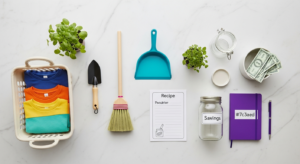
- Declutter and Organize: Regularly declutter your living and working spaces. Marie Kondo’s philosophy of keeping only items that “spark joy” can be a helpful guide. An organized space reduces visual noise and makes it easier to focus.
- Infuse Nature Indoors: Bring plants into your home and office. Studies show that indoor plants can improve air quality, reduce stress, and boost mood. Even a small pot of herbs on the kitchen counter can make a difference.
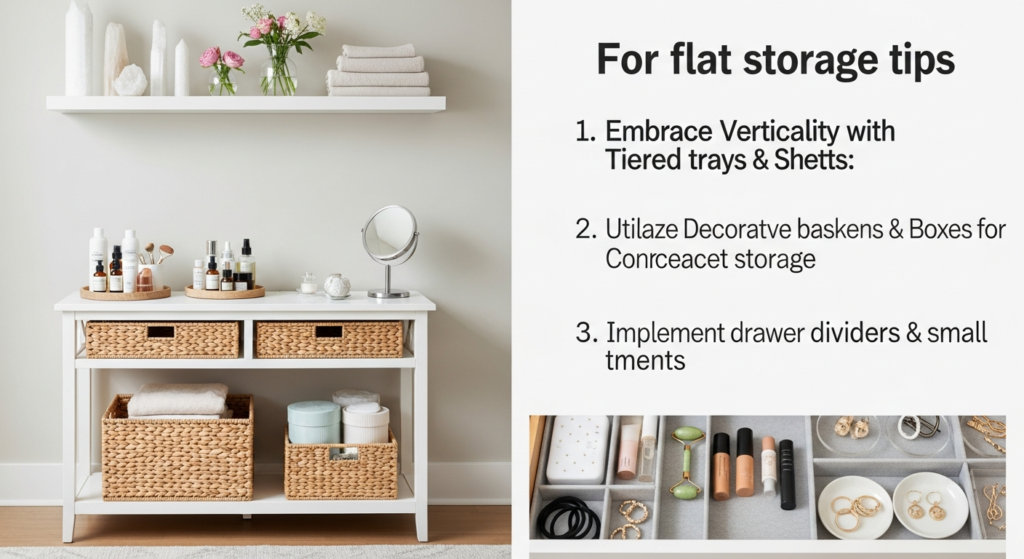
- Optimize for Comfort and Function: Ensure your home is a sanctuary. Invest in comfortable bedding, good lighting, and ergonomic furniture. Arrange your space to support your daily routines and self-care practices.
- Sensory Delights: Engage your senses to create a calming atmosphere. Use essential oil diffusers with calming scents like lavender, play soothing music, or light candles (safely).
- Minimize Digital Clutter: Beyond physical decluttering, regularly clean up your digital life – organize files, delete old emails, and unsubscribe from unnecessary newsletters.
- Practical Tip: The “One Area” Rule. Instead of feeling overwhelmed by a whole house, commit to decluttering and organizing one small area (e.g., a single drawer, a bookshelf, your desk) for 15-30 minutes each week.
By consciously curating your social circle and physical environment, you create an external ecosystem that supports your internal well-being, reinforcing all other aspects of your holistic self-care journey.
Building Your Personalized Holistic Self-Care Rituals: A Step-by-Step Approach
Embarking on a holistic self-care journey can feel daunting, given the many facets involved. The key is to remember it’s a marathon, not a sprint, and personalization is paramount. What works for one woman may not work for another. This practical holistic self-care guide for women offers a step-by-step approach to building sustainable, personalized rituals that genuinely serve you.
Step 1: Self-Assessment – Identify Your Current Needs
Before you can build, you must understand your foundation. Take stock of where you are right now across all dimensions of holistic well-being.
- Mental: How stressed do you feel? Is your mind racing? Do you experience brain fog or difficulty concentrating?
- Emotional: How well do you process emotions? Do you feel overwhelmed, irritable, or emotionally numb?
- Physical: What are your energy levels like? How’s your sleep, diet, and movement? Are you experiencing any chronic discomfort?
- Spiritual/Soul: Do you feel a sense of purpose? Are you connected to your values? Do you have outlets for creativity or reflection?
- Social/Environmental: Are your relationships supportive? Does your home environment feel nurturing or chaotic?
Actionable Tip: The Wheel of Wellness. Draw a circle and divide it into sections for each dimension. Rate your satisfaction in each area on a scale of 1-10. This visual tool helps identify areas needing the most attention.
Step 2: Prioritize – Start Small and Focused
Don’t try to overhaul everything at once. Pick one or two areas that feel most urgent or most accessible to change.
- Identify High-Impact Areas: Based on your self-assessment, which one or two areas would make the biggest difference if improved? For example, if your sleep is consistently poor, that might be your top priority.
- Choose One Small Action: Select one specific, manageable action within that priority area. Instead of “I’ll exercise more,” try “I will take a 15-minute walk during my lunch break three times a week.”
Actionable Tip: The “One Thing” Rule. For the next week, focus solely on consistently implementing that one small self-care action. Success builds momentum.
Step 3: Integrate and Ritualize – Make it a Habit
Consistency is the cornerstone of effective self-care. The goal is to weave these practices into the fabric of your daily life until they become non-negotiable rituals.
- Anchor Habits: Attach your new self-care practice to an existing daily habit. For instance, after your morning coffee, you’ll journal for 10 minutes.
- Create a “Self-Care Menu”: Have a list of go-to self-care activities (short, medium, long) that you can easily pick from depending on your time and energy levels.
- Schedule It: Block out dedicated time in your calendar for self-care, treating it with the same importance as any other appointment.
Actionable Tip: The Power Hour. Designate an hour each day (or a few times a week) specifically for your chosen self-care practices. This might be a morning ritual of meditation and journaling, or an evening ritual of a warm bath and reading.
Step 4: Review and Adjust – Stay Flexible
Life changes, and so will your needs. Holistic self-care is an ongoing process of tuning in and adapting.
- Weekly Check-in: At the end of each week, briefly review what worked, what didn’t, and how you feel.
- Be Kind to Yourself: There will be days you fall off track. Don’t let perfection be the enemy of progress. Simply acknowledge it and gently redirect yourself.
- Evolve Your Practices: As you master one area, you might feel called to introduce a new practice or deepen an existing one. For example, once short meditations are consistent, you might explore longer sessions or different types of meditation.
Actionable Tip: Journal Your Journey. Keep a running log of your self-care practices and how they make you feel. This provides valuable insights and motivation.
By following these steps, you can create a personalized, evolving holistic self-care guide for women that supports your unique journey toward total well-being. Remember, this is your path to becoming your most vibrant, resilient self.
Conclusion: Embrace Your Holistic Self-Care Journey
In a world that constantly demands more from women, the act of holistic self-care is not merely an indulgence; it is a radical, necessary commitment to your overall health, happiness, and longevity. This ultimate holistic self-care guide for women has illuminated the profound interconnectedness of your mind, body, and soul, demonstrating that true well-being blossoms when all dimensions are nurtured with intention and care. From cultivating mental clarity and emotional resilience to nourishing your physical vessel, elevating your spiritual essence, and fostering supportive relationships within a peaceful environment, each step contributes to a vibrant, more fulfilling existence.
Remember, this journey is deeply personal and ever-evolving. There will be days of effortless flow and days of struggle, but the crucial step is to simply begin. Start small, listen to your inner wisdom, and be patient and compassionate with yourself. By consistently choosing to honor your holistic needs, you’re not just improving your own life; you’re becoming a beacon of strength and inspiration for those around you. Take the first step today: identify one small, actionable change from this guide and integrate it into your life. Your well-being is worth it.
Frequently Asked Questions
What exactly does “holistic self-care” mean?▾
Why is holistic self-care particularly important for women?▾
How can I start incorporating holistic self-care into my busy schedule?▾
What are some examples of spiritual self-care that don’t involve religion?▾
How do I know if my self-care efforts are actually working?▾