Updated October 2023.
In a world increasingly focused on holistic wellness, more women are exploring dietary choices that support not just physical health, but also mental clarity, hormonal balance, and long-term vitality. Among these, a plant-based diet for women’s health has emerged as a powerful paradigm shift, offering a wealth of benefits from improved cardiovascular function to enhanced energy levels.
Moving beyond fleeting trends, this approach to eating champions nutrient-dense, whole foods derived from plants, empowering women to take proactive control of their well-being. This comprehensive guide from Veralyn Media is designed to equip you with the knowledge, practical strategies, and confidence to embark on or optimize your plant-powered journey, ensuring you truly thrive.
The Science of Plant-Based Nutrition for Women
The term “plant-based” often sparks curiosity, sometimes even confusion. At its core, a botanical or plant-centric diet emphasizes foods derived from plants, minimizing or entirely excluding animal products. It’s a spectrum, not a rigid dogma, encompassing everything from flexitarianism (mostly plants with occasional animal products) to vegetarianism (excluding meat) and veganism (excluding all animal products including dairy and eggs). For women, embracing this philosophy means prioritizing whole, unprocessed foods like fruits, vegetables, legumes, whole grains, nuts, and seeds, which are naturally rich in vitamins, minerals, fiber, and antioxidants.
The allure of a vegan lifestyle for women stems from several compelling factors. According to the World Health Organization (WHO), diets rich in whole grains, legumes, fruits, and vegetables are consistently associated with a lower risk of non-communicable diseases such as heart disease, type 2 diabetes, and certain cancers—conditions that disproportionately affect women or manifest differently. Beyond disease prevention, many women report increased energy, improved digestion, clearer skin, and easier weight management. Furthermore, the ethical and environmental considerations associated with plant-centric eating often resonate deeply with women, adding another layer of motivation.
It’s crucial to distinguish between a “whole-food” approach and simply consuming processed vegan products. While vegan burgers and dairy-free ice cream exist, true thriving focuses on nutrient density. Think a vibrant salad overflowing with kale, chickpeas, and avocado, or a hearty lentil stew, rather than highly processed, packaged goods that may lack essential nutrients despite being plant-derived. Mastering the skill of understanding food labels for healthier choices ensures you’re harnessing the full potential of plants for optimal wellness rather than falling into the trap of processed alternatives.
How to Define Your Dietary Path?
Reflect on your current eating habits and define what this lifestyle means for you initially. Are you aiming for “Meatless Mondays,” eating vegetarian most days, or committing to a fully vegan lifestyle? There’s no single right answer, and even small, consistent steps toward greater plant consumption yield significant benefits. Start by identifying one or two meals you can easily transform into meatless versions this week.
Types of Essential Nutrients and When to Supplement
One of the most common concerns for women considering a transition to veganism is adequate nutrient intake. While a well-planned regimen can provide all necessary nutrients, certain vitamins and minerals require mindful attention, particularly given women’s unique physiological needs. Prioritizing variety and understanding key sources will ensure you thrive. It is also highly recommended to consult resources on essential vitamins and supplements for women to bridge any potential nutritional gaps.
- Protein: Essential for muscle maintenance, hormone production, and enzyme function. Women often worry about protein deficiency, but it’s easily met with a diverse intake. Excellent sources include lentils, chickpeas, black beans, edamame, tofu, tempeh, quinoa, oats, nuts, seeds (chia, flax, hemp), and seitan. Combining different plant proteins throughout the day ensures you get all essential amino acids. For example, pairing rice with beans creates a complete protein profile. Studies show that plant protein intake can be just as effective as animal protein for muscle synthesis, especially when calorie intake is sufficient. For more on plant-based protein sources, explore our guides.
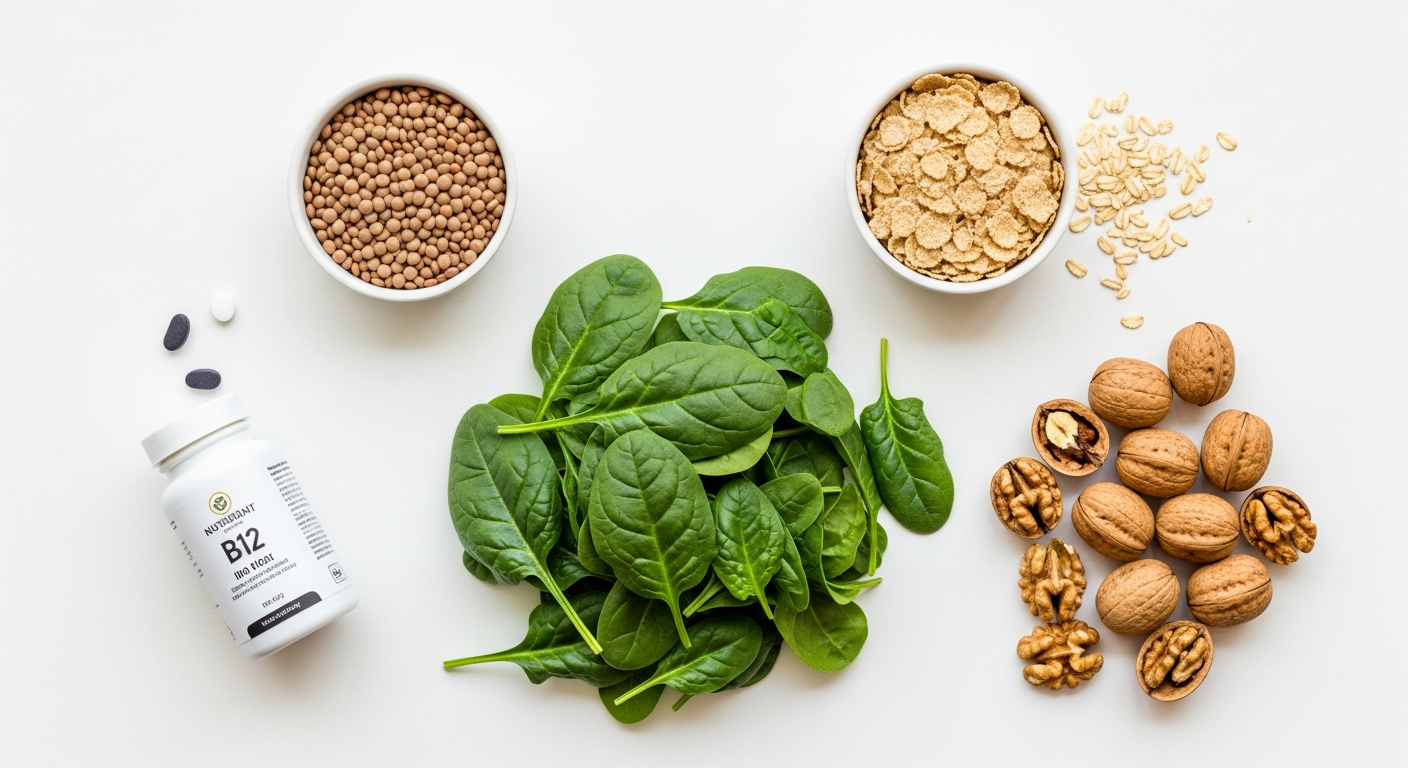
- Iron: Women, especially those of reproductive age, have higher iron needs due to menstruation. Iron is crucial for oxygen transport and energy. Non-heme iron from plants is absorbed differently than heme iron from animal products. To maximize absorption, consume iron-rich foods with Vitamin C. Sources: lentils, spinach, fortified cereals, black beans, kale, pumpkin seeds, dried apricots, and quinoa. Pair these with bell peppers, oranges, or broccoli.
- Vitamin B12: According to the National Institutes of Health (NIH), B12 is a non-negotiable supplement for all vegans and often for vegetarians. B12 is produced by bacteria, not plants or animals directly. It’s vital for nerve function, red blood cell formation, and DNA synthesis. Deficiency can lead to fatigue, neurological issues, and anemia. Fortified milks and nutritional yeast contain B12, but a reliable supplement (e.g., 250-1000 mcg cyanocobalamin daily or several times per week) is essential.
- Calcium: Crucial for bone health, nerve transmission, and muscle function. While dairy is often promoted for calcium, many botanical foods are excellent sources. These include fortified milks and yogurts (soy, almond, oat), calcium-set tofu, dark leafy greens (kale, collard greens, bok choy), sesame seeds (tahini), almonds, and fortified orange juice. Adequate Vitamin D is also critical for calcium absorption.
- Omega-3 Fatty Acids: Important for brain health, reducing inflammation, and cardiovascular function. Plant sources provide ALA (alpha-linolenic acid), which the body can convert into EPA and DHA, though the conversion rate varies. Good ALA sources are flaxseeds, chia seeds, hemp seeds, and walnuts. For a more direct source of EPA and DHA, consider an algae-based supplement, particularly during pregnancy or lactation.
- Iodine: Essential for thyroid hormone production, which regulates metabolism. While iodine is present in some sea vegetables, consumption should be moderate. Using iodized salt is a simple way to ensure adequate intake.
How to Consult and Supplement Wisely?
Work with a healthcare provider or a registered dietitian experienced in holistic nutrition. They can help assess your individual needs, recommend specific food choices, and advise on appropriate supplementation (especially B12, and potentially Vitamin D or algae-based DHA/EPA) based on blood tests and lifestyle.
[INLINE IMAGE 2: Plant-based protein sources: lentils, tofu, and nuts for women’s nutrition.]
Dietary Adjustments Across Different Life Stages
A woman’s nutritional needs evolve significantly throughout her lifespan. A well-planned botanical diet can adapt beautifully to these changes, supporting optimal health from adolescence to post-menopause. Understanding these stage-specific requirements is key to thriving.
- Adolescence and Puberty: This is a period of rapid growth, hormonal shifts, and bone development. Adolescent girls require ample calories, protein, iron, and calcium. Vegan diets can provide these, but attention to nutrient density is vital. Ensuring sufficient intake of legumes, whole grains, nuts, seeds, and calcium-fortified milks and tofu supports strong bones and manages iron needs related to the onset of menstruation.
- Reproductive Years, Pregnancy, and Lactation: The demands on a woman’s body are heightened during childbearing years. The American College of Obstetricians and Gynecologists (ACOG) emphasizes that nutrient requirements for folate, iron, calcium, choline, iodine, and DHA significantly increase during pregnancy. A meatless diet can be perfectly healthy, but meticulous planning and professional guidance are paramount. Key considerations include:
- Folate: Abundant in leafy greens, legumes, and fortified cereals, crucial for fetal development.
- Iron: Increased needs during pregnancy to support blood volume; regular monitoring and potentially supplementation under medical supervision are common.
- Calcium & Vitamin D: Essential for fetal bone development and maternal bone health.
- Vitamin B12: Absolutely critical for neurological development; supplementation is non-negotiable.
- DHA: Important for brain and eye development; algae-based supplements are recommended.
For women managing conditions like Polycystic Ovary Syndrome (PCOS) or endometriosis, a diet rich in fiber and anti-inflammatory foods may help manage symptoms, stabilize blood sugar, and support hormonal balance.
- Perimenopause and Menopause: As women transition into menopause, hormonal shifts can lead to symptoms like hot flashes, mood changes, and bone density loss. A plant-centric approach can play a supportive role.
- Bone Health: Continued focus on calcium-rich foods, Vitamin D, and weight-bearing exercise is crucial to combat bone demineralization.
- Phytoestrogens: Found in soy products, flaxseeds, and legumes, phytoestrogens have a weak estrogen-like effect and may help alleviate some menopausal symptoms like hot flashes for some women, though individual responses vary.
- Weight Management: The fiber and nutrient density of whole foods can support healthy weight management, which often becomes more challenging during menopause due to metabolic changes.
- Heart Health: Maintaining a heart-healthy diet remains vital as cardiovascular disease risk increases post-menopause. For more menopause nutrition tips, see our dedicated article.
- Senior Years: As women age, concerns shift to maintaining muscle mass, cognitive function, and nutrient absorption. A diet rich in antioxidants, fiber, and diverse nutrients can support healthy aging. Adequate protein intake from legumes and grains, continued attention to B12 and Vitamin D, and a focus on brain-boosting foods like berries, nuts, and leafy greens are highly beneficial.
How Does Plant-Based Eating Affect Hormones and Gut Health?
Beyond general well-being, a plant-centric lifestyle offers targeted benefits for some of the most common and impactful health concerns women face. The unique synergy of fiber, phytonutrients, antioxidants, and a generally lower saturated fat intake found in whole foods can be profoundly therapeutic.
- Hormonal Balance: Women’s health is intrinsically linked to hormonal equilibrium. A vegan diet can significantly contribute to this balance.
- Fiber: Abundant in whole foods, fiber plays a critical role in estrogen metabolism. It helps bind to excess estrogen in the digestive tract, facilitating its excretion and preventing reabsorption, which can be beneficial for conditions like PMS, endometriosis, and fibroids.
- Phytoestrogens: Compounds found in foods like flaxseeds, soy, and legumes can weakly bind to estrogen receptors. They may act as estrogenic or anti-estrogenic depending on the body’s needs, potentially helping to modulate hormonal fluctuations and offer protective effects.
- Magnesium: Found in leafy greens, nuts, and seeds, magnesium can help reduce PMS symptoms, including mood swings and cramps.
- Omega-3s: Crucial for reducing inflammation, which can impact hormone regulation.
- Gut Health & Digestion: The gut microbiome, a complex ecosystem of bacteria in our digestive tract, profoundly influences everything from immunity and mood to hormone regulation and nutrient absorption. Botanical diets are a powerhouse for gut health.
- Prebiotic Fiber: Feeds beneficial gut bacteria, leading to a more diverse and robust microbiome. This promotes regular bowel movements, reduces bloating, and enhances overall digestive comfort. Sources include onions, garlic, leeks, bananas, oats, and legumes.
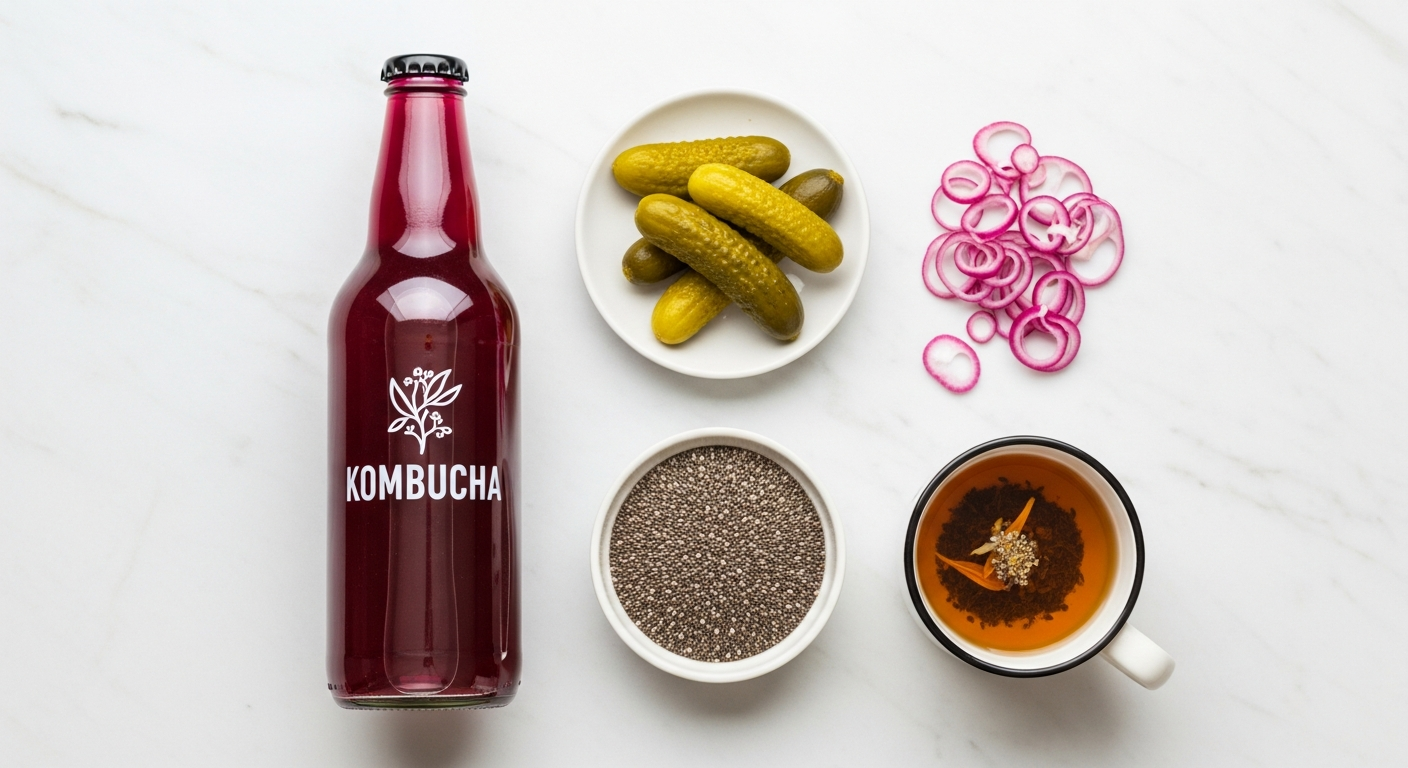
- Probiotic Foods: Fermented foods like kimchi, sauerkraut, tempeh, and dairy-free yogurts introduce beneficial bacteria directly into the gut.
- Reduced Inflammation: The absence of inflammatory compounds often found in animal products, combined with the anti-inflammatory properties of phytonutrients, creates an environment conducive to gut healing.
- Cardiovascular Health: Heart disease remains the leading cause of death for women. According to the American Heart Association (AHA), a vegetarian or vegan diet is a cornerstone of cardiovascular prevention and management.
- Zero Cholesterol: Botanical foods naturally contain no dietary cholesterol.
- Lower Saturated Fat: Generally much lower in saturated fat compared to animal-heavy diets.
- High Fiber: Soluble fiber helps lower LDL (“bad”) cholesterol.
- Antioxidants & Phytonutrients: Protect blood vessels from damage and reduce oxidative stress.
- Blood Pressure: Meatless diets are often associated with lower blood pressure, a key risk factor for heart disease.
- Bone Density: Osteoporosis and osteopenia are significant concerns for women, particularly post-menopause. While dairy is often touted, strong bones are built with a variety of nutrients and lifestyle factors.
- Calcium & Vitamin D: As discussed, abundant in fortified foods and sun exposure/supplementation.
- Vitamin K: Essential for bone mineralization, found in leafy greens like kale and spinach.
- Magnesium & Potassium: Both contribute to bone health and are plentiful in whole foods.
- Protein: Adequate protein, whether from plants or animals, is essential for bone matrix formation.
- Weight-Bearing Exercise: Crucial for stimulating bone growth and density.
- Energy Levels & Mood: Many women adopting a vegan diet report sustained energy and improved mood.
- Stable Blood Sugar: High fiber content helps regulate blood sugar, preventing the spikes and crashes that lead to fatigue and irritability.
- Nutrient Density: A rich supply of B vitamins (from whole grains, legumes), iron, and magnesium fuels cellular energy production.
- Gut-Brain Axis: A healthy gut microbiome produces neurotransmitters and influences brain function, impacting mood positively.
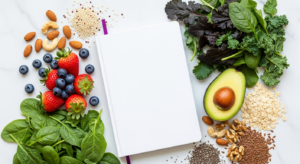
[INLINE IMAGE 4: Woman meditating and plant-based foods symbolizing hormonal balance and gut health.]
What Are the Best Strategies for Sustaining a Vegan Lifestyle?
Embarking on a new dietary journey can feel overwhelming at first, but with a structured approach, it becomes an enjoyable and sustainable lifestyle. Here are practical steps to help you transition smoothly and maintain your plant-powered habits.
- Start Gradually: Don’t feel pressured to overhaul your diet overnight. A gradual transition is often more successful.
- “Meatless Mondays”: Dedicate one day a week to vegetarian meals.
- One Meal a Day: Start with breakfast (e.g., oatmeal with berries and nuts) or lunch (e.g., a large veggie-packed salad or lentil soup).
- Swap Familiar Staples: Substitute animal products in your favorite dishes. Use lentils instead of ground beef in tacos, or chickpeas in a curry instead of chicken.
- Experiment with Dairy Alternatives: Try oat, almond, soy, or cashew milk in your coffee, smoothies, and cereals.
- Master Meal Planning & Prep: This is arguably the most crucial step for success.
- Discover New Recipes: Explore cookbooks, blogs, and cooking shows. Veralyn Media offers numerous recipes tailored for women’s wellness.
- Plan Your Meals: At the start of each week, jot down your breakfast, lunch, and dinner ideas. This reduces decision fatigue and impulse eating.
- Batch Cooking: Cook large quantities of staples like quinoa, brown rice, lentils, or roasted vegetables. These can be mixed and matched throughout the week for quick meals.
- Prep Ingredients: Wash and chop vegetables, portion out nuts and seeds, and make a batch of salad dressing.
- Smart Grocery Shopping & Mindful Eating: Navigating the supermarket effectively saves time, money, and ensures you have the right ingredients.
- Focus on the Perimeter: This is typically where fresh produce, whole grains, and legumes are found.
- Stock a Healthy Pantry: Keep staples like canned beans, lentils, whole grains (quinoa, brown rice, oats), pasta, nuts, seeds, nutritional yeast, and various spices on hand.
- Practice Mindful Eating for Weight Management: Pay attention to hunger cues and savor your meals. This practice is essential for managing cravings and emotional eating, ensuring you are eating for nourishment rather than stress.
- Dining Out & Social Situations: These can be challenging, but easily managed with a little forethought.
- Research Ahead: Check restaurant menus online for vegan options. Call ahead if unsure.
- Don’t Be Afraid to Ask: Politely inquire if dishes can be customized (e.g., “Can I have the pasta without cheese?” or “Is it possible to swap the chicken for extra vegetables?”).
- Bring a Dish: If attending a potluck, offer to bring a delicious meatless dish to share.
- Build a Support System: Connecting with others on a similar journey can provide motivation and practical tips.
- Online Communities: Join holistic nutrition forums or social media groups.
- Local Meetups: Seek out local vegan dining groups.
- Involve Your Household: Educate and involve family members in your journey, making it a shared experience.
Are Common Myths About Vegan Diets Actually True?
Despite the growing body of evidence supporting a holistic, plant-centric lifestyle, persistent myths often deter women from exploring this beneficial path. Let’s address and debunk some of the most common misconceptions.
Myth 1: “You won’t get enough protein.”
Reality: This is perhaps the most pervasive myth. As discussed earlier, legumes, tofu, tempeh, quinoa, nuts, seeds, and whole grains are abundant in protein. The human body is incredibly efficient and doesn’t require excessive protein. As long as you consume enough calories from a variety of whole foods, meeting your protein needs is straightforward. For active women, simply increasing portions of protein-rich foods or incorporating vegan protein powders can easily meet higher demands.
Myth 2: “It is expensive and inaccessible.”
Reality: While specialty vegan products can be pricey, a whole-food approach is often more affordable than one rich in meat and dairy. Staples like dried beans, lentils, rice, oats, seasonal fruits, and vegetables are incredibly economical. Buying in bulk, focusing on seasonal produce, and preparing meals at home significantly cut costs. Compare the price of a bag of dried lentils to a cut of steak – the botanical option is almost always cheaper and provides more servings.
Myth 3: “The food is boring and restrictive.”
Reality: This couldn’t be further from the truth! This lifestyle opens up a world of culinary possibilities. It encourages exploration of diverse grains, legumes, vegetables, fruits, herbs, and spices from global cuisines. From vibrant Indian curries to hearty Mediterranean stews, fresh Mexican salsas, and comforting Italian pasta dishes, the variety is endless. The focus shifts from a “main protein” to the exciting array of flavors and textures that nature offers, making meals creative and delicious.
Myth 4: “You’ll be constantly hungry or malnourished.”
Reality: Quite the opposite. Whole foods are typically rich in fiber and water, which contribute to satiety. Fiber slows digestion, keeping you feeling fuller for longer and stabilizing blood sugar, preventing energy crashes. As long as you’re consuming enough calories and a wide variety of nutrient-dense foods, malnourishment is highly unlikely. In fact, many women report improved digestion and less bloating due to the high fiber content.
Myth 5: “It is only for weight loss.”
Reality: While many women experience healthy weight loss or maintenance due to high fiber and lower calorie density, the benefits extend far beyond the scale. As highlighted throughout this guide, the primary drivers are improved cardiovascular health, hormonal balance, gut health, enhanced energy, disease prevention, and overall vitality. Weight management is often a positive side effect of a diet focused on whole, nourishing foods.
Embracing a Holistic Approach to Wellness
Embracing a holistic, plant-centric lifestyle is far more than just a dietary choice; it’s a profound commitment to self-care, longevity, and vitality. Throughout this comprehensive guide, we’ve explored how a diet rich in whole, unprocessed foods can revolutionize your energy levels, support hormonal equilibrium, optimize gut health, safeguard cardiovascular function, and strengthen your bones across every stage of life. We’ve armed you with key nutritional insights, practical strategies for seamless transitions, and debunked common myths, empowering you to navigate this journey with confidence and clarity.
The path to thriving is personal and evolves with you. It’s about mindful eating, intelligent planning, and a deep appreciation for the nourishment nature provides. Remember to listen to your body, celebrate every healthy meal, and consult with healthcare professionals or registered dietitians who can offer tailored guidance for your unique needs. Your journey to optimal wellness and vitality begins with the powerful, delicious choices you make every day.
What is Your Next Step for Exploration?
Ready to deepen your understanding or find delicious recipes? Explore more resources on Veralyn Media dedicated to women’s physical fitness and nutrition, or connect with a registered dietitian to create a personalized plan that helps you flourish.
Frequently Asked Questions
Is a vegan diet safe during pregnancy?
Yes, with careful planning and nutrient supplementation (especially B12, DHA, iron, iodine), a well-planned regimen can be very healthy and support optimal outcomes during pregnancy. Consulting a healthcare provider or registered dietitian is highly recommended.
How do women get enough calcium for bone health without dairy?
Excellent sources include fortified milks and yogurts, calcium-set tofu, fortified orange juice, dark leafy greens (like kale and collard greens), sesame seeds, and almonds. Adequate Vitamin D from sun exposure or supplements is also crucial for calcium absorption and utilization.
Will I struggle with protein if I stop eating meat?
No, sufficient protein is easily achievable. Prioritize a variety of sources such as legumes (lentils, beans, chickpeas), tofu, tempeh, edamame, nuts, seeds, and whole grains (quinoa, oats). Combining different proteins throughout the day ensures all essential amino acids are consumed.
Can this lifestyle help with hormonal imbalances like PMS or PCOS?
Many women report improvements. The high fiber content aids in estrogen detoxification, while its anti-inflammatory properties and nutrient density can support overall endocrine function and blood sugar regulation, which are key for managing conditions like PMS and PCOS. Individual results may vary, and medical advice should always be sought.
Do I need to take supplements?
Vitamin B12 is universally recommended for all vegans and vegetarians. Depending on individual diet, location, and sun exposure, Vitamin D, Omega-3s (algae-based EPA/DHA), iron, and iodine might also be beneficial. Regular blood tests and consultation with a healthcare professional can help determine your specific needs.
Sources & References
- World Health Organization (WHO). “Healthy Diet Fact Sheet.” WHO.int.
- National Institutes of Health (NIH) Office of Dietary Supplements. “Vitamin B12 Fact Sheet for Health Professionals.”
- American Heart Association (AHA). “Vegetarian, Vegan and Meals Without Meat.” Heart.org.
- American College of Obstetricians and Gynecologists (ACOG). “Nutrition During Pregnancy.”
Reviewed by Dr. Elena Petrova, MD, Medical Reviewer — Last reviewed: October 2023