How to Talk to Kids About Body Image: A Comprehensive Guide for Parents
Understanding the Landscape: Why Body Image Matters More Than Ever for Kids
The concept of body image — how we perceive and feel about our physical appearance — begins to form surprisingly early in life. While once considered an issue primarily affecting teenagers, research now shows that children as young as three can exhibit body dissatisfaction. The pressures are multifaceted and ever-increasing:
- Media Saturation: From television shows and movies to advertisements and online content, children are constantly exposed to idealized, often unrealistic, body types. These portrayals frequently link thinness or muscularity with happiness, success, and popularity.
- Social Media’s Pervasive Influence: For pre-teens and teenagers, social media platforms are a minefield of comparison. Curated highlight reels, filters that alter appearance, and the relentless pursuit of “likes” can severely impact self-esteem and foster a sense of inadequacy. Studies consistently link increased social media use with higher rates of body dissatisfaction and disordered eating behaviors among young people.
- Peer Culture: As children grow, their peers become a significant source of influence. Teasing, bullying, and comments about appearance, even if seemingly innocent, can leave lasting scars. The desire to fit in and conform to perceived group norms often drives unhealthy comparisons.
- Diet Culture: Despite growing awareness, diet culture continues to permeate society, subtly and overtly. Messages about “good” and “bad” foods, weight loss, and the pursuit of a specific body size can be absorbed by children, leading to anxiety around food and their bodies.
Given these pervasive influences, proactive and consistent conversations about body image are not just helpful; they are essential. Our goal isn’t to shield them entirely from the world, but to equip them with the critical thinking skills, self-compassion, and internal resilience to navigate it healthily.
Laying the Foundation: Cultivating a Positive Home Environment
The home is where children learn their most fundamental lessons about themselves and the world. Creating an environment that nurtures positive body image is the most powerful first step you can take.
Model Self-Acceptance and Positive Self-Talk
Children are master observers. They watch how you talk about your own body, how you interact with food, and how you react to your reflection. If they consistently hear you criticizing your weight, lamenting perceived flaws, or expressing dissatisfaction with your appearance, they are likely to internalize these messages. Conversely, if you demonstrate self-compassion and appreciation for your body’s capabilities, they will learn to do the same.
- Practice Body Gratitude: Instead of focusing on what your body isn’t, talk about what it does for you. “My legs are strong and carry me on amazing adventures.” “My hands are so clever at creating things.” This shifts the focus from appearance to function and capability.
- Avoid Negative Self-Talk: Be mindful of how you speak about your own body, even casually. Phrases like “I look so fat in this” or “I need to lose weight” are absorbed by young ears. Challenge these thoughts internally and try to reframe them.
- Embrace Body Diversity: Comment positively on the diverse range of bodies you see in the world, whether in books, on TV, or in real life. “Isn’t it amazing how different everyone looks? Our bodies are all unique and wonderful.”
Mindful Language Around Food and Bodies
The words we use around food and bodies have a profound impact. Avoid labeling foods as “good” or “bad,” which can create guilt and an unhealthy relationship with eating. Instead, focus on balance, nourishment, and enjoyment.
- Focus on Nourishment: Talk about food in terms of what it does for our bodies – giving us energy to play, helping us grow strong, keeping us healthy. “This apple gives us great energy for running around!” or “These vegetables help our bodies fight off sickness.”
- Avoid Weight-Focused Language: Steer clear of comments about your child’s weight or body size, even if well-intentioned. Comments like “You’re getting so big!” or “Maybe you shouldn’t eat another cookie” can instill shame. Instead, focus on their overall health and well-being.
- Challenge Gender Stereotypes: Be conscious of how you reinforce gendered expectations around appearance. Avoid comments like “Girls need to be pretty” or “Boys need to be strong.” Emphasize that all bodies are capable and valuable, regardless of gender.
Focus on Health, Not Weight
True health encompasses physical, mental, and emotional well-being, and it’s not dictated by a number on a scale. Shift the conversation from weight to healthy habits.
- Promote Joyful Movement: Encourage physical activity as a source of fun, energy, and strength, rather than a means to control weight. Explore different sports, dancing, hiking, or simply playing outdoors.
- Balanced Eating: Teach children about a wide variety of foods and how they contribute to overall health. Encourage intuitive eating – listening to their body’s hunger and fullness cues.
- Prioritize Sleep and Self-Care: Emphasize that taking care of our bodies also includes getting enough rest, managing stress, and nurturing our minds.
The Art of Conversation: Age-Appropriate Strategies for Different Stages
Talking about body image isn’t a one-time conversation; it’s an ongoing dialogue that evolves as your child grows. Here’s how to tailor your approach:
Little Explorers (Ages 3-6)
At this age, children are starting to notice differences in bodies and appearances. Keep conversations simple, positive, and focused on function and diversity.
- Read Diverse Books: Choose children’s books that feature characters with a wide range of body shapes, skin tones, abilities, and cultural backgrounds. Point out the beauty in these differences.
- Focus on What Bodies Can Do: “Your legs are so strong for running!” “Your hands are so good at building towers!” Celebrate their physical capabilities.
- Identify Emotions, Not Appearance: If a child expresses a negative thought about their body, validate their feeling but redirect. “I hear you’re feeling sad about your hair today. Remember, your hair helps keep your head warm and it’s so soft to touch.”
- “Body Safety” Conversations: Use age-appropriate language to teach children about their private parts and the importance of saying “no” to unwanted touch. This helps them understand their body belongs to them.
Curious Minds (Ages 7-10)
Children in this age group are becoming more aware of social comparisons and media messages. This is a crucial time to build their media literacy skills.
- Open Dialogue About Differences: When they ask about someone’s body size or shape, respond with curiosity and acceptance. “Yes, people come in all different sizes and that’s what makes the world interesting.”
- Introduce Media Literacy: Start talking about how images are created and altered. “Do you think that person really looks like that, or do you think a computer helped make the picture look a certain way?” Explain filters and photo editing.
- Emphasize Inner Qualities: Shift focus from appearance to character traits. Praise kindness, intelligence, creativity, and perseverance. “I love how persistent you are when you’re trying to learn something new.”
- Address Teasing: If your child mentions teasing, validate their feelings and brainstorm strategies for responding or seeking help. Remind them that hurtful comments reflect more on the person saying them than on the recipient.
Navigating the Storm (Ages 11-14)
Puberty brings significant body changes, and social media becomes a dominant force. This stage requires empathy, active listening, and continued guidance.
- Validate Their Feelings: Puberty can be awkward and confusing. Listen without judgment when they express insecurities about their changing body. “It’s totally normal to feel a bit strange about your body changing. Lots of kids feel that way.”
- Deepen Media Literacy: Discuss the curated nature of social media feeds and the mental health impact of constant comparison. Talk about influencers and advertising. “Remember, what you see online is often someone’s highlight reel, not their everyday life. And many influencers are paid to promote certain products or looks.”
- Encourage Critical Thinking: Ask open-ended questions. “What messages do you think this ad is sending about what’s beautiful?” “How does looking at these types of images make you feel?”
- Healthy Boundaries with Social Media: Work together to set realistic limits on screen time and discuss privacy settings.
- Focus on Performance and Health: Continue to emphasize what their bodies can do. Encourage sports, hobbies, and activities that build confidence and strength, rather than focusing on appearance.
Empowering Young Adults (Ages 15+)
Teenagers are developing their own identities and values. Your role shifts to being a supportive resource and sounding board.
- Maintain Open Communication: Keep the lines of communication open. Let them know you’re always there to listen without judgment.
- Discuss Systemic Issues: Talk about the societal pressures that contribute to body image issues, including sexism, racism, and ableism. This helps them contextualize their experiences and understand it’s not a personal failing.
- Promote Self-Care: Encourage practices that support their mental and physical well-being: adequate sleep, balanced nutrition, stress management techniques, and activities they genuinely enjoy.
- Seek Professional Help Together: If you notice significant distress or signs of disordered eating, offer to help them find a therapist or counselor specializing in body image and adolescent mental health.
Battling External Influences: Media Literacy and Peer Pressure
In today’s digital age, empowering children to critically evaluate external messages is paramount.
Decoding Digital Messages
Social media and digital platforms are powerful shapers of body image. Equip your child with the skills to navigate them.
- The “Filter” Conversation: Show them how filters and editing apps work. Let them experiment with filters to see how easily images can be manipulated. This demystifies the “perfect” images they see online.
- Unfollow and Diversify Feeds: Encourage them to unfollow accounts that make them feel bad about themselves and to seek out content creators who promote body diversity, self-acceptance, and mental well-being.
- Question the “Why”: Teach them to ask: “Why was this image created? What is it trying to sell me? Who benefits from me feeling bad about myself?”
Building Resilience Against Peer Pressure
Peer comments can be incredibly impactful. Help your child develop a strong sense of self-worth that isn’t dependent on external validation.
- Practice Responses: Role-play how to respond to insensitive comments or teasing. Simple phrases like “My body is my business” or “I like my body just the way it is” can be empowering.
- Cultivate Strong Values: Help them identify their core values (kindness, integrity, creativity) and understand that these are far more important than how they look.
- Nurture Authentic Friendships: Encourage friendships based on shared interests and mutual respect, rather than superficial criteria.
What to Do When Concerns Arise: Recognizing Red Flags and Seeking Support
Despite our best efforts, children can still struggle. It’s important to know when to seek additional help.
Recognizing Red Flags
Be aware of changes in behavior, mood, and eating patterns that might signal a deeper issue. These are not exhaustive lists, but common indicators:
- Obsessive Thoughts/Behaviors: Constantly talking about weight, calories, or body shape; frequently checking their appearance in mirrors; excessive exercising; secretive eating behaviors.
- Changes in Eating Habits: Restricting food intake, skipping meals, developing rituals around food, sudden strong preferences or aversions, binging, purging.
- Emotional Distress: Increased anxiety, depression, irritability, withdrawal from social activities, low self-esteem, perfectionism, mood swings.
- Physical Symptoms: Rapid weight loss or gain, fatigue, dizziness, frequent stomach aches or headaches, loss of menstrual period (for girls).
If you notice any of these signs, approach the situation with compassion and concern, not blame.
Seeking Professional Support
Don’t hesitate to reach out for professional help. Early intervention is key for body image issues and potential eating disorders.
- Talk to Your Pediatrician: Your child’s doctor can rule out any underlying medical issues and provide referrals to specialists.
- Consult a Therapist or Psychologist: Look for professionals specializing in adolescent mental health, body image, and eating disorders. Cognitive Behavioral Therapy (CBT) and Family-Based Treatment (FBT) are often effective.
- Registered Dietitian: A dietitian specializing in intuitive eating or eating disorders can help your child develop a healthy relationship with food without focusing on restriction or weight.
Remember, seeking help is a sign of strength and love, not failure. You are providing your child with the best possible support system.
Practical Tools & Activities to Reinforce Positive Body Image
Beyond conversations, incorporating fun and engaging activities can solidify positive body image lessons.
- “My Amazing Body” Journal: Encourage younger children to draw or write about what their body can do, not how it looks. Older children can use it to practice gratitude for their body’s functions and track feelings, not food.
- Mindful Movement: Introduce yoga, dance, or martial arts. These activities foster body awareness, strength, and self-expression, often without the competitive pressure of team sports. Many apps offer kid-friendly guided meditations or yoga flows.
- Creative Expression: Engage in art, music, or drama. These outlets allow children to express emotions and build confidence in their unique talents, shifting focus away from physical appearance.
- “Media Detective” Game: When watching TV or scrolling online together, turn it into a game. “What’s real here? What do you think is fake or edited?” “What message is this trying to send?”
- Cooking Together: Involve children in meal preparation. This teaches them about nutrition, diverse foods, and the joy of creating something nourishing, without focusing on calories or weight.
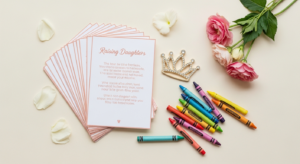
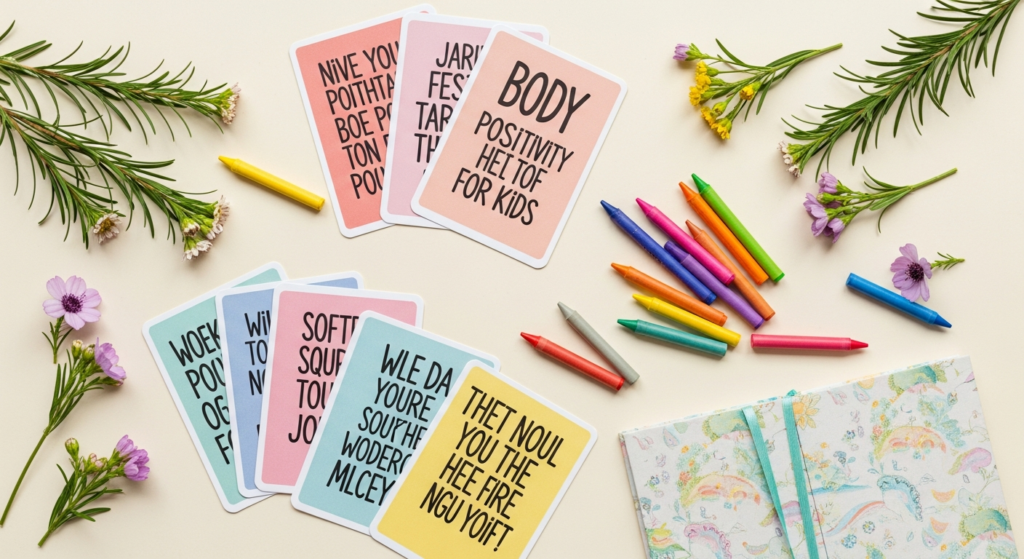
- Affirmation Cards: Create or purchase cards with positive affirmations about self-worth, strength, and uniqueness. Encourage your child to pick one daily or keep them in visible places.