Fueling Family Life: Your Ultimate Guide to Healthy Meal Prep for Busy Families in 2026
At Veralyn Media, we believe in empowering you with knowledge and practical tools to thrive. This comprehensive guide isn’t about rigid rules or unattainable perfection; it’s about providing you with science-backed strategies, step-by-step guidance, and a compassionate understanding of your daily juggle. We’ll explore how intelligent meal planning and preparation can transform your family’s health, save you money, reduce stress, and even foster deeper connections around the dinner table. So, take a deep breath, grab a cup of tea, and let’s unlock the secrets to making healthy eating a joyful, manageable part of your busy family life.
Why Meal Prep is Your Family’s Secret Weapon (Beyond Just Saving Time)
When you hear “meal prep,” your mind might immediately jump to saving time, and while that’s a huge benefit, the advantages extend far beyond the clock. For busy families, particularly the women often shouldering the mental load of household management, healthy meal prep is a multifaceted strategy that supports overall well-being. It’s about reclaiming control, making intentional choices, and nurturing your family from the inside out.
Nutritional Control & Enhanced Health: One of the most significant benefits is the ability to dictate exactly what goes into your family’s meals. When you prep, you’re choosing fresh, whole ingredients, balancing macronutrients (proteins, carbohydrates, healthy fats), and packing in an abundance of vitamins and minerals. This proactive approach helps your family avoid the hidden sugars, excessive sodium, unhealthy fats, and artificial additives often found in takeout or highly processed convenience foods. Research consistently shows that home-cooked meals are associated with healthier dietary patterns, lower risk of chronic diseases, and better weight management. By front-loading your food decisions, you’re building a foundation for sustained energy, improved mood, stronger immune systems, and better cognitive function for every family member.
Significant Budget Savings: The cost of eating out or relying on pre-packaged meals adds up rapidly. Meal prepping allows you to buy ingredients in bulk, take advantage of sales, and significantly reduce food waste, which is a major drain on household budgets. When you have a plan, you’re less likely to make impulse purchases at the grocery store or resort to expensive last-minute takeout when hunger strikes. Imagine redirecting those saved dollars towards family experiences, a new hobby, or simply building your financial cushion – it’s a tangible benefit that impacts more than just your plate.
Stress Reduction & Mental Peace: The “what’s for dinner?” dilemma is a daily source of stress for many parents. Decision fatigue is real, and by the end of a long day, the idea of planning, shopping, and cooking can feel overwhelming. Meal prep eliminates this daily scramble. When dinner is largely prepped or ready to assemble, you experience a profound sense of relief. This reduction in cognitive load frees up mental energy for more meaningful interactions with your family, pursuing personal interests, or simply unwinding. It’s an act of self-care disguised as meal planning.
Time Efficiency & Reclaiming Evenings: While meal prep requires an initial time investment (typically 1-3 hours on a designated day), it pays dividends throughout the week. Instead of daily cooking, you’re consolidating tasks like chopping, cooking grains, and preparing proteins. This means that on busy weeknights, dinner can be on the table in minutes, allowing more time for homework help, playtime, family walks, or simply relaxing together. Imagine having your evenings back, free from the tyranny of the stove!
Fostering Healthy Habits & Family Bonding: Meal prep isn’t just for you; it’s an opportunity to involve your family. Kids who participate in meal preparation are often more willing to try new foods and develop a greater appreciation for healthy eating. It teaches valuable life skills, fosters teamwork, and creates shared experiences. When healthy meals are the norm, children grow up with a stronger foundation for making nutritious choices themselves, setting them up for a lifetime of well-being.
In essence, healthy meal prep is more than just cooking in advance; it’s a strategic investment in your family’s health, your financial stability, and your personal peace of mind. It’s an empowering tool for women who want to nourish their loved ones effectively and efficiently, transforming daily mealtime from a source of stress into a moment of connection and sustained well-being.
Laying the Foundation: Your Meal Prep Blueprint for Success
Embarking on a meal prep journey might seem daunting at first, but with a clear blueprint and a strategic approach, it becomes an incredibly rewarding habit. Think of this as your step-by-step guide to building a sustainable system that works for your unique family dynamics. The key is to start small, be flexible, and gradually build confidence.
Step 1: The Mindset Shift – From Chore to Empowerment
Before you even pick up a knife, shift your perspective. Instead of viewing meal prep as another item on your to-do list, see it as an act of love for your family and self-care for yourself. It’s an investment in your family’s health, your budget, and your peace of mind. This positive outlook will fuel your motivation, especially on weeks when you feel less enthusiastic.
Step 2: Assess & Plan – The Heart of Successful Prep
- Family Preferences & Dietary Needs: Sit down with your family (if age-appropriate) and discuss favorite meals, ingredients they love, and any allergies or dietary restrictions (vegetarian, gluten-free, etc.). Involving everyone increases buy-in.
- Map Your Week: Look at your family’s upcoming schedule. Identify your busiest nights – these are the evenings where prepped meals will be your lifeline. Note any nights you plan to eat out, have leftovers, or need a quick, no-cook option.
- Pantry & Fridge Inventory: Before planning, check what you already have. This prevents food waste and helps you build meals around existing ingredients, saving money.
- Theme Nights (Optional, but Recommended): Simplify decision-making by assigning themes: Meatless Monday, Taco Tuesday, Pasta Wednesday, Stir-fry Thursday, Pizza Friday (homemade, of course!). This framework can significantly reduce planning fatigue.
- Recipe Selection & Versatility: Choose 3-5 recipes that excite you and that can share common ingredients or components. Look for recipes that are freezer-friendly, easily scalable, and adaptable. For example, roasted chicken can be used in salads, wraps, or as a main dish.
- Make a Detailed Shopping List: Group items by grocery store section (produce, dairy, pantry, meat). This saves time and ensures you don’t forget anything.
Step 3: Smart Shopping – Your Time and Money Ally
- Stick to Your List: Impulse buys can derail your budget and meal plan.
- Buy in Bulk Strategically: Items like grains, nuts, seeds, and certain proteins can be cost-effective in larger quantities, but only if you’ll use them.
- Embrace Online Grocery Services: For busy parents, services like Instacart, Amazon Fresh, or your local grocery store’s delivery/pickup option can be a game-changer. It saves travel time and helps you avoid impulse purchases.
- Shop Seasonal: Seasonal produce is often fresher, more flavorful, and more affordable.
Step 4: Dedicated Prep Time – The Magic Hour(s)
- Block It Out: Choose a consistent time each week (e.g., Sunday afternoon, Saturday morning) and commit to it. Treat it like an important appointment. For beginners, start with 1-2 hours. As you get more efficient, you might expand to 3.
- Listen to Music or a Podcast: Make the experience enjoyable!
- Clean as You Go: This makes post-prep cleanup much less daunting.
Step 5: Smart Storage Solutions – Preserve Freshness and Flavor
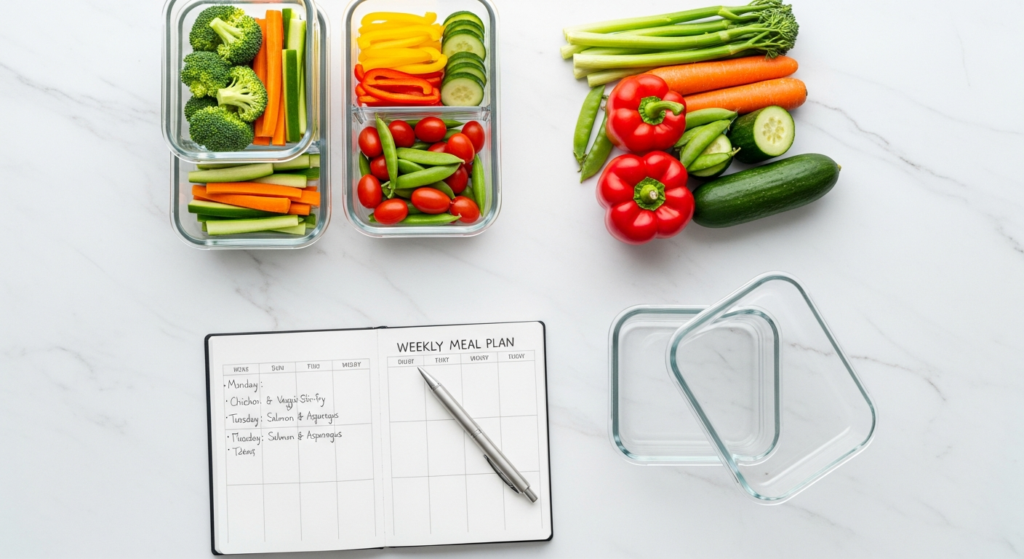
- High-Quality Containers: Invest in a good set of airtight containers. Glass containers are excellent for reheating and durability, while BPA-free plastic is lighter and great for lunchboxes. Look for containers with dividers for portion control or separating components.
- Label Everything: Date your containers with the meal name and prep date. This is crucial for food safety and knowing what to eat when.
- Cool Completely: Always allow food to cool completely before sealing and refrigerating/freezing to prevent condensation and bacterial growth.
Essential Tools & Gadgets to Streamline Your Prep:
- Sharp Knives & Cutting Boards: A good chef’s knife makes a world of difference.
- Food Processor: Ideal for chopping large quantities of vegetables, making sauces, or shredding cheese.
- Slow Cooker or Instant Pot: Fantastic for hands-off cooking of proteins, stews, and grains.
- Sheet Pans: For roasting multiple vegetables or proteins at once.
- Measuring Cups & Spoons: Accuracy is key for consistent results.
- Reusable Storage Bags: Great for freezing smoothie packs, chopped veggies, or marinades.
By establishing this blueprint, you’re not just cooking; you’re building a system that nurtures your family and empowers you to navigate the demands of modern life with greater ease and confidence. Remember, consistency over perfection is the goal.
Smart Strategies for Maximum Impact: Prep Techniques and Ideas
Once you have your foundation, it’s time to dive into the practical techniques that will make your meal prep truly shine. The goal here is versatility and efficiency – getting the most mileage out of your ingredients and your time. These strategies focus on preparing components that can be mixed and matched, minimizing boredom, and maximizing flavor.
1. Batch Cooking Staples: Your Weekly Building Blocks
This is the cornerstone of effective meal prep. Cook large quantities of foundational ingredients that can be incorporated into various meals throughout the week.
- Grains: Cook a big batch of brown rice, quinoa, farro, or couscous. These are perfect bases for bowls, salads, or as a side dish. Store in airtight containers for up to 5 days.
- Roasted Vegetables: Chop and roast a variety of vegetables (broccoli, bell peppers, sweet potatoes, carrots, zucchini) with olive oil, salt, and pepper. They add flavor, fiber, and nutrients to almost any meal. Store for 3-4 days.
- Cooked Proteins: Prepare versatile proteins like shredded chicken breast (baked, boiled, or Instant Pot), ground turkey or beef (seasoned), hard-boiled eggs, or cooked lentils/beans. These can be added to salads, wraps, pasta, or bowls. Store for 3-5 days.
Pro Tip: Use an Instant Pot for grains and chicken, and multiple sheet pans for roasting veggies simultaneously.
2. “Assembly Line” Meals: Quick & Customizable Dinners
- Taco/Burrito Bowls: Prep seasoned ground meat/beans, cooked rice, chopped lettuce, salsa, guacamole, and shredded cheese. Everyone builds their own bowl.
- Salad Jars/Bowls: Layer dressing at the bottom, then hard vegetables (carrots, cucumbers), grains/protein, soft veggies/fruit, and greens on top. Shake and serve.
- Pasta Dishes: Cook pasta ahead of time (store with a drizzle of olive oil to prevent sticking). Prepare a big batch of marinara or pesto. On demand, heat sauce, add pasta, and any pre-cooked protein or veggies.
- Stir-Fries: Chop all vegetables and protein (chicken, beef, tofu) in advance. Store separately. On cooking night, just sauté quickly with a pre-made sauce.
3. Freezer-Friendly Favorites: Your Emergency Meal Stash
Batch cook meals that freeze well, providing a safety net for those truly chaotic days when even assembly isn’t an option.
- Soups & Stews: Chili, lentil soup, chicken noodle soup, beef stew. Portion into individual servings or family-sized containers.
- Casseroles: Lasagna, shepherd’s pie, enchiladas. Assemble and freeze unbaked or baked.
- Breakfast Burritos/Sandwiches: Assemble, wrap individually, and freeze. Reheat in microwave or oven.
- Muffins & Baked Goods: Healthy banana bread, oatmeal muffins. Great for grab-and-go breakfasts or snacks.
Pro Tip: Freeze flat in bags to save space, then transfer to containers once solid.
4. Snack Attack Prevention: Healthy Options Always Ready
Prevent unhealthy snacking by having nutritious options readily available.
- Pre-Portioned Fruits & Veggies: Wash and chop carrots, celery, bell peppers, apples, and berries. Store in individual bags or containers.
- Energy Balls/Bars: Homemade with oats, nuts, seeds, and dried fruit.
- Hard-Boiled Eggs: A protein-packed, quick snack.
- Trail Mix: Make your own with nuts, seeds, and a small amount of dried fruit.
5. Breakfast Builders: Start the Day Strong
Mornings are often the most rushed. Prepping breakfast can make a huge difference.
- Overnight Oats: Mix oats, milk (dairy or non-dairy), chia seeds, and desired toppings (fruit, nuts) in a jar. Ready to eat by morning.
- Smoothie Packs: Portion fruit, spinach, and protein powder into freezer bags. On busy mornings, just add liquid and blend.
- Egg Muffins/Frittatas: Whisk eggs with chopped veggies, cheese, and cooked protein. Bake in muffin tins. Freeze well.
6. Lunchbox Heroes: Beyond the Sandwich
Make packing school and work lunches a breeze.
- Leftovers: The simplest lunch prep! Cook extra dinner to pack for lunch the next day.
- Wraps & Pinwheels: Spread hummus/cream cheese on a tortilla, add pre-sliced turkey/veggies, roll tightly, and slice.
- Bento Box Style: Pack a variety of small, prepped items: cheese cubes, whole-grain crackers, cucumber slices, grapes, hard-boiled egg.
Remember, the goal is to find what works best for your family and gradually build your repertoire. Don’t feel pressured to implement all these strategies at once. Choose one or two that resonate most, master them, and then slowly integrate others. This iterative approach ensures that meal prep remains a source of empowerment, not another source of stress.
Nutrition Nudges: Ensuring Your Prepped Meals Are Powerhouses
While meal prepping is a fantastic strategy for convenience, the true magic lies in what you’re prepping. For Veralyn Media, our focus is always on holistic health, and that means ensuring your family’s prepped meals are not just quick, but also nutritionally robust. Here’s how to make sure your efforts translate into vibrant health for every member of your busy family.
1. Embrace Balanced Plates: The Macro-Nutrient Magic
Every meal should ideally contain a balance of macronutrients to provide sustained energy, satiety, and optimal body function.
- Protein Power: Essential for growth, repair, and muscle maintenance. Include lean meats (chicken, turkey), fish (salmon, cod), eggs, legumes (beans, lentils), tofu, tempeh, and Greek yogurt. Protein helps keep blood sugar stable and keeps you feeling full longer.
- Fiber-Rich Complex Carbohydrates: These are your body’s preferred energy source. Opt for whole grains (brown rice, quinoa, whole-wheat pasta, oats), starchy vegetables (sweet potatoes, butternut squash), and legumes. Fiber is crucial for digestive health, blood sugar regulation, and heart health.
- Healthy Fats: Crucial for hormone production, nutrient absorption, and brain health. Incorporate avocados, nuts, seeds (chia, flax, hemp), olive oil, and fatty fish. These add flavor, satiety, and essential fatty acids.
Science-Backed Tip: Research published in the journal ‘Nutrients’ highlights that a balanced intake of macronutrients, particularly adequate protein and fiber, is key for managing appetite, preventing overeating, and supporting overall metabolic health.
2. The Rainbow on Your Plate: Maximize Fruits and Vegetables
Aim to “eat the rainbow” with a wide variety of colorful fruits and vegetables. Each color often signifies different phytonutrients and antioxidants, which are vital for protecting cells, boosting immunity, and reducing inflammation.
- Incorporate into Every Meal: Add spinach to smoothies, bell peppers to egg muffins, roasted broccoli to grain bowls, berries to overnight oats.
- Prioritize Seasonal Produce: It’s often fresher, more flavorful, and packed with nutrients.
- Don’t Forget Legumes: Beans and lentils are powerhouses of fiber and plant-based protein. Add them to soups, stews, salads, and tacos.
Holistic Health Insight: A diverse intake of plant foods also feeds your gut microbiome, which is intimately linked to digestion, immunity, and even mood.
3. Smart Seasoning & Sauce Choices: Flavor Without the Flaws
Sauces and seasonings can make or break a meal, both in terms of flavor and nutrition.
- Limit Added Sugar & Sodium: Many store-bought sauces (teriyaki, BBQ, salad dressings) are loaded with sugar and sodium. Opt for low-sodium versions or, even better, make your own.
- Herb & Spice Power: Use fresh or dried herbs and spices generously. They add incredible flavor and boast numerous health benefits (anti-inflammatory, antioxidant properties). Think garlic, onion powder, paprika, cumin, oregano, basil, turmeric.
- Homemade Dressings: Whisk together olive oil, vinegar (apple cider, balsamic), Dijon mustard, and herbs for a healthier, fresher alternative.
4. Hydration is Key: Don’t Forget the Water
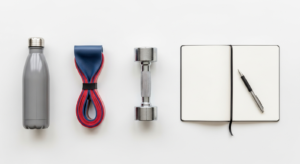
While not strictly meal prep, remembering to hydrate is a crucial part of holistic well-being. Prep water bottles for each family member at the start of the week, making it easier to grab and go. Infuse water with fruit or cucumber for a refreshing twist.
Avoiding Common Meal Prep Pitfalls:
- Overcooking Vegetables: This can degrade nutrient content. Aim for tender-crisp when roasting or steaming.
- Relying Too Heavily on Processed “Shortcuts”: While some pre-chopped veggies are fine, be mindful of overly processed sauces or pre-marinated meats that might contain excessive sodium or additives.
- Lack of Variety: Eating the same thing every day can lead to nutrient deficiencies and boredom. Rotate your recipes and ingredients.
- Neglecting Proper Storage: Improper storage can lead to food spoilage and potential foodborne illness, negating all your hard work.
By focusing on these nutrition nudges, your healthy meal prep will not only save you time but will also become a powerful tool for optimizing your family’s health, energy, and overall vitality. It’s about being intentional with every ingredient, ensuring that each bite contributes to a healthier, happier you and your loved ones.
Making It Stick: Habits for Long-Term Meal Prep Success
The initial enthusiasm for meal prep is easy to find, but transforming it into a consistent, long-term habit requires intention, flexibility, and a few clever strategies. As your women’s health coach, I know that life is rarely linear, and perfection is an illusion. The goal is sustainable progress, not flawless execution every single week. Here’s how to build habits that make healthy meal prep a natural, empowering part of your family’s rhythm.
1. Start Small, Build Gradually
The biggest mistake beginners make is trying to prep every meal for every day right from the start. This leads to burnout.
- Begin with One Meal: Choose to prep just one meal category (e.g., breakfasts for the week, or dinners for 3 nights).
- Focus on Components: Instead of full meals, prep a few versatile components like cooked grains, roasted veggies, or a batch of protein.
- Expand When Ready: Once you feel confident and efficient with your initial efforts, slowly add more complexity or more meals to your prep routine.
Empowerment Tip: Celebrate these small victories! Acknowledging your progress builds momentum.
2. Involve the Family: Shared Responsibility, Shared Benefits
Meal prep shouldn’t solely be “Mom’s job.” Make it a family affair to lighten your load and foster healthy habits in your children.
- Age-Appropriate Tasks:
- Young Children (3-6): Washing produce, stirring ingredients, setting the table, putting away non-breakable groceries.
- Older Children (7-12): Measuring ingredients, chopping soft vegetables (with supervision), packing lunchboxes, simple cooking tasks.
- Teens/Partners: Full meal prep tasks, grocery shopping, recipe research, leading a prep session.
- Make it Fun: Play music, tell stories, or turn it into a friendly competition.
- Discuss the “Why”: Explain the benefits – more family time, healthier bodies, saving money.
3. Embrace Flexibility and Have Backup Plans
Life happens. Some weeks will be too hectic, or you might simply not feel like prepping. Don’t let a missed week derail your entire habit.
- Healthy Convenience Options: Keep a few healthy frozen meals (homemade from previous prep, or carefully selected store-bought options) on hand for true emergency nights.
- “No-Cook” Meals: Plan for easy, minimal-prep dinners like big salads with canned tuna/chicken, whole-wheat wraps, or breakfast for dinner.
- Forgive Yourself: If you miss a week, simply pick up where you left off the next. Don’t let guilt stop your progress.
4. Batch & Adapt: The Art of Repurposing
To prevent meal fatigue, learn to adapt your prepped ingredients into different meals.
- Roasted Chicken: Night 1 – served with roasted veggies and quinoa. Night 2 – shredded into tacos. Night 3 – diced into a hearty salad.
- Cooked Lentils: Day 1 – in a vegetarian chili. Day 2 – mixed into a grain salad. Day 3 – blended into a veggie burger patty.
This strategy keeps meals interesting while still leveraging your prep efforts.
5. Review, Refine, and Celebrate
Treat your meal prep like a continuous improvement project.
- Weekly Debrief: At the end of each week, take 5 minutes. What worked well? What was a struggle? What was eaten, and what went to waste?
- Adjust Your Plan: Use your insights to refine next week’s meal plan, recipes, or prep schedule. Maybe you need more snacks, or fewer dinners.
- Acknowledge Your Effort: Take a moment to appreciate the time, money, and stress you saved. Remind yourself of the healthier choices your family made thanks to your planning.
Making meal prep a lasting habit is a journey, not a destination. There will be good weeks and less-than-perfect weeks, and that’s entirely normal. By adopting these flexible, family-inclusive, and self-compassionate strategies, you’re not just creating healthy meals; you’re cultivating a healthier, more organized, and more joyful family life for 2026 and beyond. You’ve got this, mama!