Beyond the Scale: Your Empowering & Science-Backed Guide to Sustainable Weight Loss for Women Over 40
Understanding the “Why”: The Unique Challenges of Weight Loss After 40
Before we dive into solutions, let’s acknowledge the unique landscape of a woman’s body after the age of 40. This isn’t about blaming age; it’s about understanding the natural, complex changes happening within you. Knowing the “why” can help you approach your weight loss journey with greater empathy for yourself and more effective strategies.
Hormonal Shifts: The Perimenopause and Menopause Effect
The years leading up to and during menopause (perimenopause and menopause, respectively) are characterized by significant hormonal fluctuations.
- Estrogen Decline: As estrogen levels decrease, particularly during perimenopause and menopause, it influences where your body stores fat. Many women notice a shift from fat accumulation in the hips and thighs to increased fat around the abdomen – often referred to as “menopause belly.” Estrogen also plays a role in metabolism and insulin sensitivity, meaning its decline can make it harder for your body to process sugars efficiently and burn fat.
- Progesterone Imbalance: Progesterone also declines, and an imbalance relative to estrogen can contribute to water retention, bloating, and mood swings, all of which can impact your perceived weight and motivation.
- Cortisol, the Stress Hormone: Life after 40 often comes with increased responsibilities – aging parents, demanding careers, teenage children. This chronic stress can elevate cortisol levels. High cortisol is notoriously linked to increased abdominal fat storage, as well as cravings for sugary and fatty foods. It can also disrupt sleep, creating a vicious cycle.
Metabolic Slowdown: The Impact of Muscle Loss
Your metabolism, the rate at which your body burns calories, naturally slows down with age. This isn’t just a number on a chart; it’s a physiological reality.
- Sarcopenia (Age-Related Muscle Loss): After age 30, women naturally begin to lose muscle mass at a rate of about 3-8% per decade. Muscle is metabolically active tissue, meaning it burns more calories at rest than fat does. Less muscle means a lower Basal Metabolic Rate (BMR) – the number of calories your body needs just to perform basic functions. This translates to needing fewer calories to maintain your current weight, and if your intake doesn’t adjust, weight gain is inevitable.
- Decreased Physical Activity: Sometimes, a slower metabolism is compounded by a subtle decrease in overall physical activity. Busy schedules, joint discomfort, or simply less energy can lead to fewer incidental calories burned throughout the day.
Lifestyle Factors: The Modern Woman’s Burden
Beyond the biological shifts, modern life itself presents hurdles:
- Sleep Deprivation: Hormonal changes (hot flashes, night sweats) and life stress often lead to disrupted sleep patterns. Poor sleep significantly impacts hormones that regulate appetite (ghrelin and leptin) and increases cortisol, making weight loss much harder.
- Increased Stress: As mentioned, chronic stress is a major player. It not only affects cortisol but can also lead to emotional eating and a lack of motivation for healthy habits.
- Time Constraints: Juggling career, family, and personal life often leaves little time for meal prep, exercise, or self-care.
Understanding these factors is the first step towards a successful strategy. It’s not about being defeated by them, but about arming yourself with knowledge to navigate them effectively.
Nutrition Reimagined: Fueling Your Body for Lasting Change
Forget restrictive diets and fleeting fads. For women over 40, nutrition is about smart, sustainable choices that nourish your body, support your hormones, and boost your metabolism. It’s about eating in a way that feels good, provides energy, and helps you achieve a healthy weight without deprivation.
1. Calorie Awareness, Not Restriction
While calories still matter for weight loss (you need to be in a slight deficit), the focus shifts from drastic cuts to nutrient density.
- Understand Your Needs: As your metabolism slows, your caloric needs decrease. Using an online calculator to estimate your BMR and then adjusting for your activity level can give you a starting point. Aim for a modest deficit (300-500 calories less than your maintenance) to lose 1-2 pounds per week.
- Focus on Nutrient-Dense Foods: Prioritize foods that offer the most nutritional bang for your caloric buck. Think whole, unprocessed foods that keep you full and satisfied.
- Tool Recommendation: Apps like MyFitnessPal or Chronometer can be invaluable for a few weeks to help you understand your current intake and identify areas for adjustment. They provide awareness, not lifelong tracking.
2. Prioritize Protein: Your Metabolic Ally
Protein is your secret weapon for weight loss after 40.
- Muscle Preservation: Adequate protein intake helps counteract age-related muscle loss, preserving your metabolism.
- Satiety: Protein is incredibly filling. It keeps you feeling satisfied for longer, reducing cravings and overall calorie intake.
- Thermogenic Effect: Your body burns more calories digesting protein compared to fats or carbohydrates.
- Specific Tips: Aim for 20-30 grams of protein at each meal.
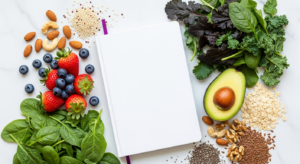
- Sources: Lean meats (chicken breast, turkey), fish (salmon, cod, tuna), eggs, Greek yogurt, cottage cheese, legumes (lentils, beans), tofu, tempeh, edamame, protein powder (whey, casein, plant-based).
- Example: A handful of almonds with Greek yogurt for a snack, grilled salmon with dinner, or eggs with spinach for breakfast.
3. Smart Carb Choices: Fueling with Fiber
Carbohydrates are not the enemy, but the type and quantity matter immensely.
- Choose Complex Carbs: These are rich in fiber, which aids digestion, stabilizes blood sugar, and promotes satiety. They also provide sustained energy.
- Sources: Whole grains (oats, quinoa, brown rice, whole-wheat bread), starchy vegetables (sweet potatoes, butternut squash), fruits, legumes.
- Limit Refined Carbs and Added Sugars: These cause rapid blood sugar spikes, leading to energy crashes, cravings, and increased fat storage, particularly around the abdomen. Read labels carefully for hidden sugars in processed foods.
- Portion Control: Even healthy carbs need to be consumed in appropriate portions, especially if you’re aiming for weight loss.
4. Healthy Fats Are Your Friends: Hormonal Support & Satiety
Don’t fear fat! Healthy fats are crucial for hormone production, nutrient absorption, and keeping you full.
- Sources: Avocados, nuts (almonds, walnuts), seeds (chia, flax, hemp), olive oil, fatty fish (salmon, mackerel), dark chocolate (in moderation).
- Benefits: They slow down digestion, contributing to satiety, and provide essential fatty acids that support overall health and inflammation reduction.
5. Hydration is Key: Drink Your Way to Wellness
Often overlooked, proper hydration is vital for metabolism, digestion, and appetite control.
- Tips: Aim for at least 8 glasses (64 ounces) of water daily, more if you’re active. Carry a reusable water bottle. Add lemon or cucumber for flavor.
- Benefits: Water can help you feel fuller, aids in nutrient transport, and helps your body burn fat more efficiently. Sometimes, thirst is mistaken for hunger.
6. Mindful Eating: Reconnecting with Your Body
Slow down and pay attention to your body’s signals.
- Practice Mindful Eating: Eat slowly, savor each bite, put your fork down between bites, and pay attention to your hunger and fullness cues. Stop eating when you’re satisfied, not stuffed.
- Avoid Distractions: Turn off the TV, put away your phone. Focus on your meal.
By reimagining your plate with these principles, you’re not just “dieting”; you’re building a sustainable, nourishing eating pattern that supports your body’s unique needs after 40.
Movement That Matters: Building Strength and Stamina
When it comes to weight loss after 40, exercise is not just about burning calories; it’s about strategically building and maintaining muscle mass, boosting your metabolism, supporting bone density, and enhancing overall vitality.
1. Strength Training is Non-Negotiable: Reclaim Your Metabolism
This is arguably the single most important exercise for women over 40 aiming for weight loss and long-term health.
- Why it’s Crucial:
- Counteracts Muscle Loss: Strength training directly combats sarcopenia, helping you build and maintain metabolically active muscle tissue. This is key to keeping your BMR higher.
- Boosts Metabolism: More muscle means your body burns more calories at rest, even when you’re not exercising.
- Bone Density: Weight-bearing exercises help prevent osteoporosis, a common concern for women post-menopause.
- Improved Body Composition: You’ll not only lose weight but also change your body shape, looking leaner and stronger.
- Specific Tips:
- Frequency: Aim for 2-3 full-body strength training sessions per week on non-consecutive days.
- Focus on Compound Movements: Exercises that work multiple muscle groups simultaneously are most efficient. Examples include squats, lunges, deadlifts (can start with lighter weights or bodyweight), push-ups (modified as needed), rows, and overhead presses.
- Progressive Overload: To continue building muscle, you need to challenge your body. This means gradually increasing the weight, repetitions, or sets over time.
- Start Where You Are: If you’re new, begin with bodyweight exercises or light dumbbells. Consider working with a certified personal trainer for proper form and a personalized program.
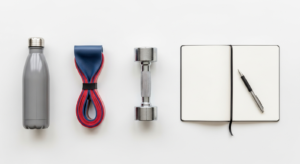
- Product/Tool Recommendations: Resistance bands, a set of dumbbells (adjustable ones are great for home use), kettlebells. Many fitness apps (e.g., Peloton App, Nike Training Club) offer guided strength workouts suitable for various levels.
2. Cardio for Heart Health & Calorie Burn: Move Your Body
While strength training is paramount, cardiovascular exercise still plays a vital role.
- Benefits: Improves heart health, boosts endurance, enhances mood, and contributes to calorie expenditure.
- Specific Tips:
- Frequency: Aim for at least 150 minutes of moderate-intensity cardio per week (e.g., brisk walking) or 75 minutes of vigorous-intensity cardio (e.g., jogging, swimming laps).
- Variety is Key: Mix it up to keep it interesting and challenge different muscle groups. Try brisk walking, jogging, cycling, swimming, dancing, hiking, or using an elliptical.
- Listen to Your Body: If high-impact activities cause joint pain, opt for low-impact alternatives like swimming or cycling.
- Product/Tool Recommendations: A comfortable pair of walking or running shoes, a bike, access to a pool. Fitness trackers (Fitbit, Apple Watch) can help monitor your heart rate and track your activity.
3. Flexibility & Balance: Prevent Injury & Enhance Mobility
Don’t overlook these often-forgotten aspects of fitness, especially as we age.
- Benefits: Improves range of motion, reduces risk of injury, alleviates stiffness, and enhances daily functional movement.
- Specific Tips:
- Yoga or Pilates: These practices are excellent for core strength, flexibility, and balance.
- Daily Stretching: Incorporate 10-15 minutes of stretching into your routine, especially after workouts or before bed.
- Balance Exercises: Simple exercises like standing on one leg (holding onto support if needed) can significantly improve balance.
4. NEAT (Non-Exercise Activity Thermogenesis): The Power of Everyday Movement
This refers to the calories burned through non-exercise activities throughout your day. It adds up!
- Specific Tips:
- Take the stairs instead of the elevator.
- Park further away from your destination.
- Walk during phone calls.
- Stand more, sit less (consider a standing desk).
- Do active chores (gardening, cleaning).
- Aim for 8,000-10,000 steps daily.
- Tool Recommendation: A simple pedometer or a fitness tracker to monitor your daily step count.
By integrating a balanced approach to movement, prioritizing strength, and embracing everyday activity, you’ll not only accelerate weight loss but also build a stronger, more resilient body for years to come.
Beyond Diet & Exercise: The Holistic Pillars of Wellness
True, sustainable weight loss after 40 isn’t just about what you eat and how you move. It’s deeply intertwined with your overall well-being. For women in this phase of life, addressing the “whole person” – mind, body, and spirit – is critical for success. These holistic pillars support your hormonal balance, reduce inflammation, and create an environment where your body can thrive and release excess weight.
1. Sleep, Your Secret Weapon: Prioritize Rest for Hormonal Harmony
Sleep is arguably the most underrated component of weight management, especially for women over 40.
- The Science: Lack of sleep disrupts key hormones that regulate appetite and metabolism:
- Ghrelin & Leptin: Sleep deprivation increases ghrelin (the hunger hormone) and decreases leptin (the satiety hormone), leading to increased appetite and cravings, particularly for high-carb, sugary foods.
- Cortisol: Poor sleep elevates cortisol, which, as we know, promotes abdominal fat storage.
- Insulin Sensitivity: Chronic sleep loss can impair insulin sensitivity, making it harder for your body to manage blood sugar and store fat more readily.
- Specific Tips for Better Sleep:
- Consistent Schedule: Go to bed and wake up at the same time every day, even on weekends.
- Create a Bedtime Ritual: Wind down with a warm bath, reading, or gentle stretching.
- Optimize Your Sleep Environment: Keep your bedroom dark, cool, and quiet.
- Limit Screens: Avoid blue light from phones, tablets, and computers at least an hour before bed.
- Watch Caffeine & Alcohol: Limit caffeine intake in the afternoon and alcohol close to bedtime, as both can disrupt sleep.
- Manage Hot Flashes: If hot flashes are disrupting sleep, discuss strategies with your doctor (e.g., layered bedding, cooling pillows, potential medical interventions).
2. Stress Management: Taming the Cortisol Beast
Life after 40 can be a whirlwind, and chronic stress is a significant impediment to weight loss.
- The Cortisol Connection: Persistent stress keeps cortisol levels elevated. This not only promotes belly fat storage but can also increase sugar cravings, disrupt digestion, and interfere with sleep – all factors that work against your weight loss efforts.
- Specific Tips for Stress Reduction:
- Mindfulness & Meditation: Even 5-10 minutes daily can make a profound difference. Focus on your breath, observe your thoughts without judgment.
- Deep Breathing Exercises: Simple diaphragmatic breathing can activate your parasympathetic nervous system, promoting relaxation.
- Movement: Physical activity is a powerful stress reliever.
- Connect with Nature: Spend time outdoors; “forest bathing” has proven stress-reducing benefits.
- Hobbies & Downtime: Prioritize activities you enjoy that allow you to decompress.
- Learn to Say No: Protect your time and energy.
- Product/Tool Recommendations: Meditation apps like Calm or Headspace, journaling, spending time outdoors.
3. Gut Health: Nurturing Your Inner Ecosystem
Your gut microbiome – the trillions of bacteria living in your digestive tract – plays a surprisingly significant role in weight management and overall health.
- The Connection: A healthy gut can influence metabolism, inflammation, nutrient absorption, and even mood. An imbalanced gut (dysbiosis) can contribute to inflammation and make weight loss harder.
- Specific Tips for a Healthy Gut:
- Eat Fiber-Rich Foods: Prebiotic fibers (from fruits, vegetables, whole grains, legumes) feed beneficial gut bacteria.
- Include Fermented Foods: Probiotic-rich foods introduce beneficial bacteria to your gut.
- Sources: Greek yogurt (with live active cultures), kefir, sauerkraut, kimchi, kombucha.
- Limit Processed Foods & Sugar: These can feed harmful bacteria and promote inflammation.
- Stay Hydrated: Water is essential for healthy digestion.
4. Community & Support: The Power of Connection
You don’t have to do this alone. Human connection is a fundamental need and a powerful motivator.
- Benefits: Accountability, shared experiences, emotional support, and encouragement.
- Specific Tips:
- Find a Workout Buddy: Exercise is more fun and consistent with a friend.
- Join a Support Group: Online or local groups for women navigating similar health journeys.
- Lean on Your Loved Ones: Communicate your goals to your family and friends so they can support you.
- Consider a Health Coach: A coach can provide personalized guidance, accountability, and emotional support.
By consciously tending to these holistic pillars, you’re not just creating a favorable environment for weight loss; you’re building a foundation for vibrant health and well-being that extends far beyond the number on the scale.
Navigating the Journey: Practical Strategies for Success
Embarking on a weight loss journey after 40 is a marathon, not a sprint. It requires patience, consistency, and a flexible mindset. Here’s how to set yourself up for long-term success, gracefully navigating the inevitable ups and downs.
1. Set Realistic, Achievable Goals
Drastic goals often lead to burnout and disappointment.
- Focus on Small, Sustainable Changes: Instead of aiming to lose 20 pounds in a month, focus on incorporating one new healthy habit each week – “I will walk for 30 minutes three times this week” or “I will add a serving of vegetables to every meal.”
- Process-Oriented Goals: Shift your focus from the outcome (the number on the scale) to the process (the healthy habits you’re building). “I will prioritize sleep 5 nights a week” is more empowering than “I will lose 2 pounds this week.”
- Healthy Weight Loss Rate: Aim for a sustainable loss of 1-2 pounds per week. This protects your metabolism and is more likely to be maintained.
2. Consistency Over Perfection
No one is perfect, and setbacks are a natural part of any journey.
- Embrace the 80/20 Rule: Aim to be consistent with your healthy habits 80% of the time, allowing for flexibility and enjoyment in the other 20%. This prevents feelings of deprivation and makes the lifestyle sustainable.
- Bounce Back Quickly: If you have an off-day or an indulgent meal, don’t let it derail your entire effort. Acknowledge it, learn from it, and get right back on track with your next meal or workout. Self-compassion is key.
- Long-Term Vision: Remind yourself that this is a lifestyle transformation, not a temporary diet. Consistency over months and years yields lasting results.
3. Track Progress (Beyond the Scale)
The scale tells only part of the story, especially when you’re building muscle.
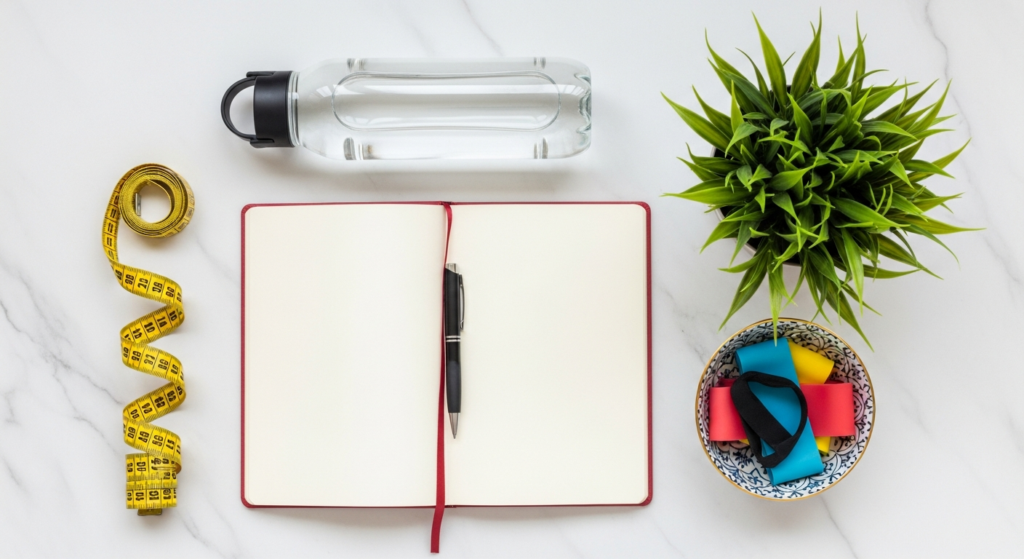
- Take Measurements: Weekly or bi-weekly measurements of your waist, hips, arms, and thighs can reveal inches lost even when the scale doesn’t budge.
- How Your Clothes Fit: This is often the most motivating indicator. Notice if your clothes feel looser or if you’re able to fit into an old favorite outfit.
- Energy Levels & Mood: Pay attention to improvements in your energy, sleep quality, mental clarity, and overall mood. These are significant markers of progress.
- Strength Gains: Notice if you can lift heavier weights, do more reps, or walk further without getting tired. Celebrate these non-scale victories!
- Progress Photos: Take photos every 4-6 weeks. Sometimes, visual changes are more apparent than the numbers.
4. Seek Professional Guidance When Needed
You don’t have to figure it all out on your own.
- Consult Your Doctor: Discuss any underlying health conditions, medications, or hormonal concerns. They can rule out medical reasons for weight gain and advise on safe exercise parameters.
- Registered Dietitian (RD): An RD can provide personalized nutrition plans tailored to your specific needs, dietary preferences, and any health conditions.
- Certified Personal Trainer (CPT): A CPT specializing in women’s health or older adults can design a safe and effective exercise program, ensuring proper form to prevent injury.
- Health Coach: A health coach can offer holistic support, accountability, and help you navigate the behavioral and mindset aspects of your journey.
5. Patience and Self-Compassion
This is perhaps the most crucial strategy. Your body has been through a lot, and it’s undergoing significant changes.
- Be Kind to Yourself: Understand that progress might be slower than it was in your 20s or 30s, and that’s okay. Celebrate every small victory.
- Listen to Your Body: Rest when you need to, nourish it with whole foods, and move in ways that feel good.
- Embrace the Process: Focus on building a healthier, stronger, and more vibrant you, rather than just chasing a number. This journey is about self-care, empowerment, and reclaiming your well-being.
By adopting these practical strategies, you’re not just striving for weight loss; you’re cultivating a deeper connection with your body and building a sustainable foundation for lifelong health and happiness.