The journey of motherhood is often celebrated for the miracle of birth and the joy of a new baby. Yet, amidst the excitement and overwhelming love, there’s a crucial, often overlooked chapter that demands just as much attention: postpartum recovery. This period, affectionately known as the “fourth trimester,” is a time of profound physical, emotional, and mental transformation for new mothers. At Veralyn Media, we believe that prioritizing a mother’s well-being is paramount, not just for her own health, but for the flourishing of her entire family. This comprehensive guide is designed to empower new moms with the knowledge, tools, and confidence to navigate the complexities of postpartum recovery, ensuring a smoother, healthier transition into this beautiful new phase of life. We’ll delve into the essential aspects of healing, self-care, and building a supportive environment, helping you reclaim your strength and embrace the incredible woman you are becoming.

Understanding Postpartum Recovery: The Fourth Trimester Defined

The concept of the “fourth trimester” extends the pregnancy journey beyond birth, encompassing the first three months (and often longer) after your baby arrives. It’s a critical time for both mother and baby to bond, adjust, and heal. While the focus often shifts entirely to the newborn, understanding that your body and mind are undergoing significant changes is the first step toward a successful recovery. This period is a continuum of pregnancy, requiring ongoing care and attention.

Physical Transformations During the Fourth Trimester

Your body has just performed an incredible feat, and it needs time to repair and return to a non-pregnant state. Here’s what to expect:

  • Uterine Involution: Your uterus, which grew to the size of a watermelon during pregnancy, will gradually shrink back to its pre-pregnancy size. This process, called involution, causes contractions known as “afterpains,” which can be intense, especially for subsequent pregnancies or during breastfeeding.
  • Lochia: This is postpartum bleeding, similar to a heavy menstrual period, which can last anywhere from two to six weeks. It changes in color and flow over time, from bright red to pinkish-brown, then yellowish-white.
  • Perineal Healing: If you had a vaginal delivery, you might experience soreness, swelling, or have stitches from an episiotomy or tear. Healing can take several weeks, and proper care is crucial to prevent infection.
  • C-Section Recovery: For those who had a Cesarean birth, recovery involves healing from major abdominal surgery. This includes incision care, managing pain, and limiting strenuous activity for several weeks.
  • Breast Changes: Whether you choose to breastfeed or not, your breasts will undergo significant changes. Engorgement, tenderness, and milk production (or suppression) are common.
  • Hormonal Shifts: A dramatic drop in pregnancy hormones (estrogen and progesterone) after birth can lead to mood swings, night sweats, and hair loss.
  • Diastasis Recti: This is the separation of the abdominal muscles, which is common during pregnancy. For some, it persists postpartum and requires specific exercises for correction.

Emotional and Mental Adjustments

Beyond the physical, your emotional landscape is also shifting dramatically. The cocktail of hormones, sleep deprivation, and the immense responsibility of caring for a newborn can be overwhelming.

  • Baby Blues: Affecting up to 80% of new mothers, the “baby blues” involve mood swings, weepiness, anxiety, and irritability. These typically begin a few days after birth and resolve within two weeks.
  • Postpartum Depression (PPD) and Anxiety (PPA): If the symptoms of baby blues persist beyond two weeks, worsen, or interfere with daily life, it could be PPD or PPA. These are serious medical conditions requiring professional intervention.
  • Identity Shift: Becoming a mother is a profound identity change. You may grapple with feelings of loss of your pre-baby self, struggle with your new role, or feel disconnected from your partner.
  • Sleep Deprivation: The fragmented sleep that comes with caring for a newborn is a significant challenge, impacting mood, cognitive function, and overall well-being.

Recognizing these changes as normal, yet significant, is the first step in seeking appropriate support and taking proactive steps towards your healing.

Physical Healing: What to Expect and How to Support Your Body

Postpartum Recovery Guide For New Moms

Your body has been through a marathon, and now it needs focused care to recover. Patience and gentle attention are your best allies during this period.

Perineal and Vaginal Care

  • Sitz Baths: Soaking in warm water can soothe discomfort and promote healing for perineal tears or hemorrhoids. Consider purchasing a sitz bath kit or using your bathtub.
  • Pain Relief: Over-the-counter pain relievers like ibuprofen or acetaminophen can help manage discomfort. Your doctor may also prescribe stronger pain medication if needed.
  • Hygiene: Use a peri bottle filled with warm water to rinse yourself after using the toilet, especially if you have stitches. Pat dry gently rather than wiping. Change pads frequently to prevent infection.
  • Ice Packs: Applying ice packs to the perineal area in the first 24-48 hours can help reduce swelling and numb pain.

C-Section Incision Care

  • Keep it Clean and Dry: Follow your doctor’s instructions for cleaning the incision. Gently wash with soap and water, then pat dry. Avoid harsh scrubbing.
  • Monitor for Infection: Watch for signs of infection such as redness, swelling, pus, fever, or increasing pain. Report any concerns to your healthcare provider immediately.
  • Avoid Strain: For the first few weeks, avoid heavy lifting, strenuous exercise, and abdominal crunches. Support your incision with a pillow when coughing or laughing.
  • Comfortable Clothing: Wear loose-fitting clothing that doesn’t rub against the incision.

Pelvic Floor Health

The pelvic floor muscles play a vital role in bladder control, bowel function, and sexual health. Pregnancy and childbirth can weaken these muscles. Womens Health Tips Every Woman Should Know often highlight the importance of pelvic floor health, and it’s especially critical postpartum.

  • Gentle Kegel Exercises: Once cleared by your doctor (typically at your 6-week check-up), start with gentle Kegel exercises to strengthen these muscles. Don’t overdo it, and focus on proper technique (contracting as if stopping urine flow, then fully relaxing).
  • Pelvic Floor Physical Therapy: Consider consulting a pelvic floor physical therapist. They can assess your individual needs, including for conditions like prolapse or incontinence, and guide you through a tailored recovery program. This can be transformative for long-term health.

Breast Care

Whether breastfeeding or not, your breasts will need attention:

  • Engorgement: If breastfeeding, frequent nursing or pumping can help. If not, wear a supportive bra, apply ice packs, and avoid stimulation.
  • Nipple Care: For breastfeeding moms, proper latch is key to preventing sore nipples. Lanolin cream or hydrogel pads can provide relief.
  • Mastitis: Watch for signs of mastitis (breast infection) such as redness, warmth, pain, fever, and flu-like symptoms. Seek medical attention promptly if you suspect mastitis.

Diastasis Recti Assessment and Management

This abdominal separation is very common. You can gently check for it by lying on your back, knees bent, feet flat. Place your fingers just above your belly button and lift your head slightly, feeling for a gap between your abdominal muscles. If you suspect diastasis recti, consult a physical therapist specializing in postpartum recovery. They can recommend safe exercises and strategies to help close the gap and restore core strength.

Postpartum Check-ups

Do not skip your postpartum check-ups. The traditional 6-week check-up is vital, but many healthcare providers now recommend an earlier check-in (2-3 weeks postpartum) and ongoing follow-ups as needed. These appointments are your opportunity to discuss any physical or emotional concerns, get medical advice, and ensure your body is healing properly.

Navigating Emotional & Mental Wellness Postpartum

💡 Pro Tip

The emotional rollercoaster of postpartum life is real, and it’s okay not to feel okay all the time. Prioritizing your mental health is just as important as your physical recovery.

Differentiating Baby Blues, PPD, and PPA

  • Baby Blues: Short-lived, typically resolving within two weeks. Symptoms include weepiness, irritability, anxiety, and mood swings.
  • Postpartum Depression (PPD): More intense and longer-lasting than baby blues. Symptoms include persistent sadness, hopelessness, loss of interest in activities, changes in appetite or sleep, feelings of guilt or worthlessness, and difficulty bonding with the baby. It can begin anytime within the first year postpartum.
  • Postpartum Anxiety (PPA): Characterized by excessive worry, racing thoughts, panic attacks, and physical symptoms like shortness of breath or heart palpitations. It often co-occurs with PPD.

If you experience symptoms of PPD or PPA, please know you are not alone, and help is available. Talk to your doctor, partner, or a trusted friend. Early intervention can make a significant difference.

Coping with Hormonal Fluctuations and Sleep Deprivation

  • Acknowledge the Impact: Understand that fluctuating hormones and lack of sleep significantly affect your mood and energy. Be kind to yourself.
  • Prioritize Sleep: “Sleep when the baby sleeps” is cliché but crucial. Let go of non-essential tasks and rest whenever possible. Ask for help with night feedings or baby care to get a longer stretch of sleep.
  • Mindfulness & Relaxation: Even short bursts of mindfulness, deep breathing exercises, or meditation can help calm your nervous system.

Maintaining Your Identity and Self-Care

It’s easy to lose yourself in the demands of motherhood. Remember the person you were before baby and find ways to nurture that self.

  • Schedule “Me Time”: Even 15-30 minutes a day for a hobby, a walk alone, or a quiet cup of tea can recharge you.
  • Stay Connected: Maintain connections with friends and family. Talk about your feelings and experiences.
  • Gentle Movement: As cleared by your doctor, gentle walks or stretches can boost mood and energy.
  • Journaling: Writing down your thoughts and feelings can be a therapeutic outlet.

Communication with Your Partner

Open and honest communication with your partner is vital. Share your feelings, needs, and fears. Work together to divide tasks, support each other emotionally, and maintain your connection amidst the chaos of new parenthood.

When to Seek Professional Help

If you suspect you have PPD, PPA, or any other perinatal mood and anxiety disorder, do not hesitate to reach out to your healthcare provider, a therapist, or a support group specializing in maternal mental health. There is no shame in seeking help, and it’s a sign of strength and self-awareness. Effective treatments are available, and you deserve to feel well.

Nutrition & Hydration: Fueling Your Recovery

Good nutrition is the cornerstone of postpartum recovery, providing the energy needed for healing, milk production (if breastfeeding), and coping with sleep deprivation. Think of your body as needing to rebuild and refuel after a major event.

Essential Nutrients for Postpartum Moms

  • Protein: Crucial for tissue repair, muscle strength, and hormone production. Include lean meats, poultry, fish, eggs, beans, lentils, and nuts in your diet.
  • Healthy Fats: Important for brain health, hormone balance, and nutrient absorption. Avocados, nuts, seeds, olive oil, and fatty fish (like salmon) are excellent sources. Omega-3 fatty acids are especially beneficial for mood and baby’s development (if breastfeeding).
  • Complex Carbohydrates: Provide sustained energy and fiber. Opt for whole grains, fruits, vegetables, and legumes over refined carbohydrates.
  • Iron: Many women experience iron deficiency after childbirth due to blood loss. Iron-rich foods (red meat, spinach, lentils) and supplements (if recommended by your doctor) are important to combat fatigue.
  • Calcium and Vitamin D: Essential for bone health, especially if breastfeeding, as calcium can be drawn from your bones to produce milk. Dairy products, fortified plant milks, leafy greens, and sunlight exposure are key.
  • Vitamin C: Aids in collagen production and wound healing. Citrus fruits, berries, and bell peppers are great sources.

Hydration is Key

Water intake is critical for everyone, but especially for postpartum mothers. It aids in recovery, helps with constipation (a common postpartum issue), and is essential for milk production if you’re breastfeeding. Aim for 8-10 glasses of water daily, and keep a water bottle handy at all times.

Practical Tips for Postpartum Nutrition

  • Meal Prep: Prepare nutrient-dense meals and snacks in advance, or freeze portions before the baby arrives.
  • Accept Help: Don’t be afraid to ask friends and family to bring over meals or help with grocery shopping.
  • Easy-to-Eat Snacks: Keep grab-and-go snacks like fruit, nuts, yogurt, cheese sticks, or hard-boiled eggs readily available.
  • Don’t Diet: Focus on nourishing your body, not on restrictive dieting to “bounce back.” Your body needs fuel to heal. Trying to lose weight too quickly can hinder recovery and milk supply.

Nourishing your body now lays a strong foundation for your long-term health. Just as Fertility Health Tips Women Trying Conceive emphasize preparing the body for conception, postpartum nutrition prepares your body for ongoing health and vitality, whether you’re planning future pregnancies or simply living your best life in 2026 and beyond.
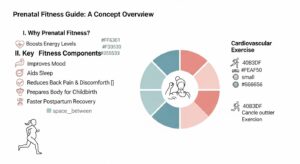
Gentle Movement & Exercise for Postpartum Moms

While rest is paramount, gentle movement can significantly aid recovery, improve mood, and gradually restore strength. However, it’s crucial to listen to your body and get medical clearance before resuming any exercise program.

When to Start and What to Expect

  • Doctor’s Clearance: Most healthcare providers recommend waiting until your 6-week postpartum check-up before engaging in any structured exercise, especially if you had a C-section or significant tearing.
  • Listen to Your Body: Pain is a sign to stop. Start slowly and gradually increase intensity and duration.
  • Focus on Foundation: The initial focus should be on gentle core engagement, pelvic floor recovery, and restoring overall body awareness, not on “getting your body back.”

Safe and Beneficial Postpartum Exercises

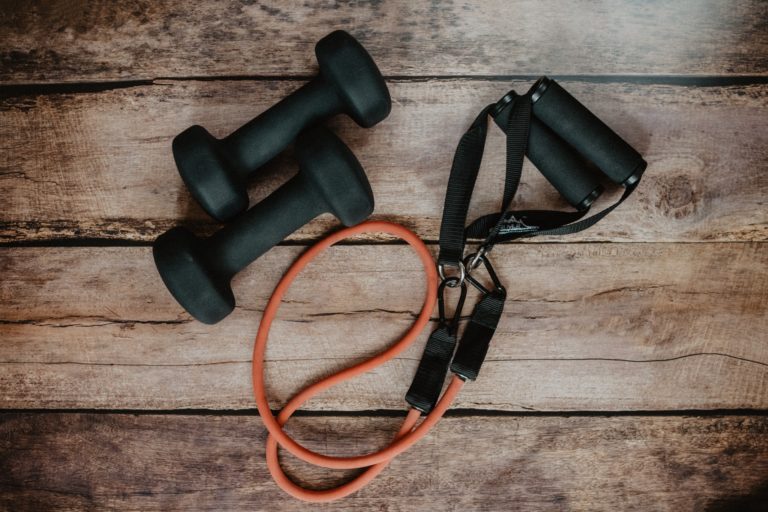
  • Walking: One of the best initial forms of exercise. Start with short, gentle strolls and gradually increase distance and pace. Walking boosts circulation, improves mood, and doesn’t put excessive strain on your healing body.
  • Pelvic Floor Exercises (Kegels): As mentioned earlier, these are vital for strengthening the muscles that support your bladder, uterus, and bowels. Ensure you’re performing them correctly – contract, lift, and then fully release.
  • Deep Breathing and Transverse Abdominis (TA) Engagement: Learning to engage your deepest core muscle (TA) helps stabilize your trunk and can aid in diastasis recti recovery. Practice deep belly breaths, gently drawing your belly button towards your spine on the exhale.
  • Gentle Stretching: Focus on areas that tend to tighten from carrying and feeding a baby, such as the neck, shoulders, and upper back.
  • Postpartum Yoga or Pilates: Look for classes specifically designed for postpartum mothers. These often focus on gentle core strengthening, flexibility, and relaxation.

What to Avoid (Initially)

  • High-Impact Activities: Running, jumping, and intense aerobics should be avoided in the early postpartum period as they can put excessive pressure on your pelvic floor and healing abdomen.
  • Traditional Crunches/Sit-ups: These can worsen diastasis recti and put undue strain on your healing core.
  • Heavy Lifting: Beyond lifting your baby, avoid heavy weights until your core is significantly stronger.
  • Pushing Through Pain: Never ignore pain or discomfort. It’s your body’s way of telling you to slow down.

Remember, postpartum fitness is a journey, not a race. Celebrate small victories and be patient with your body’s healing process. By 2026, you’ll feel stronger and more connected to your body than ever, thanks to a mindful and gradual approach to movement.

Building Your Support System: Asking for and Accepting Help

No mother is an island, especially not a new one. Building a robust support system is not a luxury; it’s a necessity for thriving in the postpartum period. Asking for and accepting help is a sign of strength, not weakness.

Identifying Your Village

Your support system can come in many forms:

  • Partner: Your partner is your primary support. Communicate openly about your needs, fears, and joys. Divide responsibilities fairly.
  • Family and Friends: Lean on trusted family members and friends. Be specific about how they can help (e.g., “Can you bring a meal on Tuesday?” or “Could you watch the baby for an hour so I can shower?”).
  • Healthcare Providers: Your OB/GYN, midwife, pediatrician, lactation consultant, and therapist are invaluable resources for medical advice, emotional support, and practical guidance.
  • Postpartum Doula: A postpartum doula offers non-medical support, helping with newborn care, light household tasks, meal prep, and emotional support.
  • Support Groups: Joining a local or online new mom’s group can provide a sense of community, shared experiences, and invaluable advice. Knowing you’re not alone can be incredibly validating.

Effective Communication for Receiving Help

  • Be Specific: Instead of saying “I need help,” try “I’m exhausted, could you please fold a load of laundry?” or “Could you take the baby for a walk so I can nap?”
  • Don’t Be Afraid to Say No: It’s okay to decline visitors or social engagements if you’re not feeling up to it. Your priority is rest and bonding with your baby.
  • Prepare a “Help List”: Keep a running list of tasks that others can do, from grocery runs to tidying up, so you’re ready when someone offers.

Delegating Tasks and Setting Boundaries

Learning to delegate is a crucial skill for new mothers. Let go of the need for perfection. It’s okay if the house isn’t spotless or if meals aren’t gourmet. Prioritize your well-being and baby care.

  • Household Chores: Let your partner, family, or hired help tackle cleaning, laundry, and cooking.
  • Meal Preparation: Accept all offers of food. Use meal delivery services or subscribe to a meal kit.
  • Baby Care: Allow your partner or trusted caregivers to take turns with diaper changes, burping, and soothing the baby, especially during the night.

Setting boundaries with visitors and well-meaning advice-givers is also important. Protect your space, your time, and your peace during this tender period.

Preparing Your Home & Life for Motherhood

Beyond physical and emotional healing, adapting your home and daily routines to accommodate a new baby can significantly reduce stress and enhance your postpartum experience. Creating a functional, comfortable, and safe environment is key.

Setting Up Functional Spaces

  • The Nursery: While the baby might sleep in your room initially, having a well-organized nursery or designated baby corner is helpful. Ensure the crib is safe, the changing station is stocked, and clothes are easily accessible.
  • Feeding Stations: Set up comfortable feeding areas in multiple rooms with everything you need within reach: water, snacks, burp cloths, entertainment (book/remote), and a phone charger.
  • Changing Stations: Beyond the nursery, consider a portable changing pad and a small caddy with diapers and wipes in another main living area to save trips.

Streamlining Chores and Routines

  • Meal Planning & Prep: As discussed, this is crucial. Consider batch cooking, using slow cookers, or simple one-pan meals.
  • Laundry Systems: Simplify laundry by having designated baskets and doing smaller, more frequent loads. Don’t aim for perfection.
  • Online Shopping: Utilize online grocery delivery services or subscriptions for baby essentials to save time and energy.
  • Prioritize: Recognize that some tasks will have to wait. Focus on the essentials: feeding yourself and your baby, resting, and basic hygiene.

Creating a Calm and Nurturing Environment

Your home should be a sanctuary for your family. Think about how your surroundings can promote peace and well-being.

  • Lighting: Use soft, dimmable lighting, especially for nighttime feedings, to help regulate sleep patterns for both you and baby.
  • Sound: A white noise machine can help baby sleep and provide a sense of calm. Gentle music can also be soothing.
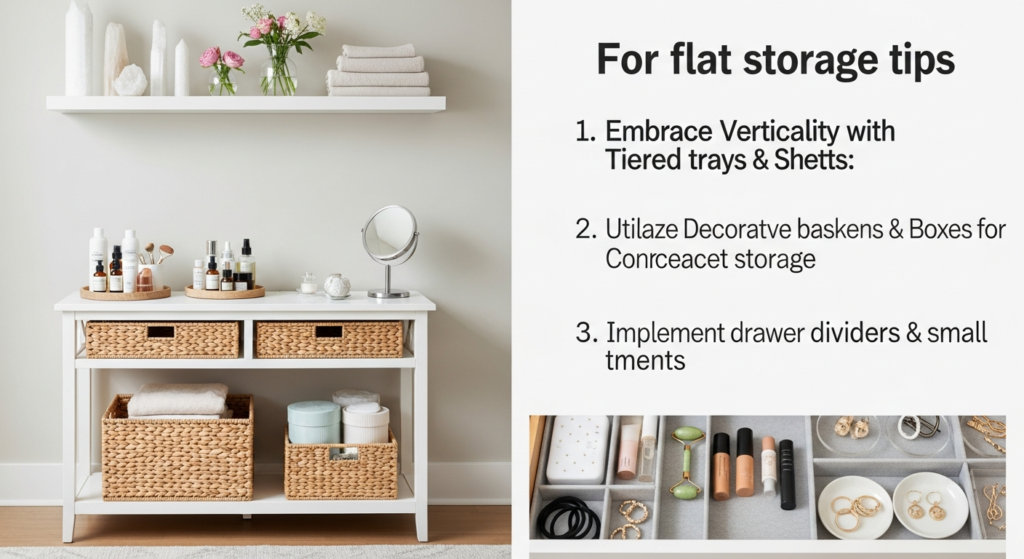
  • Declutter: A less cluttered environment can feel less overwhelming. Focus on functional storage solutions.

Integrating Kid Friendly Home Decor Ideas

As your baby grows, your home will naturally evolve to become more kid-friendly. Start thinking about this early to make the transition smoother and safer.

  • Safety First: Prioritize baby-proofing. Install outlet covers, secure furniture to walls, and gate stairs. Think ahead to crawling and walking stages.
  • Washable Fabrics: Choose durable, easy-to-clean fabrics for furniture and rugs. Spills and accidents are inevitable!
  • Soft Furnishings: Incorporate soft rugs, pillows, and blankets to create cozy, safe spaces for tummy time and play.
  • Accessible Storage: Use baskets, bins, and low shelving for toys and books, making it easy for little ones to access and (eventually) help with cleanup.
  • Personal Touches: Integrate family photos and meaningful decor that brings joy and reflects your family’s journey.

By thoughtfully preparing your home and life, you create a supportive backdrop for your postpartum recovery, allowing you to focus more on bonding with your baby and healing yourself. This proactive approach ensures that by 2026, your home will be a true haven for your growing family.

The postpartum journey is a profound and transformative experience, challenging you in ways you never imagined, but also revealing an incredible strength you didn’t know you possessed. At Veralyn Media, we hope this comprehensive guide has provided you with valuable insights and practical strategies to navigate this unique period. Remember, recovery is not a race, and every mother’s journey is unique. Be patient with yourself, seek support when needed, and celebrate every small victory. You are doing an amazing job, and prioritizing your well-being is the greatest gift you can give to yourself and your family. Embrace the fourth trimester as a sacred time for healing, bonding, and becoming the incredible mother you are meant to be.

Frequently Asked Questions

How long does postpartum recovery truly last?
While the traditional “fourth trimester” covers the first three months postpartum, the reality is that full postpartum recovery can take anywhere from six months to a year, or even longer. Physical healing, especially for the pelvic floor and core, continues for many months. Emotional and mental adjustments, including hormonal rebalancing, also extend far beyond the initial weeks. It’s a continuous process, and every woman’s timeline is unique. Focus on gradual progress and listen to your body rather than adhering to a strict timeline.

Can I exercise before my 6-week check-up?
Generally, strenuous exercise or structured workouts are not recommended before your 6-week postpartum check-up. However, very gentle activities like short walks (if comfortable), deep breathing exercises, and gentle pelvic floor contractions (Kegels, if pain-free and cleared by your doctor) can often begin sooner. Always prioritize rest and listen to your body. Your doctor will provide specific guidance based on your delivery type and individual healing progress at your check-up.
What are the signs I should seek professional help for my mood?
If you experience symptoms like persistent sadness, hopelessness, loss of interest in activities you once enjoyed, extreme fatigue, changes in appetite or sleep patterns, overwhelming anxiety, panic attacks, feelings of guilt or worthlessness, or thoughts of harming yourself or your baby, please seek professional help immediately. These are signs of conditions like Postpartum Depression (PPD) or Postpartum Anxiety (PPA), which are serious medical conditions requiring intervention. Talk to your doctor, a therapist, or a mental health professional specializing in maternal mental health.
Is it normal to experience hair loss postpartum?
Yes, postpartum hair loss is very common and completely normal. During pregnancy, high estrogen levels often prevent hair from falling out as it normally would, leading to thicker hair. After birth, as estrogen levels drop significantly, this excess hair sheds all at once, usually around 3-6 months postpartum. While it can be alarming, it’s typically temporary and your hair growth cycle should normalize within 6-12 months. Continue to eat a nutritious diet and be gentle with your hair.
How can I manage sleep deprivation with a newborn?
Managing sleep deprivation is one of the biggest challenges for new parents. Key strategies include: “sleeping when the baby sleeps” (even for short naps), accepting help from your partner or support system for night feedings or baby care, creating a dark and quiet sleep environment, and practicing good sleep hygiene when you do have the opportunity to rest. Prioritize sleep over non-essential tasks, and don’t hesitate to ask for help so you can get a longer stretch of uninterrupted sleep.

When can I resume sexual activity after childbirth?
Most healthcare providers recommend waiting until after your 6-week postpartum check-up to resume sexual activity. This allows time for your body to heal, especially if you had stitches from a vaginal tear or C-section incision. However, the timing is highly individual. Factors like pain, discomfort, and emotional readiness play a significant role. Communication with your partner, using lubrication if needed, and taking things slowly are crucial. If you experience persistent pain or discomfort, discuss it with your doctor or a pelvic floor physical therapist.