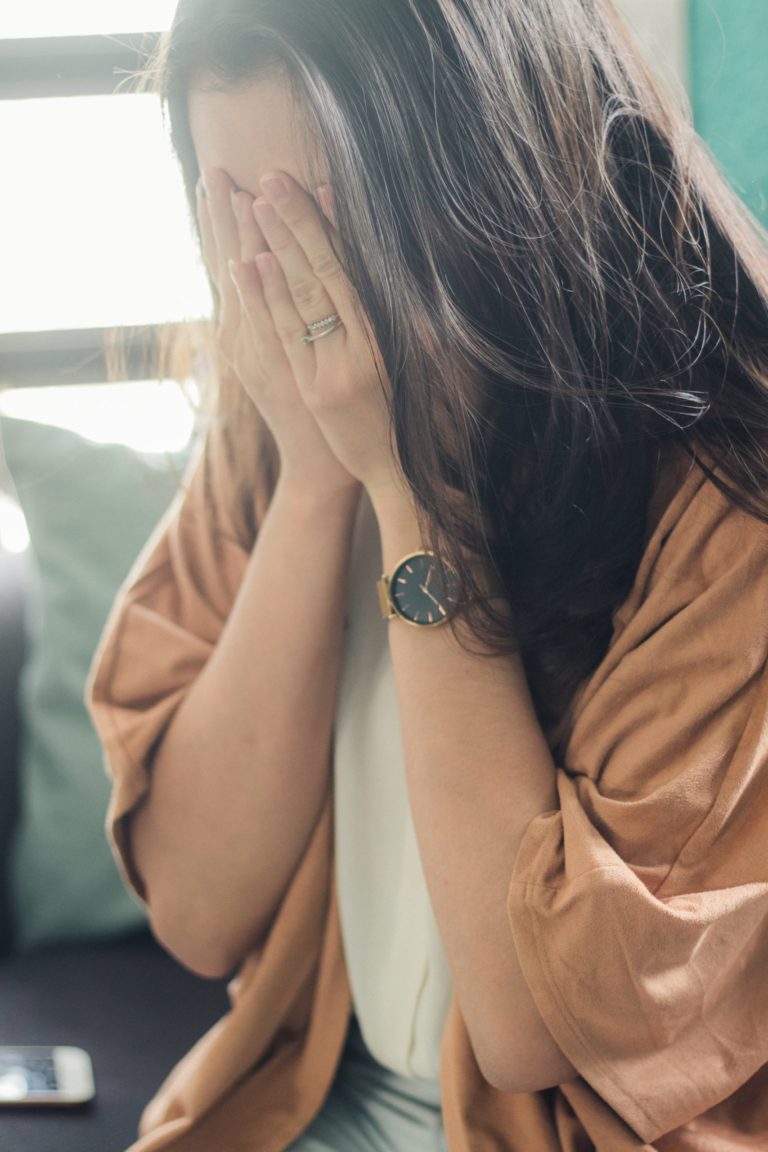
In the vibrant tapestry of modern life, women often find themselves juggling multiple roles and responsibilities – careers, family, relationships, and personal aspirations. While this incredible capacity for multitasking and nurturing is a testament to their strength, it also frequently comes with an unseen burden: anxiety. Mental health is a critical component of overall well-being, yet it’s an area where women disproportionately face challenges. Anxiety, in particular, affects women at nearly twice the rate of men, often exacerbated by hormonal fluctuations, societal pressures, and the unique demands of different life stages. At Veralyn Media, we understand that navigating these challenges requires not just resilience, but also practical, actionable strategies. This comprehensive guide is designed to empower women with anxiety, offering insightful mental health tips tailored to their unique experiences, helping them reclaim peace, foster resilience, and cultivate a life of profound well-being in 2026 and beyond.

Understanding Anxiety in Women: A Unique Landscape

Anxiety is a natural human emotion, a primal response to stress or perceived danger. However, when this response becomes persistent, excessive, and interferes with daily life, it transitions into an anxiety disorder. For women, the landscape of anxiety is often complex and multifaceted, influenced by a unique interplay of biological, psychological, and sociocultural factors. Hormonal fluctuations throughout the menstrual cycle, during pregnancy, postpartum, and menopause can significantly impact mood and anxiety levels. Estrogen and progesterone, for instance, play crucial roles in brain chemistry, affecting neurotransmitters like serotonin and GABA, which are vital for mood regulation. This means that a woman’s anxiety can ebb and flow not just with life events, but also with her internal biological clock.

Beyond biology, societal expectations place immense pressure on women. The pervasive ideal of being a “superwoman” – excelling in a career, maintaining a pristine home, raising perfect children, and nurturing relationships – can create an environment ripe for chronic stress and anxiety. Women are often socialized to be caregivers, to prioritize the needs of others above their own, leading to burnout and a diminished sense of self. The emotional labor involved in managing household dynamics, childcare, and elderly parent care often falls disproportionately on women, contributing to a constant state of overwhelm. This relentless pressure to perform, to be everything to everyone, can manifest as generalized anxiety, panic attacks, social anxiety, or specific phobias.

Furthermore, women are more likely to experience trauma, such as sexual assault or domestic violence, which are significant risk factors for developing anxiety disorders, including Post-Traumatic Stress Disorder (PTSD). The cumulative effect of these unique stressors means that mental health tips for women with anxiety must be holistic, compassionate, and deeply attuned to their lived realities. Recognizing these distinct challenges is the first step towards developing effective coping mechanisms and fostering a sustainable path to mental wellness.

Foundations of Mental Wellness: Building a Strong Base

Mental Health Tips For Women With Anxiety

Just as a sturdy house requires a strong foundation, robust mental health is built upon fundamental pillars of physical well-being. Neglecting these basics can leave us vulnerable to the relentless tide of anxiety. Prioritizing these foundational elements isn’t a luxury; it’s a non-negotiable aspect of effective anxiety management and overall health.

Prioritizing Sleep

Sleep is not merely a period of rest; it’s a vital time for the brain to repair, consolidate memories, and regulate hormones and neurotransmitters. Chronic sleep deprivation can exacerbate anxiety, making it harder to manage stress and control racing thoughts. When we don’t get enough quality sleep, our amygdala, the brain’s fear center, becomes overactive, while the prefrontal cortex, responsible for rational thought, is impaired. This creates a perfect storm for heightened anxiety.

  • Establish a Consistent Sleep Schedule: Go to bed and wake up at the same time each day, even on weekends. This helps regulate your body’s natural circadian rhythm.
  • Create a Relaxing Bedtime Routine: An hour before bed, wind down with calming activities like reading a book, taking a warm bath, or listening to soothing music. Avoid screens (phones, tablets, TVs) which emit blue light that interferes with melatonin production.
  • Optimize Your Sleep Environment: Ensure your bedroom is dark, quiet, and cool. Consider blackout curtains, earplugs, or a white noise machine if needed.
  • Limit Caffeine and Alcohol: Especially in the afternoon and evening, as they can disrupt sleep cycles.

Nourishing Your Body

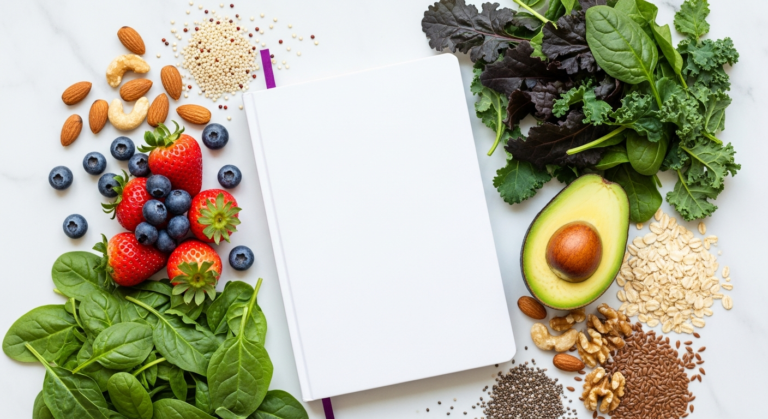
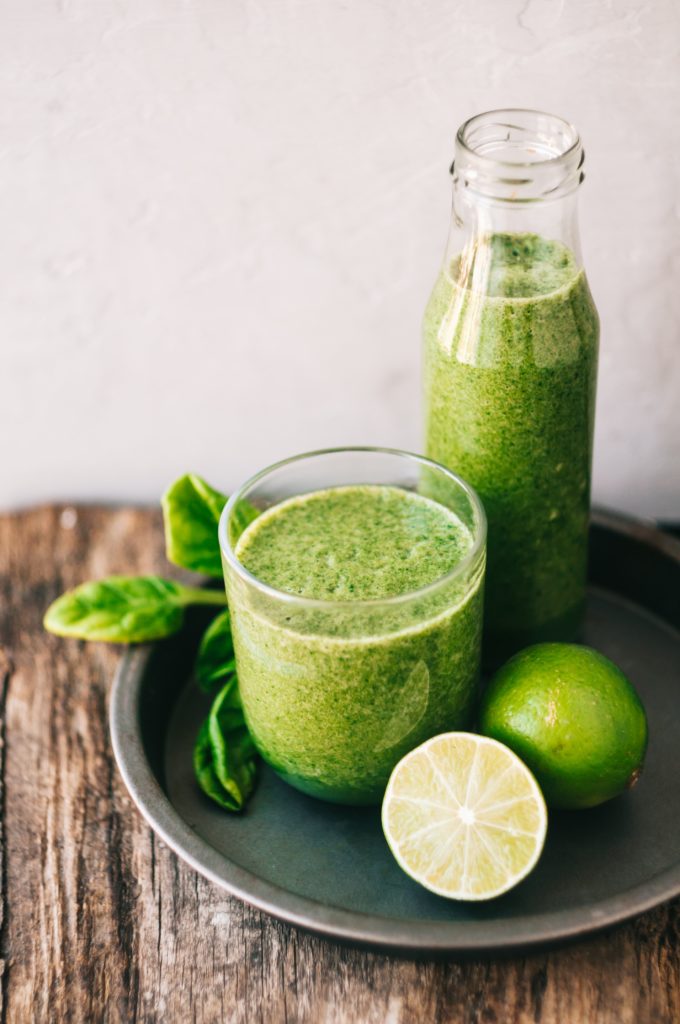
The gut-brain axis is a powerful connection, and what you eat directly impacts your mood and anxiety levels. A diet rich in processed foods, sugar, and unhealthy fats can lead to inflammation and disrupt gut microbiota, which in turn can negatively affect brain function and emotional regulation. Conversely, a balanced diet provides the necessary nutrients for optimal brain health.

  • Embrace Whole Foods: Focus on a diet rich in fruits, vegetables, whole grains, lean proteins, and healthy fats (like avocados and nuts).
  • Stay Hydrated: Dehydration can mimic symptoms of anxiety, such as fatigue, dizziness, and irritability. Aim for at least 8 glasses of water daily.
  • Consider Omega-3 Fatty Acids: Found in fatty fish (salmon, mackerel), flaxseeds, and walnuts, Omega-3s are crucial for brain health and have anti-inflammatory properties that can help reduce anxiety symptoms.
  • Limit Processed Foods and Sugar: These can cause blood sugar spikes and crashes, leading to mood swings and increased anxiety.

The Power of Movement

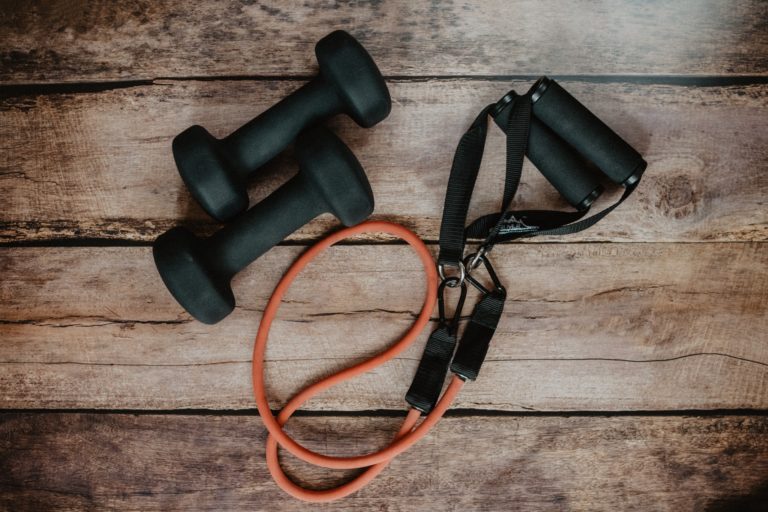
Physical activity is a potent antidote to anxiety. Exercise releases endorphins, natural mood elevators, and helps reduce stress hormones like cortisol. It also provides a healthy distraction, shifting focus away from anxious thoughts, and improves sleep quality. You don’t need to become a marathon runner; even moderate activity can make a significant difference.

  • Incorporate Regular Exercise: Aim for at least 30 minutes of moderate-intensity exercise most days of the week. This could be brisk walking, jogging, cycling, or swimming.
  • Try Mind-Body Practices: Yoga, Pilates, and Tai Chi combine physical movement with breathwork and mindfulness, offering dual benefits for both body and mind.
  • Walk in Nature: Spending time outdoors, especially in green spaces, has been shown to reduce rumination and improve mood.

These fundamental practices are part of a broader commitment to holistic well-being, aligning perfectly with comprehensive Womens Health Tips Every Woman Should Know. By consistently nurturing your body through sleep, nutrition, and movement, you build a resilient physiological and psychological framework that can better withstand the pressures that contribute to anxiety.

Practical Strategies for Managing Daily Anxiety

💡 Pro Tip

While a strong foundation is crucial, navigating the peaks and valleys of daily anxiety requires a toolkit of immediate, actionable strategies. These techniques can help you interrupt anxious thought patterns, calm your physiological responses, and regain a sense of control when anxiety threatens to overwhelm you.

Mindfulness and Meditation

Mindfulness is the practice of being present and fully engaged in the current moment, observing your thoughts and feelings without judgment. Meditation is a formal practice of mindfulness, often involving focused attention on breath or bodily sensations. Both can significantly reduce anxiety by training your brain to detach from obsessive thoughts and cultivate a sense of inner calm.

  • Start Small: Begin with just 5-10 minutes of guided meditation daily. Many free apps (e.g., Calm, Headspace) offer excellent introductory programs.
  • Practice Mindful Breathing: Simply pay attention to the sensation of your breath entering and leaving your body. When your mind wanders, gently bring it back to your breath.
  • Engage Your Senses: Practice mindfulness during everyday activities like eating, walking, or showering. Notice the textures, smells, sounds, and tastes around you.

Deep Breathing Exercises

When you’re anxious, your breathing often becomes shallow and rapid, signaling to your body that it’s in danger. Deep, diaphragmatic breathing activates the parasympathetic nervous system, which is responsible for the “rest and digest” response, effectively calming your body and mind.

  • 4-7-8 Breathing: Inhale deeply through your nose for 4 counts, hold your breath for 7 counts, and exhale slowly through your mouth for 8 counts, making a whooshing sound. Repeat 3-4 times.
  • Box Breathing: Inhale for 4 counts, hold for 4 counts, exhale for 4 counts, hold for 4 counts. Visualize a square as you breathe.
  • Belly Breathing: Place one hand on your chest and the other on your belly. As you inhale, feel your belly rise. As you exhale, feel it fall. Focus on making your belly, not your chest, rise and fall.

Cognitive Behavioral Techniques (CBT Principles)

CBT is a highly effective therapy that helps individuals identify and challenge negative thought patterns and behaviors that contribute to anxiety. While formal CBT requires a therapist, you can apply some of its core principles yourself.

  • Identify Thought Distortions: Learn to recognize common cognitive distortions like catastrophizing (assuming the worst), black-and-white thinking, or overgeneralization.
  • Challenge Negative Thoughts: When an anxious thought arises, ask yourself: “Is this thought truly factual? What evidence do I have to support it? Is there an alternative explanation? What would I tell a friend in this situation?”
  • Thought Records: Keep a journal where you record anxious thoughts, the emotions they trigger, and alternative, more balanced thoughts.
  • Behavioral Experiments: Gradually expose yourself to situations you fear (if safe to do so) to test out your anxious predictions and gather evidence that they might not be as bad as you imagine.

Setting Healthy Boundaries

Women often struggle with saying “no” due to societal conditioning and a desire to please. However, constantly overextending yourself is a surefire path to burnout and increased anxiety. Establishing and maintaining healthy boundaries is a powerful act of self-care.

  • Identify Your Limits: Understand how much you can realistically take on without feeling overwhelmed.
  • Communicate Clearly: Express your boundaries calmly and assertively. You don’t need to over-explain or apologize.
  • Protect Your Time and Energy: Prioritize activities that nourish you and don’t be afraid to decline requests that drain your resources. Remember, saying no to one thing means saying yes to something else – often, your own well-being.

By consistently integrating these practical mental health tips into your daily routine, you create a powerful defense against anxiety, allowing you to respond to stress with greater calm and clarity.

Cultivating a Supportive Environment and Self-Care Rituals

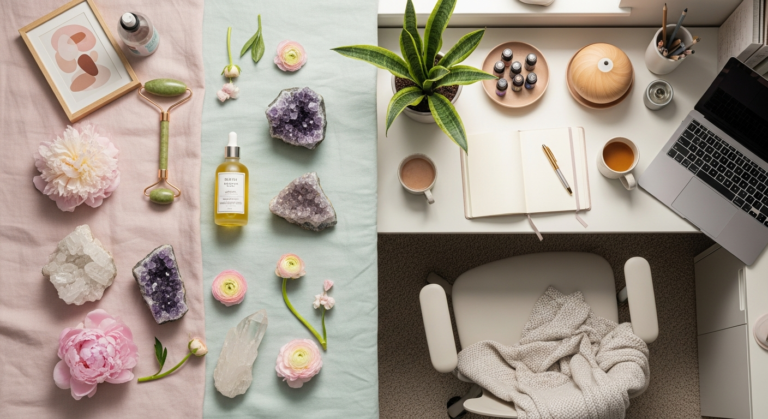
Our external environment and the rituals we establish play a significant role in shaping our internal state. Creating a sanctuary, both physically and emotionally, and intentionally building self-care practices into our lives are vital for managing anxiety and fostering sustained well-being.

Creating a Calming Home Sanctuary

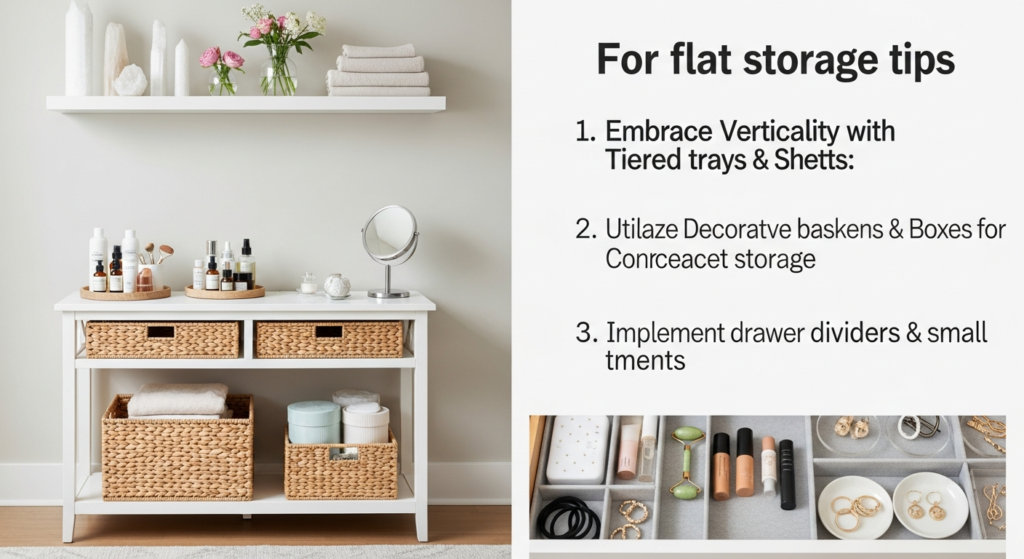
Your home should be a place of refuge, a space where you can relax and recharge. A cluttered, chaotic environment can contribute to feelings of stress and overwhelm, making anxiety worse. Conversely, an organized, aesthetically pleasing space can promote feelings of calm and peace.

  • Declutter Regularly: A tidy space often translates to a tidy mind. Dedicate short periods each week to decluttering and organizing.
  • Incorporate Nature: Bring plants into your home. Studies show that indoor plants can reduce stress levels and improve mood.
  • Mindful Decor: Choose colors, textures, and lighting that evoke serenity. Soft lighting, natural materials, and calming color palettes can make a big difference.
  • Scent Therapy: Use essential oil diffusers with calming scents like lavender, chamomile, or frankincense to create a relaxing atmosphere.

Even with children, it’s possible to maintain a serene environment. Integrating Kid Friendly Home Decor Ideas doesn’t mean sacrificing your peace. Think about smart storage solutions, designated play zones, and durable, easy-to-clean materials that still contribute to a calming aesthetic. A home that feels peaceful for you can also be a wonderful, nurturing space for your family.

The Importance of Social Connection

Humans are inherently social creatures, and genuine connection is a powerful buffer against anxiety. Isolation can exacerbate feelings of loneliness and distress, while supportive relationships provide comfort, validation, and different perspectives.

  • Nurture Existing Relationships: Make time for friends and family who uplift you. Schedule regular calls, coffee dates, or gatherings.
  • Seek Support Groups: Connecting with others who share similar experiences can be incredibly validating and provide a sense of community.
  • Limit Toxic Relationships: Identify relationships that drain your energy or increase your anxiety and consider setting boundaries or reducing contact.
  • Volunteer or Join a Club: Engaging in activities that align with your interests can help you meet new people and foster a sense of purpose.

Engaging in Joyful Activities

When anxiety takes over, we often neglect the activities that bring us joy and creativity. Reconnecting with hobbies and passions is a vital part of self-care and can provide a much-needed mental break.

  • Rediscover Hobbies: What did you love doing before anxiety took hold? Reading, painting, gardening, playing music, crafting, or cooking can be incredibly therapeutic.
  • Embrace Creativity: Engage in activities that allow for self-expression, whether it’s journaling, drawing, or trying a new craft.
  • Spend Time in Nature: Connecting with the natural world has profound benefits for mental health, reducing stress and improving mood. Go for a walk in a park, hike a trail, or simply sit outside and observe.

Digital Detox

In our hyper-connected world, constant exposure to screens, social media, and news cycles can significantly fuel anxiety. The pressure to compare, the fear of missing out (FOMO), and the relentless stream of negative information can be overwhelming.

  • Set Screen Time Limits: Use app limits on your phone or designate specific times of the day to check social media and news.
  • Unfollow Draining Accounts: Curate your social media feed to include only content that inspires, informs, or entertains you positively.
  • Designate Tech-Free Zones: Make your bedroom a screen-free zone, especially before bed. Avoid phones during meals.
  • Practice Mindful Consumption: Be intentional about what information you consume and how it makes you feel.

By thoughtfully cultivating your environment and integrating these self-care rituals, you create a powerful buffer against the daily stressors that can trigger anxiety, fostering a deep and sustainable sense of well-being.

Specific Considerations for Women’s Life Stages and Roles

Women’s lives are marked by distinct stages and roles, each presenting unique challenges and potential triggers for anxiety. Understanding these specific contexts is crucial for developing targeted and effective coping strategies.

Navigating Maternal Mental Health

Pregnancy and the postpartum period are times of immense physiological and emotional change, making women particularly vulnerable to anxiety. Hormonal shifts, sleep deprivation, the overwhelming responsibility of new parenthood, and societal pressures can all contribute to perinatal and postpartum anxiety disorders.

  • Perinatal Anxiety: Anxiety during pregnancy is common, often manifesting as worries about the baby’s health, childbirth, or the transition to motherhood.
  • Postpartum Anxiety (PPA): Unlike the more commonly discussed postpartum depression, PPA is characterized by excessive worry, intrusive thoughts (often about harm coming to the baby), panic attacks, and physical symptoms like heart palpitations and shortness of breath. It can be incredibly isolating.
  • Seek Support: If you are experiencing these symptoms, it’s vital to talk to your healthcare provider, a therapist specializing in maternal mental health, or a support group. You are not alone, and help is available.
  • Prioritize Self-Care: Even small pockets of time for rest, a nourishing meal, or a short walk can make a difference. Partner support and delegating tasks are essential.

For new mothers, navigating this period requires immense self-compassion and practical support. We encourage you to explore our Postpartum Recovery Guide New Moms for additional resources and insights on physical and emotional healing during this critical time. Remember, taking care of yourself is taking care of your baby.

Managing Career and Family Demands

Many women today find themselves straddling the demands of a professional career and the responsibilities of family life. This dual burden, often referred to as the “second shift,” can lead to chronic stress, burnout, and heightened anxiety.

  • Time Management: Utilize strategies like batching tasks, setting clear priorities, and using planners or digital tools to organize your schedule.
  • Delegate and Share: Don’t be afraid to delegate tasks at work or share household and childcare responsibilities with your partner or other family members.
  • Set Realistic Expectations: It’s impossible to do everything perfectly. Accept that some things will be “good enough” and focus your energy where it matters most.
  • Practice Saying “No”: Protect your time and energy by declining non-essential commitments that would overextend you.
  • Schedule Breaks: Build short breaks into your workday and your home life to prevent overload.

Hormonal Fluctuations and Mood

Throughout their reproductive lives, women experience significant hormonal shifts that can impact their mood and anxiety levels. Understanding these connections can help women anticipate and manage symptoms.

  • Premenstrual Syndrome (PMS) and Premenstrual Dysphoric Disorder (PMDD): Many women experience heightened anxiety, irritability, and mood swings in the days leading up to their period. PMDD is a more severe form, causing significant distress and impairment.
  • Perimenopause and Menopause: As women approach and go through menopause, fluctuating estrogen levels can trigger hot flashes, sleep disturbances, and increased anxiety or panic attacks.
  • Tracking Symptoms: Keep a journal to track your anxiety symptoms in relation to your menstrual cycle or menopausal stage. This can help identify patterns and inform discussions with your healthcare provider.
  • Lifestyle Adjustments: The foundational mental wellness tips (sleep, nutrition, exercise) become even more critical during these periods. Stress reduction techniques are also key.
  • Medical Consultations: Discuss severe or debilitating symptoms with your doctor. Hormone therapy or other medical interventions might be appropriate options for some women.

By acknowledging and addressing the unique anxieties that arise during different life stages, women can equip themselves with targeted strategies and seek appropriate support, fostering resilience and well-being through every chapter.

When to Seek Professional Support

While self-help strategies and lifestyle adjustments are incredibly powerful, there are times when anxiety becomes overwhelming, persistent, and debilitating, signaling the need for professional intervention. Recognizing these signs and knowing when to reach out is a critical step in your mental health journey. Seeking help is a sign of strength, not weakness, and a professional can provide tailored guidance and support that self-help alone cannot.

Recognizing Warning Signs

It’s important to understand the difference between normal stress and anxiety that requires professional attention. Consider seeking help if:

  • Your Anxiety is Persistent and Intense: You experience excessive worry or fear on most days for several weeks or months.
  • It Interferes with Daily Life: Your anxiety makes it difficult to function at work, maintain relationships, pursue hobbies, or even complete basic tasks.
  • You Experience Panic Attacks: Sudden, intense episodes of fear accompanied by physical symptoms like racing heart, shortness of breath, dizziness, or chest pain.
  • You’re Avoiding Situations: You start avoiding places, people, or activities because of your anxiety or fear of panic attacks.
  • You’re Using Unhealthy Coping Mechanisms: You find yourself relying on alcohol, drugs, or other maladaptive behaviors to manage your anxiety.
  • You’re Experiencing Physical Symptoms: Chronic headaches, digestive issues, muscle tension, or fatigue that medical tests can’t explain.
  • Your Mood is Severely Affected: Persistent sadness, hopelessness, or thoughts of self-harm. If you are experiencing thoughts of self-harm, please seek immediate help by calling a crisis hotline or emergency services.

Types of Therapy

Several therapeutic approaches have proven highly effective in treating anxiety disorders:

  • Cognitive Behavioral Therapy (CBT): As mentioned earlier, CBT helps you identify and challenge negative thought patterns and behaviors that fuel anxiety. It’s often considered the gold standard for anxiety treatment.
  • Dialectical Behavior Therapy (DBT): A form of CBT that focuses on mindfulness, distress tolerance, emotion regulation, and interpersonal effectiveness. It’s particularly helpful for managing intense emotions.
  • Acceptance and Commitment Therapy (ACT): Encourages acceptance of difficult thoughts and feelings, rather than fighting them, while committing to actions aligned with your values.
  • Psychodynamic Therapy: Explores how past experiences and unconscious patterns might be contributing to current anxiety.

Medication Options

For some women, medication can be a helpful tool, especially when anxiety symptoms are severe and debilitating. Medications often work best when combined with therapy. Options may include:

  • Antidepressants: Selective serotonin reuptake inhibitors (SSRIs) and serotonin-norepinephrine reuptake inhibitors (SNRIs) are commonly prescribed for anxiety, even without depression.
  • Anti-Anxiety Medications (Anxiolytics): Benzodiazepines can provide short-term relief for severe anxiety or panic attacks but are generally not recommended for long-term use due to dependency risks.
  • Beta-Blockers: Can help manage the physical symptoms of anxiety, such as a racing heart.

It’s crucial to discuss medication options thoroughly with a qualified healthcare provider who can assess your specific needs, potential side effects, and interactions with other medications.

Finding a Therapist

Finding the right therapist is a personal journey. Here are some tips:

  • Ask for Referrals: Your primary care physician, friends, or local mental health organizations can often provide recommendations.
  • Check Online Directories: Websites like Psychology Today, Zocdoc, or directories specific to women’s mental health can help you find therapists in your area.
  • Consider Specializations: Look for therapists who specialize in anxiety disorders, women’s health, or specific life stages (e.g., perinatal mental health).
  • Interview Potential Therapists: Many therapists offer a brief initial consultation. Use this time to ask about their approach, fees, and to gauge if you feel a comfortable connection.
  • Insurance and Fees: Understand your insurance coverage and inquire about session costs.

Remember, your mental health is as important as your physical health. Reaching out for professional support is a brave and proactive step towards managing your anxiety effectively and building a more peaceful, fulfilling life.

Empowering Your Journey Towards Lasting Well-being

Embarking on a journey to manage anxiety is not a linear path; it’s a dynamic process filled with learning, growth, and occasional setbacks. For women, who often navigate unique biological, societal, and personal pressures, cultivating lasting mental well-being requires a profound commitment to self-compassion, persistence, and continuous self-advocacy. The mental health tips for women with anxiety discussed throughout this article are not one-time fixes, but rather a rich tapestry of practices designed to be woven into the fabric of your everyday life, adapting and evolving with you.

One of the most powerful insights you can gain is that anxiety does not define you. It is an experience, a set of symptoms, and a response to various internal and external factors. By understanding its mechanisms, equipping yourself with practical strategies, and building a supportive ecosystem, you empower yourself to shift from a reactive state to a proactive stance. Remember the foundational pillars of sleep, nutrition, and movement, which provide the essential energy and stability for your mind to thrive. Embrace the daily practices of mindfulness, deep breathing, and challenging negative thoughts, which are your immediate tools for navigating moments of distress.
Beyond individual strategies, recognize the profound impact of your environment and relationships. Creating a calming home sanctuary, fostering genuine social connections, and engaging in activities that bring you joy are not mere indulgences; they are vital acts of self-preservation and mental nourishment. For women navigating specific life stages – from the unique anxieties of motherhood to the hormonal shifts of perimenopause – tailored approaches and seeking specialized support are not just beneficial, but often essential. Our exploration of Postpartum Recovery Guide New Moms and the integration of Kid Friendly Home Decor Ideas within a calming home environment underscores Veralyn Media’s commitment to holistic support, recognizing that all aspects of a woman’s life are interconnected.

Finally, and perhaps most importantly, cultivate an unwavering sense of self-compassion. There will be days when anxiety feels overwhelming, when you struggle to implement your coping mechanisms, or when you feel like you’re taking two steps back. On these days, treat yourself with the same kindness, understanding, and patience you would offer a dear friend. Avoid self-criticism, acknowledge your efforts, and gently guide yourself back to your practices. Your journey towards lasting well-being is a testament to your strength and resilience. By consistently applying these mental health tips, advocating for your needs, and embracing every step of the process, you are not just managing anxiety; you are actively building a life filled with greater peace, purpose, and profound inner strength in 2026 and for all the years to come. Veralyn Media is here to support you every step of the way.
Frequently Asked Questions

1. Why are women more prone to anxiety than men?
Women are more prone to anxiety due to a complex interplay of factors, including hormonal fluctuations (menstrual cycle, pregnancy, postpartum, menopause), differing brain chemistry responses to stress, societal pressures (like the “superwoman” ideal and emotional labor), higher rates of trauma exposure, and genetic predispositions. These factors collectively contribute to women experiencing anxiety at nearly twice the rate of men.
2. Can diet really impact my anxiety levels?
Absolutely. The gut-brain axis demonstrates a strong connection between digestive health and mental well-being. A diet rich in processed foods, sugar, and unhealthy fats can lead to inflammation and disrupt beneficial gut bacteria, negatively impacting neurotransmitter production (like serotonin) and exacerbating anxiety. Conversely, a diet rich in whole foods, lean proteins, healthy fats, and probiotics can support gut health and, consequently, improve mood and reduce anxiety symptoms.
3. How can I manage anxiety during pregnancy or postpartum?
Managing anxiety during pregnancy and postpartum requires a multi-faceted approach. Prioritize rest and sleep (even short naps), maintain a nutritious diet, engage in gentle exercise like walking or prenatal yoga, and practice mindfulness and deep breathing. Crucially, seek support from your partner, family, and healthcare providers. Don’t hesitate to consult a therapist specializing in maternal mental health or join a postpartum support group. Remember, seeking help is a sign of strength, and resources like our Postpartum Recovery Guide New Moms can offer further insights.
4. What’s the fastest way to calm down during a panic attack?
During a panic attack, focus on grounding techniques and deep breathing. Try the 4-7-8 breathing technique: inhale for 4 counts, hold for 7, exhale for 8. Engage your senses by noticing 5 things you can see, 4 things you can feel, 3 things you can hear, 2 things you can smell, and 1 thing you can taste. Remind yourself that the feeling will pass and that you are safe. Moving to a quiet space can also help.
5. When should I consider seeing a therapist for my anxiety?
You should consider seeing a therapist if your anxiety is persistent, intense, and significantly interferes with your daily life, relationships, or work for several weeks or months. Other signs include experiencing frequent panic attacks, avoiding situations due to fear, relying on unhealthy coping mechanisms, or if your anxiety is accompanied by severe physical symptoms or thoughts of self-harm. A professional can provide tailored strategies and support that self-help alone might not offer.
6. How can I create a calming home environment even with kids?
Creating a calming home environment with children involves intentional design and organization. Focus on decluttering regularly, utilizing smart storage solutions for toys, and designating specific play zones to contain mess. Incorporate natural elements like plants and natural light. Choose calming color palettes and soft lighting. Even with active children, durable and easy-to-clean materials can be selected to maintain a peaceful aesthetic. Our article on Kid Friendly Home Decor Ideas offers practical tips to achieve this balance.