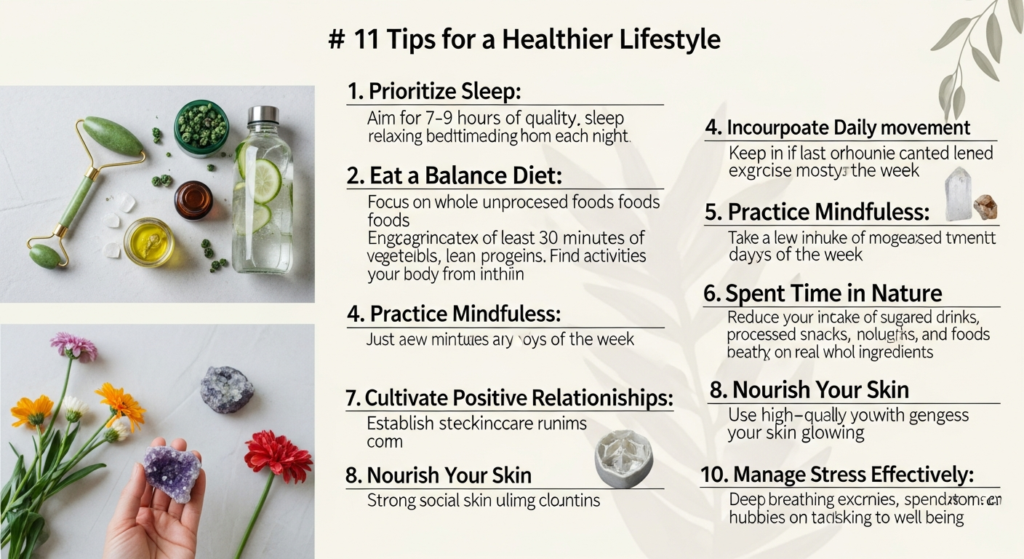
Nourish Your Body from Within: The Power of Mindful Eating
Our bodies are incredible machines, and just like any sophisticated system, they perform best with the right fuel. Mindful eating isn’t about deprivation; it’s about making conscious choices that support your energy levels, mood, and long-term health. It’s understanding that every bite is an opportunity to nourish yourself, not just fill a void. This cornerstone of a healthier lifestyle sets the stage for everything else.
- Tip 1: Embrace Whole, Unprocessed Foods. Focus on a diet rich in fruits, vegetables, whole grains, lean proteins, and healthy fats. These nutrient-dense foods provide the vitamins, minerals, and fiber your body craves to function optimally. Think of your plate as a canvas, painting it with a rainbow of natural colors. Reducing your intake of processed snacks, sugary drinks, and refined carbohydrates can have a profound impact on your energy, digestion, and overall vitality. Even when life takes you on the road, perhaps on an exciting family RV road trip, maintaining your commitment to healthy eating is entirely possible with a little planning. Pack nutritious snacks like nuts, seeds, fruit, and pre-cut veggies to avoid relying on less healthy options.
- Tip 2: Prioritize Hydration as a Daily Ritual. Water is essential for virtually every bodily function, from regulating temperature and transporting nutrients to lubricating joints and aiding digestion. Aim for at least eight glasses of water a day, more if you’re active or in a warm climate. Make it a habit to start your day with a large glass of water, and keep a reusable bottle with you throughout the day. Herbal teas can also contribute to your fluid intake. Often overlooked, proper hydration can significantly impact your skin’s radiance, your cognitive function, and even your metabolism. It’s a simple yet powerful habit that yields remarkable returns for your health.
Move with Purpose: Embracing a Dynamic Lifestyle
Movement is medicine. Our bodies are designed to move, and incorporating regular physical activity into your daily routine is non-negotiable for a healthier lifestyle. It’s not just about hitting the gym; it’s about finding joy in movement and integrating it naturally into your life. Whether you’re considering home renovation dos and donts to create a more active living space or simply taking more steps, every bit counts.
- Tip 3: Engage in Regular, Varied Exercise. Aim for at least 150 minutes of moderate-intensity aerobic activity or 75 minutes of vigorous-intensity activity per week, coupled with strength training sessions two or more days a week. Mix it up: try walking, jogging, cycling, swimming, dancing, or yoga. Variety keeps things interesting and works different muscle groups. Exercise boosts your mood, strengthens your heart and bones, improves sleep, and helps manage weight. For women, especially as we age, maintaining muscle mass and bone density is crucial for long-term independence and vitality.
- Tip 4: Incorporate Non-Exercise Activity Thermogenesis (NEAT). Beyond structured workouts, NEAT refers to the energy expended for everything we do that is not sleeping, eating, or sports-like exercise. This includes walking to work, gardening, cooking, and even fidgeting. Look for opportunities to move more throughout your day. Take the stairs instead of the elevator, park further away, stand while talking on the phone, or do chores around the house. Just as you’d plan stops and activities for a family RV road trip to ensure everyone stays engaged and comfortable, schedule breaks for stretching and movement throughout your workday. If you’re undertaking a home renovation, consider creating spaces that encourage movement, like a dedicated yoga corner or an open layout that invites walking.
Restore and Recharge: Prioritizing Sleep and Stress Reduction
- Tip 5: Prioritize Quality Sleep. Aim for 7-9 hours of quality sleep per night. Sleep is when your body repairs itself, consolidates memories, and regulates hormones. Establish a consistent sleep schedule, even on weekends. Create a relaxing bedtime routine: dim the lights, avoid screens an hour before bed, and consider a warm bath or reading. Ensure your bedroom is dark, quiet, and cool. Chronic sleep deprivation can impact your immune system, mood, cognitive function, and metabolic health. As women adjust to retirement, new routines can sometimes disrupt established sleep patterns, making this tip even more critical for maintaining overall well-being.
- Tip 6: Implement Mindful Stress Management Techniques. Stress is an unavoidable part of life, but how we manage it profoundly impacts our health. Chronic stress can lead to inflammation, digestive issues, anxiety, and heart problems. Find practices that help you de-stress: meditation, deep breathing exercises, spending time in nature, journaling, or engaging in hobbies. Just like you’d manage the budget and timeline for a home renovation, consciously manage your stress levels. Learning to say “no” and setting healthy boundaries are also powerful forms of stress management. For those adjusting to retirement from handling finances to staying on top of your health, understanding and mitigating new sources of stress is vital for a smooth transition.
Cultivate Inner Harmony: Nurturing Mental and Emotional Health
A truly healthy lifestyle extends beyond the physical; it encompasses the vitality of your mind and spirit. Our mental and emotional well-being profoundly influences our physical health, our relationships, and our ability to navigate life’s challenges with resilience. Cultivating inner harmony is about nurturing a positive self-dialogue and fostering meaningful connections.
- Tip 7: Practice Mindfulness and Gratitude. Mindfulness involves being present in the moment, observing your thoughts and feelings without judgment. Gratitude is the practice of acknowledging and appreciating the good things in your life. Both practices can reduce stress, improve mood, and foster a more positive outlook. Start a gratitude journal, practice mindful eating, or take a few minutes each day to simply sit and observe your breath. These simple acts can rewire your brain for greater happiness and contentment. They offer a mental refuge, much like finding moments of calm amidst the planning of a family RV road trip.
- Tip 8: Foster Strong Social Connections. Humans are social creatures, and meaningful relationships are vital for our mental and emotional health. Nurture your connections with family and friends, and seek out new communities or groups that align with your interests. Social isolation can have detrimental effects on health, comparable to smoking or obesity. Whether it’s a weekly coffee date, a book club, or volunteering, engaging with others provides a sense of belonging, support, and joy. As many women navigate adjusting to retirement, actively seeking and maintaining social connections becomes paramount for well-being, helping to replace workplace camaraderie with new, fulfilling relationships.
Optimize Your Surroundings: Creating a Health-Supportive Environment
Our environment, both physical and digital, plays a significant role in our overall well-being. Creating a home and lifestyle that supports health means being intentional about what we bring into our spaces and how we interact with technology. Just as you’d consider the ‘dos and don’ts’ of a home renovation to create a functional and beautiful space, think about your home’s impact on your health.
- Tip 9: Declutter and Organize Your Space. A cluttered physical environment can lead to a cluttered mind, increasing stress and reducing focus. Regularly decluttering your home creates a sense of calm and order. Organize your belongings, create functional systems, and let go of items that no longer serve you. A well-organized home, free from clutter, contributes significantly to mental peace – a principle often highlighted in discussions about effective home renovation dos and donts. This applies to your digital space too; organize your files and emails to reduce digital overwhelm.
- Tip 10: Minimize Exposure to Environmental Toxins. Our homes can harbor various toxins from cleaning products, personal care items, and even building materials. Opt for natural, non-toxic cleaning products, choose personal care items with fewer synthetic ingredients, and consider investing in an air purifier. Ensure good ventilation in your home. When undertaking a home renovation, research healthy building materials and paints to avoid off-gassing chemicals. These seemingly small changes can significantly reduce your body’s toxic burden, supporting your immune system and overall health in the long run.
Embrace Lifelong Learning and Growth for a Vibrant 2026 and Beyond
A truly healthier lifestyle is a dynamic one, embracing continuous growth and adaptability. It’s about more than just physical health; it’s about nurturing an inquisitive mind and a resilient spirit that can navigate life’s inevitable changes. As we look towards 2026 and the years that follow, cultivating a mindset of curiosity and learning ensures a vibrant and engaged existence, regardless of age or life stage.
- Tip 11: Engage in Continuous Learning and Personal Growth. Keep your mind active and curious. Learn a new skill, pick up a new language, read diverse books, or explore topics that fascinate you. Lifelong learning stimulates cognitive function, enhances memory, and provides a sense of purpose and accomplishment. It can also open doors to new social connections and hobbies. This tip is particularly resonant for those adjusting to retirement from handling finances to staying on top of your health, as it provides a powerful avenue for maintaining mental agility and finding new passions outside of a career. Just as planning for retirement involves careful consideration of finances, it equally demands attention to maintaining cognitive function and social connections.
Embracing these 11 tips is not about achieving perfection, but about making consistent, loving choices for yourself. Each step, no matter how small, contributes to a healthier, more joyful, and fulfilling life. Veralyn Media is here to support you every step of the way on your unique wellness journey. Remember, your well-being is your most precious asset, and investing in it today will yield invaluable returns for all your tomorrows.
Frequently Asked Questions
Recommended Resources
Learn more about this topic in Open Concept Living Room Ideas at Rock Salt Plum.
For more on 11 tips for, see Vitamin C Serum Benefits For Skin on Fashion Goggled.