Beyond the Scale: Your 2026 Guide to Understanding and Reversing Stress-Related Weight Gain in Women
The Science Behind Stress and Weight Gain: A Hormonal Deep Dive
To truly understand why stress impacts our weight, especially as women, we need to look beyond willpower and delve into the fascinating world of our hormones. Our bodies are incredibly intelligent, designed with an ancient survival mechanism known as the “fight or flight” response. While this was once crucial for escaping predators, today, it’s often triggered by deadlines, financial worries, or simply the relentless pace of modern life.
The Cortisol Connection: Our Primary Stress Hormone
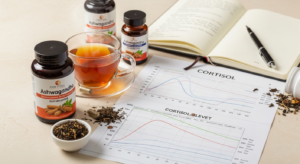
When you perceive a threat – whether it’s a tiger or an overflowing inbox – your adrenal glands spring into action, releasing a cascade of hormones. The star of this show, when it comes to weight gain, is cortisol. Cortisol is essential for life, helping to regulate blood pressure, blood sugar, and metabolism. However, when stress becomes chronic, cortisol levels remain persistently elevated, leading to a cascade of effects that promote weight gain:
* Increased Visceral Fat Storage: Research consistently shows that high cortisol levels are strongly linked to an increase in visceral fat – the dangerous fat stored deep within your abdominal cavity, surrounding your organs. This isn’t just about appearance; visceral fat is metabolically active and contributes to a higher risk of heart disease, type 2 diabetes, and other chronic health issues.
* Appetite Stimulation and Cravings: Elevated cortisol sends signals to your brain that your body needs energy to fight or flee. This often translates into intense cravings for high-calorie, high-sugar, and high-fat “comfort” foods. These foods provide a temporary hit of dopamine, offering a fleeting sense of relief, but contribute to calorie surplus and further weight gain.
* Insulin Resistance: Chronic stress can impair your body’s ability to use insulin effectively, leading to insulin resistance. When cells become resistant to insulin, more insulin is produced, which signals your body to store fat, particularly around the abdomen. This also makes it harder for your body to burn fat for energy.
* Metabolic Slowdown: In a state of perceived threat, your body prioritizes survival. This can lead to a slight slowdown in your metabolism, as your body tries to conserve energy, making it harder to burn calories.
* Impact on Thyroid Function: While not a direct cause, chronic stress and high cortisol can indirectly affect thyroid hormone production and conversion, potentially leading to subclinical hypothyroidism symptoms, including fatigue and weight gain.
Beyond Cortisol: A Symphony of Hormones
Cortisol doesn’t work in isolation. It’s part of a complex hormonal symphony that stress can throw out of tune:
* Ghrelin and Leptin: These are your hunger and satiety hormones. Chronic stress can increase ghrelin (the hunger hormone) and decrease leptin (the fullness hormone), leading to increased food intake and reduced feelings of satisfaction.
* Estrogen Balance: Stress can disrupt the delicate balance of estrogen, especially during perimenopause and menopause. When our adrenals are constantly working overtime due to stress, they might struggle to produce enough sex hormones, impacting overall hormonal harmony and potentially contributing to weight shifts.
* Gut-Brain Axis: Emerging research highlights the critical role of the gut microbiome in stress response and metabolism. Stress can negatively alter gut bacteria composition, leading to inflammation and further impacting metabolic health and even mood.
Understanding these intricate connections is the first step toward regaining control. It validates your experience and moves us beyond simplistic explanations for weight gain.
Beyond Cortisol: Lifestyle Factors Amplifying Stress-Induced Weight Gain
While cortisol is a major player, it’s crucial to recognize that stress rarely acts alone. Our modern lifestyles often create a perfect storm, where stress interacts with other habits and circumstances to amplify its impact on our weight. Understanding these factors allows us to address the problem holistically.
The Silent Saboteur: Sleep Deprivation
In our 24/7 world, sleep is often the first thing to be sacrificed when stress levels rise. However, skimping on sleep is a direct pathway to weight gain.
* Hormonal Chaos: Just one night of poor sleep can significantly increase ghrelin (the hunger hormone) and decrease leptin (the satiety hormone), making you hungrier and less satisfied even after eating. It also elevates cortisol, creating a vicious cycle.
* Reduced Insulin Sensitivity: Lack of sleep impairs your body’s ability to use insulin effectively, promoting fat storage.
* Lower Energy and Motivation: When you’re tired, you’re less likely to exercise and more likely to reach for quick-fix, high-sugar energy boosters.
The Emotional Eater’s Trap
Stress often triggers emotional eating – using food as a coping mechanism for uncomfortable feelings like anxiety, sadness, or overwhelm.
* Temporary Comfort: High-sugar, high-fat foods provide a quick, albeit temporary, dopamine rush, offering a fleeting sense of comfort.
* Mindless Consumption: Emotional eating often leads to mindless consumption, where you eat past fullness without truly enjoying or even tasting your food.
* Guilt and Shame: The cycle often ends with feelings of guilt and shame, which can further fuel stress and the desire to self-soothe with food.
The Sedentary Spiral
When you’re stressed, your energy levels plummet, and motivation to move can vanish.
* Reduced Calorie Expenditure: Less physical activity naturally means fewer calories burned.
* Muscle Loss: A sedentary lifestyle can lead to muscle mass reduction, which in turn slows down your metabolism.
* Missed Stress Relief: Exercise is a powerful stress reliever, releasing endorphins and helping to regulate cortisol. Skipping it removes a vital coping tool.
Suboptimal Food Choices: The Convenience Factor
Stress often leaves us with less time and mental bandwidth for healthy meal preparation.
* Processed Foods: We tend to gravitate towards convenient, processed foods that are often high in sugar, unhealthy fats, and sodium.
* Nutrient Deficiencies: A diet lacking in whole, nutrient-dense foods can exacerbate stress, as the body isn’t getting the essential vitamins and minerals it needs to function optimally and support adrenal health.
* Inflammation: Many processed foods contribute to systemic inflammation, which is itself a stressor on the body and can hinder weight loss efforts.
Social Isolation and Lack of Support
Stress can make us withdraw from social connections, which are vital for mental well-being.
* Reduced Support System: Without a strong support network, coping mechanisms may be less effective, and feelings of overwhelm can intensify.
* Increased Negative Self-Talk: Isolation can amplify negative thoughts and feelings, making it harder to implement healthy changes.
Recognizing these interconnected factors is key. It’s not just about managing stress in a vacuum; it’s about building a lifestyle that inherently supports resilience and well-being.
Your Holistic Action Plan: Reclaiming Your Body and Mind
Empowerment comes from action. This section provides a multi-faceted, practical approach to managing stress and its impact on your weight, designed to fit into your life today and for 2026 and beyond.
1. Master Your Mind-Body Connection & Stress Management
This is the bedrock of reversing stress-related weight gain. You can’t eliminate stress entirely, but you can change your body’s response to it.
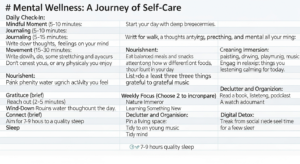
* Mindfulness & Meditation: Even 5-10 minutes a day can rewire your brain.
* Specific Tip: Start with guided meditations using apps like Calm or Headspace. Focus on observing your breath and body sensations without judgment. Try a “body scan” meditation to tune into areas of tension.
* Step-by-Step:
1. Find a quiet space.
2. Set a timer for 5 minutes.
3. Close your eyes or soften your gaze.
4. Bring your attention to your breath, noticing the inhale and exhale.
5. When your mind wanders (and it will!), gently bring it back to your breath.
* Deep Breathing Exercises: Simple, immediate stress relief.
* Specific Tip: Practice “Box Breathing” (inhale for 4, hold for 4, exhale for 4, hold for 4). Do this several times throughout your day, especially before meals or stressful meetings.
* Movement as Medicine (Yoga, Tai Chi, Walking): These practices calm the nervous system.
* Specific Tip: Integrate gentle yoga or a daily walk in nature. The combination of movement and fresh air is incredibly potent for stress reduction.
* Journaling: A powerful tool for emotional processing.
* Specific Tip: Dedicate 10-15 minutes each day to free-form writing about your thoughts, feelings, and stressors. Don’t edit, just write. This helps externalize and process emotions, reducing their hold.
* Setting Boundaries: Protecting your time and energy is crucial.
* Specific Tip: Learn to say “no” more often without guilt. Prioritize your commitments and delegate when possible. Recognize that protecting your well-being is not selfish, it’s essential.
2. Nourish for Stress Resilience, Not Just Weight Loss
Your diet plays a critical role in supporting your adrenal glands and mitigating stress’s impact.
* Whole Foods Focus: Prioritize nutrient-dense, unprocessed foods.
* Specific Tip: Build meals around lean proteins (chicken, fish, legumes), healthy fats (avocado, nuts, seeds, olive oil), complex carbohydrates (quinoa, brown rice, sweet potatoes), and an abundance of colorful fruits and vegetables.
* Key Nutrients for Stress:
* Magnesium: Found in leafy greens, nuts, seeds, dark chocolate. Helps relax muscles and nerves.
* B Vitamins: Found in whole grains, eggs, lean meats, leafy greens. Essential for energy production and nervous system function.
* Omega-3 Fatty Acids: Found in fatty fish (salmon, mackerel), flax seeds, chia seeds. Reduce inflammation and support brain health.
* Vitamin C: Found in citrus fruits, berries, bell peppers. Supports adrenal health.
* Hydration: Water is vital for every bodily function.
* Specific Tip: Aim for at least 8 glasses of water daily. Keep a reusable water bottle handy.
* Mindful Eating: Pay attention to your food.
* Specific Tip: Eat slowly, without distractions. Savor each bite, noticing flavors and textures. This helps you recognize fullness cues and reduces overeating.
* Limit Stimulants & Depressants:
* Specific Tip: Reduce caffeine and alcohol intake, especially in the afternoon and evening, as they can disrupt sleep and further stress your system.
3. Movement with Intention: Gentle Yet Powerful
Exercise is a potent stress reliever and metabolic booster, but when you’re stressed, intensity might not always be best.
* Prioritize Joyful Movement: Find activities you genuinely enjoy.
* Specific Tip: Instead of pushing through grueling workouts you dread, try dancing, hiking, swimming, or cycling. Consistency beats intensity when it comes to stress management.
* Strength Training: Builds muscle, boosts metabolism, and improves body composition.
* Specific Tip: Incorporate 2-3 sessions of strength training per week. You can use bodyweight, resistance bands, or weights. This helps counteract the muscle loss associated with chronic stress and sedentary habits.
* Daily Walks: A simple, yet effective tool.
* Specific Tip: Aim for a 20-30 minute brisk walk most days. It clears your head, gets your blood flowing, and can significantly lower cortisol levels.
* Listen to Your Body: Avoid over-exercising when feeling burnt out.
* Specific Tip: If you’re feeling exhausted, opt for gentle movement like stretching or a short walk instead of a high-intensity workout. Pushing too hard when stressed can actually increase cortisol.
4. Prioritize Sleep: Your Body’s Ultimate Restorer
Quality sleep is non-negotiable for hormonal balance and stress resilience.
* Consistent Sleep Schedule: Go to bed and wake up around the same time every day, even on weekends.
* Specific Tip: Aim for 7-9 hours of quality sleep per night.
* Optimize Your Sleep Environment:
* Specific Tip: Make your bedroom dark, cool, and quiet. Consider blackout curtains, an eye mask, or earplugs.
* Winding Down Routine: Prepare your body for sleep.
* Specific Tip: Avoid screens (phones, tablets, TV) for at least an hour before bed. Instead, read a book, take a warm bath, listen to calming music, or do some gentle stretching.
* Limit Evening Stimulants:
* Specific Tip: Avoid caffeine and heavy meals close to bedtime.
Tools and Support for Your Journey
You don’t have to navigate this journey alone. Leverage available tools and professional support to enhance your success.
* Technology & Apps:
* Meditation: Calm, Headspace, Insight Timer (many free options).
* Sleep Tracking: Oura Ring, Apple Watch, Fitbit (can help identify sleep patterns).
* Meal Planning: MyFitnessPal, Cronometer (for tracking nutrients), Paprika (for recipe organization).
* Professional Support:
* Integrative Health Coach/Nutritionist: For personalized guidance on diet, lifestyle, and stress management strategies tailored to your unique needs. They can help you identify triggers and build sustainable habits.
* Therapist/Counselor: If stress feels overwhelming, or if you’re struggling with anxiety, depression, or entrenched emotional eating patterns, a mental health professional can provide invaluable tools and support.
* Doctor/Endocrinologist: To rule out any underlying medical conditions (e.g., thyroid disorders, PCOS, adrenal dysfunction) that might be contributing to weight gain and stress intolerance.
* Community & Connection:
* Support Groups: Online or in-person groups focused on stress management, mindful eating, or women’s health.
* Friends and Family: Lean on your trusted circle. Share your goals and challenges for encouragement and accountability.
* Veralyn Media Community: Connect with other women on similar journeys through our articles, comments, and social channels. Sharing experiences can be incredibly validating and motivating.
Sustainable Habits for Long-Term Well-being (Your 2026 & Beyond Plan)
The journey to managing stress and its impact on your weight is not a sprint, but a marathon. Our goal at Veralyn Media is to equip you with strategies that are sustainable, adaptable, and empowering for the long haul.
* Consistency Over Perfection: Don’t aim for flawless execution. Life happens, and there will be days when stress wins or healthy habits falter. The key is to consistently return to your practices, even if it’s just for a few minutes. Small, consistent efforts compound over time into significant results.
* Embrace Self-Compassion: Be kind to yourself. When setbacks occur, avoid harsh self-criticism. Instead, acknowledge the challenge, learn from it, and gently redirect your focus back to your goals. Remember, stress management is a skill that improves with practice, not punishment.
* Celebrate Progress, Not Just Outcomes: Focus on the journey. Did you meditate for 5 minutes today? Did you choose a healthy snack instead of reaching for sugar? Did you take a walk even when you felt overwhelmed? These are victories! Acknowledging these small wins builds momentum and reinforces positive behaviors.
* Build Your Personalized Stress Resilience Toolkit: What works for one woman might not work for another. Experiment with different techniques – breathing exercises, nature walks, creative outlets, social connection – and identify what truly helps you de-stress and feel centered. Your toolkit will evolve over time, and that’s perfectly normal.
* Regular Check-ins: Schedule regular “check-ins” with yourself. How are you feeling physically and mentally? What’s working well? What needs adjustment? This self-awareness is crucial for adapting your plan as your life and stress levels change.
* View Weight as a Symptom, Not the Enemy: Shift your perspective. The weight gain isn’t the problem itself; it’s a symptom of underlying stress and hormonal imbalance. By addressing the root causes – your stress response, sleep, nutrition, and movement – you’ll find that your body naturally moves towards a healthier weight, not just for aesthetics, but for vibrant health and energy.