Decoding Your Body’s Whispers: A Comprehensive Guide to Hormonal Imbalance Signs in Women
Imagine your hormones as the conductors of an orchestra. When they’re all playing in harmony, the music of your body is beautiful and flowing. But if one conductor is off-beat, or a section is too loud or too quiet, the whole performance suffers. Hormonal imbalances are incredibly common, affecting women of all ages, from puberty through our reproductive years, perimenopause, and beyond. They can manifest in a myriad of ways, often mimicking other conditions, which is why understanding the specific signs is so crucial. Our goal isn’t to diagnose you, but to provide you with the science-backed insights and empowering tools you need to listen to your body, understand its signals, and partner effectively with your healthcare provider on your journey toward optimal health.
Understanding the Symphony: What Are Hormones and Why Do They Matter?
Before we dive into the signs of imbalance, let’s briefly touch upon what hormones are and why they’re so fundamental to your well-being. Hormones are chemical messengers produced by various glands in your endocrine system (e.g., thyroid, adrenal glands, ovaries, pancreas). They travel through your bloodstream to tissues and organs, telling them what to do and when to do it. Think of them as tiny, yet incredibly influential, text messages sent throughout your body.
Key hormones that frequently impact women’s health include:
- Estrogen: Often considered the primary female hormone, estrogen plays a vital role in reproductive health, bone density, skin health, mood, and cognitive function.
- Progesterone: Works in balance with estrogen, primarily involved in the menstrual cycle, pregnancy, and also has calming effects on the brain.
- Testosterone: While often associated with men, women produce testosterone too, which is crucial for libido, energy, muscle mass, and bone health.
- Cortisol: Our main stress hormone, produced by the adrenal glands. It regulates metabolism, blood sugar, inflammation, and the sleep-wake cycle. Chronic stress can lead to cortisol dysregulation.
- Thyroid Hormones (T3, T4): Produced by the thyroid gland, these regulate metabolism, energy levels, body temperature, heart rate, and almost every cell in the body.
- Insulin: Produced by the pancreas, insulin regulates blood sugar levels. Imbalances can lead to insulin resistance and conditions like Type 2 diabetes.
When any of these hormones are produced in too much or too little quantity, or when their delicate balance with other hormones is disrupted, it can trigger a cascade of symptoms affecting your physical, mental, and emotional health. Recognizing these signs is the first step toward restoring harmony.
The Telltale Signs: Common Symptoms of Hormonal Imbalance
Hormonal imbalances can manifest in incredibly diverse ways, often making them challenging to pinpoint. However, by paying close attention to persistent changes in your body and mind, you can begin to connect the dots. Here are some of the most common signs to look out for:
Mood & Mental Well-being: The Emotional Rollercoaster
Hormones have a profound impact on our brain chemistry, influencing neurotransmitters like serotonin and dopamine. When hormones are imbalanced, your emotional landscape can feel like a turbulent sea.
- Irritability and Mood Swings: Feeling easily agitated, snapping at loved ones, or experiencing rapid shifts from calm to anger. This is often linked to fluctuations in estrogen and progesterone, especially during PMS, perimenopause, or conditions like PCOS.
- Anxiety and Depression: Persistent feelings of worry, nervousness, panic attacks, or prolonged sadness, loss of interest, and hopelessness can be tied to imbalances in estrogen, progesterone, and cortisol. Elevated cortisol from chronic stress can deplete mood-regulating neurotransmitters.
- Brain Fog and Poor Concentration: Difficulty focusing, memory lapses, feeling mentally sluggish, or struggling to find words. This can be a hallmark of low thyroid function, low estrogen, or elevated cortisol.
- Fatigue (Beyond Normal Tiredness): Feeling perpetually exhausted even after a full night’s sleep. This could signal issues with thyroid hormones, adrenal fatigue (cortisol dysregulation), or low iron levels exacerbated by heavy periods.
Weight & Metabolism: The Stubborn Scale
Hormones are key players in regulating your metabolism, appetite, and how your body stores fat. When they’re out of whack, managing your weight can become an uphill battle.
- Unexplained Weight Gain or Difficulty Losing Weight: Despite consistent diet and exercise, the numbers on the scale refuse to budge, or you gain weight unexpectedly. This is a classic sign of thyroid imbalance (hypothyroidism), insulin resistance, estrogen dominance, or high cortisol.
- Increased Abdominal Fat: Particularly stubborn fat around the midsection can be a strong indicator of elevated cortisol levels (stress hormone) and insulin resistance.
- Changes in Appetite and Cravings: Persistent cravings for sugar, refined carbohydrates, or salty foods, often linked to blood sugar dysregulation (insulin) or adrenal fatigue.
- Muscle Loss: Difficulty building or maintaining muscle mass, even with regular strength training, can be a sign of low testosterone or growth hormone.
Skin, Hair, & Nails: Visible Clues
Your skin, hair, and nails are often a mirror reflecting your internal health. Hormonal imbalances can show up in very noticeable ways.
- Adult Acne: Persistent breakouts, especially along the jawline, chin, and back, can indicate an excess of androgens (like testosterone) or estrogen dominance.
- Dry Skin, Rashes, or Eczema: Hormones like thyroid and estrogen influence skin hydration and barrier function. Imbalances can lead to dry, flaky skin or exacerbate inflammatory skin conditions.
- Hair Loss or Thinning: Shedding more hair than usual, thinning on the scalp, or brittle hair. This is a common sign of thyroid imbalance, low estrogen, or elevated androgens.
- Excess Facial or Body Hair (Hirsutism): The growth of coarse, dark hair in areas typically associated with male hair patterns (e.g., upper lip, chin, chest, back) is a key indicator of elevated androgens, often seen in conditions like PCOS.
- Brittle Nails: Nails that easily break, peel, or are slow-growing can point to thyroid issues or nutrient deficiencies exacerbated by hormonal shifts.
Sleep Disturbances: The Restless Nights
The quality of your sleep is intimately connected to your hormonal balance. A disrupted sleep pattern can be both a symptom and a cause of further hormonal dysregulation.
- Insomnia or Difficulty Falling/Staying Asleep: Waking frequently, struggling to fall asleep, or waking too early can be linked to fluctuating estrogen and progesterone (especially during perimenopause), high cortisol levels disrupting the sleep-wake cycle, or an overactive thyroid.
- Night Sweats: Often associated with perimenopause and menopause, night sweats are caused by fluctuating estrogen levels affecting the body’s thermoregulation.
- Restless Sleep: Feeling tired even after a full night’s sleep, indicating poor quality or fragmented sleep.
Reproductive Health: Cycle Chaos and Beyond
For women, many hormones are directly involved in the menstrual cycle, fertility, and sexual health. Disruptions here are often among the most noticeable signs.
- Irregular Periods: Cycles that are consistently shorter than 21 days or longer than 35 days, or highly unpredictable, are a strong indicator of hormonal imbalance (e.g., PCOS, thyroid issues, perimenopause, high stress).
- Heavy or Painful Periods: Excessive bleeding, prolonged periods, or debilitating cramps can signal estrogen dominance, fibroids, or endometriosis, all of which have hormonal components.
- Missing Periods (Amenorrhea): Beyond pregnancy, missing periods can be caused by very low body fat, excessive exercise, high stress, or conditions like PCOS or hypothalamic amenorrhea.
- Low Libido: A noticeable decrease in sex drive can be linked to low estrogen, low testosterone, adrenal fatigue, or thyroid issues.
- Infertility or Difficulty Conceiving: Hormonal imbalances are a leading cause of infertility, affecting ovulation and uterine lining health.
- PMS Symptoms Worsening: More severe breast tenderness, bloating, mood swings, or cravings leading up to your period can be a sign of estrogen dominance or progesterone deficiency.
Digestion & Gut Health: The Second Brain Connection
The gut microbiome plays a crucial role in hormone metabolism, especially estrogen. Imbalances here can create a vicious cycle.
- Bloating and Digestive Issues: Persistent bloating, constipation, diarrhea, or indigestion can be linked to thyroid issues (slowing down digestion) or estrogen dominance affecting gut motility.
- Increased Food Sensitivities: A compromised gut lining, often influenced by stress hormones and inflammation, can lead to new or worsening food sensitivities.
Energy Levels: The Perpetual Slump
Beyond general fatigue, specific energy patterns can hint at hormonal issues.
- Chronic Fatigue: A profound, persistent tiredness that doesn’t improve with rest, often a hallmark of thyroid issues, adrenal dysregulation, or chronic inflammation.
- Feeling “Wired but Tired”: Experiencing a surge of energy in the evening followed by difficulty sleeping, often indicative of cortisol dysregulation where your stress hormones are high at night instead of low.
Common Causes: What Disrupts Hormonal Harmony?
Understanding the signs is vital, but so is recognizing the underlying factors that can throw your hormones off balance. Many of these causes are intertwined, creating a complex web of influence:
- Chronic Stress: Our modern lives are rife with stressors. Chronic stress keeps cortisol levels elevated, which can then impact other hormones like progesterone, thyroid hormones, and even insulin sensitivity.
- Poor Diet: A diet high in processed foods, refined sugars, unhealthy fats, and low in nutrient-dense whole foods can lead to inflammation, insulin resistance, and nutrient deficiencies essential for hormone production and metabolism.
- Lack of Sleep: Inadequate or poor-quality sleep disrupts the natural circadian rhythm, impacting cortisol, growth hormone, and insulin sensitivity.
- Environmental Toxins (Endocrine Disruptors): Exposure to chemicals found in plastics (BPA, phthalates), pesticides, conventional cleaning products, and even some cosmetics can mimic or interfere with natural hormones, particularly estrogen, leading to “estrogen dominance.”
- Lack of Physical Activity: Regular movement is crucial for insulin sensitivity, managing stress, and maintaining a healthy weight, all of which impact hormonal balance.
- Medical Conditions: Specific conditions like Polycystic Ovary Syndrome (PCOS), thyroid disorders (hypothyroidism, hyperthyroidism), endometriosis, fibroids, and adrenal insufficiency directly involve hormonal dysregulation.
- Aging and Life Stages: Perimenopause and menopause are natural phases of life where hormone levels (especially estrogen and progesterone) naturally decline and fluctuate, leading to many of the symptoms discussed.
- Medications: Certain medications, including birth control pills, can influence hormone levels and their balance.
- Gut Dysbiosis: An imbalance of bacteria in the gut can impact the processing and elimination of hormones, particularly estrogen.
Taking Charge: Practical Steps to Support Hormonal Balance
The good news is that many aspects of hormonal health are within your control. While professional medical guidance is essential for diagnosis and treatment, adopting a holistic approach can significantly support your body’s natural ability to find balance. Here are practical, science-backed steps you can start taking today:
Nutrition for Hormonal Health: Fueling Your Symphony
What you eat is foundational to hormone production, metabolism, and detoxification.
- Prioritize Whole Foods: Focus on a diet rich in colorful vegetables, fruits, lean proteins, and healthy fats. These provide the vitamins, minerals, and antioxidants needed for optimal hormonal function.
- Embrace Healthy Fats: Include sources like avocados, nuts, seeds (flax, chia, hemp), olive oil, and fatty fish (salmon, mackerel). Healthy fats are essential building blocks for hormones and support cell membrane health.
- Fiber is Your Friend: Found in fruits, vegetables, legumes, and whole grains, fiber aids in detoxification, helps regulate blood sugar, and supports a healthy gut microbiome, which is crucial for estrogen metabolism. Aim for 25-30g daily.
- Adequate Protein: Ensure each meal includes a good source of protein (lean meats, fish, eggs, legumes, tofu). Protein helps stabilize blood sugar, reduces cravings, and provides amino acids for hormone synthesis.
- Balance Blood Sugar: Minimize refined sugars and processed carbohydrates. Pair carbs with protein and fat to slow glucose absorption and prevent insulin spikes. This is critical for managing insulin resistance and conditions like PCOS.
- Specific Nutrients:
- Magnesium: Involved in over 300 bodily processes, including stress response and sleep. Found in leafy greens, nuts, seeds, and dark chocolate.
- B Vitamins: Essential for energy production, stress management, and hormone metabolism. Found in whole grains, legumes, eggs, and leafy greens.
- Selenium: Crucial for thyroid function. Found in Brazil nuts, fish, and eggs.
- Zinc: Important for thyroid, immune, and reproductive health. Found in pumpkin seeds, oysters, and red meat.
Practical Tip: Try meal prepping on weekends to ensure you have healthy, balanced options readily available. Focus on “eating the rainbow” to maximize nutrient diversity.
Stress Management & Mindfulness: Taming Cortisol
Chronic stress is a major disruptor. Learning to manage it is paramount for hormonal balance.
- Daily Mindfulness Practice: Even 5-10 minutes of meditation, deep breathing exercises, or simply sitting in quiet contemplation can significantly lower cortisol levels. Apps like Calm or Headspace can be great tools.
- Prioritize Relaxation: Schedule time for activities you enjoy – reading, spending time in nature, listening to music, taking a warm bath. These are not luxuries; they are necessities for your health.
- Yoga and Tai Chi: These practices combine physical movement with breathwork and mindfulness, effectively reducing stress and promoting relaxation.
- Set Boundaries: Learn to say “no” to commitments that overextend you. Protect your time and energy.
- Journaling: Writing down your thoughts and feelings can be a powerful way to process emotions and reduce mental clutter.
Practical Tip: Start your day with 5 minutes of mindful breathing before checking your phone. This sets a calm tone for the day.
Prioritizing Sleep: The Ultimate Restorative
Quality sleep is when your body repairs, detoxifies, and regulates hormones. Aim for 7-9 hours per night.
- Consistent Sleep Schedule: Go to bed and wake up at roughly the same time each day, even on weekends, to regulate your circadian rhythm.
- Create a Dark, Cool, Quiet Environment: Block out light, keep your bedroom cool (around 65°F/18°C), and minimize noise.
- Wind-Down Routine: Establish a relaxing ritual 30-60 minutes before bed: warm bath, reading a physical book, gentle stretching, or listening to calming music.
- Limit Screen Time: Avoid blue light-emitting screens (phones, tablets, computers, TV) at least an hour before bed, as blue light interferes with melatonin production.
- Watch Caffeine and Alcohol: Limit caffeine intake after noon and avoid excessive alcohol, especially close to bedtime, as both can disrupt sleep architecture.
Practical Tip: Invest in blackout curtains and try a sleep mask if your room isn’t completely dark. Consider a sound machine for white noise.
Movement & Exercise: Active Balance
Regular physical activity is vital for hormone sensitivity, stress reduction, and overall well-being.
- Vary Your Routine: Incorporate a mix of strength training (builds muscle, improves insulin sensitivity), cardiovascular exercise (heart health, stress reduction), and flexibility/mobility work (yoga, stretching).
- Listen to Your Body: While exercise is important, overtraining, especially intense cardio, can sometimes elevate cortisol. Find a balance that feels energizing, not depleting.
- Movement Throughout the Day: Don’t just rely on dedicated workouts. Stand up, stretch, and walk around every hour if you have a sedentary job.
Practical Tip: Find an activity you genuinely enjoy, whether it’s dancing, hiking, swimming, or team sports. Consistency is more important than intensity.
Toxin Reduction: Lightening Your Load
Minimizing exposure to endocrine-disrupting chemicals (EDCs) can significantly support your hormonal health.
- Choose Clean Beauty & Personal Care Products: Opt for products free from phthalates, parabens, and synthetic fragrances, which can mimic estrogen. Use resources like the Environmental Working Group (EWG) Skin Deep database.
- Filter Your Water: Invest in a good quality water filter for drinking and showering to reduce exposure to chlorine, heavy metals, and pharmaceutical residues.
- Eat Organic When Possible: Reduce exposure to pesticides, which are known EDCs. Prioritize organic for the “Dirty Dozen” list.
- Reduce Plastic Use: Store food in glass containers instead of plastic, avoid heating food in plastic, and choose stainless steel water bottles.
- Improve Indoor Air Quality: Open windows regularly, use an air purifier, and opt for natural cleaning products.
Practical Tip: Start small. Replace one personal care product or one plastic item each month with a cleaner alternative.
When to Seek Professional Guidance: Your Health Journey Partner
While lifestyle changes are incredibly powerful, this guide is not a substitute for professional medical advice. If you suspect a hormonal imbalance, or if your symptoms are severe, persistent, or significantly impacting your quality of life, it’s crucial to consult with a healthcare provider.
When to See a Doctor:
- Your symptoms are debilitating or significantly interfere with daily life.
- You’ve tried lifestyle changes, but symptoms persist or worsen.
- You have specific concerns about conditions like PCOS, thyroid disease, or infertility.
- You’re approaching perimenopause or menopause and want to explore treatment options.
- You experience sudden, unexplained changes in weight, menstrual cycles, or mood.
Types of Professionals Who Can Help:
- Your Primary Care Physician: Often the first point of contact, who can order initial tests and refer you to specialists.
- Gynecologist: Specializes in women’s reproductive health and can address issues related to estrogen, progesterone, and conditions like PCOS.
- Endocrinologist: A specialist in the endocrine system, dealing with hormones and glands (e.g., thyroid, adrenals, pancreas).
- Naturopathic Doctor (ND) or Functional Medicine Practitioner: These practitioners often take a holistic approach, looking for root causes and integrating lifestyle, nutrition, and natural therapies alongside conventional medicine.
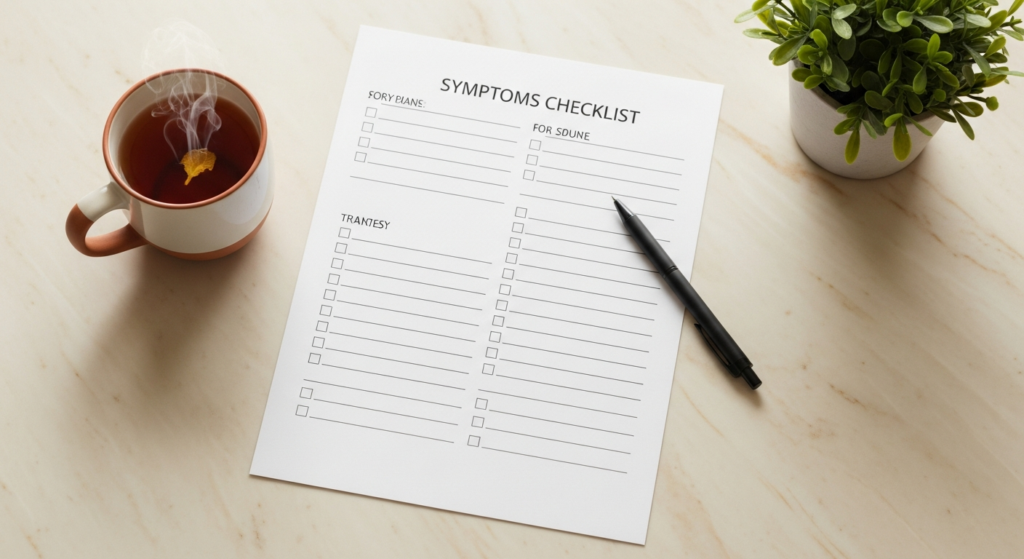
Practical Tip: Before your appointment, keep a detailed symptom journal for at least 2-4 weeks. Note down your symptoms, their severity, when they occur, and any potential triggers. This provides valuable information for your doctor and helps you advocate for yourself effectively.