Your Ultimate Guide to a Sparkling, Non-Toxic Home in 2026: Clean with Confidence and Care
Why Embrace Non-Toxic Cleaning? The Invisible Impact on Your Well-being
The allure of a gleaming surface or a fresh “lemon scent” from a conventional cleaner can be powerful. However, beneath that sparkling facade often lie ingredients with concerning health implications. For years, the cleaning product industry has operated with limited regulation on ingredient disclosure, meaning many common household products contain chemicals that, while effective at cleaning, can subtly erode our health over time. Understanding these hidden dangers is the first step toward making informed choices for your home and family.
Let’s break down some of the most common culprits and their potential effects:
* Volatile Organic Compounds (VOCs): These are gases emitted from certain solids or liquids, including many conventional cleaning products like air fresheners, oven cleaners, and floor polishes. Short-term exposure can cause headaches, nausea, dizziness, and irritation of the eyes, nose, and throat. Long-term exposure to high levels has been linked to kidney damage, liver damage, and central nervous system damage. VOCs also contribute to indoor air pollution, often at levels significantly higher than outdoors.
* Phthalates: Often hidden under the generic term “fragrance,” phthalates are chemicals used to make scents last longer. Research suggests phthalates are endocrine disruptors, meaning they can interfere with our hormone systems. This interference has been linked to reproductive issues, developmental problems, and even increased risk of certain cancers. Given that many cleaning products rely heavily on artificial fragrances, phthalates are a widespread concern.
* Ammonia: A powerful degreaser found in glass cleaners and floor waxes, ammonia can be a severe irritant. Inhaling its fumes can cause respiratory problems, especially for those with asthma or other lung conditions. When mixed with bleach (a common and dangerous mistake!), it creates toxic chloramine gases that can be fatal.
* Chlorine Bleach (Sodium Hypochlorite): While effective at disinfecting, bleach is a corrosive substance that can irritate the skin, eyes, and respiratory tract. Its fumes can trigger asthma attacks and chronic bronchitis. When mixed with other cleaners, it can produce highly toxic gases.
* Quaternary Ammonium Compounds (Quats): Often found in “antibacterial” cleaners and fabric softeners, quats are known respiratory irritants and have been linked to asthma. There’s also growing concern about their contribution to antibiotic resistance.
The science is clear: regular exposure to these chemicals, even in small doses, adds up. For women, who often bear the primary responsibility for household cleaning, and for children, whose developing bodies are more vulnerable, these exposures are particularly concerning. By choosing non-toxic alternatives, you’re not just cleaning your home; you’re safeguarding your health, reducing your body’s toxic burden, and creating a truly restorative environment for everyone under your roof. It’s an act of profound self-care and family wellness.
Decoding Labels: What to Look For (and Avoid) for a Healthier Clean
Navigating the cleaning aisle can feel like deciphering a secret code. Manufacturers often use vague terms or highlight “natural” ingredients while omitting crucial information about harmful ones. To truly make non-toxic choices, you need to become a savvy label reader.
What to Avoid (Red Flags on Labels):
* “Fragrance,” “Parfum,” or “Scent”: Unless specifically stated as derived from pure essential oils, these terms are often a catch-all for hundreds of undisclosed chemicals, including phthalates. Opt for products that are fragrance-free or scented with clearly listed essential oils.
* “Antibacterial”: While it sounds good, many antibacterial cleaners contain triclosan or quats, which contribute to antibiotic resistance and can be respiratory irritants. For most household cleaning, simple soap and water are sufficient to remove germs. Disinfecting with non-toxic options like hydrogen peroxide can be reserved for specific high-germ areas.
* “Warning,” “Danger,” “Corrosive,” “Irritant”: These signal highly caustic or irritating chemicals. While some natural ingredients can also be irritants in high concentrations (like pure essential oils), these warnings on conventional products often point to harsh synthetic compounds.
* Specific Chemicals to Steer Clear Of:
* Ammonia
* Chlorine Bleach (Sodium Hypochlorite)
* Phthalates (often hidden in “fragrance”)
* Formaldehyde (or formaldehyde-releasing preservatives like DMDM hydantoin)
* Parabens (methylparaben, propylparaben, etc.)
* Sodium Lauryl Sulfate (SLS) and Sodium Laureth Sulfate (SLES) – while sometimes plant-derived, they can be harsh skin and respiratory irritants.
* Glycol Ethers
* Ethanolamines (MEA, DEA, TEA)
* Perchloroethylene (PERC)
What to Look For (Green Flags & Certifications):
* Transparent Ingredient Lists: The best non-toxic products proudly list every ingredient, often with its source (e.g., “coconut-derived surfactant”). If a brand is hiding ingredients, it’s a red flag.
* Plant-Based and Mineral-Derived Ingredients: Look for ingredients like:
* Plant-based surfactants (e.g., decyl glucoside, lauryl glucoside, coco-glucoside)
* Citric acid
* Vinegar (acetic acid)
* Baking soda (sodium bicarbonate)
* Essential oils (lavender, lemon, tea tree, peppermint) for natural scent and some antimicrobial properties.
* Hydrogen peroxide (for disinfecting)
* Castile soap
* Third-Party Certifications: These labels indicate that a product has met rigorous standards for human health and environmental impact. Look for:
* EWG Verified™: The Environmental Working Group sets strict health standards, including full ingredient transparency and robust hazard screens.
* Safer Choice (EPA): The U.S. Environmental Protection Agency’s Safer Choice label identifies products that contain ingredients that are safer for human health and the environment.
* Green Seal: An independent non-profit that certifies products and services based on science-based environmental standards.
* Leaping Bunny: Certifies products as cruelty-free. While not directly related to chemical toxicity, it’s a common value for those seeking ethical products.
* “Fragrance-Free” or “Unscented”: These terms are generally reliable indicators that no artificial fragrances have been added. If you prefer a scent, look for products that explicitly state “scented with pure essential oils.”
Making the switch to non-toxic cleaning is an empowering journey. By understanding what you’re looking at on a label, you gain the power to choose products that truly nourish your home and your health.
The DIY Powerhouse: Simple Recipes for a Healthier Home
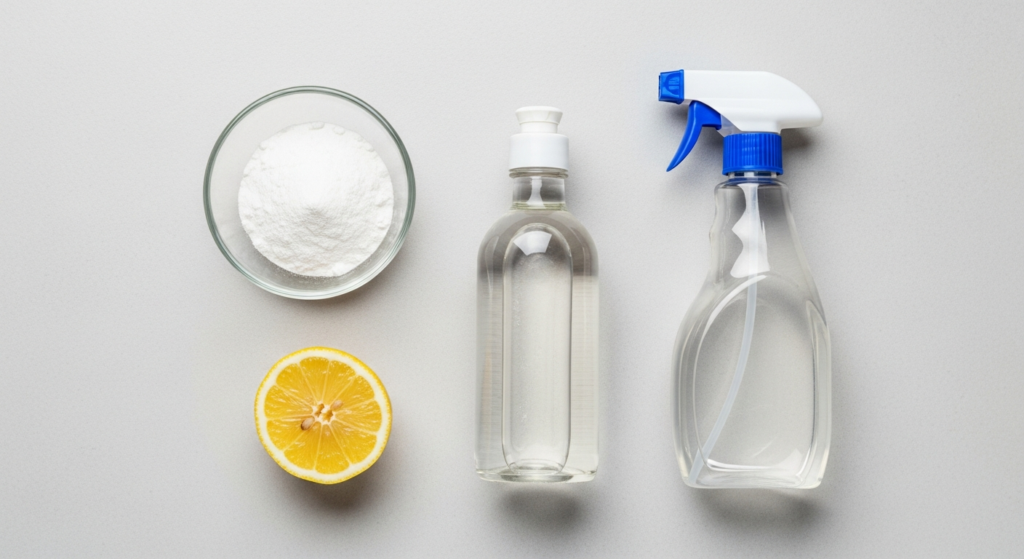
One of the most effective, economical, and truly non-toxic ways to clean your home is to harness the power of simple, natural ingredients you likely already have in your pantry. These DIY solutions are incredibly versatile, safe, and surprisingly effective. Plus, mixing your own cleaners gives you complete control over what goes into your home.
Here are the superstar ingredients and some essential recipes to get you started:
Your Non-Toxic Cleaning Toolkit Staples:
* White Vinegar: A natural disinfectant, deodorizer, and degreaser. Its acidity cuts through grease, soap scum, and mineral deposits. Don’t worry about the smell; it dissipates quickly as it dries.
* Baking Soda (Sodium Bicarbonate): A gentle abrasive, deodorizer, and mild alkali that helps break down dirt and grease.
* Castile Soap (Liquid): A concentrated, vegetable-oil based soap that’s incredibly versatile for general cleaning.
* Lemon Juice: A natural bleach alternative, degreaser, and fresh scent booster. Its acidity also helps dissolve mineral deposits.
* Hydrogen Peroxide (3% solution): A fantastic non-toxic disinfectant and whitener. Store it in its original dark bottle or an opaque spray bottle as light degrades it.
* Essential Oils (Optional): While not strictly for cleaning power, a few drops of essential oils like tea tree (antimicrobial), lemon (degreaser, fresh scent), lavender (calming scent), or peppermint (pest deterrent, fresh scent) can add a pleasant aroma and boost cleaning efficacy. Always use sparingly and research safety for pets/children.
DIY Cleaning Recipes to Master:
1. All-Purpose Cleaner (Your Everyday Hero):
* What you need: 1 cup white vinegar, 1 cup distilled water, 10-15 drops essential oil (lemon, tea tree, or lavender work well), 16 oz spray bottle.
* How to make: Combine vinegar and water in the spray bottle. Add essential oils. Shake gently before each use.
* How to use: Spray on countertops (avoid natural stone like granite/marble, as vinegar’s acidity can etch it), sinks, appliances, light switches, and other hard surfaces. Wipe clean with a microfiber cloth. For heavier grime, let it sit for a few minutes before wiping.
2. Glass and Mirror Cleaner (Streak-Free Shine):
* What you need: 1/2 cup white vinegar, 1/2 cup distilled water, 1/4 teaspoon liquid castile soap (optional, helps cut through residue), 10-15 drops essential oil (peppermint or lemon are great), 16 oz spray bottle.
* How to make: Combine all ingredients in the spray bottle. Shake gently.
* How to use: Spray a fine mist onto glass and mirrors. Wipe immediately with a clean, lint-free microfiber cloth or newspaper for a streak-free shine.
3. Soft Scrub for Bathrooms & Kitchens (Tough on Grime, Gentle on Surfaces):
* What you need: 1/2 cup baking soda, 1-2 tablespoons liquid castile soap, water (as needed to form a paste), 5-10 drops essential oil (tea tree or lemon for extra power).
* How to make: In a small bowl, combine baking soda and castile soap. Add water a teaspoon at a time, stirring until it forms a thick, spreadable paste. Add essential oils.
* How to use: Apply the paste to sinks, tubs, tiles, and stubborn kitchen grime with a damp sponge or brush. Let it sit for 5-10 minutes for tougher stains. Scrub gently and rinse thoroughly.
4. Drain Cleaner & Deodorizer (No Harsh Chemicals Needed):
* What you need: 1/2 cup baking soda, 1 cup white vinegar, boiling water.
* How to use: Pour the baking soda down the drain. Follow immediately with the white vinegar. You’ll see fizzing and bubbling – that’s the chemical reaction at work, breaking down grease and grime. Let it sit for 15-30 minutes (or longer for stubborn clogs). Finish by pouring a kettle of boiling water down the drain to flush everything away. Repeat if necessary.
5. Disinfecting Spray (When You Need Extra Power):
* What you need: 3% hydrogen peroxide, opaque spray bottle.
* How to make: Simply pour the hydrogen peroxide directly into an opaque spray bottle. Do not dilute unless specified for a particular use, and do not mix with vinegar in the same bottle.
* How to use: Spray directly onto surfaces you want to disinfect (e.g., cutting boards, toilet seats, doorknobs). Let it sit for 5-10 minutes to allow it to work its magic, then wipe clean. Hydrogen peroxide breaks down into water and oxygen, leaving no toxic residue.
Embracing DIY cleaning is a powerful step towards a non-toxic home. It’s not only healthier but also incredibly satisfying to know exactly what’s going into your cleaning routine.
Ready-Made Non-Toxic Solutions: Brands & Ingredients to Trust
While DIY cleaning is fantastic, we understand that life gets busy, and sometimes a ready-made solution is simply more convenient. The good news is that the market for genuinely non-toxic cleaning products has expanded significantly in 2026, offering effective and safe options. The key is to know what to look for beyond clever marketing.
Key Characteristics of Trustworthy Ready-Made Products:
Full Ingredient Transparency: A truly non-toxic brand will clearly list all* its ingredients, including fragrance components if they are derived from essential oils. If a brand uses vague terms or hides ingredients, it’s best to look elsewhere.
* Plant-Derived and Mineral-Based Formulations: Look for products that primarily use ingredients sourced from plants (like coconut, corn, or sugar) and minerals (like sodium bicarbonate, citric acid). These are generally more biodegradable and less harmful to both you and the environment.
* Absence of the “Dirty Dozen” (and More): Ensure the product explicitly states it’s free from common irritants and toxins like phthalates, parabens, artificial fragrances, dyes, chlorine bleach, ammonia, and harsh petrochemicals.
* Third-Party Certifications: As mentioned in the “Decoding Labels” section, certifications like EWG Verified™, EPA Safer Choice, and Green Seal provide an extra layer of assurance that the product has met stringent safety and environmental standards.
* Effectiveness: Non-toxic doesn’t mean ineffective. Reputable brands invest in formulations that perform well. Read reviews, but also trust your own experience.
Ingredient Types to Prioritize in Ready-Made Cleaners:
* Surfactants: Look for plant-derived surfactants such as decyl glucoside, lauryl glucoside, coco-glucoside, or sodium cocoyl isethionate. These create lather and help lift dirt without being overly harsh.
* Solvents: Ethanol (plant-derived alcohol), vinegar, and citric acid are common non-toxic solvents that help dissolve grease and grime.
* Scents: Pure essential oils (e.g., lemon, lavender, tea tree, peppermint) are the preferred choice for natural fragrance. Avoid anything listed as “fragrance” or “parfum” unless the brand specifies it’s 100% essential oil derived.
* Preservatives: Even natural products need preservatives to prevent mold and bacterial growth. Look for plant-derived options like potassium sorbate, sodium benzoate, or natural acids. Avoid formaldehyde-releasers or parabens.
* Thickeners/Stabilizers: These are often plant-based, like xanthan gum or cellulose gum, and are generally harmless.
Product Categories and What to Look For:
* All-Purpose Cleaners: Seek out concentrated formulas that can be diluted, reducing plastic waste. Look for plant-based surfactants and natural acids.
* Dish Soap: Opt for gentle, plant-based formulas that are tough on grease but kind to your hands and the environment.
* Laundry Detergent: Look for phosphate-free, dye-free, and fragrance-free (or essential oil-scented) options. Pods can be convenient, but ensure the casing is biodegradable.
* Bathroom Cleaners: Products with citric acid, baking soda, or hydrogen peroxide are excellent for tackling soap scum, hard water stains, and mildew without harsh fumes.
* Floor Cleaners: Choose formulas suitable for your specific flooring type (wood, tile, laminate) that are pH-neutral and free of harsh chemicals that can strip finishes or leave toxic residues.
Remember, even with ready-made solutions, a holistic approach means using them mindfully. Follow dilution instructions, ventilate your space, and store products safely. By prioritizing transparency, safe ingredients, and credible certifications, you can confidently choose effective non-toxic cleaners that align with your commitment to a healthier home.
Beyond the Bottle: Non-Toxic Cleaning Tools & Habits for a Pristine Home
While the ingredients in your cleaning products are paramount, a truly non-toxic and efficient cleaning routine extends far beyond the liquid in the bottle. The tools you use and the habits you cultivate play an equally significant role in maintaining a healthy, sparkling home. Embracing sustainable tools and mindful cleaning practices not only enhances your well-being but also reduces waste and your environmental footprint.
Essential Non-Toxic Cleaning Tools:
* Microfiber Cloths: These are game-changers. Their tiny fibers trap dirt, dust, and even bacteria effectively with just water, reducing the need for harsh chemical sprays. Invest in a good set for different tasks (dusting, polishing, scrubbing) and wash them regularly.
* Reusable Sponges & Brushes: Ditch disposable paper towels for washable cloths and choose sponges made from natural materials like cellulose or loofah. Invest in durable brushes with natural bristles for scrubbing tough spots.
* Scrub Brushes with Stiff Bristles: Essential for grout, tile, and stubborn messes. Look for ones with comfortable handles.
* Squeegee: For streak-free windows and showers, a good squeegee is indispensable.
* Spray Bottles: Essential for your DIY concoctions. Opt for glass or high-quality, durable plastic that can be reused countless times. Label them clearly!
* Vacuum Cleaner with a HEPA Filter: A HEPA filter traps tiny particles like dust mites, pet dander, and pollen, significantly improving indoor air quality. Regular vacuuming is crucial for removing allergens and dirt.
* Mop with Reusable Pads: Choose a mop system with washable, reusable pads over disposable ones.
* Steam Cleaner: For deep cleaning and sanitizing without chemicals, a steam cleaner is an excellent investment. It uses only hot water vapor to kill germs, dissolve grime, and refresh surfaces.
Cultivating Non-Toxic Cleaning Habits:
1. Ventilation is Key: Always open windows and doors while cleaning, even with non-toxic products, to ensure fresh air circulation. This helps dissipate any airborne particles and improves overall indoor air quality.
2. Clean as You Go: Tackle small messes immediately. Wiping spills right away prevents stains from setting and reduces the need for heavy-duty scrubbing later. This habit significantly lightens your cleaning load.
3. Declutter Regularly: Less clutter means fewer surfaces for dust and grime to accumulate. A decluttered home is inherently easier to clean and promotes a sense of calm.
4. Dust with Damp Cloths: Dry dusting merely redistributes dust. Use a slightly damp microfiber cloth to trap and remove dust particles effectively.
5. Wash Linens Frequently: Bedding, towels, and bath mats harbor dust mites and bacteria. Regular washing (with non-toxic detergent) keeps them fresh and clean.
6. Rotate Cleaning Tasks: Break down your cleaning into manageable daily, weekly, and monthly tasks. This prevents overwhelm and ensures a consistently clean home without needing intensive “deep cleans” all the time.
7. Embrace the Power of Sun: Sunlight is a natural disinfectant and deodorizer. Air out rugs, pillows, and blankets in direct sunlight periodically.
8. Mindful Storage: Store your cleaning supplies (DIY or ready-made) in a cool, dry place, out of reach of children and pets. Label everything clearly.
By integrating these tools and habits into your routine, you’ll discover that a clean, healthy home isn’t just about what you use, but how you approach the act of cleaning itself. It’s about creating systems that support your well-being, making your home a truly restorative sanctuary.
Making the Switch: Your Step-by-Step Transition Plan for 2026
Transitioning to a fully non-toxic cleaning routine doesn’t have to be an overwhelming overhaul. Think of it as a gradual, empowering journey. By taking small, intentional steps, you can slowly replace toxic products with healthier alternatives, allowing yourself and your family to adjust comfortably. Here’s a practical, step-by-step plan to guide your non-toxic transformation in 2026:
Phase 1: Awareness & Inventory (Week 1-2)
2. Take Inventory: Gather all your current cleaning products. Read their labels. Identify the ones with the most concerning ingredients (e.g., strong fragrances, “danger” warnings, bleach, ammonia). You might be surprised by what you find!
3. Prioritize High-Use Items: Which products do you use most frequently? All-purpose spray, dish soap, laundry detergent? These are excellent candidates for your first swaps, as they have the biggest impact on daily exposure.
4. Don’t Toss Everything At Once: There’s no need for a massive purge. Use up your current products if they are nearly empty, or safely dispose of full, particularly hazardous ones according to local waste guidelines. Don’t pour chemicals down the drain.
Phase 2: The First Swaps & DIY Exploration (Week 3-6)
1. Start with One DIY Recipe: Pick one simple recipe from our guide, like the all-purpose vinegar spray, and make it. Use it for a week or two to see how you like it. This builds confidence.
2. Swap Your First Ready-Made Product: Choose one high-use item (e.g., dish soap or laundry detergent) and purchase a certified non-toxic version. Refer to our “Ready-Made Solutions” section for guidance.
3. Introduce New Tools: Invest in a set of microfiber cloths and start using them for dusting and wiping down surfaces with just water or your new DIY spray.
4. Focus on Ventilation: Make it a habit to open windows every time you clean, even if you’re still using some conventional products.
Phase 3: Expanding Your Non-Toxic Arsenal (Month 2-4)
1. Introduce More DIY: Try a second or third DIY recipe, like the glass cleaner or bathroom soft scrub. See how they perform in different areas of your home.
2. Continue Swapping Gradually: As conventional products run out, replace them with non-toxic alternatives. Consider:
* Bathroom cleaners (toilet bowl, tub/tile)
* Floor cleaners
* Window cleaner
3. Address Specific Needs: If you have specific cleaning challenges (e.g., pet stains, mold), research non-toxic solutions for those particular issues. Hydrogen peroxide and baking soda are often excellent starting points.
4. Educate Your Family: Share your newfound knowledge with your household. Explain why you’re making these changes and involve them in the process. Older children can help mix DIY cleaners or use the new products.
Phase 4: Maintaining & Optimizing (Ongoing)
1. Stay Informed: The non-toxic market is always evolving. Periodically check trusted resources for new certifications, ingredients, and product reviews.
2. Refine Your Routine: What works best for your home and lifestyle? Adjust your DIY recipes, experiment with different essential oil blends, and find your favorite ready-made brands.
3. Review Cleaning Habits: Continue to practice good ventilation, clean as you go, and declutter regularly. These habits are foundational to a healthy home.
4. Share Your Knowledge: Inspire friends and family by sharing your journey and tips. Empowering others is a wonderful way to reinforce your own commitment.
Remember, this is not about perfection, but progress. Every non-toxic choice you make is a step towards a healthier, more vibrant home environment for you and your loved ones. Be patient with yourself, celebrate your small victories, and enjoy the peace of mind that comes with cleaning with confidence and care.
Frequently Asked Questions
Q1: Are non-toxic cleaners as effective as conventional ones, especially for disinfecting?▾
Q2: Are essential oils safe to use in cleaning products, especially around children and pets?▾
Q3: How do I properly store my DIY non-toxic cleaning products?▾
* Label clearly: Always label bottles with the contents and date made.
* Opaque bottles for hydrogen peroxide: Hydrogen peroxide degrades in light, so keep it in its original dark bottle or an opaque spray bottle.
* Cool, dark place: Store all cleaners in a cool, dark place, away from direct sunlight and heat, to prolong their shelf life.
* Out of reach: Just like conventional cleaners, keep all DIY solutions out of reach of children and pets. Even natural ingredients can be harmful if ingested in large quantities.
* Shelf life: Most DIY cleaners (especially those with vinegar) are best used within 1-2 months. If you notice a change in smell, color, or separation, it’s time to make a fresh batch.
Q4: My home still smells stale even after cleaning with non-toxic products. How can I naturally freshen the air?▾
* Ventilation: Open windows and doors regularly to air out your home, especially after cooking or cleaning.
* Baking soda: Place open bowls of baking soda in areas like the fridge, under sinks, or in closets to absorb odors. Change monthly.
* Activated charcoal: Activated charcoal bags are excellent natural odor absorbers for larger spaces.
* Essential oil diffusers: Use a diffuser with pure essential oils (e.g., citrus, peppermint, lavender) for a pleasant, natural aroma, ensuring good ventilation and considering pet/child safety.
* Houseplants: Many houseplants naturally filter indoor air and can improve air quality.
* Address the source: Identify and eliminate sources of odor, such as damp towels, pet beds, or garbage.