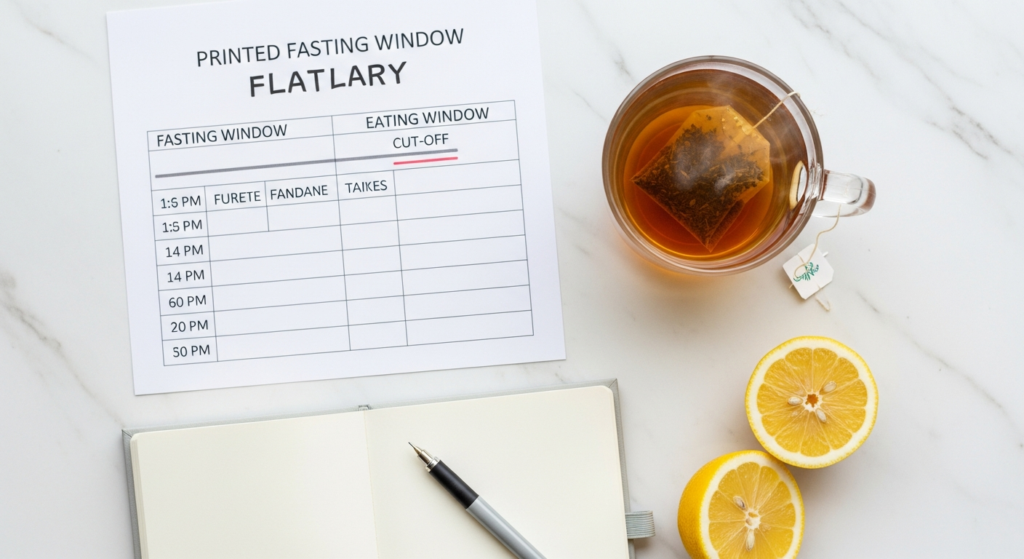
Intermittent Fasting for Women: Your Empowering Guide to Health & Wellness in 2026
What is Intermittent Fasting (IF) and Why Are Women Talking About It in 2026?
Intermittent fasting isn’t a diet in the traditional sense; it’s an eating pattern that cycles between periods of eating and voluntary fasting. Unlike diets that dictate what you eat, IF focuses on when you eat. The principle behind it is simple: when you fast, your body depletes its sugar stores and begins to burn fat for energy, a process known as metabolic switching. This shift can trigger a cascade of beneficial cellular and hormonal changes.
In recent years, research has illuminated several potential benefits of IF, making it a hot topic for women seeking to optimize their health:
* Weight Management: Many women find IF helps with weight loss and maintaining a healthy weight by naturally reducing calorie intake and improving fat burning.
* Improved Metabolic Health: Studies suggest IF can enhance insulin sensitivity, which is crucial for blood sugar regulation and can reduce the risk of type 2 diabetes.
* Cellular Repair and Longevity: During fasting, your body initiates cellular repair processes, including autophagy – where cells remove old, damaged components. This is linked to anti-aging benefits and disease prevention.
* Reduced Inflammation: Chronic inflammation is a root cause of many diseases. IF has shown promise in reducing inflammatory markers in the body.
* Brain Health: Some research indicates IF may support brain health by boosting brain-derived neurotrophic factor (BDNF), a protein that aids in the growth and survival of neurons.
* Hormonal Balance (with caution): When approached correctly, IF can positively influence hormones like insulin and growth hormone, which play roles in metabolism and body composition.
While these benefits are compelling, it’s vital for women to understand that our bodies often respond differently to dietary interventions than men’s. Our intricate hormonal systems, particularly those governing reproduction and stress, require a nuanced approach to IF. This isn’t about fear-mongering, but about empowering you with the knowledge to fast intelligently and safely.
The Female Fasting Difference: Why Women Need a Tailored Approach
This is perhaps the most critical section for any woman considering intermittent fasting. While men often thrive on longer, more restrictive fasting protocols, women’s bodies are exquisitely sensitive to energy availability. Our reproductive system, in particular, is highly tuned to signals of nutrient abundance or scarcity.
Here’s why a “one-size-fits-all” approach to IF often falls short for women:
* Hormonal Sensitivity: Women’s bodies are wired for reproduction. If the body perceives a lack of sufficient energy (even if temporary, like during prolonged fasting), it can interpret this as a sign of famine or stress. This can disrupt the delicate balance of hormones like estrogen, progesterone, and luteinizing hormone (LH), which regulate our menstrual cycles, fertility, and mood.
* Menstrual Cycle Impact: For women in their reproductive years, aggressive or prolonged fasting can potentially lead to irregular periods, amenorrhea (loss of menstruation), or exacerbate pre-existing hormonal imbalances. This is because the hypothalamus, a key brain region, can suppress signals to the ovaries if it senses energy stress.
* Thyroid Function: The thyroid gland is crucial for metabolism. Excessive fasting or calorie restriction can sometimes impact thyroid hormone production, leading to symptoms like fatigue, weight gain, and hair loss.
* Cortisol and Stress Response: Fasting is a mild stressor on the body. While a little stress can be beneficial (hormesis), too much, especially when combined with existing life stressors, can elevate cortisol levels. Chronically high cortisol can lead to anxiety, sleep disturbances, weight gain (especially around the abdomen), and further hormonal disruption.
* Pregnancy and Breastfeeding: Intermittent fasting is generally NOT recommended for pregnant or breastfeeding women. These periods require consistent nutrient intake to support both mother and baby.
* Underlying Conditions: Women with a history of eating disorders, adrenal fatigue, hypothalamic amenorrhea, or certain chronic illnesses should approach IF with extreme caution, if at all, and always under medical supervision.
The Veralyn Media Takeaway: This doesn’t mean women shouldn’t fast. It means we must fast smarter. Prioritize shorter fasting windows, listen intently to your body’s signals, and be prepared to adjust or stop if you experience adverse effects. Your health, hormonal balance, and overall well-being are paramount.
Popular IF Methods for Women: Finding Your Rhythm
With the understanding that a gentle, adaptive approach is key for women, let’s explore some popular intermittent fasting methods and how to tailor them for optimal female health:
1. The 16/8 Method (Time-Restricted Eating)
This is arguably the most popular and often recommended method for women, especially beginners. It involves fasting for 16 hours and having an 8-hour eating window.
* How it Works: You might skip breakfast, eat your first meal at noon, and finish eating by 8 PM. Or eat from 9 AM to 5 PM, whatever fits your schedule. Water, black coffee, and plain tea are allowed during the fasting window.
* Why it’s Good for Women: The 16-hour fast is generally well-tolerated and less likely to trigger significant hormonal stress compared to longer fasts. It’s relatively easy to integrate into daily life.
* Veralyn Media Tip: Start with 12-14 hours of fasting and gradually extend to 16 if you feel good. Consider shortening your fasts to 12-14 hours during the week leading up to your period and during your period itself, when your body’s energy demands might be higher. Focus on nutrient-dense meals within your eating window.
2. The 5:2 Method (The “Fast Diet”)
This method involves eating normally for five days of the week and restricting calorie intake to 500-600 calories on two non-consecutive days.
* How it Works: On your “fasting” days, you’d consume two small meals (e.g., 250 calories each) or one larger meal.
* Why it’s Good for Women (with caveats): Some women find the flexibility appealing. The fasting days are not true “zero-calorie” fasts, which can make it feel less restrictive.
* Veralyn Media Tip: If you choose this method, ensure your “normal eating” days are truly nourishing and balanced, not an excuse for overeating processed foods. Listen to your body on fast days; if you feel overly fatigued or irritable, this method might be too strenuous. This method can sometimes be more challenging for women due to sustained calorie restriction on fasting days, so proceed cautiously.
3. Eat-Stop-Eat (24-Hour Fast)
This involves a full 24-hour fast, once or twice a week.
* How it Works: You might finish dinner at 7 PM on Monday and not eat again until 7 PM on Tuesday.
Why it’s Good for Women (with significant caveats): This is generally not* recommended as a regular practice for most women due to the potential for hormonal disruption. It can be overly stressful for the female body.
* Veralyn Media Tip: If you’re an experienced faster and curious about this method, consider trying it very infrequently (e.g., once a month) and only if you are feeling exceptionally well and have no underlying health concerns. Always prioritize shorter fasting windows first.
4. OMAD (One Meal A Day)
As the name suggests, this involves eating only one meal a day.
* How it Works: You consume all your day’s calories and nutrients within a single, usually large, meal.
Why it’s Good for Women (with significant caveats): Similar to Eat-Stop-Eat, OMAD is generally not* recommended for women as a regular, long-term practice. It can be very difficult to consume all necessary nutrients in one meal and often leads to excessive stress on the female system.
* Veralyn Media Tip: This method is often too restrictive for women’s hormonal balance and nutrient needs. If you’re drawn to it, consider it a very occasional practice rather than a consistent routine.
Important Note: The best method is the one that you can sustain, that makes you feel good, and that supports your overall health goals without causing undue stress or negative side effects. Always prioritize listening to your body.
How to Start Intermittent Fasting Safely and Sustainably (A Step-by-Step Guide)
Ready to give IF a try? Here’s a practical, step-by-step guide to help you begin your journey with confidence and care:
Step 1: Consult Your Healthcare Provider
Before making any significant dietary changes, especially if you have underlying health conditions (diabetes, thyroid issues, PCOS), are on medication, or have a history of eating disorders, it is crucial to speak with your doctor or a registered dietitian. They can help determine if IF is safe and appropriate for you.
Step 2: Start Slow and Gentle
Don’t jump straight into a 16-hour fast.
* Begin with a 12-hour fast: This is often a natural fasting window for many people (e.g., finish dinner at 7 PM, eat breakfast at 7 AM). This allows your body to get comfortable with the concept.
* Gradually extend: If 12 hours feels good after a week or two, try 13 hours, then 14, and eventually 16 hours if that’s your goal. The key is gradual adaptation.
Step 3: Prioritize Hydration
During your fasting window, hydration is paramount.
* Drink plenty of water: Aim for at least 8-10 glasses of filtered water throughout the day.
* Electrolytes are your friend: Especially if you’re experiencing headaches or fatigue, consider adding a pinch of Himalayan pink salt to your water or using a high-quality, sugar-free electrolyte supplement. This helps maintain crucial mineral balance.
* Unsweetened beverages: Black coffee, plain tea (green, herbal), and sparkling water are generally fine during your fast. Avoid anything with sugar, artificial sweeteners, or milk/cream, as these can break your fast.
Step 4: Focus on Nutrient-Dense Meals During Your Eating Window
Intermittent fasting is not an excuse to eat unhealthy foods. What you eat during your eating window is just as important, if not more so, than when you eat.
* Balanced macros: Ensure your meals include adequate protein, healthy fats, and complex carbohydrates.
* Protein: Lean meats, fish, eggs, legumes, tofu. Crucial for satiety and muscle maintenance.
* Healthy Fats: Avocados, nuts, seeds, olive oil. Support hormone production and provide sustained energy.
* Complex Carbs: Whole grains, fruits, vegetables. Provide fiber, vitamins, and minerals.
* Load up on fiber: Vegetables, fruits, and whole grains keep you feeling full and support gut health.
* Avoid processed foods: Minimize sugar, refined grains, and unhealthy fats, as these can negate the benefits of IF and lead to energy crashes.
Step 5: Listen to Your Body – It’s Your Best Guide
This is non-negotiable for women.
* Pay attention to hunger cues: While some hunger is normal, intense, debilitating hunger is a sign to eat.
* Monitor energy levels: If you’re consistently feeling fatigued, irritable, or experiencing “brain fog,” your current fasting protocol might be too aggressive.
* Track your cycle: Notice if IF impacts your menstrual cycle. If you experience irregularities, shorten your fasting window or pause IF altogether.
* Don’t force it: If a particular fasting method makes you feel unwell, anxious, or obsessed with food, it’s not serving your health. Adjust or stop.
Step 6: Prioritize Sleep and Stress Management
IF works synergistically with other healthy habits.
* Quality Sleep: Aim for 7-9 hours of restorative sleep each night. Poor sleep can disrupt hunger hormones and increase cortisol.
* Stress Reduction: Incorporate practices like meditation, yoga, deep breathing, or spending time in nature to manage stress. High stress levels can counteract the benefits of IF by elevating cortisol.
Recommended Tools/Resources:
* High-Quality Water Bottle: Staying hydrated is easier with a good bottle.
* Electrolyte Supplement: Look for brands with no artificial sweeteners (e.g., LMNT, Redmond Re-Lyte, or simply sea salt).
* Mindfulness Apps: Headspace, Calm, or Insight Timer for stress management.
* Food Journal/Tracking App: To monitor your eating window and nutrient intake initially (e.g., MyFitnessPal, Cronometer).
Navigating Challenges and Optimizing Your IF Journey
Even with the best intentions, you might encounter bumps on your IF journey. Here’s how to troubleshoot common issues and optimize your experience:
Challenge 1: Intense Hunger or “Hangry” Feelings
* Solution:
* Hydrate more: Often, thirst is mistaken for hunger. Drink a large glass of water, black coffee, or herbal tea.
* Add electrolytes: Sometimes mineral depletion can cause cravings.
* Shorten your fast: If you’re consistently ravenous, your fasting window might be too long. Don’t be afraid to adjust.
* Ensure nutrient density: Are you getting enough protein, fiber, and healthy fats in your eating window? These are crucial for satiety.
Challenge 2: Low Energy or “Fasting Flu”
* Solution:
* Electrolytes again! This is a primary culprit.
* Ease in gradually: If you jumped into 16 hours, scale back to 12-14 hours.
* Check your sleep: Are you getting enough quality sleep?
* Review calorie intake: Are you eating enough during your eating window to meet your body’s needs? Undereating can lead to fatigue.
Challenge 3: Social Situations and Meal Planning
* Solution:
* Be flexible: IF doesn’t have to be rigid. If you have a social event, shift your eating window for that day. It’s okay to break your routine occasionally.
* Communicate: Let friends and family know you’re trying a new eating pattern. Most people are understanding.
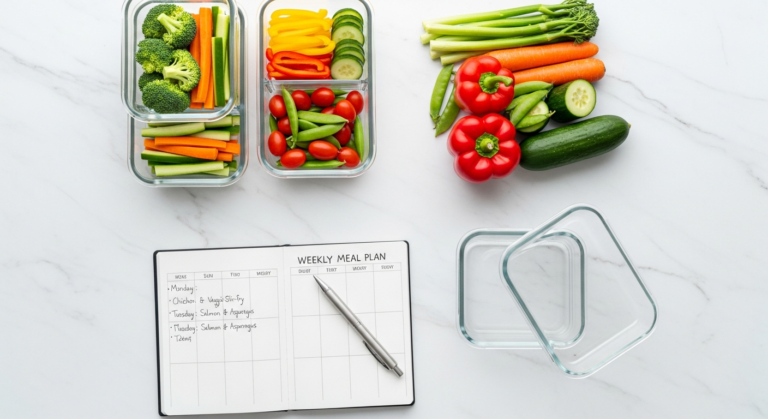
* Meal prep: Plan your meals during your eating window to ensure you have healthy options readily available, preventing impulsive, less nutritious choices.
Challenge 4: Plateaus or Lack of Results
* Solution:
* Re-evaluate your eating window: Are you truly sticking to it, or are small snacks creeping in?
* Assess food quality: Are you eating processed foods, or nutrient-dense whole foods?
* Check overall calorie intake: Are you inadvertently overeating during your eating window, or perhaps undereating, which can slow metabolism?
* Incorporate movement: Regular physical activity (a mix of strength training and cardio) can boost metabolism and complement IF.
* Manage stress and sleep: Chronic stress and poor sleep can hinder progress.
* Consider a “refeed” day: Occasionally increasing calories or shortening your fast can sometimes help reset metabolism, especially for women.
Challenge 5: Impact on Menstrual Cycle or Mood
* Solution:
* IMMEDIATELY shorten fasts: Reduce your fasting window to 12-14 hours, or even stop IF for a cycle or two to see if things normalize.
* Prioritize nutrient intake: Ensure you’re getting enough healthy fats (avocado, nuts, seeds, olive oil) which are vital for hormone production.
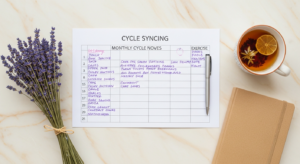
* Reduce intensity around your cycle: Consider taking a break from IF during your luteal phase (the week before your period) and during your period, when your body might need more consistent energy. This cyclical approach can be very effective for women.
* Consult your doctor: If irregularities persist, seek medical advice.
Beyond the Fast: Lifestyle Pillars for Holistic Wellness
Intermittent fasting is a powerful tool, but it’s just one piece of the puzzle when it comes to holistic women’s health. For truly transformative and sustainable well-being in 2026 and beyond, IF must be integrated into a lifestyle that supports your entire being.
Here are the crucial pillars that work hand-in-hand with IF:
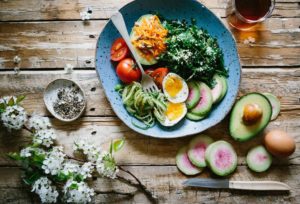
* Nutrient-Dense, Whole Foods: As we’ve emphasized, what you eat matters immensely. Prioritize colorful fruits and vegetables, lean proteins, healthy fats, and complex carbohydrates. Think of food as medicine and fuel for your body.
* Consistent, Quality Sleep: Sleep is foundational. It’s when your body repairs, detoxifies, and balances hormones. Aim for 7-9 hours of uninterrupted sleep. Create a relaxing bedtime routine and optimize your sleep environment.
* Regular Movement: Find joy in moving your body. This doesn’t mean punishing workouts; it means activities you love, whether it’s brisk walking, dancing, strength training, yoga, or hiking. Movement improves circulation, mood, muscle mass, and metabolic flexibility.
* Effective Stress Management: Chronic stress is a silent disruptor of hormonal balance and overall health. Incorporate daily practices that help you de-stress: meditation, deep breathing, journaling, spending time in nature, connecting with loved ones, or engaging in hobbies.
* Mindful Eating: Even within your eating window, practice mindful eating. Pay attention to your hunger and fullness cues, savor your food, and eat without distractions. This enhances digestion and helps you feel truly satisfied.
* Community and Connection: Humans are social beings. Nurture your relationships and seek out supportive communities. Emotional well-being is deeply intertwined with physical health.
When you weave these pillars together with a mindful, adaptable approach to intermittent fasting, you create a robust foundation for enduring health, vitality, and a truly empowered life.