
Your 2026 Guide to a Toxin-Reduced Home: Nurturing Wellness from the Inside Out
Breathe Easier: Elevating Your Indoor Air Quality
The air inside our homes can often be more polluted than the air outside, a reality that often surprises us. Volatile Organic Compounds (VOCs) from paints, furnishings, and cleaning products, along with dust, mold spores, pet dander, and synthetic fragrances, can all contribute to poor indoor air quality. These airborne guests can irritate respiratory systems, trigger allergies, and even disrupt endocrine function over time. But don’t fret – transforming your indoor air is one of the most impactful steps you can take.
Simple Steps to Fresher Air:
- Ventilate, Ventilate, Ventilate: It sounds basic, but opening windows daily, even for just 10-15 minutes, can dramatically improve air circulation and flush out stale, toxin-laden air. Make it a morning ritual! Use exhaust fans in bathrooms and kitchens to remove moisture and cooking fumes, preventing mold growth and particulate buildup.
- Embrace Nature’s Air Purifiers: Certain houseplants are celebrated for their ability to filter common airborne toxins. While they aren’t a complete solution, incorporating plants like snake plants, peace lilies, spider plants, and Boston ferns can contribute positively to your indoor environment. Plus, they add a touch of natural beauty and serenity. Remember to wipe their leaves occasionally to maximize their air-purifying efficiency.
- Invest in a Quality Air Purifier: For a more robust approach, consider a portable or whole-house air purifier equipped with a HEPA filter (to capture particulate matter like dust, pollen, and pet dander) and an activated carbon filter (to absorb VOCs and odors). Place portable units in rooms where you spend the most time, such as bedrooms and living areas.
- Ditch Synthetic Fragrances: Those lovely-smelling candles, plug-in air fresheners, and aerosol sprays are often packed with phthalates and other synthetic chemicals known to be endocrine disruptors and respiratory irritants. Opt for natural alternatives like diffusing pure essential oils (use sparingly and with good ventilation), simmering spices on the stove, or simply relying on good old fresh air.
- Dust and Vacuum Regularly: Dust isn’t just unsightly; it’s a carrier for chemicals, allergens, and heavy metals. Dust surfaces with a damp cloth to trap particles rather than just redistributing them. Vacuum at least once a week using a vacuum cleaner with a HEPA filter to effectively capture fine particles that can irritate your lungs.
- Control Humidity to Prevent Mold: Mold thrives in damp environments. Address any leaks promptly, use dehumidifiers in humid areas like basements, and ensure good ventilation in bathrooms. If you suspect mold, especially after water damage, consider professional inspection and remediation.
Clean Smart: Detoxifying Your Cleaning Routine
Our cleaning cabinets often house some of the most potent chemical cocktails in our homes. Products designed to make our spaces sparkle can inadvertently expose us to harsh chemicals like phthalates, ammonia, chlorine bleach, and synthetic fragrances, all linked to respiratory issues, skin irritation, and endocrine disruption. The good news is that a truly clean home doesn’t require toxic chemicals.
Transforming Your Cleaning Arsenal:
- Embrace DIY Powerhouses: Many effective cleaning solutions can be whipped up with simple, inexpensive, and non-toxic ingredients you likely already have.
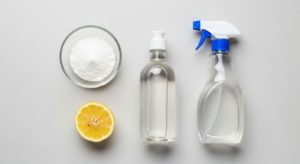
- All-Purpose Cleaner: Mix equal parts white vinegar and water, add a few drops of lemon or tea tree essential oil for scent and antimicrobial boost (optional). Great for countertops, floors, and general surfaces.
- Glass Cleaner: Combine 1 part white vinegar, 1 part water, and 1-2 tablespoons of cornstarch (helps prevent streaks).
- Scrubbing Paste: Baking soda mixed with a little water creates a gentle abrasive paste perfect for sinks, tubs, and stovetops.
- Disinfectant: Hydrogen peroxide (3%) is an excellent, non-toxic disinfectant. Spray on surfaces, let sit for 5-10 minutes, then wipe.
- Choose Wisely with Store-Bought Products: If DIY isn’t your thing, seek out truly non-toxic brands. Look for certifications like EWG Verified, USDA Organic, or Green Seal. Prioritize products with transparent ingredient lists, avoiding those that simply list “fragrance” (a common hiding place for phthalates) or vague terms. Opt for plant-based, biodegradable formulas.
- Harness the Power of Microfiber: High-quality microfiber cloths can clean most surfaces effectively with just water, reducing the need for chemical sprays. Their tiny fibers trap dirt, dust, and grime without leaving streaks.
- Rethink Your Laundry Routine: Conventional laundry detergents often contain synthetic fragrances, dyes, and optical brighteners that can irritate skin and respiratory systems. Switch to unscented, plant-based detergents. For fabric softening, use white vinegar in the rinse cycle or wool dryer balls (which also reduce drying time) instead of chemical-laden dryer sheets.
- Read Labels and Research: Become an ingredient detective. Familiarize yourself with common problematic chemicals (e.g., parabens, phthalates, triclosan, ammonia, chlorine bleach) and actively avoid them. Resources like the Environmental Working Group (EWG) provide valuable databases to help you assess product safety.
Hydration & Nutrition: What You Consume Matters
Our bodies are magnificent, but they need clean fuel and hydration to thrive. The food we eat and the water we drink can either nourish us deeply or contribute to our toxic load. From contaminants in tap water to chemicals leaching from food storage and cookware, there are many opportunities to make healthier choices that directly impact our internal environment.
Nourishing Your Body Safely:
- Filter Your Water: Tap water, while generally safe, can contain a cocktail of contaminants including chlorine, heavy metals, pesticides, pharmaceuticals, and microplastics. Investing in a good water filtration system is one of the best ways to reduce your exposure.
- Options: Consider a whole-house filter, an under-sink reverse osmosis system for drinking and cooking water, or a high-quality pitcher filter. Research what contaminants are prevalent in your local water supply (your city’s annual water quality report is a good starting point) to choose the most effective filter.
- Rethink Food Storage: Plastics, especially when heated or scratched, can leach chemicals like BPA, BPS, and phthalates into your food. These are known endocrine disruptors.
- Switch to Safes: Opt for glass containers, stainless steel, or ceramic for food storage. Use beeswax wraps or silicone lids instead of plastic wrap. Never microwave food in plastic containers.
- Choose Healthier Cookware: Many non-stick pans are coated with chemicals (PFAS, PFOA) that can release harmful fumes when heated and chip into your food. These “forever chemicals” are linked to various health issues.
- Safer Alternatives: Embrace cast iron, stainless steel, ceramic, or glass cookware. They are durable, effective, and free from concerning chemical coatings.
- Prioritize Organic and Wash Produce Thoroughly: Pesticide residues on conventional produce can contribute to your body’s toxic burden. Prioritize organic options for items on the “Dirty Dozen” list (foods with the highest pesticide residues). For all produce, wash thoroughly under running water, and consider a produce wash or a baking soda soak (1 tsp baking soda per 2 cups water) to help remove residues.
- Reduce Processed Foods: Highly processed foods often come with excessive packaging (more plastic exposure), artificial additives, preservatives, and questionable ingredients. Focusing on whole, unprocessed foods naturally reduces your exposure to these elements.
Personal Care & Textiles: Your Body’s First Line of Defense
What we put on our bodies is just as important as what we put in them. Our skin is our largest organ, absorbing many of the ingredients in our personal care products. Similarly, the textiles we sleep on and wear daily can expose us to flame retardants, PFAS (per- and polyfluoroalkyl substances), and synthetic dyes. Making conscious choices here significantly reduces direct and prolonged exposure to potential toxins.
Curating a Clean Personal Care and Textile Collection:
- Embrace “Clean Beauty”: The beauty industry is notorious for its lack of regulation, allowing many products to contain ingredients linked to hormone disruption, allergies, and even cancer.
- Become a Label Detective: Scrutinize ingredient lists. Look for products free of parabens, phthalates (often hidden under “fragrance”), synthetic dyes, sulfates, and formaldehyde-releasing preservatives.
- Use Trusted Resources: Apps like EWG Skin Deep and Think Dirty provide ratings and information on ingredients in cosmetics and personal care products, helping you make informed choices.
- Less is More: Simplify your routine. Often, we use more products than necessary. Focus on high-quality, multi-purpose items with minimal, natural ingredients.
- Consider DIY: Simple skincare like coconut oil as a moisturizer or apple cider vinegar as a toner can be incredibly effective and entirely toxin-free.
- Rethink Your Hair and Skin Routines: From shampoos to lotions, every product offers an opportunity to choose cleaner. Look for fragrance-free, plant-based options. For sunscreen, opt for mineral-based formulas (zinc oxide, titanium dioxide) over chemical ones.
- Choose Natural Textiles: Many conventional fabrics are treated with chemicals, dyes, and finishes.
- Bedding & Towels: Prioritize organic cotton, linen, or hemp for bedding, towels, and clothing that directly touches your skin. These natural fibers are grown without harmful pesticides and processed without harsh chemicals. Look for certifications like GOTS (Global Organic Textile Standard).
- Clothing: Wash all new clothes before wearing them to remove any manufacturing residues. Gradually replace synthetic fabrics (like polyester, acrylic, nylon) with natural fibers. Synthetics can shed microplastics during washing and often contain chemical finishes.
- Avoid “Stain-Resistant” or “Waterproof”: These treatments often indicate the presence of PFAS chemicals, which are incredibly persistent and linked to numerous health concerns.
- Mattress Matters: Our mattresses can be significant sources of VOCs and chemical flame retardants. When purchasing a new mattress, look for certifications like GOTS, GOLS (Global Organic Latex Standard), or GREENGUARD Gold, which indicate lower chemical emissions. Consider natural latex, organic cotton, or wool options.
Furniture & Decor: Building a Healthier Home from the Ground Up
The very structure and furnishings of our homes can introduce toxins into our environment. New furniture, carpets, and paints can off-gas VOCs for months or even years. Older homes might harbor lead paint or asbestos. Being mindful of these potential sources allows us to make smarter choices when furnishing, decorating, or renovating.
Thoughtful Choices for Your Living Space:
- Ventilate New Purchases: That “new furniture smell” is often VOCs being released. If possible, unbox and “off-gas” new furniture, mattresses, or carpets in a well-ventilated area (like a garage or outdoors) for a few days before bringing them into your main living space.
- Choose Furniture Wisely:
- Solid Wood Over Particleboard: Particleboard, MDF, and plywood often use adhesives containing formaldehyde, a known carcinogen. Opt for solid wood furniture when possible. If you choose engineered wood, look for pieces made with low-VOC or no-VOC glues.
- Natural Upholstery: Select furniture upholstered with natural fibers like organic cotton, wool, linen, or hemp. Inquire about flame retardants – many manufacturers have moved away from chemical flame retardants, but it’s always good to ask.
- Certifications: Look for GREENGUARD Gold certification, which indicates products meet rigorous chemical emissions standards, contributing to healthier indoor air.
- Paint with Purpose: Conventional paints are a major source of VOCs. When repainting, choose low-VOC or no-VOC paints. Many brands now offer high-quality, durable options that are much safer for indoor air. Ensure good ventilation during and after painting.
- Flooring Choices:
- Hard Surfaces: Hardwood, tile, cork, and natural linoleum are generally excellent, low-toxin flooring options. They are easier to clean and don’t trap dust and allergens like carpet can.
- Carpet Considerations: If you prefer carpet, choose natural fiber options (wool, sisal, organic cotton) with natural backings and low-VOC adhesives. Avoid synthetic carpets which can off-gas VOCs and shed microplastic fibers.
- Manage Dust, Especially in Older Homes: Older homes may have lead paint (if built before 1978) or asbestos. While undisturbed, these materials are often harmless, but renovation work can release dangerous particles. Regular, damp dusting and HEPA vacuuming are crucial to control dust that might contain lead particles from old paint. If renovating an older home, consult with professionals for testing and safe removal of hazardous materials.
Embrace Simplicity: Mindful Consumption and Decluttering
Beyond the specific toxins in products, our overall approach to consumption and home organization plays a significant role in our home’s toxic load. More stuff often means more surfaces for dust and chemicals to accumulate, more manufacturing processes impacting the environment, and potentially more synthetic materials off-gassing into your space. Embracing simplicity and mindful consumption is a holistic step toward a healthier home and a more peaceful mind.
Cultivating a Mindful Home:
- Declutter Regularly: A cluttered home is harder to clean and can accumulate more dust, which, as we’ve learned, can carry toxins. Regularly decluttering helps you maintain a cleaner, more organized space. It also reduces the sheer volume of items that might be off-gassing or shedding microparticles.
- Buy Less, Choose Well: Adopt a “quality over quantity” mindset. Invest in durable, well-made items made from natural, non-toxic materials that will last. This reduces waste, minimizes your exposure to new product off-gassing, and often supports ethical manufacturing.
- Secondhand Savvy: Buying secondhand furniture and decor is an excellent way to reduce toxins. Most off-gassing from VOCs occurs within the first few months or years, so pre-owned items have often completed this process. Plus, it’s sustainable and often more budget-friendly! Always clean secondhand items thoroughly before bringing them into your home.
- Minimize Plastics Beyond the Kitchen: Think about plastics in other areas of your home. Toys, shower curtains, storage bins, and even certain electronics can contain problematic chemicals. Where possible, choose alternatives like wood, metal, glass, or natural rubber for toys and storage.
- Connect to Your Space: Ultimately, creating a toxin-reduced home is about more than just avoiding chemicals; it’s about fostering a deeper connection to your living environment. Be intentional about what you bring into your home, how you care for it, and how it makes you feel. A mindful approach to your home is an extension of self-care.