Your Ultimate Guide to Naturally Reducing Cortisol Levels: Reclaim Your Calm & Vitality
Understanding Cortisol: The Stress Hormone’s Double-Edged Sword
Cortisol, often dubbed the “stress hormone,” is a glucocorticoid hormone produced by your adrenal glands. It’s a vital component of your body’s “fight or flight” response, designed to help you survive perceived threats. When you encounter stress – whether it’s a physical danger, a tight deadline, or even an emotional upset – your brain signals your adrenal glands to release cortisol. This surge provides a quick burst of energy, heightens alertness, and temporarily suppresses non-essential bodily functions to help you respond to the immediate challenge.
In the short term, cortisol is incredibly beneficial. It helps regulate blood sugar, reduces inflammation, assists with memory formation, controls salt and water balance, and even influences blood pressure. It functions on a circadian rhythm, naturally peaking in the morning to help you wake up and gradually declining throughout the day to prepare you for sleep.
However, the modern world often keeps us in a state of chronic, low-grade stress. Unlike our ancestors who faced acute, short-lived stressors, we now contend with ongoing pressures that keep our cortisol levels elevated for extended periods. This chronic elevation is where the double-edged sword reveals its sharper side. For women, in particular, sustained high cortisol can disrupt delicate hormonal balances, leading to a cascade of unwelcome symptoms:
- Weight Gain: Especially around the abdomen, as cortisol can signal the body to store fat and increase cravings for sugary, high-fat foods.
- Sleep Disturbances: High cortisol at night can interfere with melatonin production, making it difficult to fall asleep or stay asleep.
- Mood Swings, Anxiety, and Depression: Cortisol impacts neurotransmitter function, affecting emotional regulation.
- Fatigue and Burnout: Paradoxically, despite the initial energy boost, chronic cortisol can lead to adrenal fatigue.
- Digestive Issues: Stress diverts energy from digestion, leading to symptoms like IBS.
- Weakened Immune Function: While initially anti-inflammatory, chronic cortisol can suppress the immune system, making you more susceptible to illness.
- Hormonal Imbalances: Can affect thyroid function, estrogen, and progesterone, impacting menstrual cycles, fertility, and menopausal symptoms.
- Reduced Bone Density: Long-term high cortisol can interfere with bone formation.
Understanding this intricate dance between stress and your body is the first step towards taking control. Recognizing the symptoms of elevated cortisol is your body’s way of asking for help, and thankfully, there are many natural, effective ways to respond.
Mind-Body Connection: Mastering Stress Through Mindfulness & Relaxation
One of the most powerful ways to reduce cortisol is to directly address its root cause: your perception and response to stress. By engaging the parasympathetic nervous system – your body’s “rest and digest” mode – you can signal your adrenals to slow down cortisol production. This isn’t just about feeling good; it’s about altering your physiological response to life’s challenges.
Practical Steps for Cultivating Calm:
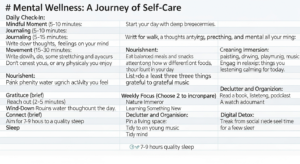
- Mindful Meditation: Even a few minutes a day can make a profound difference.
- How-to: Find a quiet space. Sit comfortably. Close your eyes or soften your gaze. Focus on your breath, noticing the sensation of air entering and leaving your body. When your mind wanders (and it will!), gently guide it back to your breath.
- Recommendation: Start with 5-10 minutes daily. Gradually increase as you feel comfortable. Apps like Calm, Headspace, or Insight Timer offer guided meditations for all levels.
- Science Says: Research consistently shows that mindfulness meditation reduces cortisol levels and improves resilience to stress.
- Deep Breathing Exercises (Pranayama): Simple yet incredibly effective for immediate stress reduction.
- How-to: Try “Box Breathing” (or 4-4-4-4 breathing): Inhale deeply through your nose for a count of four, hold your breath for a count of four, exhale slowly through your mouth for a count of four, and hold your breath out for a count of four. Repeat for 5-10 cycles.
- When to Use: Before a stressful meeting, during a moment of overwhelm, or as a calming ritual before bed.
- Science Says: Deep, diaphragmatic breathing activates the vagus nerve, which directly signals the parasympathetic nervous system to reduce heart rate and lower cortisol.
- Yoga and Tai Chi: These practices combine physical movement with breathwork and mindfulness.
- Benefit: They not only build strength and flexibility but also foster a deep sense of calm and body awareness, directly counteracting the physiological effects of stress.
- Recommendation: Look for beginner-friendly classes or online tutorials. Even gentle restorative yoga can be highly effective for cortisol reduction.
- Journaling: A powerful tool for processing emotions and gaining perspective.
- How-to: Dedicate 10-15 minutes each day to write freely about your thoughts, feelings, and experiences. Don’t censor yourself. This can be particularly helpful for “brain dumping” worries before sleep.
- Tip: Try “gratitude journaling” to shift your focus to positive aspects of your life, which has been shown to improve mood and reduce stress.
- Progressive Muscle Relaxation: Tensing and then relaxing different muscle groups can help release physical tension.
- How-to: Start with your toes, tensing them for 5 seconds, then fully relaxing. Move up your body, group by group, noticing the difference between tension and relaxation.
Integrating these practices into your daily routine, even for short periods, can train your body and mind to respond to stress more effectively, leading to sustained reductions in cortisol.
Nourish to Flourish: Diet Strategies for Cortisol Regulation
What you eat plays a profound role in your body’s ability to manage stress and regulate hormones, including cortisol. A diet rich in whole, unprocessed foods can support adrenal health, stabilize blood sugar, and provide the nutrients needed to cope with stress. Conversely, a diet high in sugar, refined carbs, and unhealthy fats can exacerbate inflammation and contribute to cortisol dysregulation.
Key Dietary Strategies:
- Prioritize Whole, Unprocessed Foods:
- Focus On: Plenty of colorful vegetables, fruits, lean proteins (fish, chicken, legumes, tofu), healthy fats (avocado, nuts, seeds, olive oil), and whole grains (quinoa, brown rice, oats).
- Why: These foods provide a steady supply of energy, essential vitamins and minerals, and fiber, which helps stabilize blood sugar – a critical factor in cortisol control.
- Stabilize Blood Sugar:
- How-to: Avoid skipping meals. Aim for balanced meals that combine protein, healthy fats, and complex carbohydrates. Limit sugary drinks, refined carbs (white bread, pastries), and excessive processed snacks.
- Why: Blood sugar crashes trigger a cortisol release as your body tries to raise glucose levels. Keeping blood sugar stable prevents these unnecessary cortisol spikes.
- Boost Magnesium-Rich Foods:
- Sources: Dark leafy greens (spinach, kale), nuts (almonds, cashews), seeds (pumpkin, chia), legumes, dark chocolate, avocados, bananas.
- Why: Magnesium is often called the “calming mineral.” It plays a crucial role in over 300 biochemical reactions in the body, including those related to stress response, muscle relaxation, and sleep. Stress depletes magnesium, creating a vicious cycle.
- Recommendation: If dietary intake is insufficient, a high-quality magnesium glycinate supplement (known for good absorption and less laxative effect) can be beneficial, but always consult a healthcare professional before starting new supplements.
- Include Omega-3 Fatty Acids:
- Sources: Fatty fish (salmon, mackerel, sardines), flaxseeds, chia seeds, walnuts.
- Why: Omega-3s are powerful anti-inflammatory agents and have been shown to help regulate cortisol and improve mood.
- Recommendation: Aim for 2-3 servings of fatty fish per week. A fish oil supplement (look for high EPA/DHA content) can be considered.
- Support Your Gut Health:
- How-to: Consume fermented foods (yogurt, kefir, sauerkraut, kimchi), and plenty of fiber-rich plant foods.
- Why: The gut-brain axis is a two-way street. A healthy gut microbiome can influence mood and stress response, potentially reducing cortisol levels.
- Limit Caffeine and Alcohol:
- Caffeine: While it provides a temporary boost, excessive caffeine can increase cortisol, especially if you’re already stressed. Consider reducing intake or switching to green tea, which contains L-theanine for a calmer alertness.
- Alcohol: Initially, alcohol might feel relaxing, but it disrupts sleep and can increase cortisol levels, particularly when consumed in excess or close to bedtime.
- Stay Hydrated:
- How-to: Drink plenty of water throughout the day.
- Why: Dehydration can be a physical stressor, prompting your body to release cortisol.
Think of your plate as a powerful tool for stress resilience. By making conscious, nourishing choices, you equip your body with the resources it needs to manage cortisol effectively.
Move Your Body, Calm Your Mind: Exercise for Hormonal Harmony
Exercise is a double-edged sword when it comes to cortisol. While intense, prolonged exercise can temporarily elevate cortisol, moderate and consistent physical activity is a powerful tool for long-term stress reduction and cortisol regulation. The key is to find the right balance and types of movement that support, rather than strain, your body.
Smart Exercise Strategies:
- Embrace Moderate Aerobic Exercise:
- Examples: Brisk walking, cycling, swimming, dancing, hiking.
- Recommendation: Aim for at least 30 minutes of moderate-intensity exercise most days of the week.
- Why: Moderate cardio helps release endorphins (natural mood elevators), reduces overall stress, and has been shown to lower baseline cortisol levels over time. It also helps burn off excess adrenaline and cortisol that build up during stress.
- Incorporate Strength Training:
- Examples: Lifting weights, bodyweight exercises (squats, lunges, push-ups), resistance band workouts.
- Recommendation: 2-3 times per week.
- Why: Building muscle mass improves metabolic health, helps regulate blood sugar, and can enhance stress resilience. It also boosts confidence and body image, which indirectly reduces psychological stress.
- Prioritize Restorative Movement:
- Examples: Gentle yoga, Pilates, Tai Chi, stretching, walking in nature.
- Why: These activities emphasize mindfulness, breath, and gentle movement, directly activating the parasympathetic nervous system and promoting relaxation. They are excellent for actively lowering cortisol.
- Listen to Your Body and Avoid Overtraining:
- Warning Signs: Persistent fatigue, poor sleep, increased irritability, frequent illness, lack of progress in your workouts. These can be signs of overtraining, which can elevate cortisol.
- How-to: Pay attention to how you feel. Some days you might need a rest day or a lighter workout. Don’t push through extreme fatigue. Prioritize recovery as much as the workout itself.
- Exercise Outdoors:
- Benefit: Combining exercise with exposure to nature (often called “green exercise” or “forest bathing”) amplifies the stress-reducing effects, further lowering cortisol and improving mood.
The goal is to move your body in ways that feel good and energize you, rather than drain you. Consistency and enjoyment are more important than intensity when it comes to regulating cortisol through exercise.
Sleep Your Way to Serenity: Prioritizing Rest for Cortisol Control
Sleep is not a luxury; it’s a fundamental biological necessity, especially when it comes to hormone regulation. There’s a powerful bidirectional relationship between sleep and cortisol: poor sleep elevates cortisol, and high cortisol disrupts sleep. Breaking this cycle is paramount for restoring balance.
Cultivating Restful Sleep:
- Aim for 7-9 Hours of Quality Sleep:
- Why: During sleep, your body repairs and rejuvenates. Insufficient sleep (even just an hour less than you need) is perceived as a stressor by your body, leading to increased cortisol production.
- Establish a Consistent Sleep Schedule:
- How-to: Go to bed and wake up around the same time every day, even on weekends.
- Why: This helps regulate your circadian rhythm, which in turn helps regulate your natural cortisol pattern (high in the morning, low at night).
- Create a Relaxing Bedtime Routine:
- Examples: Take a warm bath with Epsom salts, read a physical book, listen to calming music, do gentle stretches, practice deep breathing or meditation.
- When: Start winding down 60-90 minutes before your desired bedtime.
- Why: Signals to your body that it’s time to transition from activity to rest, preparing you for sleep.
- Optimize Your Sleep Environment:
- Key Elements: Make your bedroom dark, quiet, and cool (ideally between 60-67°F or 15-19°C).
- Recommendation: Use blackout curtains, earplugs, or a white noise machine if needed. Invest in a comfortable mattress and pillows.
- Limit Screen Time Before Bed:
- How-to: Avoid phones, tablets, computers, and even bright TV screens for at least an hour before sleep.
- Why: The blue light emitted from screens suppresses melatonin production, making it harder to fall asleep and disrupting your natural sleep-wake cycle.
- Be Mindful of Evening Stimulants:
- Avoid: Caffeine (even in the afternoon for sensitive individuals), heavy meals close to bedtime, and excessive alcohol.
- Why: These can interfere with sleep quality and duration.
- Consider a “Brain Dump” Before Bed:
- How-to: If your mind races with worries at night, spend 10 minutes writing down all your thoughts and to-dos for the next day.
- Why: This can help clear your mind, preventing rumination that keeps cortisol elevated.
Prioritizing sleep is one of the most direct and impactful actions you can take to lower cortisol and improve your overall health and resilience. Think of it as your body’s nightly reset button.
Beyond the Basics: Holistic Habits for Sustained Cortisol Balance
While diet, exercise, mindfulness, and sleep form the pillars of cortisol regulation, a truly holistic approach encompasses many other aspects of your daily life. These “bonus” habits can significantly contribute to a sustained state of calm and hormonal harmony.
Additional Strategies for Well-being:
- Foster Social Connection:
- How-to: Spend quality time with loved ones, join a club or group, volunteer, or reach out to friends and family.
- Why: Strong social bonds and positive relationships release oxytocin, often called the “love hormone,” which can buffer the effects of stress and lower cortisol. Laughter, in particular, is a powerful stress reducer.
- Spend Time in Nature:
- How-to: Take a walk in a park, hike in the woods, garden, or simply sit outside and observe.
- Why: Research shows that spending time in natural environments (even looking at nature from a window) can significantly reduce cortisol, blood pressure, and heart rate.
- Practice Self-Compassion and Set Boundaries:
- How-to: Be kind to yourself, acknowledge your efforts, and learn to say “no” to commitments that overextend you. Protect your time and energy.
- Why: Constantly striving for perfection or over-committing yourself creates chronic stress. Self-compassion reduces inner criticism, and boundaries protect you from external stressors.
- Engage in Hobbies and Creative Outlets:
- Examples: Painting, playing a musical instrument, cooking, crafting, reading, dancing.
- Why: Engaging in activities you enjoy provides a sense of flow, reduces mental rumination, and allows for healthy emotional expression, all of which contribute to stress reduction.
- Consider Adaptogenic Herbs (with caution):
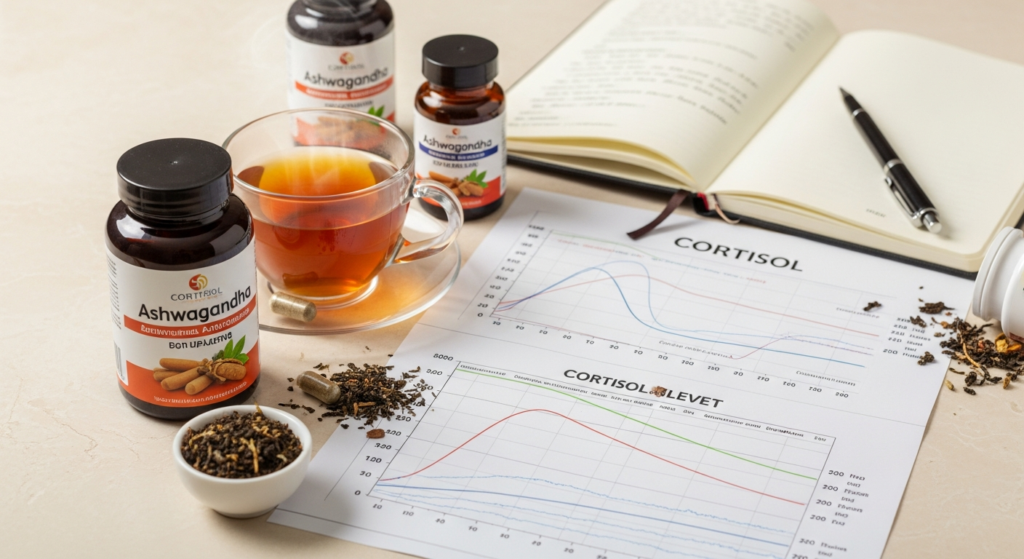
- What they are: Adaptogens are natural substances (typically herbs) that help your body “adapt” to stress and promote balance. Common examples include Ashwagandha, Rhodiola Rosea, and Holy Basil.
- Recommendation: If considering adaptogens, it is crucial to consult with a qualified healthcare professional (doctor, naturopath, or functional medicine practitioner) to ensure they are appropriate for your individual health needs and won’t interact with any medications or conditions. Not all adaptogens are suitable for everyone, and quality varies widely.
- Practice Gratitude:
- How-to: Keep a gratitude journal, or simply take a moment each day to reflect on things you are thankful for.
- Why: Shifting your focus to appreciation can positively alter your brain chemistry, reducing stress hormones and promoting feelings of well-being.
Reducing cortisol isn’t about eradicating stress entirely – that’s impossible and undesirable. It’s about building resilience, creating a lifestyle that supports your body’s natural rhythms, and responding to stress in a way that promotes healing and balance. By embracing these holistic habits, you’re not just managing symptoms; you’re cultivating a life of greater calm, energy, and overall vitality.