The Ultimate 2026 Guide to Raising Healthy Kids: Nurturing Lifelong Habits from Infancy to Adolescence
Nourishing Little Bodies: The Foundation of Healthy Eating
The journey to lifelong health begins on the plate. What our children eat directly impacts their physical growth, cognitive development, energy levels, and even their mood. In an age of readily available processed foods, teaching children to appreciate and choose wholesome nutrition is one of the most powerful gifts we can bestow.
Making Mealtime a Positive Experience
Mealtime should be a source of connection and joy, not a battleground. Research consistently shows that a positive eating environment fosters healthier relationships with food.
- Involve Them in the Process: From grocery shopping to meal prep, let your children participate. Even toddlers can wash vegetables, and older kids can help choose recipes or chop ingredients. This involvement creates ownership and curiosity.
- “Division of Responsibility”: A concept popularized by feeding expert Ellyn Satter, this approach suggests parents are responsible for what, when, and where food is offered, while children are responsible for how much and whether they eat. This reduces pressure and allows children to tune into their own hunger and fullness cues.
- Eat Together: Family meals are critical. Studies indicate that children who regularly eat with their families tend to have better nutritional intake, higher academic achievement, and lower rates of risky behaviors. Make it a screen-free zone for true connection.
The Rainbow Plate: Essential Nutrients for Growing Minds and Bodies
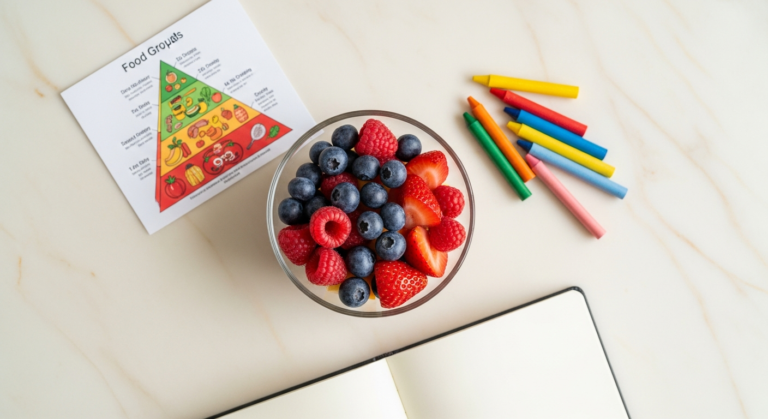
Focus on offering a wide variety of nutrient-dense foods, emphasizing fruits, vegetables, whole grains, lean proteins, and healthy fats.
- Fruits and Vegetables: Aim for a colorful array. Each color often signifies different vitamins and antioxidants. Offer them frequently and in various forms – raw, steamed, roasted, or blended into smoothies. Don’t give up if a child rejects a new food; it can take 10-15 exposures before acceptance.
- Whole Grains: Opt for whole wheat bread, brown rice, oats, quinoa, and whole grain pasta over refined grains. They provide sustained energy and essential fiber for digestive health.
- Lean Proteins: Chicken, fish, beans, lentils, eggs, and tofu are vital for muscle development and satiety. Include a protein source at every meal.
- Healthy Fats: Avocados, nuts, seeds, and olive oil are crucial for brain development and nutrient absorption.
- Limit Added Sugars and Processed Foods: These offer empty calories, can lead to energy crashes, and contribute to long-term health issues. Read labels carefully and prioritize homemade meals and snacks.
Smart Snacking and Hydration
Snacks are important for children’s energy levels, but they should be mini-meals, not treats.
- Choose Wisely: Pair a fruit with a protein (apple slices with peanut butter), vegetables with a healthy dip (carrots with hummus), or whole-grain crackers with cheese.
- Hydration is Key: Water should be the primary beverage. Keep water bottles accessible and encourage sips throughout the day. Sugary drinks contribute to dental problems and weight gain.
Product Recommendation: Consider “The Super Easy 5-Ingredient Cookbook for Kids” for simple, engaging recipes, or fun, spill-proof water bottles to encourage hydration.
Moving with Joy: Cultivating a Love for Physical Activity
In a world increasingly dominated by screens, ensuring our children are physically active is more crucial than ever. Regular physical activity builds strong bones and muscles, improves cardiovascular health, boosts mood, enhances cognitive function, and promotes better sleep.
Daily Dose of Play: How Much is Enough?
The World Health Organization (WHO) recommends at least 60 minutes of moderate-to-vigorous physical activity daily for children and adolescents. For younger children (3-5 years), they recommend at least 180 minutes of physical activity spread throughout the day, including vigorous-intensity physical activity.
- Moderate Activity: Activities that make children breathe harder and their heart beat faster, like brisk walking, cycling, or active playground play.
- Vigorous Activity: Activities that make them breathe much harder and their heart beat very fast, like running, swimming fast, or team sports.
Making Movement Fun and Accessible
Physical activity doesn’t have to mean structured sports all the time. The key is to make it enjoyable and a natural part of daily life.
- Embrace Outdoor Play: Encourage free play in parks, backyards, or natural spaces. Climbing, running, jumping, and exploring are fundamental for motor skill development and creativity.
- Family Active Time: Plan family walks, bike rides, hikes, or dance parties. When children see their parents being active, they’re more likely to adopt those habits themselves.
- Explore Different Activities: Expose children to a variety of sports, martial arts, dance, or gymnastics to help them find what they genuinely enjoy. The goal is participation, not necessarily competition.
- Limit Sedentary Time: While some downtime is natural, be mindful of excessive periods of sitting. Break up long periods of inactivity with movement breaks.
Step-by-Step Guidance:
- Assess Current Activity Levels: Track a typical day to see where there are opportunities for more movement.
- Set Realistic Goals: Start small. If your child is largely sedentary, aim for an extra 15-20 minutes of active play daily and gradually increase.
- Create an “Activity Jar”: Write down various active ideas (e.g., “build a fort,” “dance party,” “nature walk,” “bike ride”) on slips of paper. When energy is low, pull an idea for inspiration.
- Invest in Basic Equipment: A ball, jump rope, frisbee, or a set of cones can inspire countless hours of play.
Product Recommendation: Consider a child-friendly fitness tracker (like a Garmin Vivofit Jr.) if your child is interested, or simply a good quality soccer ball, jump rope, or a family membership to a local recreation center.
The Power of Rest: Prioritizing Quality Sleep
Sleep is not a luxury; it’s a fundamental pillar of health, as crucial as nutrition and physical activity. For children, adequate, quality sleep is essential for growth, learning, memory consolidation, emotional regulation, and immune system function. Sleep deprivation in children can manifest as irritability, difficulty concentrating, behavioral issues, and even weakened immunity.
Why Sleep is Non-Negotiable
During sleep, children’s bodies and brains are incredibly busy. Growth hormones are released, memories are consolidated, and energy stores are replenished.
- Cognitive Function: Well-rested children perform better in school, have improved problem-solving skills, and better attention spans.
- Emotional Regulation: Adequate sleep helps children manage their emotions, reducing meltdowns and irritability.
- Physical Health: Sleep supports a robust immune system and is linked to healthy weight management.
Crafting a Calming Bedtime Routine
Consistency is the cornerstone of healthy sleep habits. A predictable routine signals to a child’s body and mind that it’s time to wind down.
- Set a Consistent Bedtime: Even on weekends, try to keep bedtimes and wake times within a reasonable window (e.g., an hour difference). This helps regulate their internal body clock.
- Establish a Relaxing Sequence: This could include a warm bath, brushing teeth, reading a story, quiet conversation, or gentle stretching. The key is to make it calming and screen-free.
- Dim the Lights: About an hour before bedtime, dim lights to signal to the brain that melatonin production (the sleep hormone) should begin.
- Avoid Stimulants: Limit caffeine (found in soda, chocolate, some teas) and heavy meals close to bedtime.
Optimizing the Sleep Environment
The bedroom environment plays a significant role in sleep quality.
- Dark, Quiet, and Cool: Ensure the room is as dark as possible (blackout curtains can help), quiet, and comfortably cool (around 68°F or 20°C).
- Comfortable Bedding: A comfortable mattress and pillows are essential for a good night’s rest.
- Screen-Free Zone: Remove all screens (TVs, tablets, phones) from the bedroom. The blue light emitted by devices can interfere with melatonin production and keep children awake. Aim for at least 1-2 hours of screen-free time before bed.
Product Recommendation: A white noise machine can help block out distracting sounds, and a children’s alarm clock that changes color (like the Hatch Rest+) can help teach sleep independence. For older kids, guided meditation apps like Calm or Headspace offer kid-friendly sleep stories.
Building Resilient Minds: Emotional Wellness and Mental Health
Beyond physical health, nurturing a child’s emotional and mental well-being is paramount. In a world that can be overwhelming, teaching children to understand, express, and manage their emotions builds resilience, fosters healthy relationships, and lays the groundwork for a balanced adult life.
Fostering Emotional Intelligence
Emotional intelligence (EQ) is the ability to understand and manage one’s own emotions, and to understand and influence the emotions of others.
- Label Emotions: Help children identify what they’re feeling. Instead of saying “stop crying,” try “I see you’re feeling frustrated because your tower fell. It’s okay to feel frustrated.”
- Validate Feelings: Let them know their emotions are valid, even if their reaction isn’t ideal. “It makes sense that you’re angry, but hitting is not okay.”
- Teach Coping Strategies: Equip them with healthy ways to deal with big emotions: deep breaths, counting to ten, talking about it, drawing, or taking a break.
- Model Healthy Emotional Expression: Children learn by observing. Show them how you manage your own stress, anger, or sadness in constructive ways.
Open Communication and Connection
A strong, loving relationship with a primary caregiver is the single most important factor in a child’s mental health.
- Active Listening: When your child speaks, give them your full attention. Put down your phone, make eye contact, and truly listen without interrupting or judging.
- Dedicated “Special Time”: Even 10-15 minutes of one-on-one, child-led play or conversation daily can significantly strengthen your bond and make them feel seen and heard.
- Encourage Problem-Solving: Instead of always providing solutions, guide them to think through challenges themselves. “What do you think you could do about that?”
- Cultivate Gratitude: Encourage daily reflection on things they are thankful for. This shifts focus to positive aspects of life and promotes optimism.
Step-by-Step Guidance for Emotional Regulation:
- Recognize the Emotion: Help your child identify the feeling (e.g., angry, sad, scared).
- Acknowledge and Validate: “I understand you’re feeling really mad right now.”
- Take a Break/Breathe: Guide them to a quiet space or practice deep breaths together.
- Choose a Coping Strategy: Suggest options (e.g., drawing, talking, hugging a stuffed animal).
- Reflect and Learn: Once calm, discuss what happened and what could be done differently next time.
Product Recommendation: “The Zones of Regulation” curriculum (often adapted for home use) can help children categorize and manage emotions. Children’s books on emotions (e.g., “The Color Monster”) are excellent tools. A simple gratitude journal can be a powerful daily practice.
Navigating the Digital World: Healthy Screen Habits and Connection
The digital age presents both incredible opportunities and significant challenges for raising healthy children. While technology offers educational resources and connection, excessive or unsupervised screen time can impact development, sleep, and social skills. Our goal isn’t to demonize screens but to teach responsible, balanced engagement.
Setting Clear Boundaries and Expectations
Consistency and clear communication are vital when it comes to screen time.
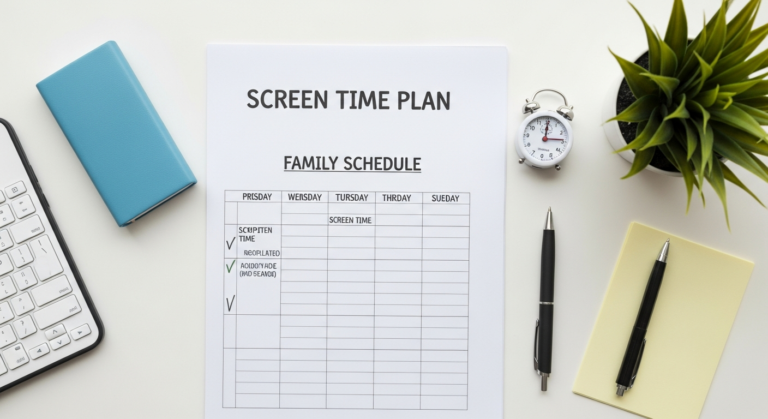
- Develop a Family Media Plan: Involve your children in creating rules around screen time. Discuss when, where, and for how long screens can be used. Include guidelines for content, digital etiquette, and privacy. The American Academy of Pediatrics (AAP) offers templates for this.
- Age-Appropriate Limits:
- Under 18 Months: Avoid screen media use, except for video-chatting.
- 18-24 Months: If you introduce screens, choose high-quality programming and watch it with them.
- 2-5 Years: Limit screen use to 1 hour per day of high-quality programming. Co-view with your child.
- 6 Years and Older: Place consistent limits on time and types of media. Ensure screen time doesn’t displace sleep, physical activity, or other essential activities.
- Designate Screen-Free Zones and Times: Meals, bedrooms, and family outings are excellent opportunities to go screen-free.
- Lead by Example: Be mindful of your own screen habits. Children are always watching.
Curating Quality Content and Digital Citizenship
Not all screen time is created equal. Focus on content that is educational, interactive, and promotes creativity.
- Choose Wisely: Opt for apps and shows that are age-appropriate, ad-free, and designed to foster learning rather than passive consumption. Common Sense Media is an excellent resource for reviews.
- Co-View and Discuss: Watch shows or play games with your children. Use it as an opportunity to discuss themes, characters, and real-world connections.
- Teach Digital Citizenship: Discuss online safety, privacy, cyberbullying, and the importance of being kind and respectful in digital interactions. Explain that what goes online stays online.
Beyond the Screen: Real-World Engagement
Ensure that screen time doesn’t replace essential real-world experiences.
- Prioritize Play: Encourage imaginative play, outdoor adventures, reading, and creative arts.
- Face-to-Face Interaction: Nurture strong social skills through direct interaction with family and friends.
- Hobbies and Interests: Support your child in developing passions that don’t involve screens, whether it’s building models, playing an instrument, or gardening.
Product Recommendation: Parental control apps (like Circle or Qustodio) can help manage screen time across devices. Educational apps like Khan Academy Kids or ABCmouse offer structured learning. For offline engagement, consider a subscription box for kids that focuses on crafts, science, or books.