Nourishing Futures: How to Model Healthy Eating Habits for Your Children with Joy and Confidence
The Profound Power of Parental Modeling: Why “Do As I Do” Trumps “Do As I Say”
When it comes to shaping a child’s relationship with food, research consistently points to one undeniable truth: children are expert imitators. Long before they grasp complex nutritional concepts, they are absorbing every nuance of your behavior, attitudes, and choices around food. This isn’t just about what you eat, but how you eat, why you eat, and the emotions you attach to food. Think of it as a silent, powerful curriculum being taught at every mealtime.
Studies in developmental psychology highlight the concept of observational learning – children learn by watching and mimicking the actions of their primary caregivers. If a child consistently sees a parent enjoying a variety of colorful vegetables, reaching for fruit as a snack, or engaging in mindful eating, they are far more likely to adopt these behaviors themselves. Conversely, if food is a source of stress, guilt, or constant restriction, children can internalize these negative associations, potentially leading to disordered eating patterns later in life.
Your role as a model extends beyond just the food itself. It encompasses:
- Your Relationship with Your Own Body: Do you speak kindly about your body? Do you eat in a way that respects its needs, rather than punishing it or constantly restricting? Children pick up on these cues.
- Your Emotional Connection to Food: Do you use food as a reward or punishment? Do you label foods as “good” or “bad”? These distinctions can create unhealthy moral judgments around eating.
- Your Approach to Trying New Foods: Are you adventurous, or do you stick to a narrow range? Your willingness to explore new tastes and textures encourages their own curiosity.
By consciously choosing to model healthy eating, you’re not just offering a meal; you’re offering a blueprint for a balanced, joyful relationship with nourishment. This foundation of positive modeling is the most powerful tool in your parenting toolkit, far more effective than any lecture or forced feeding.
Cultivating a Positive Food Environment: The Heart of Healthy Habits
Creating an atmosphere where food is celebrated, not feared, and where meals are a source of connection, is paramount. This environment shapes not only what children eat but also their emotional and psychological relationship with food. The renowned feeding expert Ellyn Satter introduced the “Division of Responsibility in Feeding,” a foundational concept that empowers both parents and children:
- Parents are responsible for what, when, and where food is offered. This means selecting nutritious foods, establishing regular meal and snack times, and providing a pleasant eating environment.
- Children are responsible for how much they eat and whether they eat. This honors their innate ability to self-regulate their hunger and fullness cues.
Adopting this framework can be transformative. It removes pressure from both parents and children, fostering trust and autonomy. Here’s how to put it into practice:
1. Prioritize Family Meals
Make sitting down together for meals a regular occurrence, even if it’s just a few times a week. Research consistently shows that children who eat regular family meals tend to have higher self-esteem, better academic performance, and lower rates of substance abuse and eating disorders. More specifically regarding food, they tend to consume more fruits, vegetables, and whole grains, and fewer sugary drinks and fried foods.
- Tip: Keep conversations light and positive. Avoid critiquing food choices or pressuring children to “clean their plate.” Focus on connection, sharing stories, and enjoying each other’s company.
2. Stock Your Kitchen for Success
The foods available in your home largely dictate what your children will eat. Make healthy choices the easy choices. This means having a pantry and fridge filled with nutritious, accessible options.
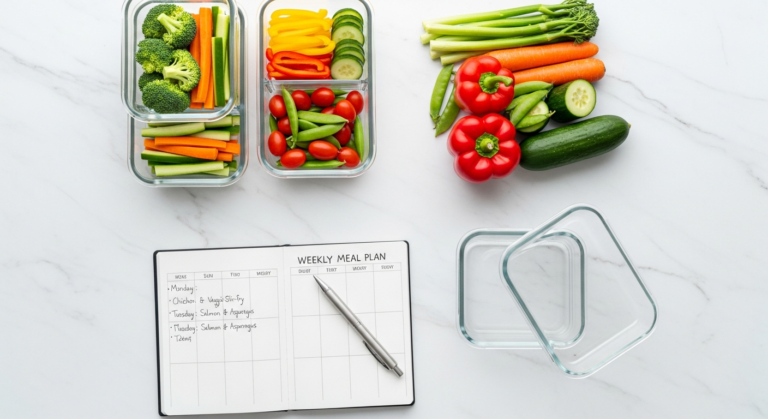
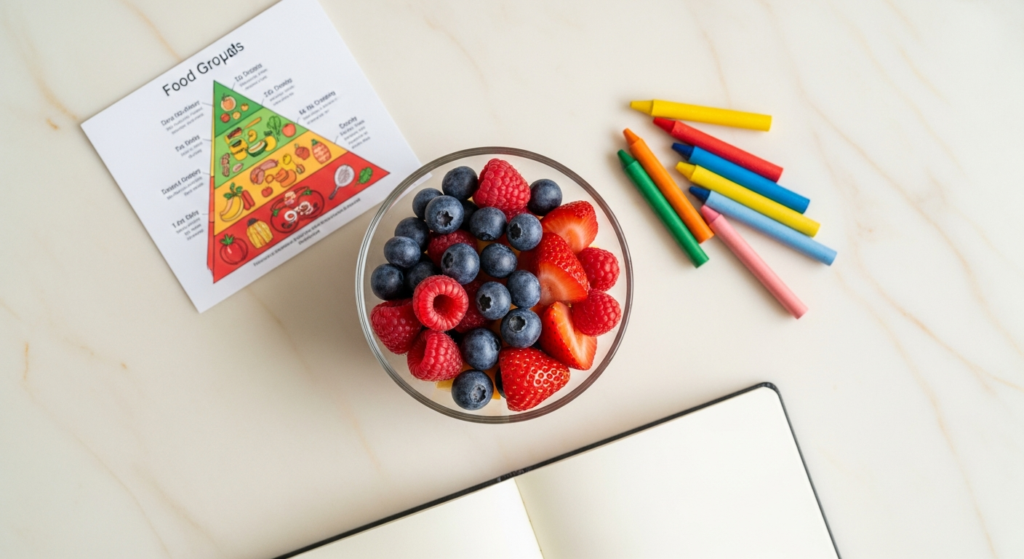
- Fruits & Veggies: Keep a bowl of washed fruit on the counter. Pre-chop veggies for easy snacking (carrots, bell peppers, cucumber sticks).
- Whole Grains: Stock whole-wheat bread, oats, brown rice, and whole-grain pasta.
- Lean Proteins: Include sources like chicken, fish, beans, lentils, and eggs.
- Healthy Fats: Avocados, nuts, seeds, and olive oil.
3. Make Food Fun and Inviting
Presentation matters, especially for younger children. Think about how you can make healthy foods appealing without resorting to trickery.
- Colorful Plates: Offer a rainbow of foods.
- Creative Shapes: Use cookie cutters for sandwiches or fruit.
- Dipping Sauces: Offer healthy dips like hummus, yogurt dip, or guacamole for veggies.
By creating this supportive and well-stocked environment, you’re setting the stage for your children to naturally gravitate towards healthy choices, guided by your example and their own developing autonomy.
Making Healthy Choices Visible and Accessible: The Power of Proximity
Beyond simply stocking your kitchen, how you organize and present food plays a significant role in influencing your children’s choices. Remember, out of sight, out of mind. The easier and more visible healthy options are, the more likely they are to be chosen.
1. Strategic Placement is Key
Imagine your child opening the fridge or pantry. What do they see first? What’s easiest to grab?
- Fridge Front & Center: Place washed and ready-to-eat fruits and vegetables at eye level in the fridge. Think berry containers, pre-cut melon, or a bowl of baby carrots.
- Countertop Power: Keep a fruit bowl on the counter. If your children are old enough, a pitcher of water with fruit slices (lemon, cucumber, berries) can be more appealing than plain water.
- Pantry Organization: Store healthier snacks (whole-grain crackers, nuts, seeds, dried fruit) in easily accessible bins or shelves, rather than hidden away. Less healthy options can be stored on higher, less visible shelves, making them a more conscious choice rather than an automatic grab.
2. Involve Them in Grocery Shopping
The grocery store is a fantastic classroom! Involving children in the selection process empowers them and increases their willingness to try new foods.
- “Choose a New Veggie”: Give them a mission to pick one new fruit or vegetable to try each week.
- “Rainbow Challenge”: Encourage them to find foods of different colors.
- Read Labels Together: For older children, teach them about sugar content, whole grains, and ingredients.
3. Smart Snacking Solutions
Snacks are an important part of a child’s diet, providing energy and nutrients between meals. Model thoughtful snacking.
- Pre-Portion: Prepare snack bags or containers with healthy portions of nuts, seeds, or whole-grain crackers.
- Balanced Snacks: Encourage snacks that combine protein/healthy fat with carbohydrates for sustained energy (e.g., apple slices with peanut butter, yogurt with berries, cheese and whole-grain crackers).
- Hydration First: Often, thirst is mistaken for hunger. Model reaching for water first. Invest in fun, reusable water bottles for your children.
By making healthy foods the most convenient and appealing options, you’re subtly guiding your children towards better choices without resorting to lectures or restrictions. It’s about engineering their environment for success.
Empowering Little Chefs: Involving Children in the Food Journey
The kitchen isn’t just a place where food is prepared; it’s a vibrant learning laboratory. When children are actively involved in the process of food preparation, from garden to plate, their curiosity is sparked, their skills develop, and their willingness to try new foods dramatically increases. This hands-on experience is one of the most powerful ways to model a positive and engaged relationship with food.
1. Cooking Together: Age-Appropriate Tasks
Even toddlers can help in the kitchen! Tailor tasks to their age and skill level, always prioritizing safety.
- Toddlers (1-3 years): Washing fruits and vegetables, stirring cold ingredients, tearing lettuce, mashing soft foods (like bananas or avocados).
- Preschoolers (3-5 years): Measuring dry ingredients, pouring liquids, spreading soft toppings, using a child-safe knife to cut soft foods (like bananas or cucumbers).
- School-Aged (6-10 years): Peeling vegetables, cracking eggs, simple chopping, reading recipes, setting the table, helping with clean-up.
- Pre-Teens/Teens (11+ years): Meal planning, full meal preparation, baking, learning about food safety.
Tool Recommendation: Consider investing in a set of child-safe knives (often plastic or with blunt edges) and a sturdy learning tower or step stool to help them reach the counter safely. Kids’ cookbooks with simple, visual recipes can also be a great resource.
2. Grow Your Own (Even a Little Bit)
Connecting food to its origins fosters appreciation and understanding. Even a small container garden on a balcony can be a powerful learning tool.
- Herbs: Easy to grow and add flavor to dishes.
- Cherry Tomatoes: Kids love picking and eating them fresh.
- Lettuce or Spinach: Quick growing and a visible addition to meals.
Watching a seed sprout, grow, and then become part of a meal is a magical experience that builds a profound connection to healthy eating.
3. Farmers’ Markets and Food Tours
Take your children on an adventure to a local farmers’ market. The vibrant colors, fresh smells, and direct interaction with farmers can be incredibly inspiring.
- Talk to Farmers: Encourage children to ask questions about where the food comes from.
- Taste Samples: Many markets offer samples, encouraging adventurous eating.
- Choose a Meal Ingredient: Let them pick a unique fruit or vegetable to incorporate into a family meal.
By making food an interactive and engaging experience, you’re not just teaching them about nutrition; you’re cultivating a lifelong joy and curiosity around food.
Navigating Challenges: Picky Eaters, Screen Time, and Sweet Treats
Even with the best intentions and modeling, parenting around food isn’t always smooth sailing. Picky eating, the omnipresence of screens, and the allure of sweet treats are common hurdles. The key is to approach these challenges with patience, consistency, and a non-judgmental attitude, reinforcing the healthy habits you’re modeling.
1. The Picky Eater Paradox: Patience and Exposure
Most children go through phases of picky eating. It’s often a normal developmental stage, but it can be frustrating. Remember the Division of Responsibility: you provide, they decide.
- Repeated Exposure: It can take 10-15 (or more!) exposures to a new food before a child accepts it. Keep offering small portions of rejected foods without pressure.
- “Deconstructed Meals”: If your child is resistant to mixed dishes, offer components separately. For example, serve chicken, rice, and broccoli rather than a casserole.
- Involve Them: As mentioned, cooking and gardening can make them more willing to try.
- Role Modeling: Let them see you enthusiastically enjoying a wide variety of foods, especially the ones they are currently rejecting.
- Avoid Pressure: Never force-feed, bribe, or punish around food. This creates negative associations and can exacerbate pickiness.
2. Mindful Screen Time During Meals
Screens (TVs, tablets, phones) at mealtime can be a major distraction, hindering mindful eating and family connection. Children engrossed in a screen are less likely to tune into their hunger and fullness cues.
- Establish Screen-Free Zones: Designate meal and snack times as screen-free. This models mindful eating and encourages conversation.
- Lead by Example: Put your own phone away during family meals.
- Engage in Conversation: Make mealtime about connection. Ask about their day, share your own experiences.
3. Approaching Sweet Treats and “Less Healthy” Foods
Completely restricting “junk food” can backfire, making these foods even more desirable and leading to overeating when available. A balanced approach is more effective.
- Normalize All Foods: Avoid labeling foods as “good” or “bad.” Instead, talk about foods in terms of how they nourish our bodies (e.g., “This apple gives us energy to play!” vs. “This cookie is a treat food.”).
- Planned Indulgences: Incorporate treats into your family’s diet in a planned, moderate way. Perhaps a small dessert after dinner on certain nights, or a special treat during an outing. This teaches moderation and prevents feelings of deprivation.
- Portion Control: Model and teach appropriate portion sizes for all foods, including treats.
- Focus on Abundance: Emphasize the wide variety of healthy, delicious foods available rather than focusing on what’s restricted.
Remember, consistency and a calm, confident approach are your best allies in navigating these common challenges. Your children are learning from your reactions as much as from your actions.
Beyond the Plate: A Holistic Approach to Wellness
Healthy eating doesn’t exist in a vacuum. It’s intrinsically linked to other aspects of a healthy lifestyle. As a holistic women’s health coach, I emphasize that true wellness is a tapestry woven with many threads: nutrition, movement, sleep, emotional well-being, and connection. Modeling a comprehensive approach to health will reinforce the importance of healthy eating and teach your children that taking care of their bodies is a multi-faceted endeavor.
1. Active Living: Moving Our Bodies Joyfully
Just as you model healthy food choices, model an active lifestyle. Physical activity is crucial for overall health, energy levels, and can even influence appetite and food choices.
- Family Walks/Hikes: Make outdoor activities a regular family ritual.
- Play Together: Engage in active games, whether it’s throwing a ball, dancing, or playing tag.
- Limit Sedentary Time: Balance screen time with active play.
- Talk About Movement: Explain how movement makes our bodies strong and gives us energy, connecting it to the fuel we get from food.
2. Prioritizing Sleep: Rest for Growing Bodies
Adequate sleep is fundamental for children’s growth, development, mood, and even their ability to make healthy food choices. Sleep deprivation can impact hunger hormones, leading to increased cravings for less nutritious foods.
- Consistent Bedtime Routine: Model the importance of a regular sleep schedule.
- Create a Restful Environment: Ensure their bedroom is dark, quiet, and cool.
- Limit Pre-Bedtime Screens: The blue light from screens can disrupt sleep.
3. Emotional Well-being and Mindful Eating
Teach children to listen to their bodies and their emotions. Food should not be used to cope with feelings.
- Identify Hunger & Fullness Cues: Ask questions like, “Are you hungry or just bored?” or “How does your tummy feel now – full or still a little hungry?”
- Emotional Regulation: Teach healthy ways to cope with emotions that don’t involve food (e.g., talking it out, physical activity, creative outlets).
- Mindful Eating Practices: Encourage them to slow down, notice the colors, textures, and tastes of their food.
4. Self-Compassion and Imperfection
No one eats perfectly all the time, and that’s okay. Model self-compassion when you make less-than-ideal choices, and show your children that one meal or one day of eating doesn’t define your health.
- “Oops, I had too much candy, so tomorrow I’ll focus on getting more veggies.” This models course-correction without guilt.
- Avoid Food Guilt: Don’t express guilt or shame about your own food choices in front of your children.
By weaving these elements together, you’re not just teaching your children about food; you’re teaching them about a holistic lifestyle that values balance, self-care, and joy, setting them up for lifelong wellness.