Nourish Your Family, Simplify Your Life: The Ultimate Guide to Meal Planning for Four
Life with a family of four is a beautiful whirlwind of school runs, work commitments, extracurricular activities, and the constant hum of “What’s for dinner?” For many women, the daily dilemma of feeding a family can feel like an endless cycle of decision fatigue, last-minute grocery runs, and the stress of trying to balance nutrition with picky palates and budget constraints. At Veralyn Media, we understand that nurturing your family’s health often starts in the kitchen, but it doesn’t have to be overwhelming. Imagine a week where healthy, delicious meals appear almost effortlessly, where grocery shopping is streamlined, and food waste is a distant memory. This isn’t a pipe dream; it’s the power of meal planning. This comprehensive guide will empower you with the strategies, tips, and insights to transform your kitchen routine, making mealtime a source of joy, connection, and well-being for your entire family of four.
Why Meal Planning is Your Family’s New Best Friend (and Yours Too!)
The concept of meal planning might conjure images of rigid schedules and endless hours in the kitchen, but in reality, it’s a powerful tool for liberation. For families, especially those balancing multiple schedules and preferences, the benefits extend far beyond just having dinner on the table. It’s an investment in your mental load, your financial health, and your family’s overall well-being.
- Reduces Stress & Decision Fatigue: One of the most immediate impacts of meal planning is the elimination of the dreaded “What’s for dinner?” question that looms daily. Research consistently shows that reducing daily decisions, even small ones, significantly lowers stress levels and prevents mental burnout. With a plan in place, you free up mental energy for other important aspects of your life.
- Saves Time: While initial planning takes a little time, it pays dividends throughout the week. Fewer last-minute trips to the grocery store, streamlined cooking processes, and less time spent wondering what to make means more precious moments for family, self-care, or simply relaxing. A dedicated “prep hour” can save you hours during the busy weeknights.
- Boosts Nutritional Intake: When you plan meals, you have the opportunity to consciously incorporate a wider variety of vegetables, lean proteins, and whole grains. This intentional approach helps ensure your family is receiving balanced nutrition, supporting healthy growth and development, and building stronger immune systems. Studies often link planned, home-cooked meals to higher intake of fruits and vegetables and lower intake of unhealthy fats and sugars.
- Slashes Food Waste & Saves Money: Impulse purchases and forgotten ingredients are major contributors to food waste and inflated grocery bills. Meal planning allows you to create a precise shopping list, buy only what you need, and utilize ingredients across multiple meals. This mindful approach can significantly cut down on the roughly $1,500 per year the average American family wastes on food, according to the Natural Resources Defense Council.
- Fosters Family Connection: Involving your family in the meal planning process – from choosing meals to helping with prep – can foster a sense of ownership and excitement around food. Sitting down together for planned meals also strengthens family bonds, improves communication, and has been linked to better academic performance and fewer behavioral issues in children.
Laying the Foundation: Assessing Your Family’s Needs & Preferences
Before you even think about recipes, the most crucial step in successful meal planning for a family of four is understanding your family. This isn’t just about what they like to eat, but also their unique dietary needs, your collective schedule, and the rhythm of your household. A truly effective meal plan is one that serves everyone, without adding unnecessary pressure.
- Dietary Considerations: Begin by noting any allergies, intolerances, or specific dietary requirements within your family. Is someone gluten-free? Does another avoid dairy? Are there vegetarian or vegan preferences? Acknowledge these upfront to prevent frustration later. For picky eaters, instead of seeing it as a hurdle, view it as an opportunity for creative adaptation. Perhaps deconstructed meals (serving components separately) or involving them in the cooking process can help.
- Analyze Your Schedule: Take a realistic look at your week. Which nights are genuinely busy with sports, meetings, or late work? Those are your “quick meal” or “leftover” nights. Which nights are more relaxed, allowing for a slightly more involved recipe or a family cooking session? Mapping this out prevents you from planning a gourmet meal on a night you have 30 minutes to spare.
- Family Preferences & Favorites: Gather input from everyone. What are your kids’ top three meals? What does your partner enjoy? What are your go-to comfort foods? Create a running list of “Family Favorites” – these are your reliable, crowd-pleasing meals for busy or uninspired days. Also, identify meals or ingredients that are universally disliked to avoid them.
- Kitchen Inventory & Pantry Staples: Before heading to the store, “shop” your own kitchen. What ingredients do you already have on hand that need to be used up? Canned goods, frozen vegetables, dry pasta, grains, and spices are your allies. Building meals around existing ingredients saves money and reduces waste. Regularly check expiration dates.
- Involve the Family: Make meal planning a collaborative effort. Even young children can choose a meal from a pre-selected list of options, or help decide on a “theme night” (e.g., Taco Tuesday, Pasta Thursday). This involvement increases their buy-in and makes them more likely to eat what’s served. For older children and partners, encourage them to suggest recipes or even take ownership of cooking one meal a week.
The Art of the Weekly Meal Planning Workflow (Step-by-Step)
With your family’s blueprint in hand, it’s time to translate those insights into a practical, actionable plan. Establishing a consistent workflow is key to making meal planning a sustainable habit rather than a one-off attempt. Think of this as your weekly ritual for culinary calm.
- Step 1: Choose Your Planning Day & Time: Consistency is crucial. Designate one day a week (e.g., Sunday afternoon, Saturday morning) when you have 30-60 minutes dedicated solely to meal planning. This sets a rhythm and ensures it becomes a regular, non-negotiable part of your routine.
- Step 2: Gather Inspiration: This is the fun part! Pull out your cookbooks, browse Veralyn Media’s recipe archives, scroll through Pinterest, or revisit your “Family Favorites” list. Look for recipes that align with your schedule and current inventory. Consider seasonal ingredients – they’re often fresher, more flavorful, and more affordable.
- Step 3: Map Out Your Meals:
- Start with Dinner: These are usually the most involved meals. Plot out 5-7 dinners for the week, keeping your schedule in mind. Assign quick meals to busy nights and more elaborate ones to relaxed evenings.
- Think Leftovers: Can one dinner be doubled to provide lunch for the next day, or a second dinner later in the week? Intentional leftovers are a meal planner’s superpower.
- Consider Breakfasts & Lunches: While these might be simpler, having a general idea prevents morning scramble. Batch-prep oatmeal, hard-boiled eggs, or make a big batch of soup for lunches.
- Balance & Variety: Aim for a balance of proteins, carbohydrates, healthy fats, and plenty of fruits and vegetables throughout the week. Try to vary your protein sources (chicken, fish, beans, beef) and cooking methods.
- Theme Nights: “Meatless Monday,” “Taco Tuesday,” “Pasta Thursday” – these simple themes can dramatically reduce decision fatigue and add fun to your week.
- Step 4: Create Your Shopping List: Once your meals are mapped, go through each recipe and list every ingredient you need. Cross-reference with your kitchen inventory to avoid buying duplicates. Categorize your list by grocery store sections (produce, dairy, pantry, frozen) to save time and prevent backtracking at the store.
- Step 5: The “Prep Power Hour”: After grocery shopping, dedicate 1-2 hours to preparatory tasks. This might include washing and chopping vegetables, portioning proteins, making a batch of grains, mixing marinades, or pre-cooking ingredients like ground meat or chicken. This front-loads the effort, making weeknight cooking significantly faster and less stressful.
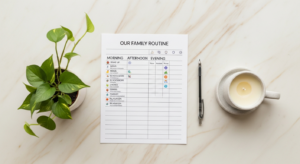
Using a physical planner, a whiteboard, or a digital app (like Paprika or Mealime) can help streamline this process and keep your plan visible to the whole family.
Smart Strategies for Success: Making Meal Planning Stick
Starting a meal planning routine is one thing; sustaining it is another. The key lies in building flexibility, efficiency, and a touch of realism into your approach. These smart strategies will help you adapt to life’s inevitable curveballs and ensure meal planning remains a supportive tool, not another source of stress.
- Embrace Flexibility: The “Flex Meal”: Life happens. A sudden invitation, a late meeting, or simply not feeling like cooking what’s planned. Don’t let this derail your entire week. Include one or two “flex meals” or “fallback meals” in your plan – these are quick, easy options you always have ingredients for (e.g., frozen pizza, eggs on toast, pasta with jarred sauce). If you don’t use them, great! If you do, you’re prepared.
- Batch Cooking & Freezer Meals: This is a game-changer for busy families. Dedicate time on your prep day to double or triple recipes like chili, lasagna, soup, or casseroles. Portion and freeze extras for future busy nights. Think about freezing raw marinated chicken breasts, pre-chopped veggies for stir-fries, or homemade breakfast burritos. Future You will thank Present You.
- Smart Snacking & Healthy Sides: Don’t overlook snacks and side dishes. Plan for healthy, easy-to-grab options like cut-up fruits and veggies with hummus, yogurt, nuts, or whole-grain crackers. For dinners, simple sides like steamed broccoli, a quick salad, or roasted sweet potatoes can be prepped in advance.
- “Deconstructed Meals” for Picky Eaters: Instead of fighting over food, present meals in a way that allows children to choose components. For tacos, serve tortillas, meat, cheese, lettuce, and salsa separately. For a stir-fry, offer plain rice, cooked chicken, and individual veggie sticks. This gives children a sense of control and encourages them to try new things at their own pace.
- Double-Duty Ingredients: Maximize your grocery budget and minimize waste by choosing ingredients that can be used in multiple meals. For example, a whole roasted chicken can become dinner one night, then chicken salad for lunch, and chicken enchiladas later in the week. A big batch of quinoa can be a side dish, a base for a salad, or added to soup.
- Leverage Your Slow Cooker/Instant Pot: These appliances are invaluable for meal planning. They allow you to “set it and forget it,” transforming inexpensive cuts of meat and vegetables into tender, flavorful meals with minimal hands-on time, perfect for busy weekday evenings.
- Don’t Be Afraid to Keep it Simple: You don’t need gourmet meals every night. Sometimes, a simple pasta dish with a side salad or scrambled eggs with whole-wheat toast and fruit is perfectly nutritious and satisfying. The goal is to nourish your family consistently, not to impress.
Nutritional Nuances: Ensuring Balanced Meals for Growing Families
As a Veralyn Media reader, you’re committed to holistic well-being, and that extends to nourishing your family with wholesome, balanced meals. Meal planning provides the perfect framework to ensure your family of four receives the diverse nutrients essential for growth, energy, and overall health. It’s about more than just filling tummies; it’s about fueling bodies and minds.
- The “Plate Method” as Your Guide: A simple visual tool, often recommended by dietitians, is the “plate method.” Aim to fill half of your family’s plates with fruits and non-starchy vegetables, one quarter with lean protein (chicken, fish, beans, tofu, eggs), and one quarter with whole grains or starchy vegetables (brown rice, quinoa, whole-wheat pasta, sweet potatoes). This helps ensure a balance of macronutrients and essential micronutrients.
- Variety is Vital: “Eat the Rainbow”: Encourage a wide spectrum of colors on your plate, as different colored fruits and vegetables contain different vitamins, minerals, and antioxidants. Don’t get stuck in a rut with just broccoli and carrots. Introduce bell peppers, spinach, berries, oranges, and purple cabbage. This broadens nutrient intake and exposes children to diverse flavors and textures.
- Prioritize Whole Grains: Swap refined grains for whole grains whenever possible. Choose whole-wheat bread, pasta, brown rice, quinoa, oats, and barley. Whole grains provide sustained energy, fiber (essential for digestive health), and a range of B vitamins.
- Lean Proteins & Healthy Fats: Opt for lean protein sources like poultry, fish (especially fatty fish like salmon for omega-3s), beans, lentils, tofu, and eggs. Incorporate healthy fats from avocados, nuts, seeds, and olive oil, which are crucial for brain development and nutrient absorption.
- Hydration is Key: Make water the primary beverage for your family. Limit sugary drinks, which contribute to empty calories and can displace nutrient-dense foods. Keep a pitcher of water with fruit slices (lemon, cucumber, berries) readily available to encourage intake.
- Mindful Eating & Portion Control: Teach children to listen to their bodies’ hunger and fullness cues. Avoid pressuring them to “clean their plate.” Serve appropriate portion sizes and encourage them to eat slowly, savoring their food. This fosters a healthier relationship with food and helps prevent overeating.
- Minimize Processed Foods: While convenience foods have their place, aim to build your meal plan around whole, unprocessed ingredients. Cooking from scratch allows you to control the amount of salt, sugar, and unhealthy fats your family consumes, aligning with recommendations from health organizations like the World Health Organization for reducing the risk of chronic diseases.
By consciously integrating these nutritional principles into your meal planning, you’re not just feeding your family; you’re nurturing their long-term health and well-being, setting them up for a lifetime of healthy eating habits.
Troubleshooting & Adapting: Overcoming Common Meal Planning Hurdles
Even the most organized meal planner encounters bumps in the road. The beauty of meal planning isn’t in achieving perfection, but in building resilience and developing strategies to adapt when things don’t go exactly as planned. Here’s how to navigate common challenges with grace and keep your meal planning routine on track.
- The Unexpected Schedule Shift: A sudden late meeting, an impromptu playdate, or a sick child can throw a wrench into your planned dinner. This is where your “flex meals” or freezer stash become invaluable. Don’t force a complex meal; pivot to a quick, easy option without guilt. Remember that a simple meal made with love is always better than a stressed-out, rushed attempt at something elaborate. Alternatively, shift the planned meal to another day where your schedule allows.
- Ingredient Shortages or Forgotten Items: You’re halfway through a recipe and realize you’re out of a key ingredient, or you forgot to buy it. Instead of panicking, embrace substitution. Most recipes are more forgiving than you think. No chicken broth? Use vegetable broth or water. No fresh herbs? Use dried. Missing a specific vegetable? Swap it for another you have on hand or simply omit it. A quick online search for “ingredient substitutes” can be a lifesaver.
- Picky Eaters & Mealtime Battles: This is perhaps the most common challenge. Instead of forcing, try exposure. Continue to offer a variety of foods, even if they’re initially rejected. Pair new foods with familiar favorites. Involve children in prep, allow them to choose one new veggie to try, or present foods in fun shapes. Remember the “division of responsibility” in feeding: Parents provide what, when, and where food is offered; children decide whether and how much to eat. This reduces pressure and makes mealtimes more pleasant.
- Meal Planning Burnout: If planning starts to feel like a chore, it’s time to simplify. Perhaps you’re over-planning or trying too many new recipes. Take a week to plan only 3-4 dinners and rely on easy staples for the rest. Revisit your “Family Favorites” list. Use convenience items like pre-chopped veggies, rotisserie chicken, or jarred sauces for a week or two to lighten the load. Consider a “no-cook” night. The goal is sustainability, not perfection.
- Budget Blowouts: Sticking to a budget while feeding a family can be tough. Prioritize meals around seasonal produce, sales, and inexpensive staples like beans, lentils, rice, and eggs. Limit meat portions or incorporate more plant-based meals. Cook from scratch more often. Track your spending for a few weeks to identify areas where you can cut back. Remember, meal planning itself is a powerful budget-saving tool when used effectively.
- Lack of Inspiration: We all hit creative slumps. When you’re feeling uninspired, turn to reliable sources: your own past successful meal plans, Veralyn Media’s recipe sections, a favorite cookbook, or even asking friends for their go-to family meals. Sometimes, a simple theme night (e.g., “international night” trying a recipe from a different cuisine) can reignite excitement.
Remember, meal planning is an ongoing process of learning and adaptation. Each week offers a new opportunity to refine your system, learn what works best for your unique family, and build confidence in your ability to nourish those you love.
Frequently Asked Questions About Meal Planning for a Family of 4
Q1: How do I handle picky eaters when planning meals for the whole family?
A1: The key is offering choice and reducing pressure. Try “deconstructed meals” where components are served separately (e.g., taco bar). Always include one “safe” food you know your child will eat, even if it’s just plain rice or bread. Involve them in planning and prep to increase buy-in. Remember, it can take multiple exposures for a child to accept a new food, so keep offering without force.
Q2: What if I don’t have much time to cook on weeknights?
A2: Focus on strategies that minimize active cooking time. Utilize batch cooking on a dedicated prep day (e.g., chop all veggies, cook grains, pre-marinate meats). Embrace your slow cooker or Instant Pot for “set-it-and-forget-it” meals. Plan for quick 30-minute meals, leverage leftovers, or designate one night as a “no-cook” or “easy takeout” night.
Q3: How can meal planning help me save money on groceries?
A3: Meal planning is a budget superhero! By planning meals around sale items, using what you already have, and creating a precise shopping list, you avoid impulse buys and reduce food waste. Cooking from scratch is often cheaper than convenience foods. Incorporate budget-friendly staples like beans, lentils, eggs, and seasonal produce, and limit expensive pre-packaged snacks and drinks.
Q4: Should I plan snacks in my meal plan too?
A4: Yes, planning for snacks is highly recommended, especially for families with growing children. This ensures you have healthy, readily available options, preventing kids from reaching for less nutritious choices due to extreme hunger. Include fruits, vegetables with dip, yogurt, nuts, and whole-grain crackers in your shopping list, and portion them out for easy grab-and-go options.
Q5: How often should I meal plan, and for how many days?
A5: Most people find weekly meal planning to be the most effective, typically planning for 5-7 days at a time. This allows for a single grocery trip and keeps the plan fresh enough to prevent boredom. However, some prefer bi-weekly planning to minimize grocery trips, or just 3-4 days at a time if their schedule is highly unpredictable. Find the rhythm that works best for your family’s needs and schedule.
Conclusion: Your Empowered Kitchen Awaits
The journey to consistent meal planning for your family of four is a powerful step towards a more organized, less stressful, and ultimately healthier home life. It’s not about achieving culinary perfection every night, but about creating sustainable habits that serve your family’s well-being and your own peace of mind. From the foundational steps of understanding your family’s unique needs to the smart strategies that keep your plan flexible and your budget intact, you now have a comprehensive toolkit to confidently navigate your kitchen.
Remember, like any new habit, meal planning takes practice and patience. There will be weeks where it flows seamlessly, and others where you pivot unexpectedly – and that’s perfectly okay. Embrace the learning process, celebrate your successes, and don’t be afraid to adjust your approach as your family grows and changes. At Veralyn Media, we believe in empowering women to make choices that enrich their lives and the lives of their loved ones. By embracing meal planning, you’re not just feeding your family; you’re nurturing them, saving precious resources, and reclaiming valuable time. You’ve got this!
Recommended Resources
You might also enjoy How To Eat Healthier Without Going On A Diet from The Contextual Life.
You might also enjoy Vitamin C Serum Benefits For Skin from Fashion Goggled.