Your Thriving Blueprint: Building a Holistic Healthy Lifestyle for Women in 2026 and Beyond
1. Nourishing Your Body: The Power of Intuitive Eating and Balanced Nutrition
When we talk about a healthy lifestyle, nutrition is often the first thing that comes to mind, and for good reason. What we eat fuels every cell in our body, impacting our energy levels, mood, cognitive function, and long-term health. However, the world of nutrition can be a minefield of conflicting information, fad diets, and unrealistic expectations. Our approach at Veralyn Media centers on intuitive eating and balanced, whole-food nutrition, moving away from diet culture and towards a sustainable, joyful relationship with food.
Beyond Dieting: Embracing Intuitive Eating
Intuitive eating is a self-care framework that helps you tune into your body’s innate wisdom about food. It’s about listening to your hunger and fullness cues, respecting your body, and making food choices that honor both your physical and mental health. This approach, backed by extensive research, helps women heal their relationship with food, reduce disordered eating tendencies, and improve body image.
- Honor Your Hunger: Don’t let yourself get overly hungry, which can lead to overeating. Eat when you feel the first signs of hunger.
- Feel Your Fullness: Pay attention to your body’s signals of fullness. Slow down, check in with yourself mid-meal, and stop when you’re comfortably satisfied, not stuffed.
- Make Peace with Food: Give yourself unconditional permission to eat. When you allow yourself to eat all foods, the allure of “forbidden foods” often diminishes.
- Challenge the Food Police: Silence the critical voices in your head that label foods as “good” or “bad.” Food has no moral value.
- Discover the Satisfaction Factor: Eat foods that you truly enjoy and find satisfying. This often prevents feelings of deprivation and subsequent cravings.
Building a Balanced Plate: The Foundation of Whole Foods
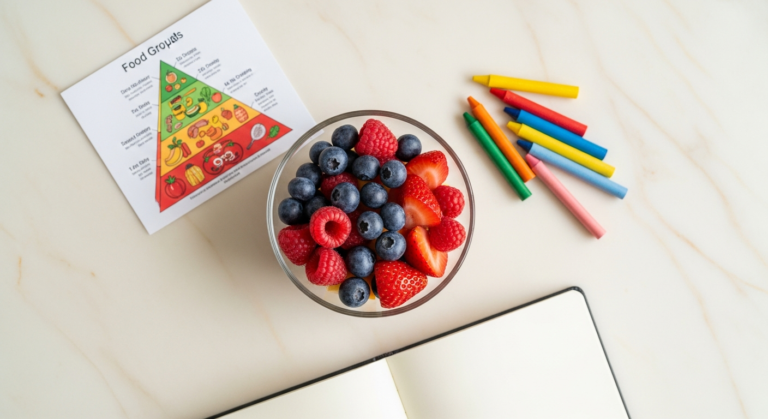
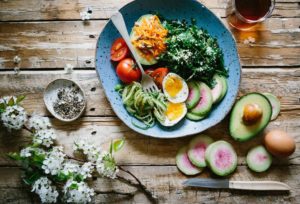
While intuitive eating guides how you eat, balanced nutrition guides what you eat. Focus on incorporating a wide variety of whole, unprocessed foods into your daily meals. This provides essential macronutrients (carbohydrates, proteins, fats) and micronutrients (vitamins, minerals) vital for female health.
- Prioritize Protein: Aim for a source of lean protein at every meal (e.g., chicken, fish, beans, lentils, tofu, Greek yogurt). Protein is crucial for muscle repair, satiety, and hormone production.
- Embrace Complex Carbohydrates: Choose whole grains (oats, quinoa, brown rice), fruits, and vegetables for sustained energy, fiber, and essential nutrients. Fiber is particularly important for digestive health and blood sugar regulation.
- Healthy Fats are Your Friends: Include sources of healthy fats like avocados, nuts, seeds, olive oil, and fatty fish. These are vital for hormone health, nutrient absorption, and brain function.
- Load Up on Fruits and Vegetables: Aim for a rainbow of colors daily. These are packed with antioxidants, vitamins, and minerals that protect your cells and support overall vitality. Try to get at least 5-7 servings a day.
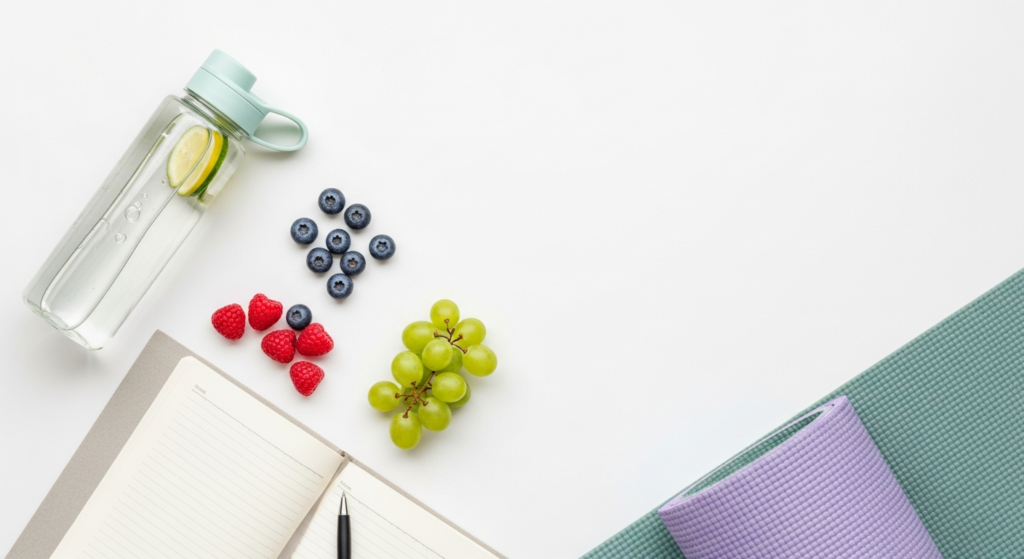
- Hydration is Key: Water is often overlooked but critical. Aim for at least 8 glasses of water daily, more if you’re active. Consider a smart water bottle that tracks your intake or setting reminders on your phone. Herbal teas and infused water are also great options.
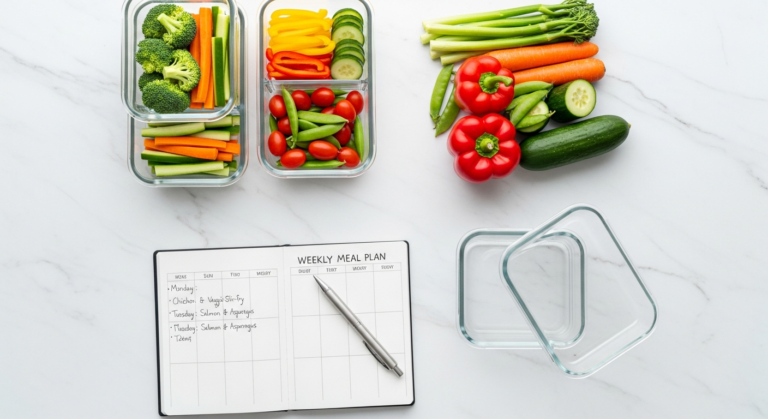
Step-by-Step Guidance: Start small. Choose one meal a day to focus on building a balanced plate. For example, make sure your lunch includes a lean protein, a complex carb, healthy fats, and plenty of vegetables. Over time, expand this to all meals. Keep a food journal (without judgment) for a few days to identify patterns and areas for improvement.
Tool Recommendation: Apps like MyFitnessPal (for tracking nutrients, not just calories) or intuitive eating journals can help you become more aware of your eating habits without falling into restrictive patterns. A high-quality insulated water bottle can also be a game-changer for staying hydrated.
2. Moving with Intention: Fitness Beyond the Gym
Physical activity is a cornerstone of a healthy lifestyle, offering profound benefits for women’s physical and mental health. It strengthens our bones, boosts our mood, improves cardiovascular health, manages weight, and enhances energy levels. However, fitness doesn’t have to mean hours at the gym or grueling workouts you dread. Our focus is on finding joyful movement that you can sustain and that truly serves your body.
Understanding Women’s Unique Fitness Needs
Women’s bodies have specific needs when it comes to movement, influenced by hormonal fluctuations, bone density concerns, and pelvic health. Integrating a variety of movement types is key to a well-rounded routine.
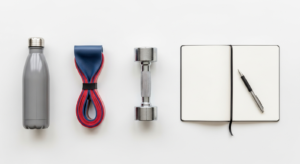
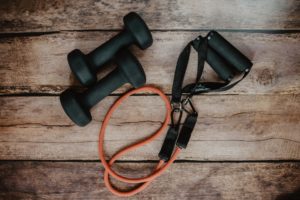
- Strength Training: Essential for women of all ages. It builds muscle mass, which boosts metabolism, protects against bone density loss (osteoporosis), and improves overall strength and functional movement. Aim for 2-3 sessions per week, focusing on major muscle groups. This can be bodyweight exercises, resistance bands, or weights.
- Cardiovascular Health: Regular cardio strengthens your heart and lungs, improves stamina, and helps manage stress. Find activities you enjoy – brisk walking, running, dancing, cycling, swimming. Aim for 150 minutes of moderate-intensity cardio or 75 minutes of vigorous-intensity cardio per week.
- Flexibility and Mobility: Incorporate activities like yoga, Pilates, or stretching routines to improve range of motion, prevent injuries, and reduce muscle stiffness. This is particularly important for posture and alleviating common aches and pains.
- Pelvic Floor Health: Often overlooked, the pelvic floor is crucial for women’s health. Exercises like Kegels, guided by a physical therapist if needed, can strengthen these muscles, preventing issues like incontinence and supporting core stability.
Making Movement a Joyful Part of Your Day
The key to sustainable fitness is making it enjoyable and integrated into your daily life, rather than a chore.
- Find Your Joy: What activities genuinely make you feel good? Dancing? Hiking? Gardening? Group fitness classes? Prioritize these.
- Break It Up: You don’t need a single hour-long workout. Short bursts of activity (e.g., three 10-minute walks) are just as effective as one longer session.
- Move More, Sit Less: Incorporate movement into your daily routine. Take the stairs, park further away, stand up and stretch every hour if you have a desk job.
- Set Realistic Goals: Start small and build gradually. If you’re new to exercise, aim for 15-20 minutes, 3 times a week, and slowly increase duration and intensity.
- Listen to Your Body: Rest days are crucial for muscle recovery and preventing burnout. Pay attention to signs of fatigue or pain and adjust your routine accordingly.
Step-by-Step Guidance:
- Identify 2-3 types of movement you genuinely enjoy or are curious about.
- Schedule 3 non-negotiable movement blocks into your week, even if they’re only 20-30 minutes.
- Incorporate “micro-movements” throughout your day (e.g., stretching during TV commercials, taking walking breaks).
- Consider joining a walking club, dance class, or finding an accountability partner to stay motivated.
Tool Recommendation: A comfortable pair of walking shoes, resistance bands for at-home strength training, or a subscription to a fitness app like Peloton, Nike Training Club, or a local studio offering a variety of classes can provide structure and motivation. A simple fitness tracker can also help monitor your activity levels.
3. Mastering Stress & Cultivating Mental Resilience
In our fast-paced world, stress has become an unwelcome constant for many women. Chronic stress not only impacts our mental well-being but also has profound physical consequences, affecting our hormones, digestion, sleep, and immune system. Building a healthy lifestyle in 2026 absolutely requires mastering stress management and cultivating strong mental resilience.
The Impact of Stress on Women’s Health
Women often experience stress differently and are more susceptible to its negative effects due to hormonal fluctuations and societal pressures. Chronic stress can lead to:
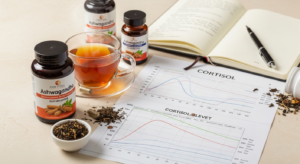
- Hormonal Imbalance: Elevated cortisol (the stress hormone) can disrupt other hormones, impacting menstrual cycles, fertility, and mood.
- Anxiety and Depression: Prolonged stress can trigger or exacerbate mental health conditions.
- Fatigue and Burnout: Feeling constantly drained, both physically and mentally.
- Digestive Issues: Stress can wreak havoc on the gut, leading to symptoms like IBS.
- Weakened Immunity: Chronic stress suppresses the immune system, making you more susceptible to illness.
Practical Strategies for Stress Reduction and Mental Well-being
Cultivating mental resilience isn’t about eliminating stress entirely; it’s about developing healthy coping mechanisms and building your capacity to bounce back.
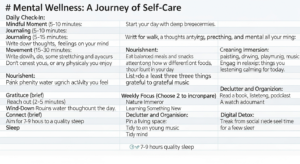
- Mindfulness and Meditation: Even 5-10 minutes of daily mindfulness can significantly reduce stress. This involves focusing on the present moment, observing your thoughts without judgment. Guided meditations are an excellent starting point.
- Deep Breathing Exercises: Simple diaphragmatic breathing can activate your parasympathetic nervous system, calming your body and mind almost instantly. Practice 4-7-8 breathing (inhale for 4, hold for 7, exhale for 8).
- Prioritize Sleep: Adequate, quality sleep is non-negotiable for mental health. (More on this in the next section!)
- Set Boundaries: Learn to say “no” to commitments that overextend you. Protect your time and energy fiercely. This includes digital boundaries (limiting screen time).
- Connect with Nature: Spending time outdoors, even a short walk in a park, has been shown to reduce stress hormones and improve mood.
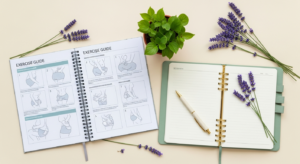
- Journaling: Writing down your thoughts and feelings can be a powerful way to process emotions, gain perspective, and reduce rumination.
- Engage in Hobbies and Creative Outlets: Pursuing activities you enjoy, whether it’s painting, reading, gardening, or playing music, provides a healthy escape and boosts mood.
- Seek Support: Don’t hesitate to reach out to friends, family, or a therapist if you’re struggling. Talking about your feelings is a sign of strength, not weakness.
Step-by-Step Guidance:
- Identify your biggest stress triggers.
- Choose one stress-reduction technique (e.g., daily 5-minute meditation) and commit to it for two weeks.
- Practice setting one small boundary this week (e.g., decline an extra task, turn off work notifications after hours).
- Schedule regular “me-time” – even if it’s just 15 minutes of quiet reading or listening to music.
Tool Recommendation: Meditation apps like Calm or Headspace, a comfortable journal and pen, or a therapist-matching service like BetterHelp or Talkspace. Blue light blocking glasses can also help reduce eye strain and improve sleep quality for those who work on screens.
4. Prioritizing Rest: The Foundation of Female Health
In a culture that often glorifies busyness and sleep deprivation, prioritizing rest can feel revolutionary. Yet, for women, adequate and restorative sleep is not a luxury; it’s a fundamental pillar of health, directly impacting everything from hormone regulation and immune function to mood, cognitive performance, and stress resilience. In 2026, let’s redefine productivity to include robust rest.
The Profound Impact of Sleep on Women’s Well-being
Sleep deprivation hits women particularly hard due to our intricate hormonal systems. Lack of sleep can:
- Disrupt Hormones: Affects reproductive hormones (estrogen, progesterone), thyroid function, and hunger hormones (ghrelin, leptin), potentially leading to weight gain, irregular cycles, and mood swings.
- Impair Cognitive Function: Reduces focus, memory, decision-making abilities, and problem-solving skills.
- Weaken Immunity: Makes you more susceptible to colds, flu, and other infections.
- Increase Stress and Anxiety: Creates a vicious cycle where poor sleep exacerbates stress, and stress makes it harder to sleep.
- Impact Mood and Emotional Regulation: Leads to irritability, heightened emotional responses, and increased risk of depression.
Cultivating a Restorative Sleep Routine
Aim for 7-9 hours of quality sleep per night. If that feels unattainable, start by improving your sleep hygiene with these practical steps:
- Establish a Consistent Sleep Schedule: Go to bed and wake up at roughly the same time every day, even on weekends. This helps regulate your body’s natural sleep-wake cycle (circadian rhythm).
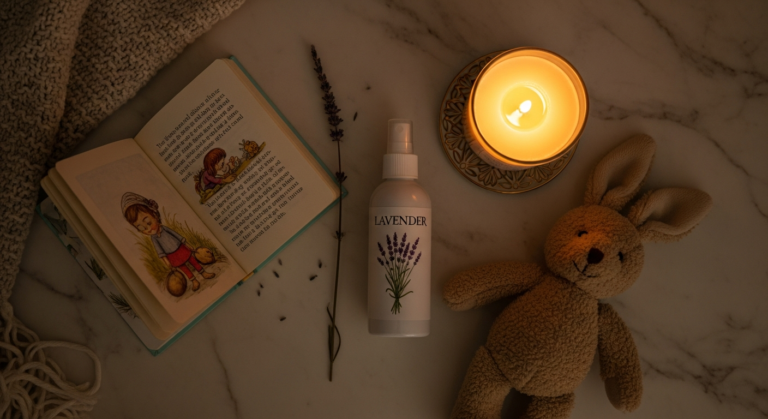
- Create a Relaxing Bedtime Ritual: Signal to your body that it’s time to wind down. This could include a warm bath, reading a book, gentle stretching, listening to calming music, or journaling. Avoid stimulating activities like intense exercise or work close to bedtime.
- Optimize Your Sleep Environment: Make your bedroom a sanctuary for sleep.
- Dark: Block out all light with blackout curtains or an eye mask.
- Quiet: Use earplugs or a white noise machine if needed.
- Cool: The ideal temperature for sleep is typically between 60-67°F (15-19°C).
- Comfortable: Invest in a supportive mattress and pillows.
- Limit Screen Time Before Bed: The blue light emitted from phones, tablets, and computers can interfere with melatonin production, the hormone that regulates sleep. Aim to stop using screens at least 1-2 hours before bedtime.
- Watch Your Caffeine and Alcohol Intake: Avoid caffeine in the late afternoon and evening. While alcohol might initially make you feel sleepy, it disrupts sleep architecture later in the night.
- Mindful Napping: If you need to nap, keep it short (20-30 minutes) and early in the afternoon to avoid interfering with nighttime sleep.
Step-by-Step Guidance:
- For one week, track your current sleep patterns to understand your baseline.
- Choose one aspect of your sleep hygiene to improve this week (e.g., no screens 1 hour before bed).
- Start a relaxing 15-minute bedtime routine tonight.
- Gradually adjust your bedtime by 15-30 minutes earlier each night until you reach your target sleep duration.
Tool Recommendation: A sunrise alarm clock, an eye mask, earplugs, essential oil diffuser with lavender, or a smart ring/watch like Oura Ring or Apple Watch to track sleep patterns (use data for awareness, not obsession).
5. Hormonal Harmony & Reproductive Wellness
A healthy lifestyle for women is inextricably linked to hormonal balance and reproductive wellness. From puberty through menopause, our hormones orchestrate countless bodily functions, impacting our energy, mood, metabolism, skin, and fertility. Understanding and supporting our unique hormonal landscape is a powerful act of self-care for women in 2026.
Understanding Your Hormonal Rhythms
Instead of viewing hormones as mysterious forces, think of them as messengers. When these messengers are in sync, you feel your best. When they’re out of balance, symptoms can arise. Key areas for women include:
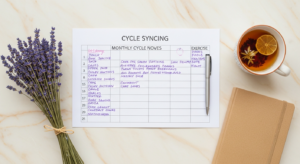
- Menstrual Cycle Awareness: Learning about the four phases of your cycle (menstrual, follicular, ovulatory, luteal) can help you understand your energy shifts, mood changes, and even optimize your nutrition and exercise to support each phase. Apps like Flo or Clue can assist with tracking.
- Thyroid Health: The thyroid gland produces hormones that regulate metabolism, energy, and body temperature. Underactive or overactive thyroid can significantly impact well-being.
- Adrenal Health: Your adrenal glands produce stress hormones. Chronic stress can lead to adrenal fatigue, impacting energy levels and overall hormonal balance.
- Perimenopause and Menopause: These natural life stages involve significant hormonal shifts (declining estrogen and progesterone) that can bring symptoms like hot flashes, sleep disturbances, and mood changes. A healthy lifestyle can significantly mitigate these.
Strategies for Hormonal Support and Reproductive Wellness
A holistic approach to healthy living naturally supports hormonal balance, but there are specific considerations for women:
- Nutrient-Dense Diet: As discussed in Section 1, a diet rich in whole foods, healthy fats (especially omega-3s), fiber, and micronutrients like magnesium, zinc, and B vitamins is essential for hormone production and detoxification. Cruciferous vegetables (broccoli, cauliflower) are particularly good for estrogen metabolism.
- Manage Stress Effectively: Chronic stress elevates cortisol, which can steal resources from other hormone production pathways (the “pregnenolone steal”). Prioritizing stress reduction (Section 3) is paramount.
- Prioritize Sleep: Inadequate sleep disrupts circadian rhythms and impacts hormone regulation, particularly cortisol and reproductive hormones (Section 4).
- Regular, Balanced Movement: Consistent exercise supports healthy circulation and reduces inflammation, both beneficial for hormones. However, over-exercising can be a stressor, so balance is key.
- Limit Endocrine Disruptors: Be mindful of exposure to xenoestrogens found in plastics, pesticides, and some personal care products. Choose glass over plastic, opt for organic produce, and select “clean” beauty products where possible.
- Support Liver Health: Your liver plays a critical role in metabolizing and detoxifying hormones. Support it with a diet rich in antioxidants, avoiding excessive alcohol, and staying hydrated.
- Regular Check-ups and Advocacy: Don’t skip your annual well-woman exams. Discuss any unusual symptoms with your doctor, advocate for comprehensive hormonal testing if needed, and consider consulting with a functional medicine practitioner or naturopath for a deeper dive into hormonal health.
Step-by-Step Guidance:
- Start tracking your menstrual cycle symptoms (mood, energy, physical sensations) to identify patterns.
- Incorporate one new hormone-supportive food into your diet each week (e.g., flax seeds, avocado, leafy greens).
- Review your personal care products and home cleaning supplies for potential endocrine disruptors and consider swapping out one item for a cleaner alternative.
- Schedule your annual well-woman exam and prepare a list of questions or concerns to discuss with your healthcare provider.
Tool Recommendation: Cycle tracking apps (Flo, Clue), a high-quality omega-3 supplement (consult your doctor), and resources like “In The Flo” by Alisa Vitti for deeper cycle syncing knowledge.
6. Building Your Support System: The Value of Connection
While we often focus on physical aspects, a truly healthy lifestyle in 2026 encompasses our social and emotional well-being. Humans are inherently social creatures, and strong, meaningful connections are as vital to our health as nutrition and exercise. For women, who often carry significant emotional labor, a robust support system can be a powerful buffer against stress, loneliness, and burnout.
The Health Benefits of Connection
Research consistently shows that social connection is a significant predictor of longevity and overall well-being. Conversely, loneliness and social isolation are linked to increased risks of heart disease, depression, cognitive decline, and a weakened immune system.
- Reduces Stress: Sharing your burdens with others can alleviate emotional pressure and provide new perspectives.
- Boosts Mood: Positive interactions release oxytocin and dopamine, enhancing feelings of happiness and contentment.
- Provides Accountability: Friends or community members can motivate you to stick to your healthy habits.
- Enhances Sense of Belonging: Feeling part of a community fosters purpose and self-worth.
- Improves Physical Health: Studies show socially connected individuals have lower blood pressure and a stronger immune system.
Cultivating and Nurturing Your Connections
Building a strong support system requires intentional effort, but the rewards are immeasurable.
- Nurture Existing Relationships: Reach out to friends and family regularly. Schedule video calls, coffee dates, or walks. Show genuine interest in their lives and offer support.
- Join Communities with Shared Interests: Whether it’s a book club, a fitness class, a volunteer group, or an online forum, connecting with people who share your passions can naturally lead to meaningful friendships.
- Be Open and Authentic: Allow yourself to be vulnerable. Share your true self, your struggles, and your triumphs. Authenticity fosters deeper connections.
- Practice Active Listening: When you’re with others, truly listen to understand, not just to respond. This makes people feel valued and heard.
- Offer Help and Accept It: Reciprocity is key in healthy relationships. Be there for others, and also allow yourself to lean on your support system when you need it.
- Digital Detox and Real-Life Connection: While social media can offer connection, prioritize face-to-face interactions. Schedule regular “friend dates” or family time.
- Set Boundaries with Draining Relationships: It’s also healthy to recognize when certain relationships are consistently draining your energy. It’s okay to create distance or set boundaries to protect your well-being.
Step-by-Step Guidance:
- Identify 2-3 people in your life you want to connect with more deeply.
- Schedule one intentional social interaction this week (e.g., coffee with a friend, video call with family).
- Explore one new community or group that aligns with your interests (e.g., a local hiking club, an online course forum).
- Practice active listening in your next conversation, focusing entirely on the other person.
Tool Recommendation: A shared calendar app with friends or family for easy scheduling, local community event listings, or online platforms for interest-based groups.
Your Healthy Lifestyle: A Lifelong Journey
Building a healthy lifestyle for women in 2026 is not a destination; it’s a dynamic, evolving journey. It’s about cultivating self-awareness, practicing self-compassion, and making consistent, small choices that align with your deepest values and health goals. Remember, progress over perfection. There will be days when you nail it, and days when you feel off track. The key is to approach yourself with kindness, learn from every experience, and gently guide yourself back to your path.
At Veralyn Media, we empower you to be the architect of your own well-being. By focusing on nourishing your body, moving with intention, mastering stress, prioritizing rest, understanding your hormones, and fostering meaningful connections, you are not just building habits; you are building a life of vibrancy, resilience, and profound well-being. You have the power within you to thrive – let’s embrace that power together, today and every day.