Your Kitchen, Your Health: Crafting a Space That Nourishes Your Body & Soul
At Veralyn Media, we believe that true wellness is holistic, extending beyond what’s on your plate to the very environment in which you prepare it. Your kitchen isn’t just a collection of appliances and ingredients; it’s a powerful ecosystem that can either support or sabotage your healthy eating goals. Research consistently shows that our immediate environment profoundly influences our choices, often without us even realizing it. From the visibility of certain foods to the organization of your pantry, every detail plays a role in the decisions you make about what to eat, how to cook, and ultimately, how you feel.
As your dedicated health coach, I’m here to guide you through transforming your kitchen into a sanctuary of wellness – a space that inspires creativity, simplifies healthy choices, and truly nourishes your body and soul. This isn’t about expensive renovations or striving for unattainable perfection. It’s about intentional adjustments, smart strategies, and a sprinkle of self-compassion to create a kitchen that serves you and your health journey, today and for years to come. Let’s get started!
The Foundation: Declutter, Organize, and Simplify
Before you even think about stocking your fridge with vibrant greens or investing in new gadgets, the first and most crucial step is to create a clean, organized, and functional base. A cluttered kitchen isn’t just visually overwhelming; it’s mentally draining. Studies suggest that physical clutter can lead to increased stress and anxiety, making it harder to focus and make deliberate, healthy choices. When you can’t find what you need, or your countertops are buried under forgotten items, the path of least resistance often leads to takeout or processed snacks.
Think of this as a detox for your kitchen. Here’s how to approach it:
- Empty and Evaluate: Start with one area – a drawer, a cabinet, or your pantry. Take everything out. Yes, everything! This allows you to see exactly what you have.
- Sort and Purge: As you handle each item, ask yourself:
- Is this expired or spoiled? (Toss it!)
- Do I use this regularly? (Keep it!)
- Have I used this in the last year? If not, is it truly essential? (Consider donating, selling, or discarding.)
- Do I have duplicates? (Keep the best, donate the rest.)
- Is it broken or damaged? (Repair or discard.)
Be ruthless but kind to yourself. Letting go of items that no longer serve you creates space for what truly matters.
- Clean and Categorize: Once empty, wipe down all surfaces. Then, group similar items together. All baking supplies in one area, spices together, breakfast items, snacks, cooking oils, etc. Creating ‘zones’ makes it incredibly easy to find what you need and put things back in their place.
- Optimize Storage:
- Vertical Space: Use shelf risers, stackable containers, and hanging racks to maximize cabinet and pantry space.
- Clear Containers: Transfer dry goods like grains, pasta, nuts, and seeds into clear, airtight containers. This not only keeps food fresh and deters pests but also makes it easy to see what you have, reducing waste and simplifying grocery lists.
- Drawer Dividers: Tame utensil drawers with dividers.
- Lazy Susans: Perfect for oils, vinegars, and spices in cabinets.
- Countertop Clarity: Aim for clear countertops. Keep only frequently used items like your coffee maker, a fruit bowl, or a knife block on display. Everything else should have a home in a cabinet or drawer. This reduces visual clutter and provides ample space for food preparation.
The goal isn’t to create a sterile, unused space, but a functional, inviting one where you feel calm and capable. Start small, perhaps just one drawer, and build momentum.
Stocking Your Sanctuary: A Pantry & Fridge Full of Wellness
Once your kitchen is organized, it’s time to fill it with ingredients that will nourish your body and fuel your healthy eating habits. Your pantry, fridge, and freezer are your first line of defense against unhealthy choices. When they’re stocked with wholesome, accessible options, you’re far more likely to cook at home and make nutritious meals.
Here’s a guide to stocking your wellness sanctuary:
The Pantry: Shelf-Stable Powerhouses
- Whole Grains: Brown rice, quinoa, oats, whole wheat pasta, farro, barley. These provide sustained energy and fiber.
- Legumes: Canned (low sodium) or dried beans (black beans, chickpeas, kidney beans), lentils. Excellent sources of plant-based protein and fiber.
- Healthy Fats: Extra virgin olive oil, avocado oil, coconut oil, nuts (almonds, walnuts, cashews), seeds (chia, flax, hemp, pumpkin). Essential for hormone health, brain function, and satiety.
- Canned Goods: Diced tomatoes, tomato paste, tuna or salmon (in water or olive oil), artichoke hearts, low-sodium broths. Quick additions to many meals.
- Spices & Herbs: A well-stocked spice rack is a healthy cook’s best friend. They add flavor without excess salt, sugar, or unhealthy fats. Think cumin, coriander, turmeric, paprika, garlic powder, onion powder, dried oregano, basil, thyme.
- Vinegars & Sauces: Apple cider vinegar, balsamic vinegar, tamari or low-sodium soy sauce, mustard.
- Sweeteners (in moderation): Maple syrup, honey, dates.
- Baking Staples (if applicable): Whole wheat flour, almond flour, baking powder, baking soda.
The Refrigerator: Freshness & Ferments
- Abundant Produce: Make fruits and vegetables the stars. Keep washed and pre-chopped veggies (carrots, celery, bell peppers) at eye level for easy snacking. Store berries, leafy greens, and other perishables in clear containers so you see them first.
- Lean Proteins: Eggs, chicken breast, fish, tofu, tempeh, Greek yogurt, cottage cheese.
- Healthy Dairy/Alternatives: Unsweetened almond milk, oat milk, or cow’s milk; plain Greek yogurt.
- Fermented Foods: Sauerkraut, kimchi, kombucha. Excellent for gut health.
- Condiments: Hummus, salsa, pesto (check ingredients for added sugars/unhealthy oils).
The Freezer: Your Meal Prep Partner
- Frozen Fruits & Vegetables: Berries, spinach, broccoli, mixed vegetables. Perfect for smoothies, stir-fries, and quick side dishes, often with higher nutrient content than out-of-season fresh options.
- Batch-Cooked Meals: Chili, soup, stews, cooked grains. Freeze in individual portions for grab-and-go lunches or dinners.
- Proteins: Chicken breasts, ground turkey, fish fillets, shrimp. Buying in bulk and freezing can save money.
- Homemade Broth: Freeze leftover vegetable scraps or chicken bones to make nutrient-rich broth.
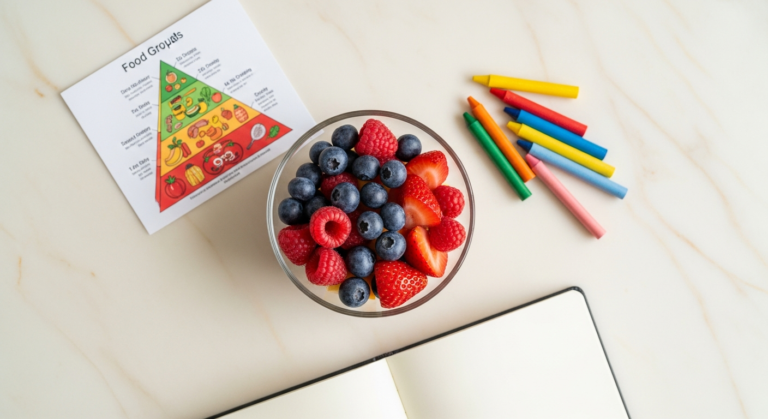
Pro Tip: The Power of Visibility. Behavioral science suggests that what’s visible is what gets eaten. Keep a beautiful bowl of fresh fruit on your counter. Store healthy snacks (nuts, seeds, cut veggies) in clear containers at the front of your fridge or pantry. Relegate less healthy options (if you keep them) to less accessible spots, like a high shelf or an opaque container. This simple trick can dramatically shift your snacking habits.
Equipping for Effortless Health: Smart Tools & Appliances
Having the right tools can make healthy cooking not just easier, but genuinely enjoyable. You don’t need every gadget under the sun, but a few key items can significantly streamline your meal preparation, saving you time and effort. This is about working smarter, not harder, in your kitchen.
The Essentials:
- High-Quality Knives: A sharp chef’s knife, a paring knife, and a serrated knife are indispensable. Good knives make chopping vegetables safer and more efficient, turning a dreaded task into a satisfying one. Invest in a sharpener or professional sharpening service.
- Sturdy Cutting Boards: Have at least two – one for raw meats/fish and another for produce to prevent cross-contamination. Wood, bamboo, or high-quality plastic are good options.
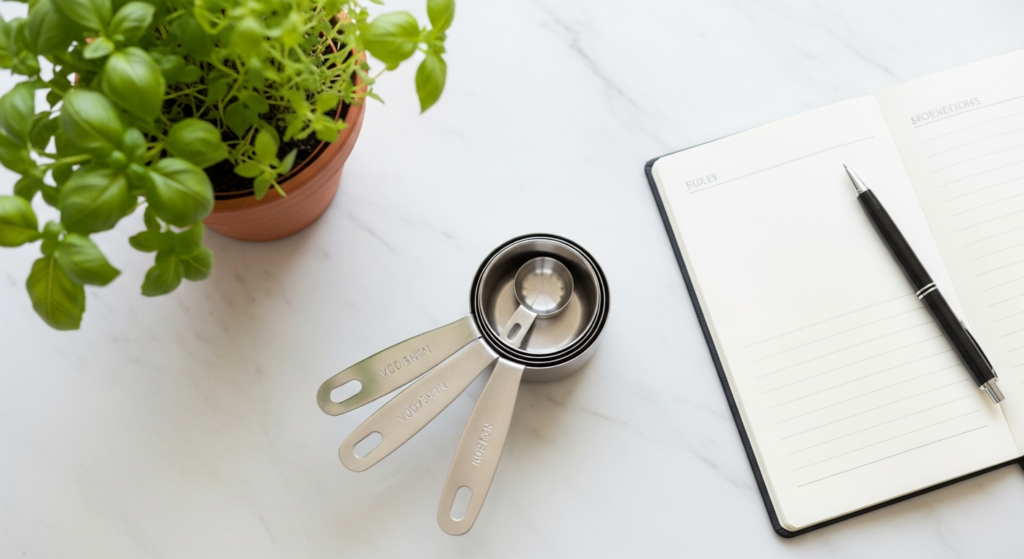
- Measuring Tools: Reliable measuring cups and spoons are crucial for accurate recipes and portion control.
- Mixing Bowls: A set of various sizes for all your prep needs.
- Sheet Pans: Versatile for roasting vegetables, baking fish, or making one-pan meals.
- High-Quality Cookware:
- Stainless Steel: Durable, non-reactive, and great for searing.
- Cast Iron: Excellent heat retention, adds iron to food, and can go from stovetop to oven. Requires seasoning.
- Ceramic-Coated Non-Stick: A good option for everyday cooking, but choose reputable brands and avoid overheating to prolong their life. Look for PFOA/PFOS-free options.
Consider a good Dutch oven for soups and stews.
- Food Storage Containers: Invest in a collection of glass containers with airtight lids. They are perfect for meal prepping, storing leftovers, and are microwave and oven-safe. BPA-free plastic is also an option, but glass is generally preferred for longevity and food safety.
Time-Saving & Health-Boosting Appliances:
- Blender: A powerful blender is a game-changer for smoothies, soups, sauces, and homemade nut milks.
- Food Processor: Chops, slices, grates, and purees with ease, saving immense prep time, especially for larger quantities of vegetables.
- Slow Cooker or Instant Pot: These appliances are perfect for “set it and forget it” meals. They can transform tougher cuts of meat into tender dishes, cook grains, and prepare soups and stews with minimal hands-on time.
- Air Fryer: Offers a healthier way to enjoy crispy foods with significantly less oil than deep frying. Great for roasted vegetables, chicken, and even some baked goods.
- Water Filter/Pitcher: Encouraging hydration is key. Having clean, filtered water readily available makes it easy to reach for water instead of sugary drinks.
When selecting tools, prioritize quality over quantity. A few well-made items will serve you better and last longer than a drawer full of flimsy gadgets. Think about the types of meals you love to cook or want to cook more often, and choose tools that support those aspirations.
Designing for Delight: Aesthetics, Flow, and Ambiance
Your kitchen’s appearance and feel go far beyond mere functionality; they deeply influence your mood, motivation, and even your eating habits. Creating an environment that feels welcoming, calm, and inspiring can significantly enhance your healthy eating journey. This is where your kitchen truly becomes a reflection of self-care.
- Lighting is Key: Natural light is a powerful mood booster. Maximize it where possible. Supplement with good task lighting over your countertops for safe and efficient food prep, and consider ambient lighting to create a warm, inviting atmosphere for dining. Harsh, dim lighting can make a kitchen feel unwelcoming.
- Color & Texture: Colors can subtly influence appetite and mood. Calming colors like blues, greens, and soft neutrals can create a serene environment, while warm tones can be energizing. Incorporate natural textures like wood, stone, or woven baskets to add warmth and a sense of groundedness.
- Comfortable Seating: If your kitchen has an eating area, ensure it’s comfortable and inviting. A cozy nook or a well-set table encourages mindful eating and connection, rather than rushed meals on the go.
- Bring in Nature: Plants and fresh herbs not only add beauty and a touch of life but can also improve air quality. A small herb garden on a windowsill provides fresh flavor for your cooking and a delightful aroma.
- Sensory Delights:
- Aromas: Think about the scents in your kitchen. Beyond cooking, consider diffusing essential oils (citrus for energy, lavender for calm) or simmering natural potpourri (cinnamon sticks, orange peels).
- Sound: Does your kitchen environment encourage calm? Consider playing soothing music while you cook, or simply embracing the quiet focus of meal preparation.
- Cleanliness and Order: A clean kitchen is an inviting kitchen. Wiping down counters after each use, putting dishes away promptly, and maintaining a general sense of order significantly reduces stress and makes you more likely to want to cook. It’s a subtle but powerful act of self-respect.
Your kitchen should be a space where you feel good, where you can move freely and efficiently, and where you are inspired to nourish yourself. Pay attention to how the space makes you feel – if it’s chaotic, consider small changes to bring in more tranquility. If it’s dull, add a pop of color or a living plant. These aesthetic touches are not superficial; they are integral to creating a holistic wellness environment.
The Meal Prep Powerhouse: Streamlining Your Healthy Habits
Even with the most organized and well-stocked kitchen, healthy eating can feel like a Herculean task if you’re constantly starting from scratch. This is where the magic of meal prep comes in. By dedicating a little time upfront, you can dramatically simplify your week, reduce decision fatigue, and ensure healthy options are always within arm’s reach. Your intentionally designed kitchen is the perfect backdrop for this powerful habit.
Creating Your Meal Prep Station:
- Dedicated Space: Clear a section of your countertop specifically for meal prep. Having an uncluttered surface ready to go makes the task less daunting.
- All Tools at Hand: Keep your essential chopping tools (knives, cutting boards, food processor) and storage containers easily accessible.
Strategies for Efficient Meal Prep:
- Batch Cooking Grains: Cook a large batch of quinoa, brown rice, or farro at the beginning of the week. These can be used as bases for bowls, sides for proteins, or additions to salads.
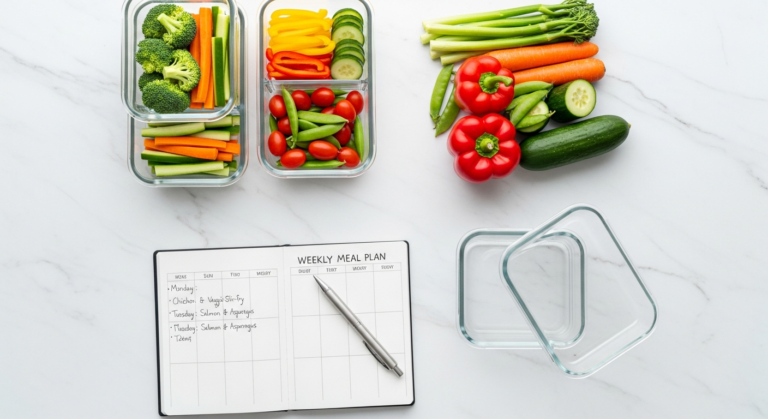
- Wash and Chop Produce: Wash and chop all your vegetables for the week. Store them in airtight containers in the fridge. This makes grabbing ingredients for stir-fries, salads, or snacks incredibly fast.
- Roast a Big Batch of Veggies: Sheet pan roasting a variety of vegetables (broccoli, sweet potatoes, bell peppers, zucchini) creates delicious, versatile additions to many meals.
- Prepare Proteins: Cook a large batch of lean protein like grilled chicken breast, baked salmon, or hard-boiled eggs. These can be portioned out for lunches and dinners.
- Assemble Components, Not Full Meals: You don’t always need to prepare entire meals. Sometimes, having cooked grains, pre-chopped veggies, and cooked protein ready means you can assemble a fresh meal in minutes, reducing monotony.
- Healthy Snack Prep: Portion out nuts, seeds, or homemade trail mix. Wash and cut fruit. Prepare individual servings of hummus and veggie sticks.
- Label and Date: Clearly label your containers with contents and the date they were prepared. This helps with food safety and reduces waste.
The “Cook Once, Eat Thrice” philosophy is a game-changer. For example, roast a chicken on Sunday. On Monday, enjoy it with roasted vegetables. On Tuesday, shred the leftover chicken for tacos or a salad. On Wednesday, use the bones to make a nourishing broth. This thoughtful approach extends the life of your ingredients and your effort.
Involving your family in meal prep can also be a wonderful way to teach healthy habits and share the load. Even young children can help wash vegetables or stir ingredients. When everyone contributes, the kitchen truly becomes a collaborative space for wellness.