
Navigating the Digital Landscape: Your Family’s Screen-Time Plan for 2026 and Beyond
Understanding the “Why”: The Science Behind Mindful Screen Use
Before we dive into the “how,” let’s ground ourselves in the “why.” A thoughtful screen-time plan isn’t just about setting arbitrary limits; it’s rooted in understanding how digital interactions impact our brains, bodies, and relationships. The science, while still evolving, offers valuable insights:
- Brain Development & Attention: For younger children, rapid-fire screen content can overstimulate developing brains, potentially affecting attention spans and executive functions. Early childhood is a critical period for developing self-regulation through real-world interactions, imaginative play, and social engagement. Excessive screen time can displace these crucial activities.
- Sleep Quality: The blue light emitted by screens can suppress melatonin production, making it harder for both children and adults to fall asleep and achieve restorative sleep. This impact is particularly pronounced when screens are used close to bedtime.
- Physical Health: Sedentary screen time can contribute to a lack of physical activity, which is linked to various health concerns, including obesity and poor cardiovascular health. It can also lead to issues like “tech neck” and eye strain.
- Mental Health & Well-being: While screens can offer connection, excessive or unmonitored use can contribute to feelings of loneliness, anxiety, and depression, especially when social media comparisons or cyberbullying are involved. The “fear of missing out” (FOMO) and the constant dopamine hits from notifications can create a cycle that impacts emotional regulation.
- Learning & Creativity: Screens can be powerful educational tools, offering access to vast information and creative platforms. However, passive consumption (e.g., endless scrolling) offers fewer cognitive benefits than active engagement, problem-solving, or creative expression.
- Social-Emotional Skills: Face-to-face interactions are vital for developing empathy, reading social cues, and navigating complex relationships. Over-reliance on digital communication can sometimes hinder the development of these essential real-world social skills.
The key takeaway from research isn’t that screens are inherently “bad,” but that context, content, and duration matter immensely. Our goal isn’t to demonize technology but to become intentional users, leveraging its benefits while mitigating its potential downsides. This balanced perspective is the foundation of a truly holistic family screen-time plan.
Assessing Your Family’s Current Digital Habits: The Starting Point
You can’t effectively plan for the future without understanding the present. Before setting any rules or boundaries, take a week or two to observe your family’s current screen habits without judgment. This isn’t about shaming; it’s about gathering data.
How to Conduct Your Digital Audit:
- Track Usage: Many devices (smartphones, tablets) have built-in screen-time trackers (e.g., Apple’s Screen Time, Google’s Digital Wellbeing). Utilize these. For gaming consoles or shared family devices, you might need to keep a simple notebook or a shared spreadsheet. Note who is using what, for how long, and for what purpose (e.g., homework, gaming, social media, passive entertainment).
- Observe Triggers: When do screens typically come out? Is it during meal prep, after school, before bed, during car rides, or when boredom strikes? Identifying triggers helps you anticipate and plan alternatives.
- Note the Mood: How do family members seem before, during, and after screen time? Are they engaged and happy, or irritable and withdrawn? Does screen time lead to arguments or increased connection?
- Identify Screen-Free Zones/Times: Are there already implicit screen-free times (e.g., during dinner, family outings)? Note these successes.
- Assess Your Own Habits: Be honest with yourself. Children are master imitators. How often are you on your phone during family time? Are you modeling the behavior you want to see?
This observation period provides invaluable insights into your family’s unique digital ecosystem. It helps you pinpoint areas of concern and moments of healthy engagement, setting the stage for a plan that’s tailored, not generic.
Crafting Your Family’s Core Screen-Time Philosophy: Your Guiding Principles
A successful screen-time plan isn’t just a list of rules; it’s an extension of your family’s values. Before you write down any specific limits, discuss and articulate your shared philosophy around technology. This creates a deeper understanding and buy-in, especially with older children.
Questions to Discuss as a Family (or with Your Partner):
- What is the primary purpose of technology in our family? (e.g., learning, connection, entertainment, creativity, productivity).
- What are our non-negotiables? (e.g., family meals are always screen-free, no screens in bedrooms, prioritizing sleep).
- What kind of content aligns with our values? (e.g., educational apps, creative games, age-appropriate shows, limiting violent content).
- How do we want to balance screen time with other essential activities? (e.g., outdoor play, reading, hobbies, chores, face-to-face conversations).
- How will we handle boredom? (This is often a key trigger for screen use. Discussing this proactively is crucial.)
- What does “healthy digital citizenship” mean to us? (e.g., being kind online, protecting privacy, critical thinking about information).
Write down these philosophical statements. They will serve as the bedrock for all your specific rules and decisions. For instance, if “prioritizing sleep” is a core value, then a “no screens an hour before bed” rule flows naturally from that.
Building Your 2026 Screen-Time Plan: Step-by-Step Implementation
Now, let’s translate your philosophy into actionable steps. Remember, this is a living document, designed to evolve with your family.
1. Set Age-Appropriate Guidelines:
The American Academy of Pediatrics (AAP) offers excellent, research-backed recommendations. Use these as a starting point, but always adjust for your unique child and family circumstances.
- 0-18 months: Avoid screen media, except for video-chatting with family.
- 18-24 months: If introducing screens, choose high-quality educational programming and co-view with your child to help them understand what they’re seeing.
- 2-5 years: Limit non-educational screen use to 1 hour per day of high-quality programming. Co-viewing is still crucial.
- 6 years and older: Place consistent limits on screen time and the types of media used. Ensure screen time doesn’t displace adequate sleep, physical activity, and other essential healthy behaviors.
Tip: For older children, consider a “points” or “token” system where they earn screen time by completing chores, reading, or playing outside. This fosters responsibility and connects screen use to other valuable activities.
2. Define Screen-Free Zones and Times:
These boundaries are incredibly effective because they create automatic pauses and protect essential family rituals.
- Meal Times: Make all meals screen-free – a time for connection and conversation.
- Bedrooms: Designate bedrooms as screen-free zones, especially for younger children. For teens, consider a “charging station” outside the bedroom overnight to prevent late-night use and ensure devices are off-limits for sleep.
- Family Gatherings/Outings: Encourage being present during family vacations, walks, or game nights.
- Before Bed: Implement a “digital curfew” at least 1-2 hours before bedtime for everyone, including adults. Encourage reading, quiet play, or conversation instead.
3. Focus on Content Quality Over Quantity:
Not all screen time is created equal. Encourage “active” screen time over “passive” consumption.
- Active Screen Time: Interactive games, creative apps (drawing, music creation), coding platforms, video calls with family, online learning courses, producing content (making videos, writing stories).
- Passive Screen Time: Endless scrolling on social media, binge-watching shows, mindlessly consuming videos.
Tip: Have regular conversations with your children about what they’re watching or playing. Ask open-ended questions like, “What did you learn from that game?” or “How did that video make you feel?” This encourages critical thinking and active engagement.
4. Model Healthy Digital Habits:
This is perhaps the most crucial step. Your children are watching you. If you expect them to put their phones away, you need to do the same.
- Be Present: Put your phone away during conversations, meals, and playtime.
- Digital Detoxes: Practice short “digital detoxes” as a family – an hour, an afternoon, or even a full day once a week.
- Talk About Your Own Use: Explain why you’re using your phone (e.g., “I’m checking the weather for our walk,” “I’m replying to an important work email, then I’ll put it away”).
- Avoid Using Screens as a Pacifier: While convenient sometimes, relying on screens to quell boredom or tantrums can hinder a child’s ability to self-regulate and find alternative coping mechanisms.
5. Involve Your Children in the Process:
Empowerment leads to greater compliance. For children old enough to understand, involve them in creating the plan.
- Family Meeting: Hold a family meeting to discuss the current habits, the “why” behind the changes, and to brainstorm solutions together.
- Collaborative Rule-Making: Let them contribute to setting limits, choosing screen-free activities, and deciding on consequences. When they feel heard and have ownership, they’re more likely to stick to the plan.
- Digital Citizenship Discussion: Talk about online safety, privacy, cyberbullying, and responsible content creation.
6. Leverage Technology to Support Your Plan: Parental Controls & Tools
You don’t have to manage this all manually. Technology can be your ally.
- Built-in Device Controls: Utilize features like Apple’s Screen Time, Google’s Digital Wellbeing, or settings on gaming consoles (e.g., PlayStation Family Management, Xbox Family Settings) to set time limits, content restrictions, and app blocks.
- Third-Party Parental Control Apps: Consider apps like Bark (monitors content for safety, not just time), Qustodio (comprehensive time limits, content filtering, app blocking), or Circle Home Plus (manages all devices on your home network). These can offer more robust control and reporting.
- Smart Home Devices: Some smart plugs or smart routers can be programmed to cut off internet access to specific devices during certain hours (e.g., after bedtime).
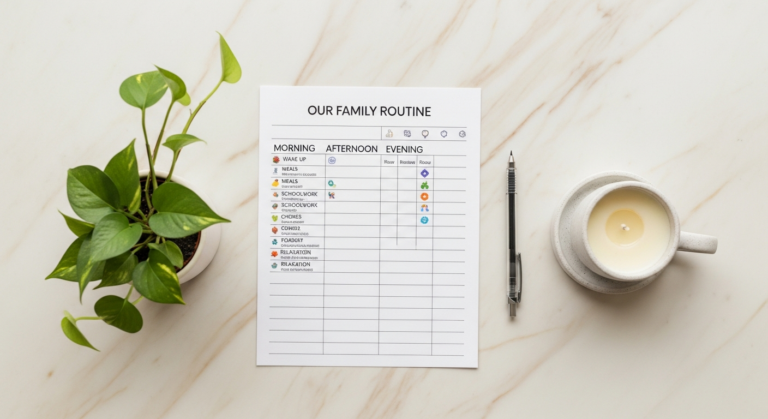
- Family Calendars/Charts: A visual chart or a shared digital calendar can help everyone track their screen time and non-screen activities.
Recommendation: Research different tools to find one that fits your family’s needs and budget. Look for features like time limits, content filtering, app blocking, location tracking (if desired), and activity reports. Many offer free trials.
Navigating Challenges and Adapting Your Plan
No plan is perfect, and life is rarely predictable. Expect bumps in the road and be prepared to adapt.
- Be Consistent, But Flexible: Consistency is key for children to understand boundaries. However, life happens. A sick day might mean more screen time. A long car trip might require an exception. Communicate these exceptions clearly.
- Expect Pushback: Especially from older children and teens who are used to more freedom. Validate their feelings (“I know this is frustrating for you”) while holding firm to the agreed-upon plan.
- Revisit and Revise Regularly: Hold family meetings quarterly or semi-annually to discuss what’s working, what’s not, and what needs adjusting. As children grow, their needs and responsibilities change, and so should the plan.
- Focus on Alternatives: When you say “no” to a screen, have a “yes” ready. “No screens right now, but we can go for a bike ride, read a book, or play a board game.” Stock your home with appealing screen-free options.
- Address Consequences Calmly: If rules are broken, apply agreed-upon consequences calmly and consistently. Avoid lecturing or shaming. Focus on the behavior and the plan.
- Seek Support: If you’re struggling, talk to your partner, other parents, or even a family therapist. You’re not alone in this journey.
Beyond the Clock: Focusing on Quality and Connection
Ultimately, a successful screen-time plan isn’t just about limiting minutes; it’s about enriching lives. It’s about shifting the focus from simply restricting usage to fostering a healthy relationship with technology and prioritizing real-world experiences and connections.
- Co-Viewing and Co-Playing: When your children are on screens, join them! Watch a show together, play a video game, or explore an educational app. This turns screen time into bonding time, allows you to model critical thinking, and provides opportunities for discussion.
- Encourage Creation: Inspire your children to be creators, not just consumers. Whether it’s making a stop-motion video, designing a game level, or writing a blog post, creative tech use can be incredibly enriching.
- Prioritize Real-World Engagement: Actively schedule and encourage activities that don’t involve screens: outdoor adventures, creative arts, reading physical books, board games, sports, and simply unstructured free play.
- Teach Digital Literacy: Help your children understand how algorithms work, how to discern fake news, and the permanence of their digital footprint. Empower them to be critical, responsible digital citizens.
- Cultivate Curiosity: Use screens as a springboard for real-world exploration. Did they watch a documentary about space? Visit a planetarium or check out books from the library.