Cycle Syncing Guide: Harmonizing Your Life with Your Menstrual Cycle for Optimal Well-being
Understanding Your Cycle: More Than Just Your Period
Before we dive into syncing, it’s crucial to understand the magnificent symphony of your menstrual cycle. It’s far more than just the days you bleed; it’s a complex, approximately 28-day hormonal dance that influences virtually every system in your body. While the average cycle is 28 days, remember that a healthy cycle can range from 21 to 35 days, and what’s “normal” is often unique to you. Your cycle is comprised of four distinct phases, each characterized by specific hormonal patterns that impact your energy, mood, metabolism, and cognitive abilities.
Let’s break them down:
* Menstrual Phase (Days 1-5/7): This is the bleeding phase, marking the first day of your period as day one of your cycle. Hormones like estrogen and progesterone are at their lowest levels. Your body is shedding the uterine lining it built up in anticipation of pregnancy.
* Follicular Phase (Days 1-14, overlapping with Menstrual): Starting on day one of your period and lasting until ovulation, this phase sees a gradual rise in estrogen. Follicle-stimulating hormone (FSH) signals your ovaries to prepare an egg for release. Estrogen helps thicken the uterine lining again and makes you feel more energetic and outward-focused.
* Ovulatory Phase (Around Day 14): A surge in luteinizing hormone (LH) triggers the release of the mature egg from the ovary. This is a short, powerful phase, often lasting 24-48 hours. Estrogen peaks, leading to heightened energy, confidence, and communication skills.
* Luteal Phase (Days 15-28): After ovulation, the ruptured follicle transforms into the corpus luteum, which produces progesterone. Progesterone becomes the dominant hormone, preparing the uterus for potential pregnancy. Estrogen also rises again, then both hormones drop if pregnancy doesn’t occur, leading into the next menstrual phase. This phase is often associated with premenstrual symptoms (PMS) due to the hormonal shifts.
Each of these phases offers a unique energetic blueprint, and by tuning into them, we can unlock a deeper connection with ourselves.
What Exactly is Cycle Syncing? The Science-Backed Approach
Cycle syncing is the intentional practice of adapting your diet, exercise routine, work tasks, and social activities to align with the fluctuating hormonal landscape of your menstrual cycle. It’s not about rigid rules, but about listening to your body’s innate wisdom and honoring its changing needs.
The “why” behind cycle syncing is rooted in physiology. Our hormones aren’t just for reproduction; they are powerful chemical messengers that influence:
* Energy Levels: Estrogen is often invigorating, while progesterone can be more calming.
* Metabolism: Your body’s caloric needs and how it uses fuel can change throughout the month. For instance, your basal metabolic rate can increase during the luteal phase, meaning you might naturally crave more food.
* Cognitive Function: Estrogen is linked to verbal fluency, memory, and creativity, while progesterone can enhance focus and analytical thinking.
* Mood and Emotional State: Fluctuations in estrogen and progesterone directly impact neurotransmitters like serotonin and GABA, influencing feelings of happiness, calm, or irritability.
* Physical Strength and Endurance: Certain phases may be better suited for intense workouts, while others call for gentler movement.
By syncing, you’re not just managing symptoms; you’re optimizing your body’s natural processes. Instead of fighting fatigue, you rest. Instead of forcing intense workouts, you opt for gentle movement. Instead of pushing through creative blocks, you lean into analytical tasks. This holistic approach supports hormonal balance, reduces PMS symptoms, boosts energy, enhances productivity, and fosters a deeper sense of self-awareness and well-being. It’s a powerful tool for women of all ages, whether you’re managing PMS, navigating fertility, or simply seeking a more harmonious life.
Phase-by-Phase Guide to Cycle Syncing: Your Empowered Blueprint
Now for the exciting part! Let’s break down how to sync your life with each phase. Remember, these are guidelines, not strict rules. Listen to your unique body first and foremost.
The Menstrual Phase: Rest, Reflect, Renew (Approx. Days 1-5/7)
* Hormonal Landscape: Estrogen and progesterone are at their lowest, signaling a time for introspection and shedding.
* Energy & Mood: You might feel lower in energy, more introspective, sensitive, and perhaps experience cramps or discomfort. It’s a time for quiet reflection.
* Nutrition Tips: Focus on nourishing, warming, and iron-rich foods to replenish what’s lost through bleeding.
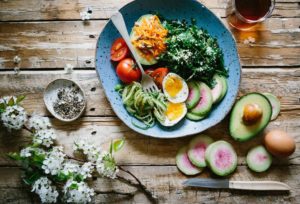
* Prioritize: Cooked vegetables (especially dark leafy greens like spinach and kale), lean proteins (lentils, beans, grass-fed beef), healthy fats (avocado, nuts, seeds), warming teas, root vegetables, and berries.
* Avoid/Limit: Cold, raw foods, excessive caffeine, alcohol, and highly processed foods, which can exacerbate inflammation.
* Movement Recommendations: Embrace gentle, restorative movement.
* Focus On: Yoga, slow walks, stretching, Pilates, or simply resting. This isn’t the time for high-intensity exercise.
* Product/Tool: A comfortable yoga mat and perhaps some essential oils for relaxation can enhance this phase.
* Work & Productivity: This is an ideal time for planning, brainstorming, and deep, focused work that doesn’t require high-energy output or extensive social interaction.
* Schedule: Solitary tasks, reviewing, organizing, journaling, vision boarding.
* Social & Self-Care: Prioritize solitude and self-nurturing.
* Embrace: Quiet evenings, warm baths, reading, journaling, spending time in nature, saying “no” to draining social engagements.
The Follicular Phase: Rise, Create, Explore (Approx. Days 1-14, overlapping with Menstrual)
* Hormonal Landscape: Estrogen begins its steady rise, bringing with it a gradual increase in energy, optimism, and mental clarity.
* Energy & Mood: As estrogen climbs, you’ll likely feel more energetic, creative, social, optimistic, and ready to take on new challenges.
* Nutrition Tips: Support rising estrogen and energy levels with fresh, vibrant foods.
* Prioritize: Fermented foods (kimchi, sauerkraut) for gut health, lean proteins, complex carbohydrates (quinoa, sweet potatoes), fresh fruits and vegetables, and healthy fats. Incorporate sprouts and flax seeds.
* Focus on: Liver support foods (cruciferous veggies like broccoli, cauliflower, kale) to help metabolize estrogen efficiently.
* Movement Recommendations: Your energy is returning! Gradually increase intensity.
* Focus On: Strength training, hiking, running, HIIT, dance classes. This is a great time to build muscle and endurance.
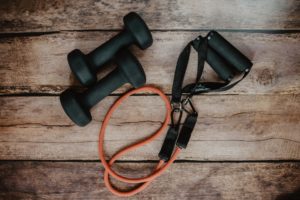
* Product/Tool: Good quality training shoes and a resistance band can be helpful.
* Work & Productivity: This phase is perfect for initiating new projects, creative brainstorming, learning new skills, and strategic planning.
* Schedule: Pitching ideas, starting new ventures, collaborative projects, skill development.
* Social & Self-Care: You’ll likely feel more outgoing and open to new experiences.
* Embrace: Networking, trying new hobbies, exploring new places, lively social gatherings, creative pursuits.
The Ovulatory Phase: Shine, Connect, Communicate (Approx. Days 13-16)
* Hormonal Landscape: Estrogen peaks, followed by a surge in LH. This is the most energetic and outwardly expressive phase.
* Energy & Mood: You’ll likely feel most confident, articulate, energetic, charismatic, and social. Your libido may also be at its highest.
* Nutrition Tips: Focus on lighter, fresh foods that support detoxification and energy.
* Prioritize: Plenty of raw fruits and vegetables, antioxidants, healthy fats (avocado, olive oil), light proteins, and foods rich in B vitamins and zinc (pumpkin seeds, chickpeas).
* Focus on: Supporting liver detoxification (e.g., green smoothies, dandelion tea) as estrogen levels are peaking.
* Movement Recommendations: This is your peak performance window!
* Focus On: High-intensity interval training (HIIT), intense cardio, challenging workouts, group fitness classes, long runs. You’ll likely feel stronger and have more stamina.
* Product/Tool: Consider a fitness tracker to monitor your peak performance.
* Work & Productivity: Excellent for presentations, networking, important meetings, public speaking, and collaborative efforts.
* Schedule: High-stakes negotiations, client meetings, team brainstorming, content creation that requires outward expression.
* Social & Self-Care: You’re a social butterfly!
* Embrace: Date nights, social events, meeting new people, public speaking engagements, expressing yourself creatively.
The Luteal Phase: Nurture, Organize, Complete (Approx. Days 15-28)
* Hormonal Landscape: Progesterone dominates, bringing a calming, introspective energy. Estrogen rises again then drops sharply towards the end.
* Energy & Mood: Energy may start high, then gradually decrease. You might feel more focused, detail-oriented, but also potentially more irritable, anxious, or experience PMS symptoms as hormones drop.
* Nutrition Tips: Support progesterone production and manage potential cravings or inflammation.
* Prioritize: Complex carbohydrates (sweet potatoes, brown rice, oats) to stabilize blood sugar and support serotonin production, magnesium-rich foods (dark chocolate, leafy greens, nuts, seeds), calcium-rich foods, and B vitamins. Healthy fats (avocado, nuts, seeds) are also crucial.
* Avoid/Limit: Excessive caffeine, sugar, and highly processed foods, which can worsen PMS symptoms. Stay well-hydrated.
* Movement Recommendations: Shift from high intensity to more sustained, grounding activities.
* Focus On: Moderate strength training, brisk walking, hiking, Pilates, yoga, cycling. As you get closer to your period, opt for gentler movements.
* Product/Tool: A good pair of walking shoes and perhaps a foam roller for muscle recovery.
* Work & Productivity: Ideal for detail-oriented tasks, organizing, completing projects, and analytical work.
* Schedule: Administrative tasks, budgeting, editing, reviewing, wrapping up loose ends, planning for the next cycle.
* Social & Self-Care: You might naturally desire more quiet time and less intense social interaction.
* Embrace: Cozy nights in, spending time with close friends and family, meal prepping, deep cleaning, journaling, gentle self-care rituals.
Getting Started with Cycle Syncing: A Practical Roadmap
Embarking on your cycle syncing journey doesn’t require an overnight overhaul. It’s a gradual process of listening, learning, and adjusting. Here’s a step-by-step guide to help you begin:
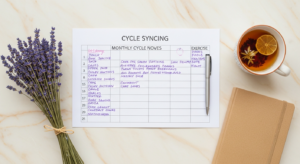
1. Track Your Cycle Diligently: This is the foundational step. You can’t sync if you don’t know where you are in your cycle.
* How: Use a dedicated cycle tracking app (like Flo, Clue, or Natural Cycles), a simple calendar, or a journal.
* What to track: Start and end dates of your period, mood shifts, energy levels, sleep quality, cravings, physical symptoms (bloating, cramps), and cervical mucus changes (if comfortable).
* Goal: Identify the typical length of each of your four phases. This might take 2-3 cycles.
2. Observe and Listen to Your Body: Before making any changes, simply observe. What do you naturally crave? When do you feel most energetic? When do you need rest? Your body is already giving you clues.
3. Choose One Area to Focus On First: Don’t try to change everything at once. Pick one area that feels most impactful or easiest to start with, such as nutrition or movement.
Example:* For your first cycle, focus only on adjusting your movement routine. For the next, add in nutrition tweaks.
4. Implement Small, Sustainable Changes: Instead of a radical diet change, try adding one new cycle-supportive food per phase. Instead of overhauling your workout, simply swap a HIIT session for a yoga class during your luteal phase.
5. Plan Ahead (When Possible): Once you have a sense of your cycle, you can proactively plan.
Example:* Schedule intense workouts and social events during your follicular/ovulatory phases. Block out quiet time for focused work or rest during your menstrual and late luteal phases.
6. Be Patient and Consistent: It takes time for your body to adjust and for you to truly understand its rhythms. Don’t get discouraged if you miss a day or feel “off.” Every cycle is a new opportunity to learn. Consistency over several cycles will yield the best results.
7. Adjust and Personalize: The guidelines above are general. Your cycle is unique. If you have an irregular cycle, PCOS, or are on hormonal birth control, your experience will differ. Adapt these principles to what feels good and works for your body.
8. Consult a Professional: If you have underlying hormonal conditions, persistent PMS, or an irregular cycle, consult with a trusted healthcare provider, functional medicine practitioner, or women’s health coach. They can offer personalized advice and support.
Embracing Your Inner Rhythm: The Long-Term Benefits of Cycle Syncing
Cycle syncing is more than just a trend; it’s a paradigm shift in how we relate to our bodies. By consciously aligning with your cycle, you’re not just managing symptoms; you’re cultivating a deeper connection to your innate feminine wisdom. The long-term benefits are profound and transformative:
* Enhanced Energy and Reduced Fatigue: By honoring your body’s natural energy fluctuations, you can prevent burnout and sustain higher energy levels overall.
* Balanced Mood and Emotional Stability: Understanding hormonal shifts helps you anticipate and navigate emotional changes with greater awareness and less reactivity.
* Optimized Productivity and Creativity: Working with your natural cognitive strengths means you’re more effective and efficient in your work and creative pursuits.
* Reduced PMS Symptoms: Many women report significant reduction in bloating, cramps, mood swings, and cravings by supporting their bodies appropriately throughout the cycle.
* Improved Hormonal Health: A lifestyle that supports your natural rhythms contributes to overall hormonal balance and well-being.
* Deeper Self-Awareness and Self-Compassion: Cycle syncing fosters a profound respect for your body’s intelligence, leading to greater self-love and acceptance.
* Greater Resilience to Stress: By proactively supporting your body, you build a stronger foundation to handle life’s stressors.
Imagine a life where you feel empowered by your cycle, rather than at its mercy. This isn’t just possible; it’s within your reach. Start today, Veralyn sister, and reclaim your inner rhythm.