Your Essential Clean Beauty Guide for Beginners: Thriving in 2026 with Mindful Choices
Decoding Clean Beauty: What Does It Really Mean in 2026?
The term “clean beauty” can feel a bit like the Wild West – loosely defined and often open to interpretation. However, as we approach 2026, a clearer consensus is emerging, guided by consumer demand for greater transparency and genuine impact. At its heart, clean beauty is about making mindful, informed choices that prioritize your health, the planet, and ethical practices. It’s far more nuanced than simply “natural” or “organic.”
Think of clean beauty as a Venn diagram with three overlapping circles:
1. Safety (Non-Toxic Ingredients): This is the cornerstone. Clean beauty products are formulated without ingredients linked to known or suspected health concerns. This includes common culprits like parabens (potential endocrine disruptors), phthalates (often hidden in “fragrance” and linked to reproductive issues), sulfates (harsh detergents that can strip skin and hair), synthetic fragrances (a major allergen and potential irritant, often containing undisclosed chemicals), formaldehyde releasers, and certain heavy metals. The focus is on ingredients that are biocompatible and support your body’s natural functions, rather than interfering with them.
2. Transparency & Accessibility: A clean beauty brand doesn’t just claim to be “natural”; it clearly lists all its ingredients, explains their purpose, and often provides information on sourcing. This empowers you to understand exactly what you’re applying to your skin. Accessibility means that while some clean beauty can be premium, there are increasingly affordable and effective options across all price points, making mindful choices available to everyone.
3. Sustainability & Ethics: Looking towards 2026, clean beauty extends beyond the ingredient list to encompass the entire lifecycle of a product. This includes:
* Sustainable Sourcing: Ingredients are obtained in ways that don’t harm ecosystems or exploit labor.
* Eco-Friendly Packaging: A strong emphasis on recycled, recyclable, refillable, or biodegradable materials to reduce plastic waste.
* Cruelty-Free: No animal testing at any stage of product development.
* Ethical Labor Practices: Ensuring fair wages and safe working conditions throughout the supply chain.
* Environmental Impact: Brands are increasingly assessing their carbon footprint, water usage, and waste generation.
It’s important to understand that “clean” isn’t regulated by the FDA in the U.S., which is why brand definitions can vary. However, a truly clean brand in 2026 will embody these core principles, striving for continuous improvement and advocating for higher industry standards. It’s about choosing products that respect your body and our shared home.
Your Clean Beauty Detox: The “Audit & Replace” Strategy
Embarking on your clean beauty journey doesn’t mean tossing everything out and starting from scratch. That can be overwhelming and wasteful! Instead, we advocate for a mindful, strategic approach: the “Audit & Replace” strategy. Think of it as a gentle spring cleaning for your beauty cabinet, empowering you to make sustainable swaps over time.
Step 1: Inventory Your Current Products
Gather all your personal care items – from skincare and makeup to hair products, body lotions, and even toothpaste. Lay them out so you can see everything you use regularly. This visual helps you grasp the full scope of your current routine.
Step 2: Understand Common Ingredients to Watch Out For
While a comprehensive list is vast, certain ingredients are red flags for many clean beauty advocates due to their potential impact on health. Don’t fear-monger, but be informed:
* Parabens (e.g., methylparaben, propylparaben, butylparaben): Used as preservatives, often linked to endocrine disruption.
* Phthalates (often hidden as “fragrance”): Plasticizers, also potential endocrine disruptors. Look for “phthalate-free” or choose fragrance-free.
* Sulfates (e.g., Sodium Lauryl Sulfate (SLS), Sodium Laureth Sulfate (SLES)): Harsh detergents that can strip natural oils, leading to irritation.
* Synthetic Fragrance/Parfum: A proprietary blend of chemicals, often containing allergens, phthalates, and other undisclosed ingredients. Opt for products scented with essential oils or naturally derived aromas, or go fragrance-free.
* Formaldehyde Releasers (e.g., DMDM hydantoin, imidazolidinyl urea, quaternium-15): Preservatives that slowly release formaldehyde, a known human carcinogen.
* PEGs (Polyethylene Glycols): Petroleum-derived compounds often used as thickeners, solvents, and humectants. Can be contaminated with 1,4-dioxane, a probable human carcinogen, during manufacturing.
* Triclosan: An antibacterial agent, linked to antibiotic resistance and endocrine disruption. Commonly found in antibacterial soaps and some toothpastes.
* Oxybenzone & Octinoxate: Chemical UV filters often found in sunscreens, linked to coral reef damage and potential endocrine disruption. Opt for mineral sunscreens (zinc oxide, titanium dioxide).
Step 3: Prioritize Your Swaps: The “Skin-Deep” Approach
Not all products have the same impact. Prioritize replacing items that:
* Stay on your skin the longest: Moisturizers, serums, foundations, body lotions, sunscreens. These have the most prolonged contact with your skin, allowing for greater absorption.
* Are used on large surface areas: Body washes, body lotions, shampoos, conditioners.
* Are applied to sensitive areas: Lipsticks (can be ingested), eye makeup, deodorants (near lymph nodes).
For example, your first swaps might be moisturizer, deodorant, and foundation, followed by shampoo and body wash.
Step 4: Gradual Transition: “When It’s Empty, Replace It Clean”
This is the most sustainable and budget-friendly approach. Instead of discarding half-used products, commit to replacing each item with a clean alternative once it runs out. This allows you to research, budget, and discover new brands without feeling overwhelmed. It’s a journey, not a race. Celebrate each clean swap as a step towards a healthier you!
Becoming an Ingredient Investigator: Empowering Yourself with Knowledge
One of the most empowering aspects of clean beauty is learning to read product labels with confidence. No longer will you be swayed solely by marketing claims; you’ll have the tools to understand what’s truly inside that bottle. Think of yourself as a detective, equipped with the knowledge to make informed decisions.
How to Read Labels Like a Pro:
* The INCI List (International Nomenclature of Cosmetic Ingredients): This is the official, standardized list of ingredients. By law, ingredients must be listed in descending order of concentration. This means the first few ingredients make up the bulk of the product. If a questionable ingredient is high on the list, it’s a bigger concern than if it’s at the very end.
* Order Matters: Water (Aqua) is often the first ingredient. Look for beneficial, active ingredients (e.g., hyaluronic acid, vitamin C, plant oils) high up, indicating a potent formulation.
* Less is Often More: A shorter, recognizable ingredient list can be a good sign, especially for sensitive skin.
Tools and Resources for Your Investigation:
You don’t need a chemistry degree to decipher labels! Several fantastic, free resources can help you:
* EWG Skin Deep® Database: The Environmental Working Group’s database rates tens of thousands of personal care products and ingredients based on known hazards (allergies, cancer, developmental and reproductive toxicity). It assigns a hazard score from 1 (low hazard) to 10 (high hazard). It’s a fantastic starting point for understanding ingredient safety.
* Think Dirty® App: Similar to EWG, this app allows you to scan product barcodes or search for products to see their “Dirty Meter” rating and learn about potentially harmful ingredients.
* Yuka App: While not exclusively for beauty, Yuka scans food and cosmetic products, giving them a rating based on their health impact and identifying risky ingredients.
* Credo Clean Standard / Sephora Clean Seal: Many retailers now have their own “clean” standards. While these can vary, they often provide a helpful filter for beginners, indicating products that meet certain “free from” criteria. Always check the retailer’s specific definition of “clean.”
Look for Certifications: Your Trusty Badges of Honor
Certifications are third-party verifications that a product or brand meets specific standards. They cut through the noise and offer a shortcut to trust:
* USDA Organic (for personal care): Signifies that at least 95% of ingredients are certified organic. A great indicator of purity, though not all excellent clean products are organic.
* Leaping Bunny: The gold standard for cruelty-free certification, meaning no animal testing at any stage of product development by the brand or its suppliers.
* Ecocert/COSMOS Organic/Natural: European certifications with strict standards for natural and organic ingredients, environmentally friendly production, and sustainable packaging.
* B Corp Certification: While not specific to beauty, B Corp brands meet rigorous standards of social and environmental performance, accountability, and transparency. A B Corp beauty brand is committed to being a force for good.
* Vegan Society / PETA Vegan & Cruelty-Free: Guarantees no animal-derived ingredients and no animal testing.
By using these tools and recognizing these certifications, you transform from a passive consumer into an active, informed participant in your beauty choices. This knowledge is your power, allowing you to confidently build a routine that aligns with your values.
Building Your Clean Beauty Routine: Essential Swaps for Every Step
Transitioning to a clean beauty routine doesn’t mean sacrificing performance. In fact, many clean formulations leverage potent plant-based ingredients and innovative science to deliver incredible results. Here’s how to make essential swaps across your daily regimen, focusing on what to look for in 2026.
Skincare: The Foundation of Your Glow
This is where your clean beauty journey can have the most profound impact, as these products are designed to penetrate and nurture your skin.
* Cleanser:
* Swap from: Harsh foaming cleansers with sulfates, synthetic fragrances.
* Swap to: Gentle, sulfate-free cream, oil, or gel cleansers. Look for plant-derived surfactants like decyl glucoside, coco-glucoside, or saponified oils. Ingredients like aloe vera, chamomile, and green tea are soothing.
* Tip: Double cleansing with a clean oil cleanser followed by a gentle cream cleanser can be incredibly effective for removing makeup and impurities without stripping your skin.
* Serums:
* Swap from: Serums with synthetic silicones, PEGs, or artificial colors.
* Swap to: Potent, plant-powered serums.
* Vitamin C: Look for L-Ascorbic Acid or its stable derivatives, suspended in clean, non-irritating bases.
* Hyaluronic Acid: Naturally derived sources for intense hydration.
* Niacinamide (Vitamin B3): Excellent for balancing oil, reducing redness, and improving skin texture.
* Bakuchiol: A natural, gentler alternative to retinol for anti-aging benefits.
* Moisturizer:
* Swap from: Heavy creams with mineral oil, petroleum, synthetic fragrances, or silicones.
* Swap to: Rich, nourishing formulas with plant oils (jojoba, argan, rosehip, squalane), shea butter, cocoa butter, ceramides, and glycerin.
* Tip: Consider a facial oil for an extra boost of nourishment, especially at night.
* SPF (Sun Protection Factor):
* Swap from: Chemical sunscreens (oxybenzone, octinoxate, avobenzone) that absorb UV rays and can be irritating.
* Swap to: Mineral sunscreens containing non-nano zinc oxide and/or titanium dioxide. These create a physical barrier to block UV rays and are generally considered safer for both your skin and marine life.
* Tip: Look for broad-spectrum SPF 30 or higher and apply generously.
Makeup: Enhancing Your Natural Beauty
Your makeup sits on your skin all day, so clean choices here are crucial.
* Foundation/Tinted Moisturizer:
* Swap from: Formulas with silicones, parabens, phthalates, synthetic dyes, and heavy fragrances.
* Swap to: Mineral-based foundations, liquid foundations with plant oils (jojoba, grapeseed), squalane, and natural pigments. Look for non-comedogenic formulas.
* Mascara:
* Swap from: Mascaras with coal tar dyes, parabens, synthetic polymers, and formaldehyde releasers.
* Swap to: Formulas using natural waxes (carnauba, beeswax), plant-derived fibers, and mineral pigments. Many clean mascaras are also infused with nourishing ingredients like shea butter or argan oil.
* Lipstick/Lip Gloss:
* Swap from: Lip products with lead (a common contaminant in some conventional lipsticks), synthetic dyes, petroleum jelly, and artificial flavors.
* Swap to: Lipsticks and glosses made with food-grade pigments, nourishing plant oils (castor, coconut, jojoba), shea butter, and natural flavors (vanilla extract).
Body Care: Head-to-Toe Wellness
Don’t forget the rest of your body – it’s your largest organ!
* Deodorant:
* Swap from: Antiperspirants with aluminum (which blocks sweat ducts) and synthetic fragrances.
* Swap to: Aluminum-free natural deodorants. Look for ingredients like baking soda (for odor absorption, though some may be sensitive), magnesium hydroxide, activated charcoal, and essential oils for scent.
* Tip: There can be a “detox” period when switching to natural deodorant. Be patient!
* Body Wash/Soap:
* Swap from: Sulfate-laden, artificially colored, heavily fragranced body washes.
* Swap to: Sulfate-free body washes with gentle, plant-based cleansers. Look for ingredients like aloe vera, glycerin, and essential oils for natural fragrance. Bar soaps made with saponified plant oils are also an excellent, often zero-waste, clean option.
* Body Lotion/Oil:
* Swap from: Lotions with mineral oil, petroleum, parabens, and synthetic fragrances.
* Swap to: Body lotions rich in plant oils (sunflower, almond, coconut), shea butter, cocoa butter, and essential oils for scent, or unscented versions. Pure plant oils like jojoba or argan oil are also wonderful for body hydration.
Hair Care: Healthy Strands from Root to Tip
Your scalp is an extension of your skin, so clean choices here matter.
* Shampoo & Conditioner:
* Swap from: Formulas with harsh sulfates, silicones (which can build up), parabens, and synthetic fragrances.
* Swap to: Sulfate-free, silicone-free shampoos and conditioners. Look for plant-based cleansers, botanical extracts (rosemary, nettle), nourishing oils (coconut, argan, jojoba), and essential oils.
* Tip: It can take a few washes for your hair to adjust to sulfate-free shampoos, as they won’t produce as much lather.
Remember, patch testing new products on a small area of skin (like your inner arm) is always a good idea, especially if you have sensitive skin or allergies. This gradual, informed approach ensures your clean beauty routine is effective, enjoyable, and truly supports your holistic well-being.
Beyond the Bottle: A Holistic Approach to Clean Living
Embracing clean beauty is a powerful step towards a healthier you, but it’s important to remember that true radiance stems from a holistic approach to wellness. What you put in your body, how you manage stress, and your daily habits are just as crucial as what you put on your skin. As we envision a vibrant 2026, let’s broaden our understanding of “clean” to encompass our entire lifestyle.
Nourish from Within: The Gut-Skin Connection
Your skin is a reflection of your inner health. A diet rich in whole, unprocessed foods, abundant in fruits, vegetables, healthy fats, and lean proteins, provides the essential vitamins, minerals, and antioxidants your skin needs to thrive. Focus on:
* Hydration: Drink plenty of water throughout the day. Water plumps skin cells, aids detoxification, and helps maintain skin elasticity.
* Omega-3 Fatty Acids: Found in flaxseeds, chia seeds, walnuts, and fatty fish, these reduce inflammation and support a healthy skin barrier.
* Antioxidants: Berries, dark leafy greens, green tea – these combat free radical damage that contributes to premature aging.
* Probiotics: Fermented foods like yogurt, kimchi, and sauerkraut support a healthy gut microbiome, which is intrinsically linked to clear, calm skin.
Mindful Movement and Stress Management
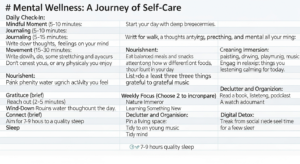
Chronic stress can wreak havoc on your skin, leading to breakouts, dullness, and accelerated aging. Incorporating stress-reducing practices into your daily life is a form of clean living:
* Movement: Regular exercise boosts circulation, delivering oxygen and nutrients to your skin cells, and helps flush toxins.
* Mindfulness & Meditation: Even a few minutes a day can significantly reduce stress hormones like cortisol.
* Quality Sleep: Your body repairs and regenerates while you sleep. Aim for 7-9 hours of restful sleep each night to allow your skin to do its essential repair work.
Conscious Consumption and Environmental Impact
Your clean beauty journey naturally extends to a broader awareness of your environmental footprint.
* Reduce Waste: Opt for refillable products, products with minimal or biodegradable packaging, and support brands committed to circular economy principles. Consider solid beauty bars (shampoo, conditioner, body wash) to eliminate plastic bottles.
* Support Ethical Brands: Beyond ingredients, choose brands that prioritize fair labor, sustainable sourcing, and community give-back initiatives. Your purchasing power is immense!
* Declutter Mindfully: As you audit your products, consider donating unopened, unexpired items to local shelters or women’s organizations, or responsibly recycling empty containers.
By embracing this holistic perspective, you’re not just switching products; you’re cultivating a lifestyle that prioritizes well-being, sustainability, and mindful choices in every aspect. This comprehensive approach is the true essence of thriving with clean beauty in 2026 and beyond.