
Sweet Dreams Start Here: Your Expert Guide to Crafting a Calming Bedtime Routine for Kids
At Veralyn Media, we believe in empowering you with science-backed, holistic, and practical advice that truly makes a difference in your family’s well-being. Today, we’re diving deep into the transformative power of a well-orchestrated bedtime routine for children of all ages. This isn’t about rigid rules or fear-mongering; it’s about understanding your child’s developmental needs, harnessing the power of predictability, and nurturing a sacred space for winding down. Consider this your comprehensive guide, packed with expert tips, research-backed insights, and actionable steps to help you craft a bedtime ritual that your child – and your entire household – will cherish. You’ve got this, and we’re here to walk you through every step.
The Science of Sleep: Why Routines Matter for Little Ones
Before we build our routine, let’s understand the “why.” Sleep isn’t just downtime; it’s a vital, active process essential for a child’s physical, emotional, and cognitive development. During sleep, children’s bodies grow, their brains process information from the day, consolidate memories, and release important hormones. A lack of quality sleep can manifest in various ways: irritability, difficulty concentrating, weakened immune systems, and even challenges with emotional regulation.
Enter the circadian rhythm – our internal biological clock that regulates our sleep-wake cycle. For children, this rhythm is still developing, and it thrives on predictability. Consistency, especially around bedtime, helps to synchronize this internal clock, signaling to their bodies that it’s time to wind down and prepare for rest.
Research consistently highlights the profound benefits of a consistent bedtime routine:
* Improved Sleep Quality and Duration: Children with routines fall asleep faster, wake less frequently, and sleep longer.
* Enhanced Emotional Regulation: Predictable routines reduce anxiety and stress, helping children feel secure and in control. When they know what to expect, their nervous systems can relax.
* Better Cognitive Function: Adequate sleep supports memory, learning, attention, and problem-solving skills, directly impacting school performance and overall development.
* Stronger Parent-Child Bonding: Bedtime routines create dedicated time for connection, cuddles, and quiet interaction, fostering a sense of security and love.
* Healthier Habits: Establishing good sleep hygiene early on sets the stage for a lifetime of healthy sleep patterns.
Think of a bedtime routine as a series of gentle cues that tell your child’s brain: “Okay, it’s almost time for sleep. Start producing melatonin (the sleep hormone) and slow down.” Without these cues, it’s like trying to stop a speeding train instantly – difficult and jarring. With a routine, you’re gradually applying the brakes, allowing for a smooth, natural transition to slumber.
Laying the Foundation: Creating the Ideal Sleep Environment
A calming bedtime routine starts long before your child even enters their bedroom. The sleep environment itself plays a crucial role in promoting restful sleep. Just like adults, children are highly sensitive to their surroundings.
Here’s how to optimize their sleep sanctuary:
* Darkness is Key: Melatonin production is highly sensitive to light. Even a small amount of light can suppress its release. Invest in blackout curtains or blinds to make the room as dark as possible. If your child prefers a nightlight, choose one that emits a warm, dim red or amber glow, as these colors are less disruptive to melatonin production than blue light.
* Cool and Comfortable: The ideal room temperature for sleep is generally between 18-20°C (65-68°F). A slightly cool room helps the body’s core temperature drop, which is a natural signal for sleep. Ensure pajamas are comfortable and appropriate for the room temperature – not too hot, not too cold.
* Quiet Please: While absolute silence isn’t always achievable (or even desirable for some children), minimizing disruptive noises is important. A white noise machine can be a game-changer. It creates a consistent, soothing background hum that masks sudden household noises or outdoor sounds, providing a “sound blanket” for sleep. Look for machines with a variety of sound options, like white noise, pink noise, or gentle nature sounds.
* Safety and Simplicity: Ensure the sleep space is safe, free from hazards, and uncluttered. A tidy room promotes a tidy mind. Keep toys and stimulating objects out of sight or in designated bins. The bed should be comfortable and inviting. For younger children, a beloved “lovey” or comfort item can provide immense security.
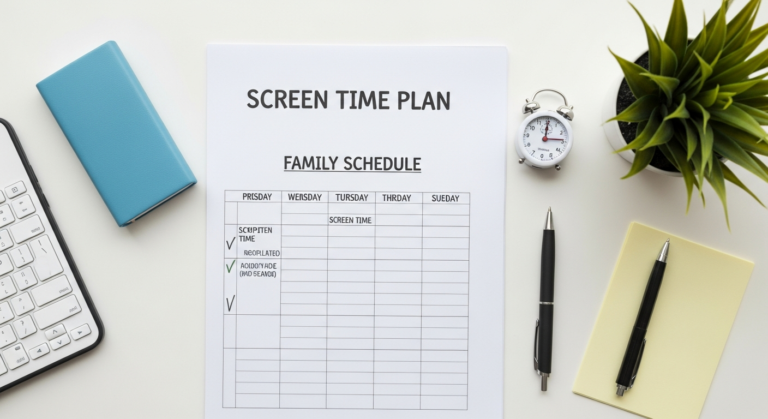
* No Screens, Period: This is non-negotiable. The blue light emitted from screens (TVs, tablets, phones) directly interferes with melatonin production. Aim for a “screen-free zone” at least 60-90 minutes before bedtime. This allows the brain to transition away from stimulating content and bright light.
By creating a sleep environment that signals safety, comfort, and rest, you’re setting the stage for the routine to truly work its magic.
The Blueprint: Gentle Steps for a Calming Bedtime Routine
Now, let’s craft the actual routine. Remember, consistency is your superpower here, but don’t feel pressured to make it perfect from day one. Start with what feels manageable and build from there. The ideal routine should be about 30-60 minutes long, depending on your child’s age and needs, beginning roughly 60-90 minutes before their desired sleep time.
Here’s a step-by-step guide to building a calming bedtime routine:
1. The Pre-Wind-Down (90-60 minutes before bed):
* Dinner & Gentle Play: Ensure dinner is finished well before bedtime to allow for digestion. After dinner, transition from active, boisterous play to quieter activities. Think building blocks, drawing, or a quiet puzzle. This signals the start of the wind-down period.
* Tidy Up (Optional but helpful): A quick, gentle tidy-up of toys can be a symbolic way to close out the day’s play and prepare for rest. Make it fun, not a chore.
2. The Cleansing & Comforting Phase (60-30 minutes before bed):
* Warm Bath or Shower: A warm bath is a classic for a reason. The warm water helps to relax muscles and the subsequent cooling of the body after the bath mimics the natural temperature drop that precedes sleep. Add a few drops of child-safe lavender essential oil to the bathwater (diluted with a carrier oil like jojoba or almond oil, or opt for a pre-made lavender bath product designed for children). Lavender is renowned for its calming properties. This is also a wonderful opportunity for gentle play or just quiet soaking.
* Pajamas & Potty: After the bath, put on comfortable pajamas. This simple act is another powerful cue. For potty-trained children, ensure a trip to the bathroom to avoid nighttime accidents.
3. The Quiet Connection Phase (30-15 minutes before bed):
* Brushing Teeth: Good hygiene is part of the routine. Make it a fun, interactive moment.
* Story Time: This is perhaps the most beloved part of many bedtime routines. Reading together offers invaluable benefits: it fosters a love for reading, expands vocabulary, ignites imagination, and provides a beautiful, intimate bonding experience. Choose calming, age-appropriate stories. For older children, this might involve independent reading or a chapter from a longer book.
* Quiet Conversation/Reflection: For older children, a few minutes of quiet conversation about their day can be therapeutic. Ask about their favorite part, what they learned, or something they’re looking forward to tomorrow. This allows them to process thoughts and feelings before bed, reducing anxiety.
* Gentle Touch: A light massage (feet, back, head), a prolonged cuddle, or simply holding hands can be incredibly soothing. The power of touch helps release oxytocin, the “love hormone,” which promotes relaxation and security.
4. The Final Farewell (15-0 minutes before bed):
* Snuggles & Goodbyes: Offer final hugs, kisses, and affirmations. “I love you. You are safe. Have sweet dreams.” Keep this loving, but firm, signaling that this is the last interaction before sleep.
* Into Bed: Tuck them in comfortably with their favorite lovie or blanket.
* Lights Out: Dim the lights, then turn them off. If using a nightlight, ensure it’s a warm, dim glow.
Remember, the order of these steps is less important than the fact that they happen consistently, in the same sequence, every night. This predictability is what trains your child’s brain and body to anticipate sleep.
Sensory Soothers & Mindful Moments: Enhancing Relaxation
Beyond the core steps, incorporating sensory elements and simple mindfulness techniques can elevate your bedtime routine, making it even more potent for relaxation.
* Soothing Sounds: In addition to a white noise machine, consider playing soft, calming music (classical, lullabies, or ambient soundscapes) during the quiet connection phase. This can help mask other household noises and create an auditory cocoon of peace.
Aromatherapy (Used Safely): As mentioned, lavender is a star. If you choose to use an essential oil diffuser, ensure it’s a cold-mist diffuser, use only pure, therapeutic-grade essential oils, and always dilute them appropriately. Diffuse for no more than 15-30 minutes before* your child enters the room, and keep the diffuser out of reach. Never apply undiluted oils directly to skin, and always consult with your pediatrician before introducing essential oils, especially for very young children or those with respiratory issues.
* Gentle Stretching or Yoga: For slightly older children, a few minutes of simple, child-friendly stretches or “bedtime yoga” poses can release physical tension. Think cat-cow, child’s pose, or gentle stretches for arms and legs. There are many wonderful children’s yoga resources online.
* Guided Imagery or Deep Breathing: Introduce simple breathing exercises. “Smell the flower, blow out the candle” is a classic for young children. For older kids, guide them through imagining a peaceful place, focusing on their breath, or feeling their body relax from their toes to their head. Apps and audio stories designed for children’s sleep can also be helpful here.
Weighted Blankets: For some children, especially those with sensory processing sensitivities or anxiety, a weighted blanket can provide a deep pressure sensation that is incredibly calming. Always consult with your pediatrician before using a weighted blanket to ensure it’s appropriate for your child’s age, weight, and health conditions.* It should be no more than 10% of their body weight, plus one pound.
These additions aren’t mandatory, but they can significantly enhance the calming effect of your routine, tapping into different sensory pathways to promote deeper relaxation.
Navigating Common Bedtime Battles & Challenges
Even with the best routine, children will inevitably test boundaries or face new sleep challenges. This is normal! Here’s how to approach common hurdles with warmth and wisdom:
* The “One More Thing” Syndrome (Stalling Tactics): “One more drink of water,” “one more story,” “I need to go potty again.” This is a classic.
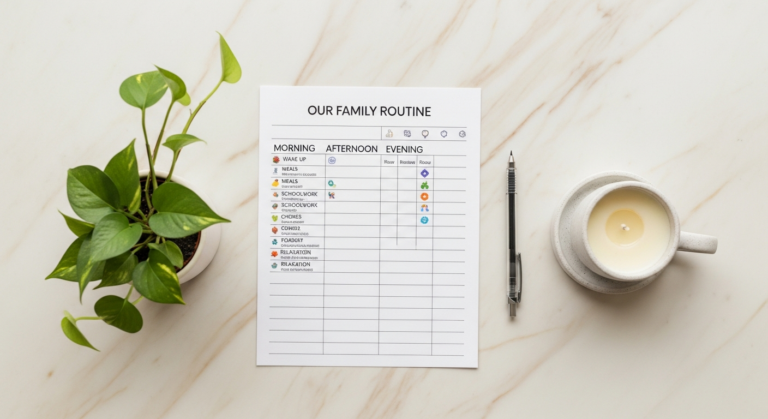
Strategy: Anticipate these needs before* the final tuck-in. Offer a last drink of water, ensure one final bathroom trip. Set clear boundaries: “This is our last story, then it’s time for sleep.” Use a visual routine chart so your child knows exactly what to expect next. Stick to your word, kindly but firmly.
* Resistance and Meltdowns: Sometimes, children simply don’t want to go to bed.
* Strategy: Validate their feelings (“I know it’s hard to stop playing, but our bodies need rest”). Reiterate the routine calmly. Avoid engaging in power struggles. If a meltdown occurs, stay present and offer comfort without deviating from the routine. Once they’re calm, gently guide them back to the next step. Consistency here is key. They learn that the routine happens regardless of the protest.
* Night Wakings: These can be due to various factors – nightmares, needing the bathroom, thirst, or simply difficulty self-soothing.
* Strategy: First, check for immediate needs (potty, water, fever). For nightmares, offer comfort and reassurance without prolonging the interaction. Gently guide them back to bed. For children who struggle with self-soothing, avoid bringing them into your bed if that’s not your long-term goal. Instead, comfort them in their room, reassure them, and then leave, allowing them to practice falling back asleep independently. A nightlight or sound machine can be comforting.
* The Screen Time Trap: We’ve touched on this, but it bears repeating.
* Strategy: Be vigilant. Create a “no screens in the bedroom” rule for everyone in the family, not just the kids. Offer engaging alternatives like art projects, board games, or reading during the wind-down period. Model good behavior by putting your own devices away.
* Travel and Schedule Changes: Life happens, and routines get disrupted.
* Strategy: Don’t stress too much over occasional deviations. For travel, try to maintain as many elements of the routine as possible – bring their favorite book, lovie, or portable sound machine. Be flexible, but once you’re back home, get right back on track with the established routine. Children are resilient and will adapt back quickly if you’re consistent.
* Fear of the Dark/Monsters:
* Strategy: Acknowledge their fears without dismissing them. “I understand you feel scared, but you are safe.” Check under the bed together. Use “monster spray” (water in a spray bottle). Reassure them with a nightlight. This is where a strong sense of security fostered by the routine helps immensely.
Remember, you are the calm in the storm. Your consistent, loving presence is the most powerful tool you have.
The Long Game: Consistency, Flexibility, and Self-Care for Parents
Creating and maintaining a calming bedtime routine is a journey, not a destination. It requires patience, persistence, and a healthy dose of self-compassion.
* Consistency is the Cornerstone: This cannot be overstressed. The more consistently you follow the routine, the more quickly your child’s body and mind will adapt. Even on weekends or holidays, try to stick to within 30-60 minutes of your usual bedtime and wake-up times. This helps maintain that crucial circadian rhythm.
* Embrace Flexibility (Within Reason): While consistency is key, life isn’t always perfect. There will be late nights, sick days, and special occasions. Don’t beat yourself up if you have to deviate. The beauty of a strong routine is that you can always return to it. Once your child is used to it, they’ll naturally fall back into the rhythm.
* Your Well-being Matters: Leading a calming routine when you’re feeling frazzled is incredibly challenging. Prioritize your own self-care. Take a few deep breaths before you start the routine. If you’re feeling overwhelmed, ask your partner or another trusted adult to step in. A well-rested, calm parent is better equipped to guide a child to sleep.
* Celebrate the Small Wins: Notice and acknowledge the progress. Did your child go to bed with less fuss tonight? Did they sleep through the night? Celebrate these successes, both for your child and for yourself. You are building healthy habits that will benefit your entire family for years to come.
A calming bedtime routine isn’t just about getting your child to sleep; it’s about nurturing their sense of security, fostering a loving connection, and teaching them the foundational skills for self-regulation and restorative rest. It’s an investment in their future health and happiness, and yours too.