Unleash Your Inner Power: The Unbeatable Benefits of Strength Training for Women Over 40
The “Why Now?”: Understanding Your Evolving Body
Let’s be real: your body in your forties isn’t the same as your body in your twenties, and that’s perfectly normal and beautiful. However, understanding some of the physiological shifts can help you appreciate why strength training becomes not just beneficial, but truly essential. As we approach and move through perimenopause and menopause, our hormone levels, particularly estrogen, begin to fluctuate and eventually decline. Estrogen plays a crucial role in maintaining bone density, muscle mass, and even cardiovascular health.
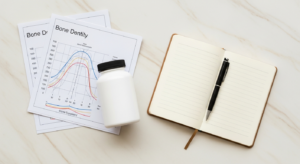
One of the most significant changes is sarcopenia, the age-related loss of muscle mass and strength. After age 30, we can lose 3-8% of our muscle mass per decade, and this rate often accelerates after 40. Less muscle means a slower metabolism, as muscle tissue burns more calories at rest than fat tissue. It also contributes to decreased strength, balance issues, and a higher risk of falls. Similarly, bone density naturally begins to decline, increasing the risk of osteoporosis, a condition where bones become brittle and fragile.
These aren’t scare tactics; they’re simply the realities of aging that we can actively mitigate. By engaging in regular strength training, you’re not just slowing down these processes; you’re actively working to reverse some of them, building a stronger, more resilient foundation for all the amazing years ahead. It’s about proactive self-care that pays dividends in every aspect of your life.
Beyond the Biceps: Holistic Health Benefits You Can Feel
While the aesthetic benefits of strength training (like improved muscle tone and a more sculpted physique) are certainly a nice bonus, the true magic lies in the profound, holistic health advantages it offers. These go far beyond what you see in the mirror, impacting your physical health, mental well-being, and overall quality of life.
Bone Health & Osteoporosis Prevention
This is perhaps one of the most critical benefits for women over 40. Strength training is a weight-bearing activity, meaning it puts stress on your bones. This stress signals your bone cells to build more bone tissue, increasing bone density and making your bones stronger and less susceptible to fractures. This process, known as Wolff’s Law, is incredibly effective. Regular resistance training can significantly slow, halt, and even reverse bone loss, offering powerful protection against osteoporosis. Imagine being able to carry your grandchildren, lift heavy groceries, or simply move through life with confidence, knowing your bones are strong and protected.
Metabolic Boost & Weight Management
As mentioned, muscle is metabolically active tissue. The more muscle you have, the more calories you burn at rest. This means that even when you’re not working out, your body is a more efficient calorie-burning machine. This “metabolic boost” is a game-changer for women over 40 who often experience a slowing metabolism and find weight management more challenging. Strength training also improves insulin sensitivity, helping your body process carbohydrates more effectively and reducing the risk of type 2 diabetes. It’s not just about burning calories during your workout; it’s about transforming your body’s engine to be more efficient 24/7.
Cardiovascular Health & Heart Protection
While often associated with cardio, strength training also offers significant benefits for your heart. Regular resistance exercise can help lower blood pressure, improve cholesterol levels (reducing “bad” LDL cholesterol and increasing “good” HDL cholesterol), and enhance overall blood circulation. It strengthens your heart muscle, making it more efficient at pumping blood throughout your body. Combined with aerobic exercise, strength training creates a powerful shield against heart disease, the leading cause of death for women.
Improved Joint Health & Reduced Pain
Many women over 40 begin to experience joint stiffness or pain. Strength training can be incredibly therapeutic in this regard. By strengthening the muscles surrounding your joints (like your knees, hips, and shoulders), you provide better support and stability, which can reduce pain and improve mobility. Stronger muscles absorb impact more effectively, taking pressure off the joints themselves. It can also help improve flexibility and range of motion, making everyday movements feel smoother and more comfortable.
Enhanced Balance, Stability & Fall Prevention
As we age, our balance can naturally decline, increasing the risk of falls, which can have serious consequences. Strength training, particularly exercises that engage core muscles and work multiple muscle groups simultaneously (compound movements), dramatically improves balance and stability. By building stronger legs, glutes, and core, you enhance your proprioception (your body’s awareness in space) and reaction time, making you more stable on your feet and less prone to stumbles. This benefit alone is priceless for maintaining independence and confidence as you age.
Mental & Emotional Uplift: Strength for Mind & Spirit
The benefits of strength training extend far beyond the physical. It’s a powerful tool for nurturing your mental and emotional well-being, helping you navigate life’s challenges with greater resilience and joy.
Stress Reduction & Mood Boost
Ever notice how good you feel after a tough workout? That’s your body releasing endorphins, natural mood elevators that can reduce stress, anxiety, and even symptoms of depression. Strength training provides a healthy outlet for pent-up energy and frustration, allowing you to clear your head and return to your day feeling refreshed and positive. It’s a powerful form of active meditation, where focusing on your form and effort helps quiet the mental chatter.
Improved Sleep Quality
Struggling with sleep can be a common complaint for women over 40, often exacerbated by hormonal shifts. Regular strength training can significantly improve sleep quality, helping you fall asleep faster, sleep more deeply, and wake up feeling more rested. The physical exertion helps regulate your body’s natural sleep-wake cycles, promoting a more restorative night’s rest.
Boosted Confidence & Body Image
There’s something incredibly empowering about feeling strong. As you lift heavier weights, master new movements, and see your body transform, your confidence soars. It shifts your focus from what your body looks like to what it can do. This newfound strength fosters a deeper appreciation for your body, enhancing self-esteem and cultivating a positive body image that radiates into every area of your life. You’ll carry yourself differently, stand taller, and approach challenges with a renewed sense of capability.
Getting Started: Your First Steps into Strength Training
Ready to embrace your stronger self? Starting a strength training routine doesn’t have to be intimidating. Here’s how to begin safely and effectively:
1. Consult Your Doctor: Before starting any new exercise program, especially if you have existing health conditions or haven’t been active in a while, it’s wise to get a medical clearance from your physician.
2. Start Small, Be Consistent: Don’t try to do too much too soon. Aim for 2-3 full-body strength training sessions per week on non-consecutive days (e.g., Monday, Wednesday, Friday). This allows your muscles time to recover and rebuild.
3. Focus on Form, Not Weight: Proper form is paramount to prevent injuries and ensure you’re effectively targeting the right muscles. Start with lighter weights or even just your body weight to master the movement patterns. Watch instructional videos, use mirrors, or consider a few sessions with a certified personal trainer.
4. Embrace Compound Movements: These exercises work multiple muscle groups at once, offering the most bang for your buck. Examples include squats, lunges, push-ups (even on your knees or against a wall), rows (using resistance bands or dumbbells), and overhead presses.
5. Warm-Up & Cool-Down: Always start with 5-10 minutes of light cardio (like marching in place, arm circles, leg swings) to prepare your muscles and joints. End with 5-10 minutes of static stretching to improve flexibility and aid recovery.
Tools & Equipment Recommendations:
You don’t need a fancy gym membership to get started!
* Bodyweight: Your own body is a powerful tool. Squats, lunges, push-ups, planks, glute bridges are fantastic.
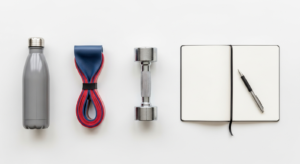
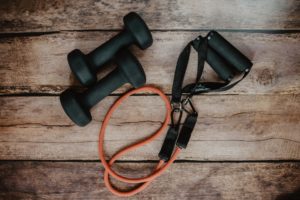
* Resistance Bands: Inexpensive, portable, and versatile. Great for adding resistance to bodyweight exercises or targeting smaller muscle groups. Look for a set with varying resistance levels.
* Dumbbells: A pair of adjustable dumbbells can be a smart investment, allowing you to increase weight as you get stronger without buying multiple sets. Start with a light to moderate weight (e.g., 5-10 lbs) and focus on controlled movements.
* Kettlebells: Offer a different type of resistance and are excellent for dynamic, full-body movements once you’ve mastered basic form.
* Workout Mat: For floor exercises and comfort.
* Comfortable Shoes: Supportive athletic shoes are essential.
Progression & Consistency: Making It a Lifestyle
Once you’ve established a consistent routine, the next step is to challenge yourself safely and progressively. This is where the magic of “progressive overload” comes in – gradually increasing the demands on your muscles over time.
How to Progress:
* Increase Weight: If you can comfortably complete all your reps with good form, it’s time to slightly increase the weight.
* Increase Reps/Sets: If increasing weight isn’t an option, try adding more repetitions per set or an additional set.
* Decrease Rest Time: Shortening the rest periods between sets can also increase intensity.
* Try More Challenging Variations: For bodyweight exercises, move from knee push-ups to full push-ups, or from standard squats to goblet squats with a dumbbell.
* Learn New Exercises: Introduce new exercises to target muscles in different ways and keep things interesting.
Staying Consistent:
* Schedule Your Workouts: Treat them like non-negotiable appointments.
* Find Your “Why”: Remind yourself of the incredible benefits you’re working towards.
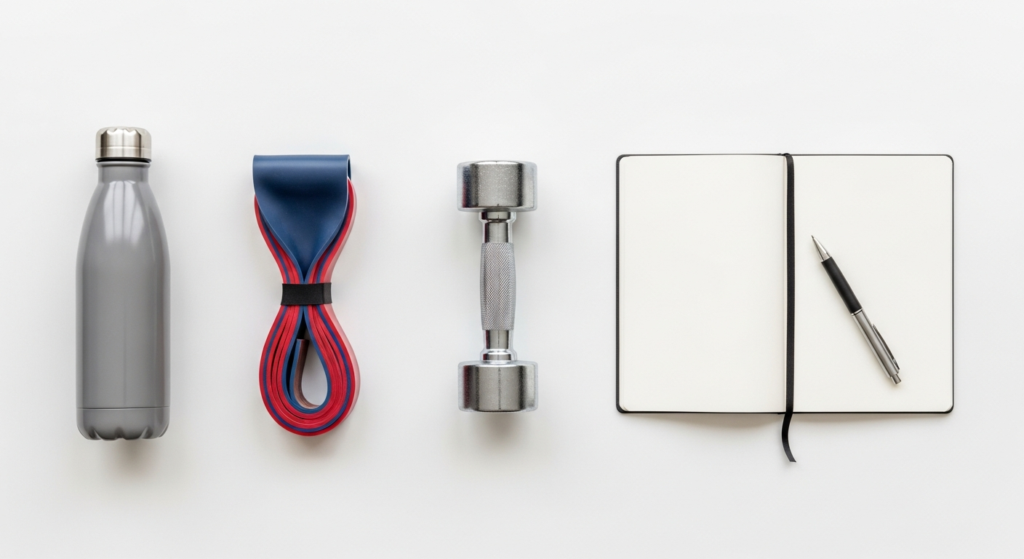
* Track Your Progress: Keep a simple workout journal or use an app to record weights, reps, and sets. Seeing your improvements is incredibly motivating.
* Listen to Your Body: Some days you’ll feel stronger than others. It’s okay to adjust your workout intensity. Rest days are just as important as training days for muscle repair and growth.
* Find a Workout Buddy or Community: Accountability can be a powerful motivator.
* Consider a Trainer: A certified personal trainer can provide personalized guidance, ensure proper form, and help you break through plateaus. Many now offer online coaching, making it more accessible.
Remember, consistency is far more important than intensity when you’re starting out. Small, regular efforts add up to profound changes over time.
Nutrition & Recovery: Fueling Your Stronger Self
Strength training is only one piece of the puzzle. To truly maximize your results and support your body, especially as you age, you need to pay attention to what you eat and how you recover.
Protein Powerhouse:
Protein is the building block of muscle. As we age, our bodies become less efficient at synthesizing muscle protein, so increasing your intake is crucial. Aim for approximately 0.7-1 gram of protein per pound of body weight per day, distributed throughout your meals.
* Excellent Protein Sources: Lean meats, poultry, fish, eggs, dairy (Greek yogurt, cottage cheese), legumes, tofu, tempeh, quinoa, and protein powder supplements (whey, casein, pea protein) if needed.
Hydration is Key:
Water is vital for every bodily function, including muscle function, nutrient transport, and joint lubrication. Dehydration can lead to fatigue, reduced performance, and muscle cramps. Aim to drink plenty of water throughout the day, especially before, during, and after your workouts.
Prioritize Sleep:
Sleep is when your body repairs and rebuilds. During deep sleep, your body releases growth hormone, which is essential for muscle repair and growth. Aim for 7-9 hours of quality sleep per night. Create a relaxing bedtime routine and optimize your sleep environment.
Active Recovery & Mobility:
Don’t just sit on your rest days! Engage in light activities like walking, gentle yoga, or stretching. Foam rolling can also be beneficial for releasing muscle tension and improving flexibility. These practices enhance blood flow and aid in muscle recovery.
Embrace Your Strength: A Journey, Not a Destination
Strength training for women over 40 isn’t just about lifting weights; it’s about lifting your life. It’s about empowering yourself to face the natural changes of aging with confidence, vitality, and a renewed sense of purpose. It’s about building a body that supports your dreams, whether that’s playing with your grandchildren, hiking a new trail, or simply enjoying the freedom of movement without pain.
This journey is deeply personal, and there will be days when you feel strong and days when you need to be gentle with yourself. Celebrate every small victory, listen to your body, and remember that every rep, every set, every consistent workout is an investment in your long-term health and happiness. You are strong, you are capable, and it’s never too late to discover the incredible power that lies within you. Let’s lift each other up, Veralyn women, and embrace a future where we are not just aging, but thriving!