
Why Responsibility Matters: The Foundation for Future Success
Teaching children responsibility is not merely about lightening a parent’s load; it’s about equipping them with essential life skills that will serve them far beyond the confines of their childhood home. When children learn to be responsible, they develop a stronger sense of self-efficacy, understanding that they are capable of contributing and making a difference. This intrinsic belief in their own abilities is a cornerstone of healthy self-esteem and resilience.
Imagine a child who consistently completes their tasks, manages their belongings, and understands the impact of their choices. This child is not only developing practical skills but also cultivating an internal locus of control, which is crucial for mental well-being. They learn that their actions have consequences, both positive and negative, and that they have the power to influence outcomes. This understanding is vital for problem-solving, decision-making, and navigating social interactions throughout their lives. Furthermore, responsible children often exhibit greater empathy and respect for others, as they learn to consider the needs of the family unit and the wider community.
From a developmental perspective, early lessons in responsibility lay the groundwork for future academic and professional success. Children who are accustomed to managing their tasks, organizing their materials, and following through on commitments are better prepared for the demands of school, extracurricular activities, and eventually, the workplace. They learn time management, organization, and the satisfaction that comes from completing a job well done. These are not just abstract concepts; they are tangible skills that empower children to thrive in an increasingly complex world. As they grow, these foundational habits of responsibility contribute to their overall health and well-being, influencing everything from their daily routines to their ability to manage stress and make healthy choices, echoing the importance of comprehensive Womens Health Tips Every Woman Should Know for adults.
Ultimately, teaching responsibility is an investment in your child’s future. It fosters independence, builds character, and instills a sense of purpose and belonging. It helps them understand their role within the family and society, preparing them to become considerate, capable, and contributing members of their communities.
Practical Strategies: Age-Appropriate Chores and Routines
The journey of teaching responsibility often begins with age-appropriate chores and the establishment of consistent routines. These provide concrete opportunities for children to contribute to the household and understand their role within the family unit. The key is to introduce tasks that are manageable, meaningful, and progressively challenging as your child grows.
Toddlers (1-3 years old): Starting Small
- Putting away toys: Even a 1-year-old can learn to put a toy in a basket. Make it a game!
- Helping with laundry: Hand them socks to put in a hamper or help sort colors (with supervision).
- “Helping” clean: Give them a small, damp cloth to wipe surfaces or a tiny broom to sweep.
- Tidying up their eating space: Encourage them to put their plate in the sink or wipe up spills.
At this age, the focus is on participation and building habits. Praise their effort, not just the outcome. Keep tasks short and sweet.
Preschoolers (3-5 years old): Expanding Their Role
- Making their bed (imperfectly!): Encourage them to pull up their blanket and arrange pillows.
- Helping set and clear the table: Carrying unbreakable items like napkins or plastic plates.
- Feeding pets: With supervision, they can scoop food into a bowl.
- Putting away groceries: Placing lightweight, non-breakable items in low cupboards.
- Dressing themselves: Allowing them to choose clothes (within reason) and dress independently.
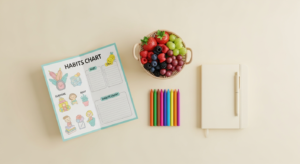
Preschoolers thrive on routine and clear expectations. A visual chore chart with pictures can be very effective. Remember, the goal is participation and learning, not perfection. This also ties into creating an environment where they can easily manage their belongings, much like considering Kid Friendly Home Decor Ideas that prioritize accessibility and organization.
School-Age Children (6-12 years old): Building Competence
- Full bed-making: They can learn to make their bed neatly.
- Packing their lunch: Choosing healthy items and assembling their own lunchbox.
- Taking out the trash/recycling: Understanding the cycle of waste management.
- Helping with meal prep: Washing vegetables, stirring, simple baking tasks.
- Cleaning their room: Organizing toys, making their bed, putting away clothes.
- Basic yard work: Raking leaves, watering plants, pulling weeds.
- Managing personal hygiene: Brushing teeth, showering, choosing clean clothes independently.
At this stage, children can understand more complex instructions and take on tasks that require a sequence of steps. Teach them how to do tasks properly, then allow them to practice independently. Regular check-ins and constructive feedback are important.
Teenagers (13+ years old): Cultivating Independence and Contribution
- Meal planning and cooking: Taking responsibility for preparing one or more family meals per week.
- Laundry: Washing, drying, folding, and putting away their own clothes (and potentially family laundry).
- Household maintenance: Vacuuming, cleaning bathrooms, dusting common areas.
- Managing personal finances: Budgeting allowance, saving for goals, understanding expenses.
- Caring for siblings: Babysitting younger siblings (with appropriate training and supervision).
- Vehicle maintenance: Keeping their mode of transport clean, monitoring fuel, basic checks.
Teenagers are capable of significant contributions. Empower them by giving them choices in which responsibilities they take on, and allow them to manage their own schedules for completing tasks. This fosters a sense of ownership and prepares them for the responsibilities of adulthood, including managing their own health and well-being, which is a key aspect of Fertility Health Tips Women Trying Conceive and general adult health management.
Consistency is paramount across all ages. Make chores a non-negotiable part of family life. Use chore charts, reward systems (not necessarily monetary), and open communication to keep everyone on track. Remember, the goal is to raise competent adults, and a consistent routine around responsibilities is a powerful tool in achieving that.
Fostering Independence: Decision-Making and Problem-Solving Skills
Providing Choices and Letting Them Choose
Start with small, low-stakes choices. For a toddler, it might be choosing between two shirts or two healthy snacks. For a school-aged child, it could be deciding which chore to do first or how to spend their allowance. For a teenager, it might involve choosing their extracurricular activities or how to manage their study schedule.
- Offer limited options: “Would you like to wear the blue shirt or the red shirt today?” This gives them agency without overwhelming them.
- Respect their decisions: Unless a choice is unsafe or goes against core family values, allow them to experience the outcome of their decision.
- Discuss consequences: After a choice is made, talk about the positive or negative results. “You chose to wear light pants to play outside, and now they’re muddy. What could you do differently next time?”
Encouraging Problem-Solving
When children encounter a challenge, resist the urge to immediately swoop in and fix it. Instead, guide them through the problem-solving process. This teaches them resilience and resourcefulness.
- Ask guiding questions: Instead of “What’s wrong?” try “What do you think happened here?” or “What are some ways you could solve this?”
- Brainstorm solutions together: For younger children, offer a few options. For older children, encourage them to come up with multiple solutions.
- Allow them to try: Let them implement their chosen solution, even if it’s not the most efficient or perfect. The learning is in the attempt.
- Reflect on the outcome: Once the problem is addressed, discuss what worked, what didn’t, and what they learned for next time.
For example, if a child forgets their homework, instead of bringing it to them, discuss what steps they could take to prevent it next time. If a teen struggles with time management for their assignments, help them break down the task and create a schedule, but let them own the execution. This process mirrors the self-management required for adults to maintain their health and well-being, including adhering to Womens Health Tips Every Woman Should Know or specific routines for Fertility Health Tips Women Trying Conceive.
Embracing Mistakes as Learning Opportunities
Mistakes are inevitable and are powerful teachers. When a child makes a mistake, avoid shaming or excessive criticism. Instead, frame it as a chance to learn and grow.
- Focus on the lesson, not the blame: “It looks like your plant died because you forgot to water it. What did we learn about plant care?”
- Help them make amends: If their mistake impacted someone else, guide them in apologizing or making things right.
- Model resilience: Share your own mistakes and how you learned from them. This normalizes the process of learning through error.
By providing opportunities for decision-making, encouraging problem-solving, and reframing mistakes as valuable learning experiences, you are not just teaching responsibility; you are nurturing independent thinkers who are capable of navigating life’s challenges with confidence and competence.
The Power of Positive Reinforcement and Natural Consequences
When teaching children responsibility, the methods of reinforcement we choose can significantly impact their motivation and long-term understanding. Positive reinforcement and natural consequences are two of the most effective tools in a parent’s toolkit, fostering intrinsic motivation rather than relying on external rewards or punishments.
Positive Reinforcement: Nurturing Effort and Achievement
Positive reinforcement involves acknowledging and praising a child’s efforts and successes, thereby increasing the likelihood that they will repeat the desired behavior. It’s more than just saying “good job”; it’s about specific, genuine, and timely feedback.
- Specific Praise: Instead of a generic “Good job,” say, “I noticed how carefully you folded your clothes and put them in your drawer. That really helps keep your room tidy!” or “Thank you for remembering to take out the trash without being asked. That was a big help.” This tells them exactly what they did well.
- Focus on Effort: Praise the effort and persistence, not just the outcome. “You worked really hard to organize your desk, even though it took a while. I appreciate your dedication.“
- Non-Material Rewards: While stickers or small treats can be used occasionally for younger children, focus more on privileges, quality time, or words of affirmation. “Since you finished your chores so well, we have time to read an extra book tonight.” or “I feel so proud when I see you take initiative.“
- Avoid Bribes: There’s a fine line between a reward and a bribe. A reward is given after the behavior; a bribe is offered beforehand to coerce the behavior. Bribes teach children to expect payment for basic responsibilities.
- Catch Them Being Good: Actively look for opportunities to praise responsible behavior, even small ones. This reinforces the positive actions and builds their confidence.
Positive reinforcement helps children associate positive feelings with being responsible, making them more likely to internalize these behaviors as valuable and rewarding in themselves.
Natural Consequences: Learning from Life’s Lessons
Natural consequences are the direct, logical outcomes of a child’s actions (or inactions) without parental intervention. They are incredibly powerful teachers because they are immediate, relevant, and provide undeniable feedback. The key is to allow these consequences to happen safely and to resist the urge to rescue your child.
- Allowing for the Outcome: If a child repeatedly leaves their toys outside, and they get ruined by rain, the natural consequence is that the toys are gone. The parent doesn’t need to lecture; the damaged toy is the lesson.
- Experiencing Discomfort: If a child refuses to wear a coat on a chilly day, the natural consequence is feeling cold.
- Missing Out: If a teenager doesn’t complete their homework, the natural consequence might be a lower grade or missing out on a preferred activity until the work is done.
- Linking Cause and Effect: After the natural consequence occurs, gently discuss it with your child. “It seems your bike tire went flat because you left it out in the sharp gravel. What can we do to prevent that next time?“
- Safety First: Natural consequences should never be used if they pose a risk to the child’s safety or well-being. In such cases, logical consequences (parent-imposed, but related to the behavior) or direct intervention are necessary.
For instance, if a child consistently leaves their dirty clothes on the floor, a natural consequence might be that those clothes don’t get washed with the rest of the laundry, meaning they might not have their favorite outfit for school. This teaches them the importance of personal organization, a habit that extends to managing their own health and wellness, which is vital for Womens Health Tips Every Woman Should Know and even more specific considerations like Fertility Health Tips Women Trying Conceive. By allowing children to experience these outcomes, they learn valuable lessons about accountability and self-management far more effectively than through lectures or arbitrary punishments.
Balancing positive reinforcement with the thoughtful application of natural consequences creates a powerful learning environment where children feel valued for their efforts and learn directly from the world around them, building a strong foundation for responsible behavior.
Leading by Example: Modeling Responsible Behavior
Children are keen observers, and perhaps the most impactful way to teach responsibility is to consistently model it yourself. Your actions speak louder than any words, chores, or lectures. When children see their parents exhibiting responsible behaviors, they internalize these values and are more likely to emulate them.
Demonstrating Personal Responsibility
Consider how you manage your own life. Are you organized? Do you follow through on your commitments? Do you take care of your belongings and your environment?
- Time Management: Show your children how you plan your day, manage appointments, and meet deadlines. Talk about your calendar or to-do list. “I need to finish this report before dinner, so I’m going to focus now.“
- Organization: Keep your own spaces tidy and organized. If your home reflects a sense of order, children are more likely to respect and maintain their own spaces. This aligns perfectly with the principles behind Kid Friendly Home Decor Ideas, which often emphasize functional, organized spaces that are easy for everyone to maintain.
- Following Through: If you say you’re going to do something, do it. If you make a promise, keep it. This teaches integrity and reliability.
- Self-Care: Model responsible health habits. This includes eating nutritious meals, exercising regularly, getting enough sleep, and managing stress. These are all crucial Womens Health Tips Every Woman Should Know and demonstrate to your children the importance of taking care of oneself.
- Financial Responsibility: Discuss budgeting, saving, and making wise spending choices in an age-appropriate way. “We’re saving up for our vacation, so we need to be mindful of our spending this month.“
Taking Accountability for Your Actions
No one is perfect, and parents will inevitably make mistakes. How you handle your errors is a powerful lesson in responsibility.
- Admit Mistakes: When you mess up, apologize sincerely. “I’m sorry I yelled earlier. I was feeling stressed, and it wasn’t fair to you. I’ll try to handle my emotions better next time.“
- Make Amends: If your mistake impacts someone else, show your children how to make things right. This could be fixing something you broke, offering help, or simply a heartfelt apology.
- Learn from Errors: Talk about what you learned from your mistakes and what you will do differently next time. This teaches resilience and growth mindset.
Contributing to the Household and Community
Show your children that contributing to the family and wider community is a shared responsibility and a valuable part of life.
- Participate in Chores: Don’t just assign chores; actively participate in household tasks. Children are more likely to help if they see everyone pitching in.
- Volunteerism: If you volunteer, talk about why it’s important to help others and contribute to your community. Consider doing family volunteer activities.
- Environmental Responsibility: Model recycling, conserving energy, and respecting nature.
For example, if you are actively engaged in maintaining your own health, perhaps following Fertility Health Tips Women Trying Conceive, you are demonstrating a high level of personal responsibility, commitment, and planning. Your children observe this dedication to a goal and the healthy habits you adopt, even if they don’t fully understand the specific reasons. This modeling of self-discipline, goal-setting, and consistent effort is invaluable.
By consciously and consistently modeling responsible behavior in your daily life, you provide your children with a living example of what it means to be a conscientious, capable, and contributing member of a family and society. This sets a powerful precedent that will guide them throughout their lives, extending far beyond the immediate tasks at hand.
Overcoming Challenges: Patience, Consistency, and Adaptability
Teaching responsibility is rarely a smooth, linear process. You will encounter resistance, forgetfulness, power struggles, and moments of frustration. Successfully navigating these challenges requires a significant amount of patience, unwavering consistency, and the flexibility to adapt your approach when needed.
Patience: The Long Game
Children learn at different paces, and mastering responsibility is a developmental journey. What works for one child might not work for another, and what works today might not work tomorrow. Patience is key.
- Expect Imperfection: Your child will forget chores, do them poorly, or resist. This is normal. View these moments as opportunities for teaching and redirection, not failure.
- Avoid Over-Correction: Resist the urge to constantly hover or re-do their work. Allow for natural consequences (within safe limits) and let them experience the learning.
- Celebrate Small Wins: Acknowledge and praise every effort, no matter how small or imperfect. This builds their confidence and encourages continued effort.
- Take Breaks: If you or your child are getting frustrated, step away for a moment. Revisit the task or conversation when emotions have cooled.
Consistency: The Cornerstone of Habit Formation
Children thrive on predictability and clear expectations. Inconsistency sends mixed signals and makes it harder for them to internalize responsible behaviors.
- Establish Clear Expectations: Ensure your child knows exactly what is expected of them, when, and how. Use visual aids like chore charts for younger children.
- Follow Through: If there’s a consequence for not completing a task, ensure it happens. If there’s a reward for responsible behavior, ensure it’s given. Inconsistency undermines your authority and the learning process.
- Routine, Routine, Routine: Integrate responsibilities into daily and weekly routines. When chores become a regular part of life, they are less likely to be forgotten or resisted. For example, “After breakfast, we make our beds,” or “Saturday mornings are for family chores.”
- Unified Front: If there are two parents or guardians, ensure you are both on the same page regarding expectations and consequences. A united approach prevents children from playing one parent against the other.
Adaptability: Evolving with Your Child
Children grow and change, and your approach to teaching responsibility must evolve with them. What worked for a 5-year-old won’t necessarily work for a 10-year-old or a teenager.
- Age-Appropriate Tasks: Continuously review and adjust chores to match your child’s developmental stage and increasing capabilities. As mentioned earlier, toddlers have different capacities than teens.
- Listen to Feedback: If your child is constantly resisting a particular chore, try to understand why. Is it too difficult? Too boring? Can you offer a choice of chores?
- Flexibility with Methods: If a chore chart isn’t working, try a different system. If positive reinforcement isn’t motivating, explore natural consequences (safely). Be open to trying new strategies.
- Involve Them in the Process: As children get older, involve them in discussions about household responsibilities. Let them help decide what chores they can take on and how they will manage them. This fosters a sense of ownership and personal responsibility, which is crucial for their overall well-being and health management, much like taking charge of one’s own Womens Health Tips Every Woman Should Know or detailed plans for Fertility Health Tips Women Trying Conceive.
- Adjust for Life Changes: New siblings, school changes, or moving to a new home (where you might implement new Kid Friendly Home Decor Ideas that require different types of tidying) can all impact a child’s capacity for responsibility. Be understanding and adjust expectations temporarily if needed, while still maintaining the core message.
By embracing patience, maintaining consistency, and remaining adaptable, you can effectively guide your children through the ups and downs of learning responsibility, building a foundation that will serve them well throughout their lives.
Connecting Responsibility to Overall Well-being
The lessons of responsibility taught within the home extend far beyond simply keeping a tidy room or completing a chore. They are deeply intertwined with a child’s overall well-being, influencing their mental health, physical habits, and their ability to thrive as adults. At Veralyn Media, we understand that a holistic approach to health and wellness begins in childhood, and responsibility is a key component.
Responsibility and Mental Health
When children consistently take on and complete responsibilities, they develop a strong sense of competence and self-worth. This feeling of being capable and contributing significantly boosts their self-esteem and reduces feelings of helplessness. Knowing they can handle tasks independently fosters resilience, a crucial trait for navigating life’s inevitable challenges and an important aspect of maintaining good mental health throughout life, mirroring the emphasis on mental well-being in Womens Health Tips Every Woman Should Know.
- Reduced Anxiety: A sense of control over their environment and tasks can reduce anxiety. When children know what is expected and feel capable of meeting those expectations, they experience less stress.
- Problem-Solving Skills: Learning to solve problems related to their responsibilities (e.g., “How do I get this stain out?” or “What should I do if I forgot my homework?”) equips them with coping mechanisms that extend to broader life challenges.
- Empathy and Connection: Understanding their role in the family and how their actions affect others builds empathy and strengthens family bonds, contributing to a supportive environment for mental wellness.
Responsibility and Physical Health Habits
The discipline and foresight learned through responsibility naturally translate into better physical health habits. Children who are responsible are more likely to take ownership of their bodies and health choices.
- Personal Hygiene: Routines around brushing teeth, showering, and choosing clean clothes are direct lessons in self-care and responsibility for one’s physical presentation and health.
- Healthy Eating: Being involved in meal preparation, packing lunches, or understanding food choices teaches them about nutrition and making responsible decisions for their bodies. This mirrors the conscious food choices often discussed in Fertility Health Tips Women Trying Conceive, where diet plays a critical role.
- Active Lifestyles: Responsibility for personal belongings and schedules can free up time for physical activity. Understanding the need to care for their bodies can motivate them to engage in sports or outdoor play.
Responsibility and an Organized Environment
A child’s ability to take responsibility for their space directly impacts the harmony and functionality of the home. An organized environment, often influenced by thoughtful Kid Friendly Home Decor Ideas that promote order and accessibility, makes it easier for children to maintain their belongings and contribute to the household.
- Reduced Clutter, Reduced Stress: A tidy room and home environment can reduce visual clutter and the mental stress associated with disorganization, creating a more peaceful space for everyone.
- Easier Routines: When everything has a place, it’s easier for children to put things away, which reinforces responsible habits and makes daily routines smoother.
- Respect for Belongings: Taking responsibility for their toys, clothes, and school supplies teaches children to value their possessions and understand the effort involved in acquiring and maintaining them.
By integrating lessons of responsibility into daily life, parents are not just teaching children to be helpful; they are fostering a holistic foundation for their children’s future well-being. These early lessons in accountability, self-care, and contribution empower them to make responsible choices in all aspects of their lives, from managing their schedules and finances to prioritizing their physical and mental health. This comprehensive approach ensures that as they grow towards 2026 and beyond, they are well-equipped to lead balanced, healthy, and fulfilling lives.
Frequently Asked Questions
Recommended Resources
Related reading: Morning Routine Ideas For Women (Rock Salt Plum).
Explore Celebrity Travel Packing Essentials for additional insights.