
Understanding Perimenopause: The Hormonal Rollercoaster
Perimenopause, literally meaning “around menopause,” is the natural biological transition women experience as their bodies prepare for the end of their reproductive years. It’s not a sudden event but a gradual process that can begin as early as your late 30s or as late as your mid-50s, typically lasting anywhere from a few years to a decade. The average duration is about four years, but for some, it can be much longer. This phase culminates in menopause, which is officially diagnosed after 12 consecutive months without a menstrual period.
At the heart of perimenopause are fluctuating hormone levels, primarily estrogen and progesterone. Your ovaries, which have been producing these hormones since puberty, begin to slow down and become less predictable. Estrogen levels, in particular, can swing wildly – sometimes dropping very low, and at other times surging higher than usual. This erratic hormonal dance is responsible for the myriad symptoms women experience during this time. Think of it as a hormonal rollercoaster, where the dips and peaks directly influence your physical and emotional landscape. Understanding this fundamental shift is the first step toward demystifying the perimenopausal experience and taking proactive steps for symptom management. It’s a natural evolution, much like other significant life stages that demand attention to one’s body, for example, the comprehensive care detailed in our Postpartum Recovery Guide New Moms, which also highlights the body’s incredible adaptive capacity.
The Role of Estrogen and Progesterone
- Estrogen: This hormone plays a vital role in regulating your menstrual cycle, maintaining bone density, and influencing mood, skin health, and even cholesterol levels. During perimenopause, declining and fluctuating estrogen levels can lead to symptoms like hot flashes, vaginal dryness, and changes in bone density.
- Progesterone: Often called the “calming” hormone, progesterone helps regulate the menstrual cycle and supports sleep and mood. As progesterone levels also decline and become irregular, women may experience heavier or more irregular periods, sleep disturbances, and increased anxiety.
These hormonal shifts are a normal part of aging, but their impact can vary significantly from one woman to another. Genetics, lifestyle factors, overall health, and even stress levels can influence the severity and duration of perimenopause symptoms. Recognizing that these changes are physiological, rather than a sign of something “wrong,” is empowering and sets the stage for effective management strategies.
Common Perimenopause Symptoms: What to Expect
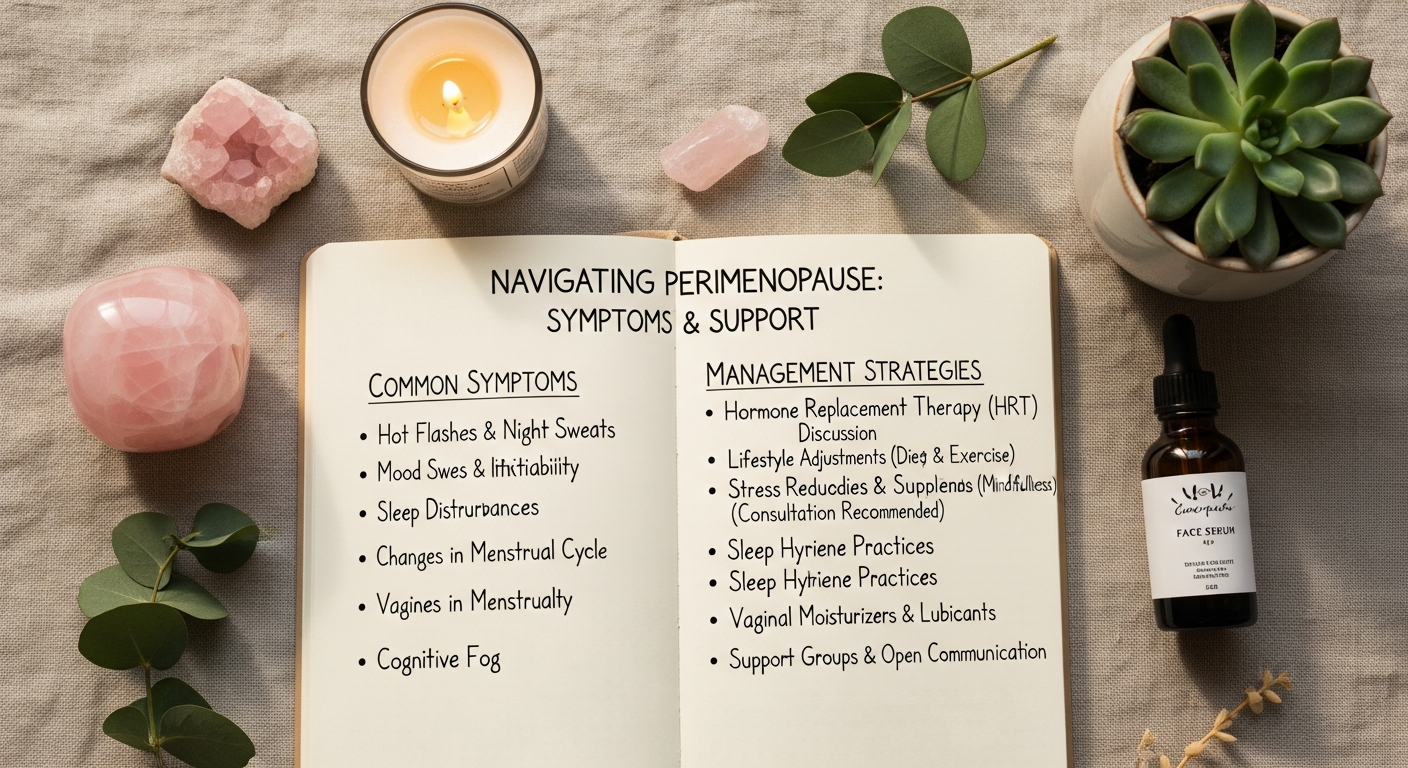
The symptom profile of perimenopause is incredibly diverse, making it challenging to identify and often leading to misdiagnosis. While some women sail through with minimal disruption, others experience a constellation of symptoms that can profoundly impact their daily lives. It’s essential to remember that you are not alone, and these symptoms are valid manifestations of your body’s transition. Here, we delve into the most common perimenopause symptoms:
Menstrual Irregularities
This is often the first and most noticeable sign of perimenopause. Your periods may become:
- Irregular: Shorter or longer cycles, periods closer together or further apart.
- Changes in flow: Lighter or, more commonly, heavier bleeding.
- Spotting: Bleeding between periods.
- Skipped periods: You might miss a period entirely, only for it to return later.
While irregular periods are a hallmark of perimenopause, it’s crucial to consult your doctor to rule out other conditions that can cause similar symptoms, especially if bleeding is excessively heavy or prolonged.
Hot Flashes and Night Sweats
Perhaps the most iconic perimenopause symptom, hot flashes are sudden, intense feelings of heat that spread across your body, often accompanied by sweating, flushed skin, and a rapid heartbeat. Night sweats are simply hot flashes that occur during sleep, frequently disrupting rest and leading to fatigue. These are primarily due to fluctuating estrogen affecting the brain’s thermoregulatory center.
Sleep Disturbances
Insomnia, difficulty falling asleep, staying asleep, or waking up too early are incredibly common. This can be exacerbated by night sweats, anxiety, and the direct impact of hormonal fluctuations on sleep-regulating neurotransmitters. Chronic sleep deprivation can worsen other symptoms like mood swings and fatigue.
Mood Swings, Irritability, and Anxiety
The unpredictable hormonal shifts can significantly impact brain chemistry, leading to increased irritability, anxiety, feelings of sadness, and pronounced mood swings. Many women report feeling “not themselves” or experiencing emotional reactions that are out of proportion to the situation. A history of premenstrual syndrome (PMS) or postpartum depression may predispose some women to more severe mood disturbances during perimenopause.
Genitourinary Syndrome of Menopause (GSM): Urinary + Vaginal + Sexual Symptoms
Decreased estrogen levels can lead to thinning, drying, and inflammation of the vaginal walls (vaginal atrophy). This can cause discomfort, itching, pain during intercourse, and increased susceptibility to vaginal and urinary tract infections. This is a common and often under-discussed symptom that significantly impacts quality of life. GSM encompasses:
- Vaginal Dryness: Leading to discomfort and irritation.
- Dispareunia: Painful intercourse due to dryness and inflammation.
- Urinary Symptoms: Increased urgency, frequency, and recurrent urinary tract infections (UTIs).
Management includes regular use of vaginal moisturizers and lubricants, and in some cases, low-dose vaginal estrogen therapy.
Changes in Libido
Sexual desire can fluctuate during perimenopause. While some women experience a decrease in libido due to hormonal changes, vaginal dryness, or fatigue, others might find their sex drive remains stable or even increases.
Weight Gain and Metabolism Changes
Many women notice weight gain, particularly around the abdomen, during perimenopause, even without significant changes in diet or exercise. Hormonal shifts, particularly declining estrogen, can influence fat distribution and metabolism. Muscle mass tends to decrease with age, further slowing metabolic rate.
Fatigue and Low Energy
Persistent tiredness, even after adequate sleep, is a common complaint. This can be a direct result of hormonal fluctuations, sleep disturbances, increased stress, and the body’s general energy expenditure in adapting to these changes.
Brain Fog and Memory Lapses
Difficulty concentrating, forgetfulness, and a general feeling of “brain fog” are frequently reported. While often concerning, these cognitive changes are typically temporary and improve after menopause. They are thought to be linked to estrogen’s role in brain function.
Joint and Muscle Pain
Generalized aches and pains in joints and muscles can increase during perimenopause. Estrogen plays a role in joint health and inflammation, so its decline can exacerbate existing conditions or cause new discomfort.
Hair Thinning and Skin Changes
Decreased estrogen can lead to dryer skin, increased wrinkles, and a loss of elasticity. Hair may become thinner, more brittle, or change in texture.
It’s important to keep a symptom diary to track your experiences and discuss them thoroughly with your healthcare provider. This detailed information will be invaluable in determining the best management strategies for your unique situation in 2026 and beyond.
Lifestyle Strategies for Managing Perimenopause Symptoms
Nutrition for Hormonal Balance
What you eat can profoundly impact your hormonal health and symptom severity. Focus on a balanced, nutrient-dense diet:
- Whole Foods: Prioritize fruits, vegetables, whole grains, lean proteins, and healthy fats. These provide essential vitamins, minerals, and fiber to support overall health and digestion.
- Phytoestrogens: Foods like flaxseeds, soy, lentils, and chickpeas contain plant compounds that can mimic weak estrogen in the body, potentially helping to balance fluctuating levels.
- Calcium and Vitamin D: Crucial for bone health, especially as estrogen declines. Include dairy products, fortified plant milks, leafy greens, and fatty fish.
- Omega-3 Fatty Acids: Found in fatty fish (salmon, mackerel), flaxseeds, and walnuts, these have anti-inflammatory properties and can support mood and brain health.
- Limit Triggers: For some, caffeine, alcohol, spicy foods, and high-sugar items can trigger hot flashes and worsen sleep disturbances. Identify your personal triggers and reduce their intake.
- Hydration: Drink plenty of water throughout the day to support overall bodily functions, skin health, and help manage bloating.
Regular Physical Activity
Exercise is a powerful tool for managing a wide range of perimenopause symptoms:
- Cardiovascular Exercise: Activities like brisk walking, jogging, swimming, or cycling can improve mood, reduce stress, help manage weight, and improve sleep quality. Aim for at least 150 minutes of moderate-intensity cardio per week.
- Strength Training: Lifting weights or using resistance bands helps build and maintain muscle mass, which is vital for boosting metabolism, managing weight, and strengthening bones to combat age-related bone loss.
- Flexibility and Balance: Yoga, Pilates, and stretching improve flexibility, reduce joint stiffness, and enhance balance, which becomes increasingly important with age.
- Outdoor Activity: Exposure to natural light can help regulate your circadian rhythm, improving sleep, and providing vitamin D.
Prioritizing Sleep Hygiene
Given the prevalence of sleep disturbances, establishing a consistent sleep routine is paramount:
- Consistent Schedule: Go to bed and wake up at the same time each day, even on weekends.
- Cool, Dark, Quiet Room: Optimize your bedroom environment for sleep. Keep the temperature cool to help with night sweats.
- Limit Stimulants: Avoid caffeine and alcohol, especially in the afternoon and evening.
- Wind-Down Routine: Practice relaxing activities before bed, such as reading, a warm bath, or gentle stretching.
- Avoid Screens: The blue light from phones, tablets, and computers can interfere with melatonin production.
Stress Management Techniques
Stress can exacerbate nearly every perimenopause symptom. Incorporating stress-reducing practices into your daily life is crucial:
- Mindfulness and Meditation: Even a few minutes a day can reduce anxiety, improve mood, and enhance your ability to cope with stressors.
- Deep Breathing Exercises: Simple breathwork can calm the nervous system and reduce the intensity of hot flashes and anxiety.
- Yoga and Tai Chi: These practices combine physical movement with mindfulness, offering a holistic approach to stress reduction.
- Hobbies and Creative Outlets: Engage in activities you enjoy, whether it’s gardening, painting, writing, or spending time with loved ones. Creating a calming and supportive home environment, perhaps inspired by Kid Friendly Home Decor Ideas for a different life stage, still emphasizes the importance of a nurturing space for all.
- Social Connection: Maintain strong relationships with friends and family. Sharing your experiences can provide emotional support and reduce feelings of isolation.
Managing Hot Flashes
- Layered Clothing: Dress in layers so you can easily remove clothing when a hot flash occurs.
- Cooling Products: Keep a fan nearby, use cooling pillows or gel packs at night.
- Identify Triggers: Pay attention to what might bring on your hot flashes – it could be certain foods, alcohol, stress, or a warm environment.
- Paced Breathing: Slow, deep abdominal breathing can help reduce the intensity of hot flashes.
By consciously integrating these lifestyle adjustments, you can significantly empower yourself to navigate the perimenopausal transition with greater comfort and resilience. These aren’t just temporary fixes but foundational practices for lifelong health.
Medical and Complementary Approaches to Symptom Management
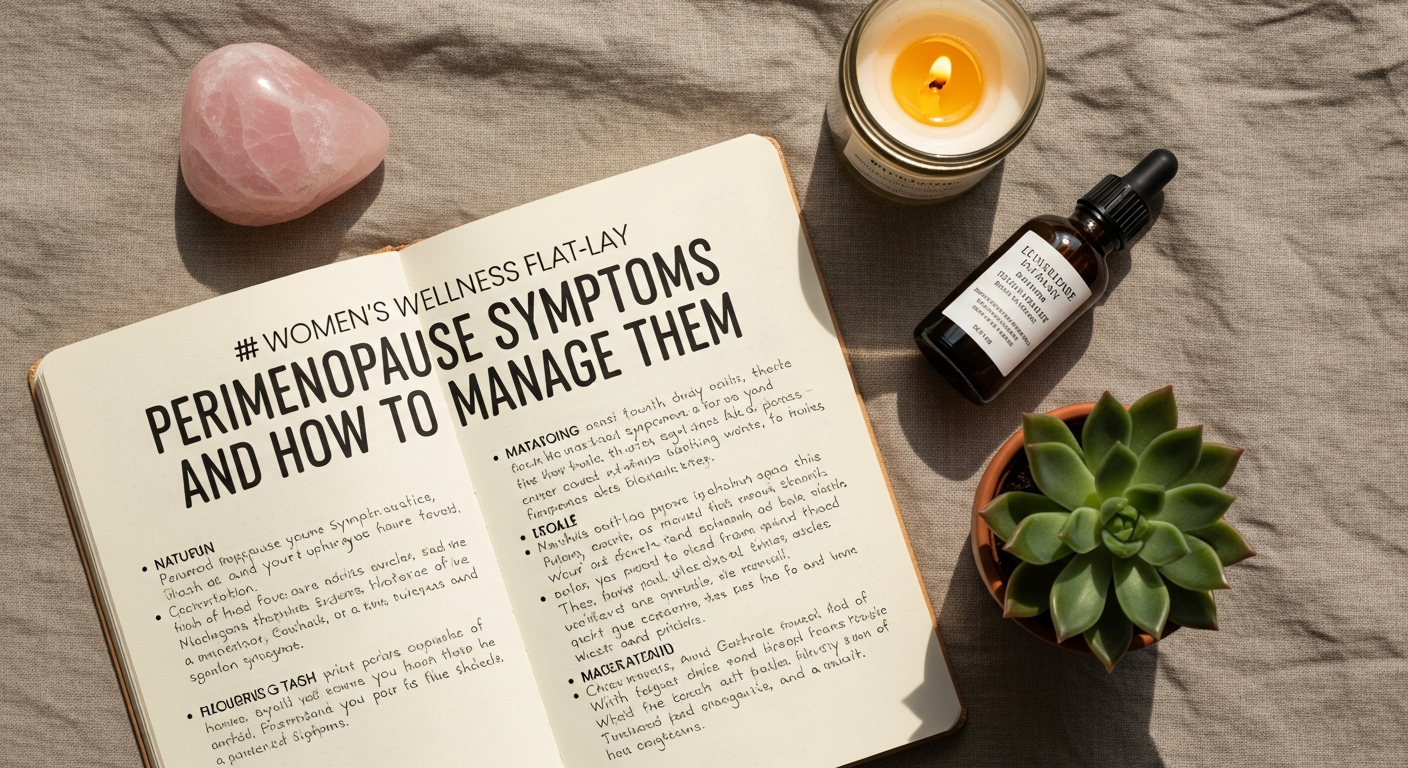
While lifestyle changes form a powerful foundation, some women may require additional support to manage the more severe or persistent perimenopause symptoms. Fortunately, a range of medical and complementary therapies are available. It’s vital to discuss all options with your healthcare provider to determine the safest and most effective approach for your individual needs and health history.
Hormone Replacement Therapy (HRT) / Menopausal Hormone Therapy (MHT)
HRT, or MHT, is often considered the most effective treatment for managing many perimenopause symptoms, particularly hot flashes, night sweats, and vaginal dryness. It works by replacing the hormones (estrogen, and often progesterone) that your ovaries are no longer producing consistently.
- Estrogen-Only Therapy: Typically prescribed for women who have had a hysterectomy (no uterus).
- Combination Therapy: For women with a uterus, estrogen is combined with progesterone to protect the uterine lining from potential overgrowth (which can lead to uterine cancer) caused by unopposed estrogen.
- Delivery Methods: HRT can be administered in various forms, including pills, patches, gels, sprays, and vaginal rings/creams for localized symptoms.
- Benefits: Significant relief from hot flashes and night sweats, improved sleep, reduced vaginal dryness, and protection against bone loss (osteoporosis). Some studies suggest benefits for mood and cognitive function.
- Risks and Considerations: HRT is not suitable for everyone. Potential risks, though generally low for healthy women starting HRT within 10 years of menopause or before age 60, can include a slightly increased risk of blood clots, stroke, heart disease (in certain populations), and breast cancer. The decision to use HRT should be made in careful consultation with your doctor, weighing individual benefits and risks.
Non-Hormonal Prescription Medications
For women who cannot or choose not to use HRT, several non-hormonal prescription options can help manage specific symptoms:
- Antidepressants (SSRIs/SNRIs): Certain low-dose antidepressants, even in women without depression, can be highly effective in reducing hot flashes and night sweats. They can also help with mood swings and anxiety.
- Gabapentin: Primarily an anti-seizure medication, gabapentin has also been shown to reduce hot flashes and improve sleep.
- Clonidine: A blood pressure medication that can help with hot flashes, though side effects like dry mouth or dizziness can occur.
- Vaginal Estrogen: For localized vaginal dryness, low-dose vaginal estrogen (creams, tablets, rings) is often very effective and carries minimal systemic absorption, making it a safer option for many women who cannot use systemic HRT.
- Fezolinetant (Veozah): A non-hormonal option specifically for moderate to severe hot flashes and night sweats. It acts as an NK3 antagonist and requires liver monitoring due to FDA safety updates in 2024.
Complementary and Alternative Therapies (CAM)
Many women explore CAM therapies, often alongside conventional treatments. Always discuss these with your doctor to ensure safety and avoid potential interactions.
- Herbal Remedies:
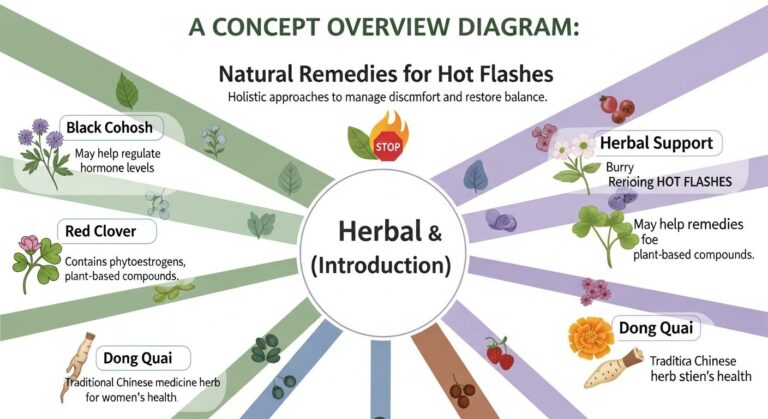
- Black Cohosh: Widely used for hot flashes and night sweats, though research on its effectiveness is mixed.
- Red Clover: Contains phytoestrogens and is sometimes used for hot flashes.
- St. John’s Wort: May help with mild depression and mood swings, but can interact with many medications.
- Valerian Root: Often used to aid sleep.
Caution: The quality and potency of herbal supplements can vary greatly. Always choose reputable brands and be aware of potential side effects or interactions.
- Acupuncture: Some studies suggest acupuncture may help reduce the frequency and severity of hot flashes, improve sleep, and reduce anxiety.
- Mind-Body Practices: Techniques like yoga, tai chi, and meditation, as discussed in lifestyle strategies, are also considered CAM therapies that can significantly improve overall well-being and symptom management.
- Dietary Supplements:
- Magnesium: Can help with sleep, muscle cramps, and anxiety.
- B Vitamins: Important for energy metabolism and nerve function.
- Evening Primrose Oil: Sometimes used for breast tenderness and hot flashes, though evidence is limited.
The best approach to managing perimenopause symptoms is highly individualized. It often involves a combination of lifestyle changes, and for some, medical interventions. Open and honest communication with a healthcare provider who specializes in women’s health is paramount to creating a personalized treatment plan that addresses your specific symptoms and concerns for a healthier 2026 and beyond.
Navigating Emotional and Mental Well-being During Perimenopause
The emotional and mental toll of perimenopause can be as challenging, if not more so, than the physical symptoms. Fluctuating hormones directly impact neurotransmitters in the brain, leading to increased vulnerability to mood swings, anxiety, depression, and irritability. Recognizing these changes as a part of the perimenopausal process is the first step toward effectively managing them.
Understanding the Emotional Landscape
- Heightened Sensitivity: You might find yourself reacting more intensely to situations that previously wouldn’t have bothered you.
- Anxiety and Panic Attacks: Many women experience new or increased anxiety, sometimes manifesting as panic attacks. This can be related to hormonal shifts as well as the stress of managing other symptoms.
- Depression: For some, perimenopause can trigger or worsen depressive symptoms, including persistent sadness, loss of interest in activities, changes in appetite, and feelings of worthlessness. Women with a history of depression or postpartum depression may be at higher risk.
- Irritability and Short Temper: Feeling easily annoyed or having a shorter fuse with family, friends, or colleagues is a common complaint.
- Brain Fog and Memory Concerns: While primarily cognitive, the frustration and worry associated with forgetting things or difficulty concentrating can significantly impact mental well-being.
- Loss of Identity: For some, the transition away from reproductive years can bring a sense of loss or a questioning of identity, especially if fertility was a central aspect of their self-perception.
Strategies for Emotional Resilience
Building emotional resilience during perimenopause involves a multi-faceted approach, combining self-care with external support:
- Prioritize Self-Care: This isn’t selfish; it’s essential. Make time for activities that bring you joy and relaxation. This could be reading, gardening, pursuing a hobby, or simply enjoying quiet time.
- Mind-Body Practices: As mentioned in lifestyle strategies, mindfulness, meditation, yoga, and deep breathing are incredibly effective for calming the nervous system, reducing anxiety, and fostering emotional balance.
- Regular Exercise: Physical activity is a powerful mood booster, releasing endorphins that have natural antidepressant effects.
- Nutrient-Rich Diet: A balanced diet supports brain health and can help stabilize blood sugar, preventing mood dips. Focus on foods rich in omega-3s, B vitamins, and magnesium.
- Adequate Sleep: Chronic sleep deprivation significantly exacerbates mood disturbances. Prioritize good sleep hygiene to ensure restful nights.
- Connect with Others: Share your experiences with trusted friends, family members, or a support group. Knowing you’re not alone and hearing others’ stories can be incredibly validating and comforting. Platforms like Veralyn Media aim to foster this sense of community and shared experience.
- Set Realistic Expectations: Understand that some emotional fluctuations are a normal part of perimenopause. Be kind and compassionate to yourself during this time.
- Journaling: Writing down your thoughts and feelings can be a therapeutic way to process emotions, identify patterns, and gain perspective.
- Limit Stressors: Where possible, identify and reduce sources of stress in your life. This might involve delegating tasks, saying no to new commitments, or rethinking your daily schedule.
When to Seek Professional Support
While self-help strategies are valuable, it’s crucial to recognize when professional help is needed. Don’t hesitate to reach out if:
- Your mood symptoms are severe or persistent.
- You experience thoughts of self-harm or hopelessness.
- Your emotional state is significantly impacting your relationships, work, or daily functioning.
- You feel overwhelmed and unable to cope.
A mental health professional (therapist, counselor, psychiatrist) can provide tailored support, coping strategies, and, if necessary, medication. Your primary care provider can also help assess your symptoms and refer you to appropriate specialists. Remember, seeking help is a sign of strength and a vital step toward reclaiming your emotional well-being during this transformative period.
When to Seek Professional Help and Preparing for Menopause
Navigating perimenopause can feel like uncharted territory, and while much of it is a natural process, there are times when professional guidance is not just beneficial, but essential. Understanding when to consult your healthcare provider and how to prepare for the eventual transition into menopause will empower you to take proactive control of your health.
When to Consult Your Healthcare Provider
It’s always a good idea to have an open dialogue with your doctor about your perimenopause symptoms. However, certain situations warrant a more immediate consultation:
- Severe or Debilitating Symptoms: If hot flashes, night sweats, mood swings, or sleep disturbances are significantly impacting your quality of life, work, or relationships.
- Heavy or Prolonged Bleeding: While irregular periods are common, excessively heavy bleeding (soaking through a pad or tampon every hour for several hours), bleeding that lasts longer than seven days, or bleeding between periods should always be investigated to rule out other conditions like fibroids, polyps, or, in rare cases, uterine cancer.
- New or Worsening Pain: Persistent pelvic pain, severe headaches, or joint pain that wasn’t present before.
- Symptoms of Depression or Anxiety: If you experience prolonged sadness, hopelessness, panic attacks, or thoughts of self-harm.
- Concerns about Bone Health: If you have a family history of osteoporosis or risk factors for bone loss.
- Difficulty Managing Symptoms with Lifestyle Changes: If you’ve diligently implemented lifestyle strategies and still find your symptoms unmanageable.
- Unusual Symptoms: Any symptom that concerns you or feels “not right” should be discussed.
Your doctor can help confirm that your symptoms are indeed related to perimenopause, rule out other medical conditions, and discuss appropriate treatment options, including hormonal and non-hormonal therapies. Don’t underestimate the value of a healthcare provider who listens and understands your unique journey.
Preparing for Menopause
Perimenopause is the dress rehearsal for menopause. By understanding this transitional phase, you’re already laying the groundwork for a smoother transition into postmenopause. Here’s how you can prepare:
- Educate Yourself: Continue to learn about menopause. Understanding what to expect can reduce anxiety and empower you to make informed decisions about your health.
- Maintain a Symptom Journal: Continue tracking your menstrual cycles, symptom frequency, and severity. This data is invaluable for your doctor and helps you understand your own body’s patterns.
- Regular Health Screenings: Ensure you are up-to-date on all recommended health screenings, including mammograms, Pap tests, blood pressure checks, cholesterol screenings, and bone density scans (DEXA scans) as advised by your doctor. These screenings become even more critical during and after menopause.
- Build a Strong Support System: Lean on friends, family, or support groups. Sharing experiences and receiving emotional validation can make a significant difference.
- Prioritize Bone Health: With declining estrogen, bone density can decrease, increasing the risk of osteoporosis. Ensure adequate calcium and vitamin D intake, and engage in weight-bearing exercises.
- Focus on Heart Health: Estrogen has a protective effect on the heart. As it declines, your risk of heart disease increases. Maintain a heart-healthy diet, exercise regularly, manage blood pressure and cholesterol, and avoid smoking.
- Plan for Sexual Health: Discuss any concerns about vaginal dryness or sexual discomfort with your doctor. Effective treatments are available, including localized estrogen therapy and lubricants.
- Communicate with Your Doctor: Establish an ongoing relationship with a healthcare provider who is knowledgeable about menopause. Discuss your long-term health goals and concerns, and review your treatment plan regularly. This ongoing dialogue is crucial for adapting your care as your body changes.
The journey through perimenopause and into menopause is a powerful testament to a woman’s strength and resilience. By embracing knowledge, prioritizing self-care, and seeking appropriate support, you can navigate this transformative period with confidence and emerge into a vibrant, healthy new chapter of life in 2026 and beyond.
Frequently Asked Questions
Recommended Resources
Check out How To Communicate Better With Your Partner on Sometimes Daily for a deeper dive.
You might also enjoy Dainty Vs Bold Jewelry Which To Choose from Celebrity Exchange.
From Our Network
- hyaluronic acid benefits and how to use it (en Fashiongoggled)
- what is mindfulness and how to practice it daily (en Sometimesdaily)